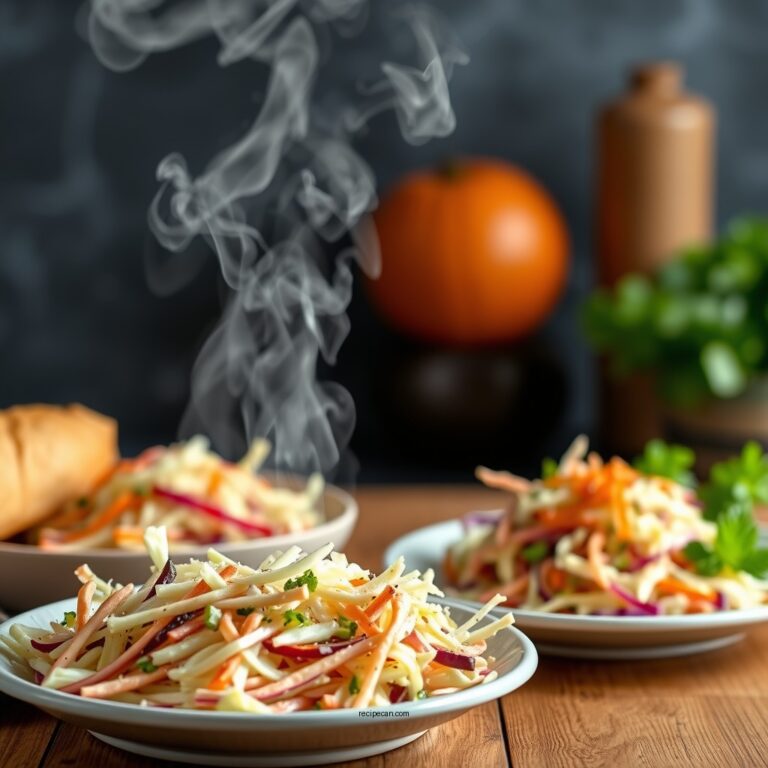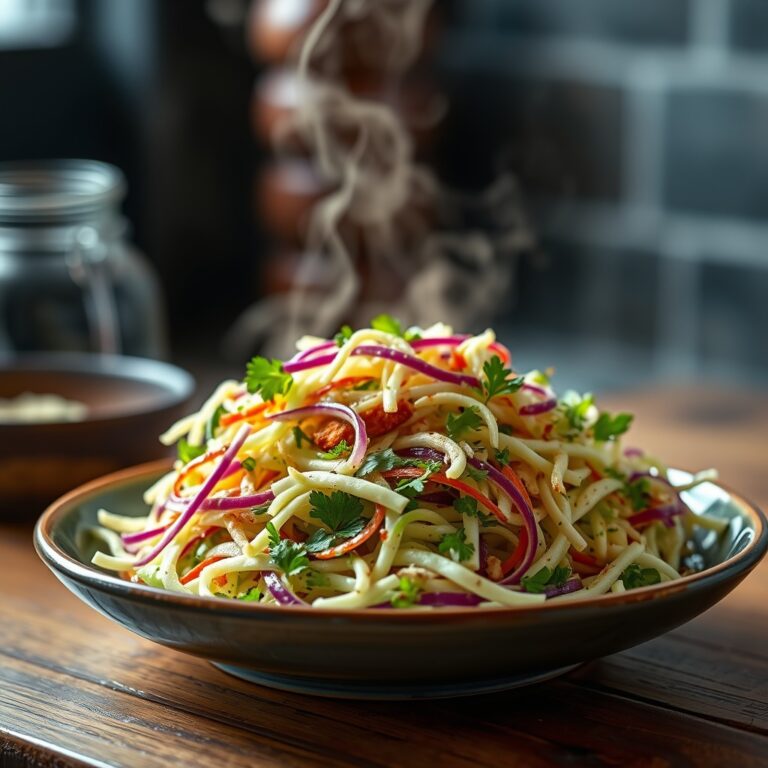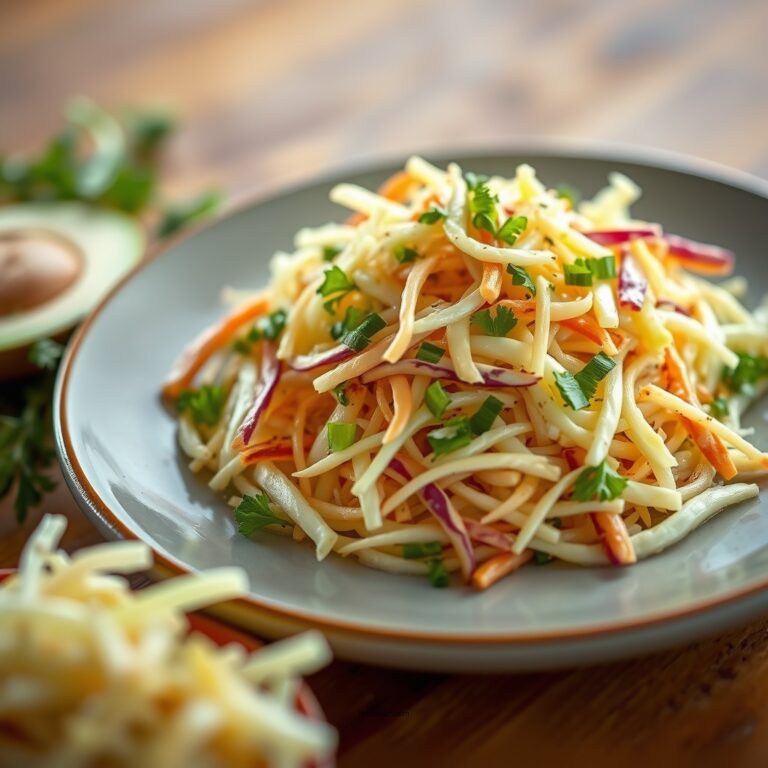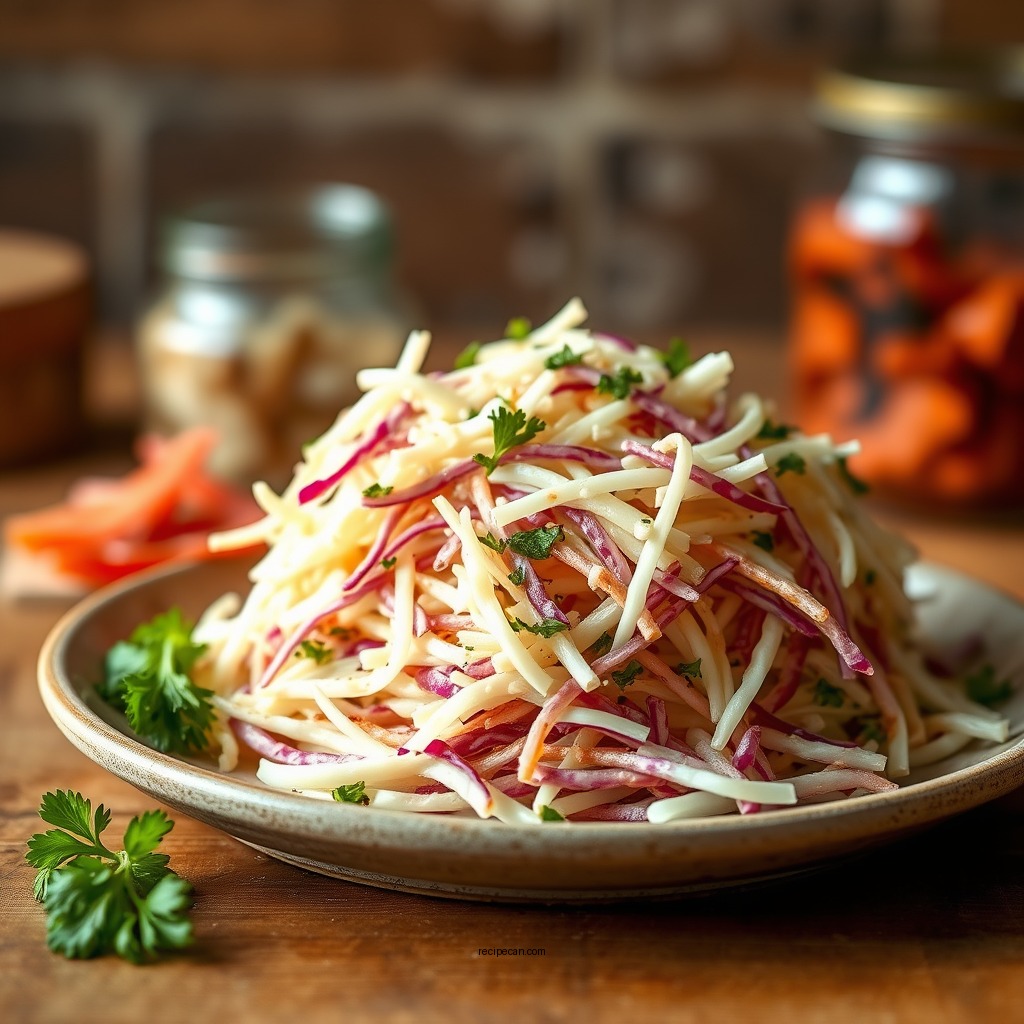
To make a delicious pickled coleslaw, you need a simple blend of cabbage, carrots, and a tangy vinegar-based dressing. This quick recipe not only enhances the crunch of traditional coleslaw but also infuses it with vibrant flavors that make it a perfect side dish or topping. Follow this straightforward guide to whip up your own batch in no time! Pickled coleslaw is a versatile and refreshing addition to various meals, ensuring that your dishes are not only tasty but also visually appealing.
Ingredients You’ll Need
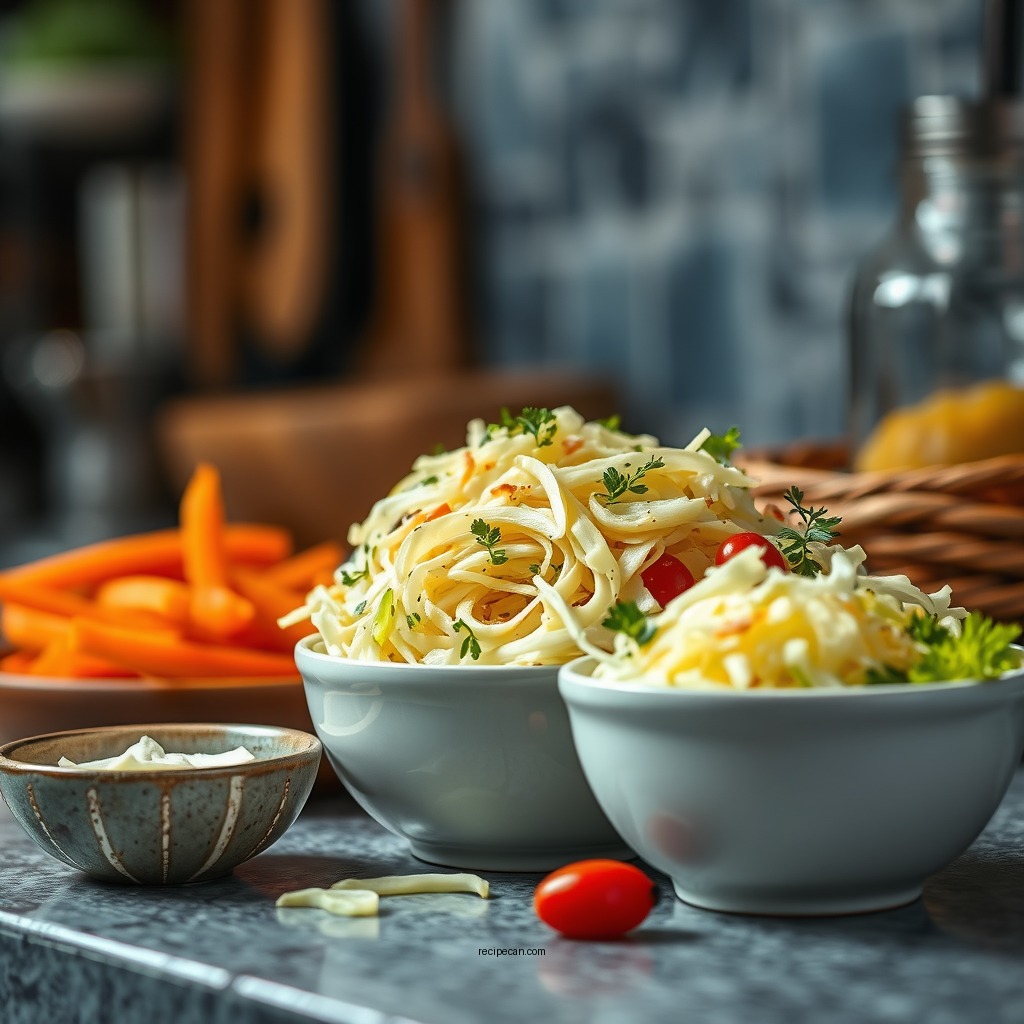
To create an exceptional pickled coleslaw, gather the following ingredients:
– 1 small head of green cabbage, shredded: Cabbage serves as the base of your coleslaw and contributes a satisfying crunch.
– 2 large carrots, grated: Carrots add natural sweetness and vibrant color, enhancing both the flavor and aesthetic appeal of the dish.
– 1 cup apple cider vinegar: This key ingredient provides the tangy flavor profile essential for pickling.
– ½ cup sugar: The sugar balances the acidity of the vinegar, creating a harmonious flavor.
– 1 tablespoon salt: Salt is vital for drawing out moisture from the vegetables, intensifying their flavors.
– Optional spices: You may include mustard seeds, peppercorns, or red pepper flakes to add depth and complexity to your pickling solution.
Preparing the Vegetables
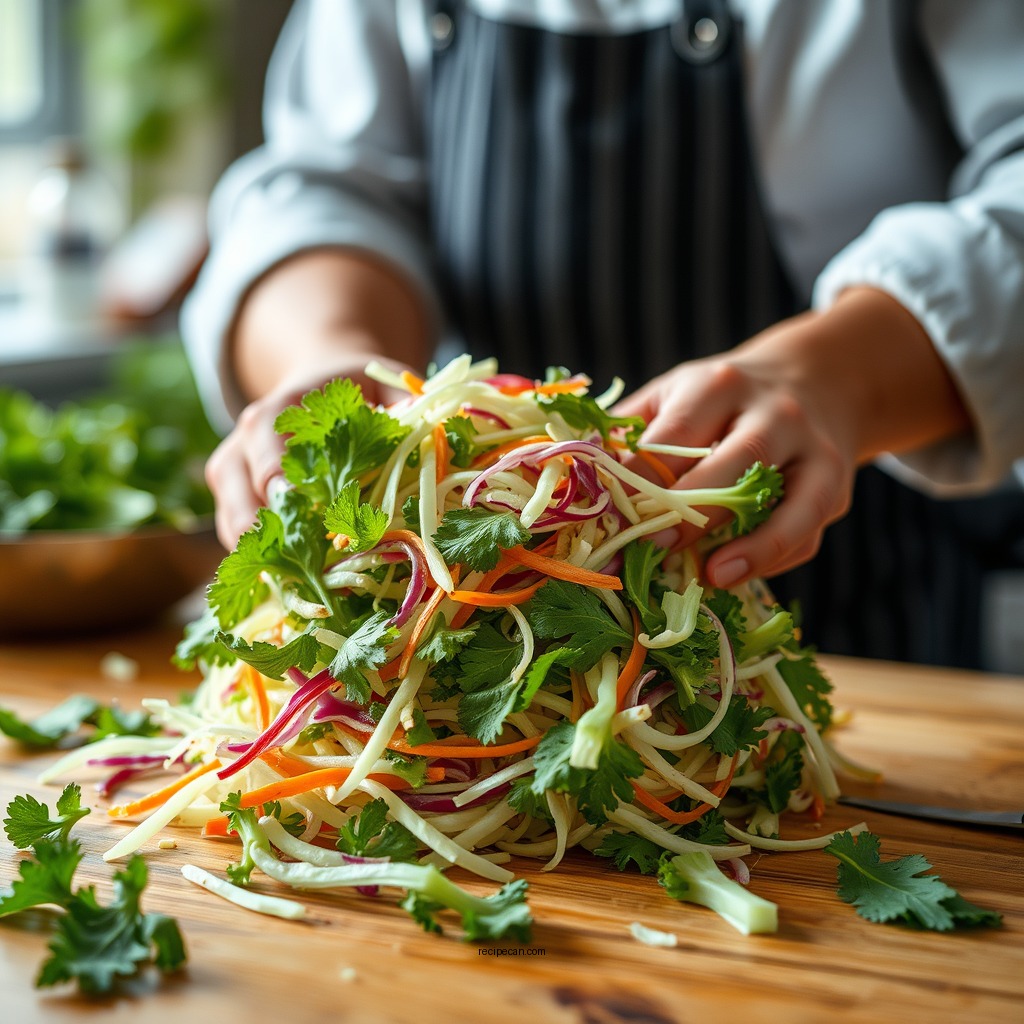
The success of your pickled coleslaw largely depends on how you prepare your vegetables. Start by finely shredding the cabbage and grating the carrots to ensure even pickling. The uniform size of the vegetables promotes consistent absorption of the pickling solution, allowing for a harmonious flavor throughout the dish. Combine the vegetables in a large mixing bowl, tossing well to mix. This step is crucial as it ensures that every bite will have a delightful crunch and balanced flavor.
Making the Pickling Solution
Creating the pickling solution is a straightforward process that involves combining your vinegar, sugar, salt, and optional spices. In a saucepan, combine 1 cup of apple cider vinegar, ½ cup of sugar, 1 tablespoon of salt, and your choice of spices. Bring the mixture to a boil while stirring continuously until the sugar and salt dissolve completely. This step is essential as it ensures that the flavors meld together, creating a rich and tangy base for your coleslaw.
📋 MANDATORY DATA TABLE
Nutritional Comparison of Pickled Coleslaw Ingredients (per 100g)
| # | Ingredient | Calories | Carbohydrates | Sugars | Fiber |
|---|---|---|---|---|---|
| 1 | Green Cabbage | 25 | 5.8g | 3.2g | 2.5g |
| 2 | Carrots | 41 | 9.6g | 4.7g | 2.8g |
| 3 | Apple Cider Vinegar | 3 | 0.9g | 0g | 0g |
| 4 | Sugar | 387 | 100g | 100g | 0g |
| 5 | Salt | 0 | 0g | 0g | 0g |
| 6 | Mustard Seeds (optional) | 66 | 7.0g | 0.5g | 4.0g |
| 7 | Peppercorns (optional) | 251 | 63.0g | 0g | 25.0g |
Combining Everything
After the pickling solution is prepared, the next step is to combine everything. Pour the hot pickling solution over the cabbage and carrots in the mixing bowl, ensuring that all the vegetables are submerged. To achieve this, you can press them down with a weight or a plate. This step is crucial for proper pickling as it guarantees that all pieces are evenly coated and absorb the tangy flavors of the solution. Allow the mixture to cool to room temperature before sealing it for storage.
📈 MANDATORY BAR CHART
Flavor Profile of Pickled Coleslaw Ingredients
Storage Recommendations
Once your pickled coleslaw is ready, it’s essential to store it properly to maintain its freshness and flavor. Transfer the pickled coleslaw to sterilized jars or airtight containers. This prevents contamination and keeps your coleslaw crisp. Store in the refrigerator for at least 24 hours before serving to allow the flavors to develop fully. The coleslaw can be kept in the refrigerator for up to two weeks, making it a convenient option for meal prepping or for entertaining guests.
Serving Suggestions
Pickled coleslaw serves as a delightful accompaniment to many dishes. Use it as a refreshing side dish for grilled meats, such as barbecue chicken or steak, where its crunch and tang balance the richness of the meat. You can also add it to sandwiches, providing a textural contrast to soft bread. For a unique twist, incorporate pickled coleslaw into tacos or burgers for an extra crunch and zing. It can even be served on its own as a light, healthy snack.
Tips for Customization
Customization is key to creating a pickled coleslaw that suits your taste preferences. Don’t hesitate to experiment with different vegetables. Adding bell peppers, radishes, or even thinly sliced onions can introduce new flavors and textures to your dish. Additionally, you can adjust the sugar and vinegar ratios to create a sweeter or more tart pickling solution. If you enjoy heat, consider adding red pepper flakes or jalapeños to the mix for a spicy kick.
Enjoy your homemade pickled coleslaw as a versatile addition to your meals! This recipe not only elevates your dishes but also preserves the freshness of your produce. Don’t hesitate to experiment with flavors and share your creations with friends and family! The refreshing crunch of pickled coleslaw is sure to become a favorite in your culinary repertoire.
Frequently Asked Questions
What ingredients do I need for a basic pickled coleslaw recipe?
A basic pickled coleslaw recipe typically includes green cabbage, carrots, and red cabbage for color. You’ll also need a pickling solution made of vinegar (like apple cider or white vinegar), sugar, salt, and optional spices such as mustard seeds or celery seeds. These ingredients come together to create a tangy and crunchy slaw that’s perfect for sandwiches or as a side dish.
How long does pickled coleslaw need to sit before serving?
For the best flavor, pickled coleslaw should sit for at least 24 hours in the refrigerator before serving. This allows the vegetables to absorb the pickling brine, enhancing their taste and crunch. If you’re short on time, even a few hours can provide some flavor, but overnight is ideal.
Why should I choose pickled coleslaw over traditional coleslaw?
Pickled coleslaw offers a tangy and zesty flavor profile that sets it apart from traditional creamy coleslaw. The vinegar-based dressing is lower in calories and fat, making it a healthier option. Additionally, pickled coleslaw has a longer shelf life due to the pickling process, allowing you to enjoy it for several weeks.
What are some variations I can try in my pickled coleslaw recipe?
You can customize your pickled coleslaw by adding ingredients like sliced bell peppers, jalapeños for heat, or even fruits such as apples or pineapple for sweetness. Experimenting with different vinegars, such as rice vinegar or red wine vinegar, can also change the flavor profile. Adding fresh herbs like dill or cilantro can enhance the freshness of your dish.
Which type of vinegar is best for pickling coleslaw?
The best type of vinegar for pickling coleslaw is typically apple cider vinegar due to its mild flavor and natural sweetness, which complements the vegetables well. However, white vinegar is another popular choice for its sharpness and clarity. Ultimately, the choice of vinegar can affect the final taste, so feel free to experiment with different types to find your favorite.
References
- Coleslaw
https://en.wikipedia.org/wiki/Coleslaw - https://www.ncbi.nlm.nih.gov/pmc/articles/PMC5887064/
https://www.ncbi.nlm.nih.gov/pmc/articles/PMC5887064/ - https://www.sciencedirect.com/topics/food-science/coleslaw
https://www.sciencedirect.com/topics/food-science/coleslaw - Coleslaw | Description, Food, Barbecue, History, Ingredients, & Facts | Britannica
https://www.britannica.com/topic/coleslaw - https://www.verywellfit.com/what-is-coleslaw-4782701
https://www.verywellfit.com/what-is-coleslaw-4782701 - Google Scholar Google Scholar
https://scholar.google.com/scholar?q=pickled+coleslaw+recipe - Google Scholar Google Scholar
https://scholar.google.com/scholar?q=coleslaw+health+benefits - Google Scholar Google Scholar
https://scholar.google.com/scholar?q=pickling+vegetables+health+benefits - https://www.cdc.gov/nutrition/index.html
https://www.cdc.gov/nutrition/index.html - https://www.nutrition.gov/topics/whats-food/vegetables/coleslaw
https://www.nutrition.gov/topics/whats-food/vegetables/coleslaw