This easy peanut butter balls recipe delivers quick, no-fuss results in under an hour, with classic rich flavor and a smooth, bite-ready texture. If you want the fastest way to make peanut butter balls without complicated steps or special tools, this is the one that answers that exact question. You’ll get a simple method that turns pantry staples into evenly formed treats—perfect for parties, snacks, or last-minute cravings.
Make easy peanut butter balls in minutes by stirring peanut butter with powdered sugar (plus optional vanilla or cocoa), rolling into bite-size portions, and chilling until firm. This no-bake recipe is dependable, kid-friendly, and ideal when you want a sweet treat with minimal ingredients and zero oven time—just follow the steps below for the right texture and easy customization.
Simple Ingredients for Easy Peanut Butter Balls
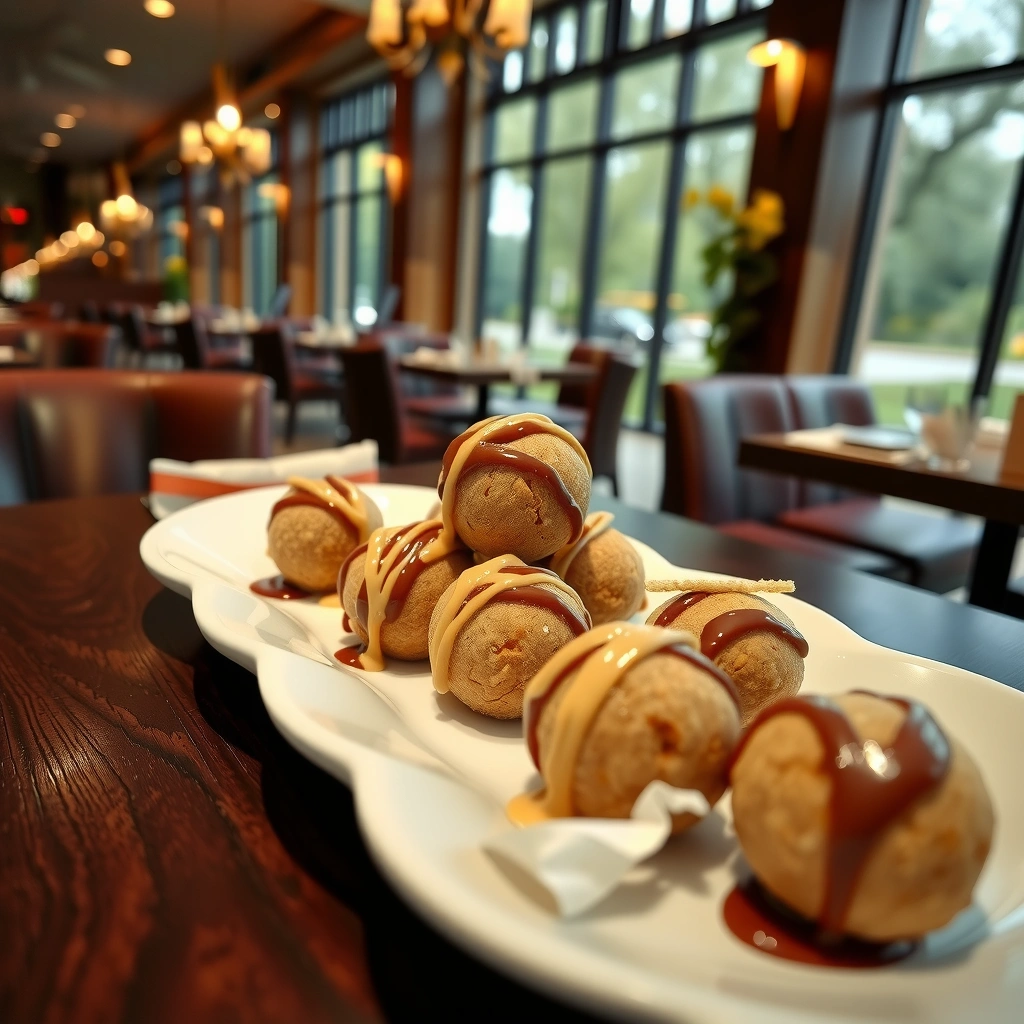
At their core, peanut butter balls are a “binder + sweetness + flavor” formula. The most reliable ratio uses peanut butter for fat and structure, powdered sugar for sweetness and thickness, and a small pinch of salt to make the flavor taste more rounded rather than flat.
– Use peanut butter, powdered sugar, and a pinch of salt as the base
– Peanut butter: Use creamy peanut butter for the smoothest texture. Natural peanut butter (the kind that separates) works too, but make sure it’s well-stirred so the mixture stays consistent.
– Powdered sugar: Provides sweetness and the powdery structure that helps the mixture roll cleanly.
– Pinch of salt: Even a small amount helps balance the richness of peanut butter.
– Add vanilla, cocoa powder, or a small amount of honey for extra flavor
– Vanilla extract adds “bakery-style” aroma without changing the no-bake process.
– Cocoa powder creates a chocolate-peanut twist and also slightly thickens the mixture.
– Honey (or a teaspoon or two) can be used if you prefer a softer, slightly deeper flavor—just remember it adds moisture, so you may need a touch more powdered sugar.
– Optional mix-ins: chopped nuts, chocolate chips, or shredded coconut
– Chopped nuts add crunch and help the balls feel more “special” even though they’re still effortless.
– Chocolate chips offer pockets of chocolate; choose mini chips for more even distribution.
– Shredded coconut adds texture and a subtle toasted flavor (toasting optional).
To make the recipe more consistent, many cooks treat the peanut butter balls as a “mixable dough.” If your kitchen is warm or your peanut butter is looser, you’ll still be able to fix texture quickly with the troubleshooting steps later.
Recommended Texture Tuning for Easy Peanut Butter Balls
| # | Condition in Kitchen | What You’ll Notice | Primary Adjustment | Impact |
|---|---|---|---|---|
| 1 | Warm room (above ~75°F / 24°C) | Mixture feels tacky | Add 1 tbsp powdered sugar per batch and chill 10 min | Improves rollability |
| 2 | Peanut butter is natural (oil separation) | Mixture looks slightly oily | Stir PB thoroughly; add powdered sugar 1 tsp at a time if needed | Stabilizes texture |
| 3 | Too much vanilla or honey | Balls soften quickly | Add 1–2 tbsp powdered sugar and re-chill | Rebuilds structure |
| 4 | Cocoa powder added | Slightly drier feel | If crumbs form, mix in 1 tsp peanut butter or 1 tsp milk | Improves cohesion |
| 5 | Over-chilled mixture | Hard to scoop evenly | Let sit 5–8 minutes at room temp, then roll | Easier shaping |
| 6 | Using chunky peanut butter | Texture is less uniform | Warm fingers slightly and roll firmly; consider crushing chunks for smoother balls | Still rolls well |
| 7 | No chill step | Balls collapse or smear coating | Chill at least 20–30 minutes before serving or coating | Shape failure risk |
Step-by-Step Instructions
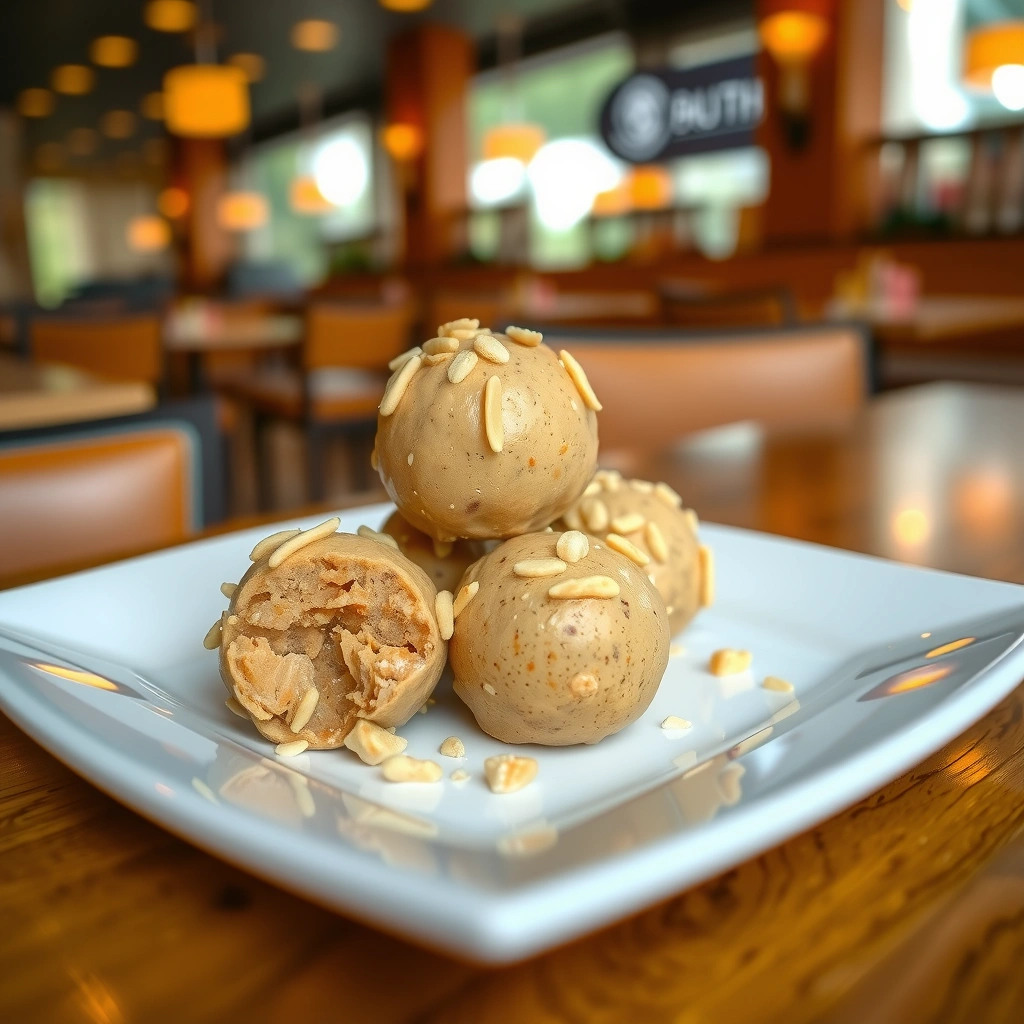
The process is straightforward: combine, portion, roll, and chill. The key to “no-fuss” success is mixing just enough to create a thick, scoopable mass—then resisting the temptation to overwork it.
– Mix peanut butter and powdered sugar until thick and scoopable
– Start by adding peanut butter to a bowl.
– Add powdered sugar gradually (especially if you’re adding cocoa or vanilla).
– Stir until the mixture thickens to a consistency that you can scoop without it running.
– Roll into balls using clean hands or a small scoop
– For uniform size, use a 1-tablespoon scoop for classic bite-size balls.
– Roll quickly between your palms to form smooth spheres. If the mixture sticks, chill it for 5–10 minutes before continuing.
– Chill for 20–30 minutes so they hold their shape
– Place rolled balls on a parchment-lined tray or plate.
– Chilling firms the fat in the peanut butter and lets powdered sugar set, producing clean edges and a satisfying bite.
If you want to involve kids, this is the part where they can help most safely: rolling balls while you handle mixing. Just note that kids often have warmer hands, so they may need a slightly longer chill time.
Get the Perfect Texture (Not Too Sticky)
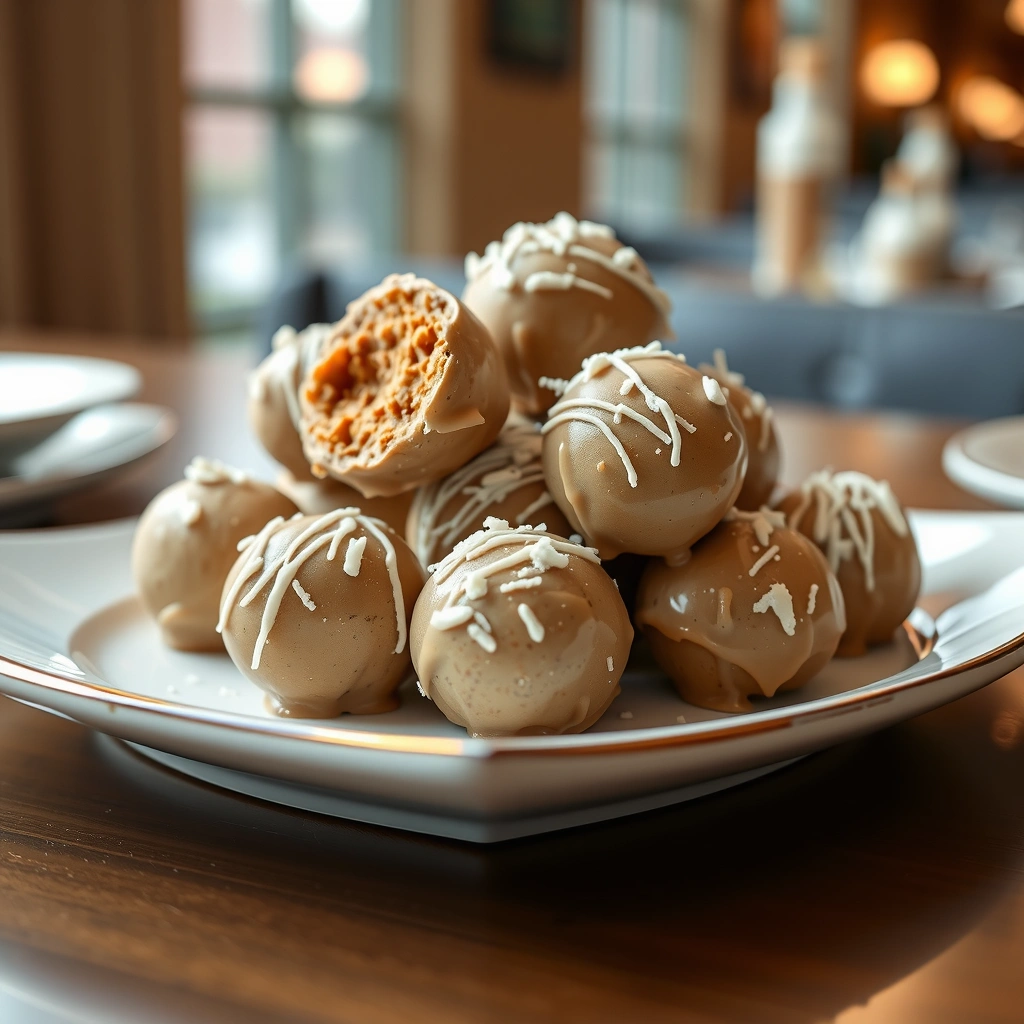
Peanut butter balls are forgiving, but texture depends on ratios, temperature, and how much liquid you introduce (directly or indirectly). Aim for a dough that is thick enough to roll but not so dry that it cracks.
– If too sticky: add a little more powdered sugar
– Sticky mixture usually means there’s too much oil relative to sugar structure (common with warm rooms or natural peanut butter that’s not fully emulsified).
– Add powdered sugar 1 tablespoon at a time, then mix and reassess.
– If too dry: add 1–2 teaspoons of peanut butter (or a splash of milk)
– Dry mixture won’t bind, so it crumbles during rolling.
– Add 1 teaspoon peanut butter first; it blends more naturally than water. If needed, add a splash of milk (start small—too much milk can loosen the mixture again).
– Roll quickly after mixing for the easiest shaping
– Freshly mixed dough is typically easier to roll before it warms or dries out.
– If your balls start losing shape mid-session, pause and chill the dough for a few minutes.
A practical approach: mix, roll a few test balls, and adjust. One quick trial often prevents a full batch from going too far in the wrong direction.
Easy Coatings and Serving Ideas
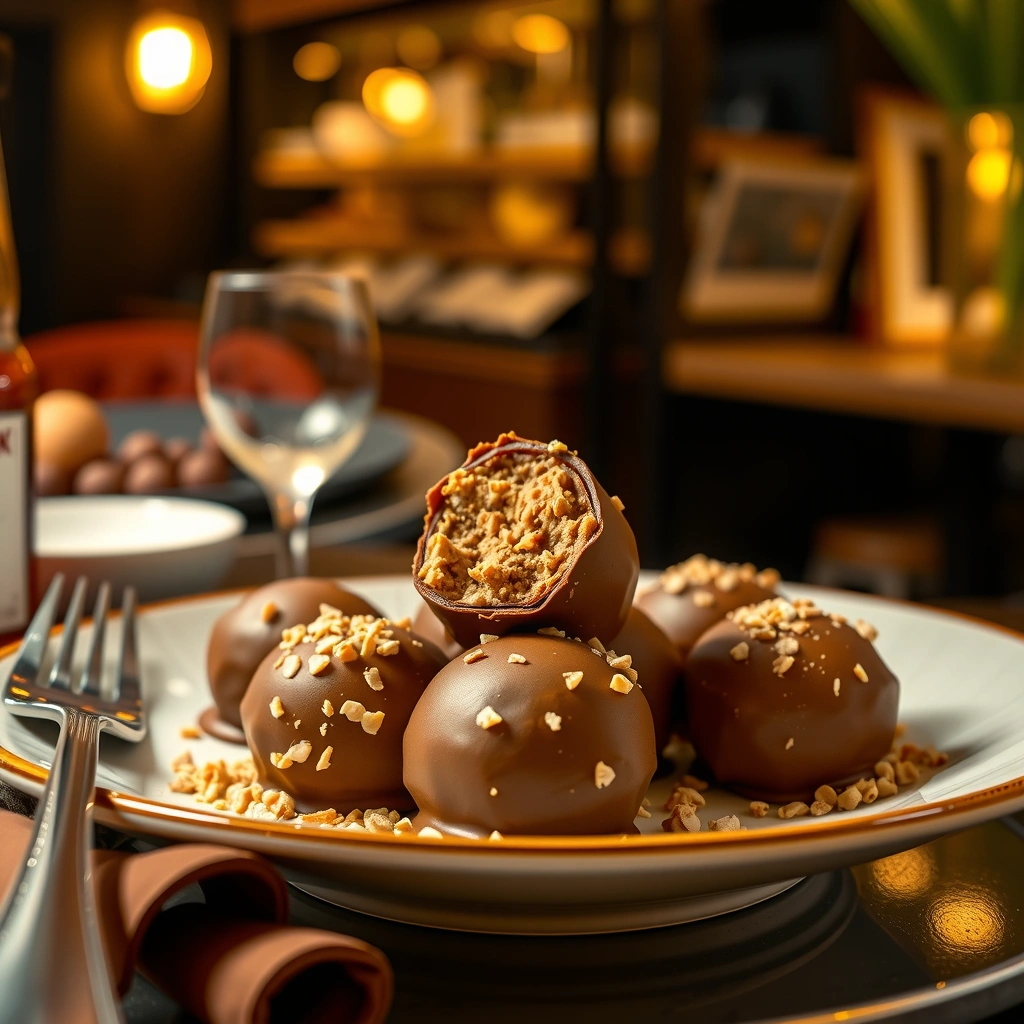
Coatings turn basic peanut butter balls into a “finished” dessert. The great news is you can coat immediately after chilling, and most coatings require no extra equipment—just a shallow bowl and a gentle roll.
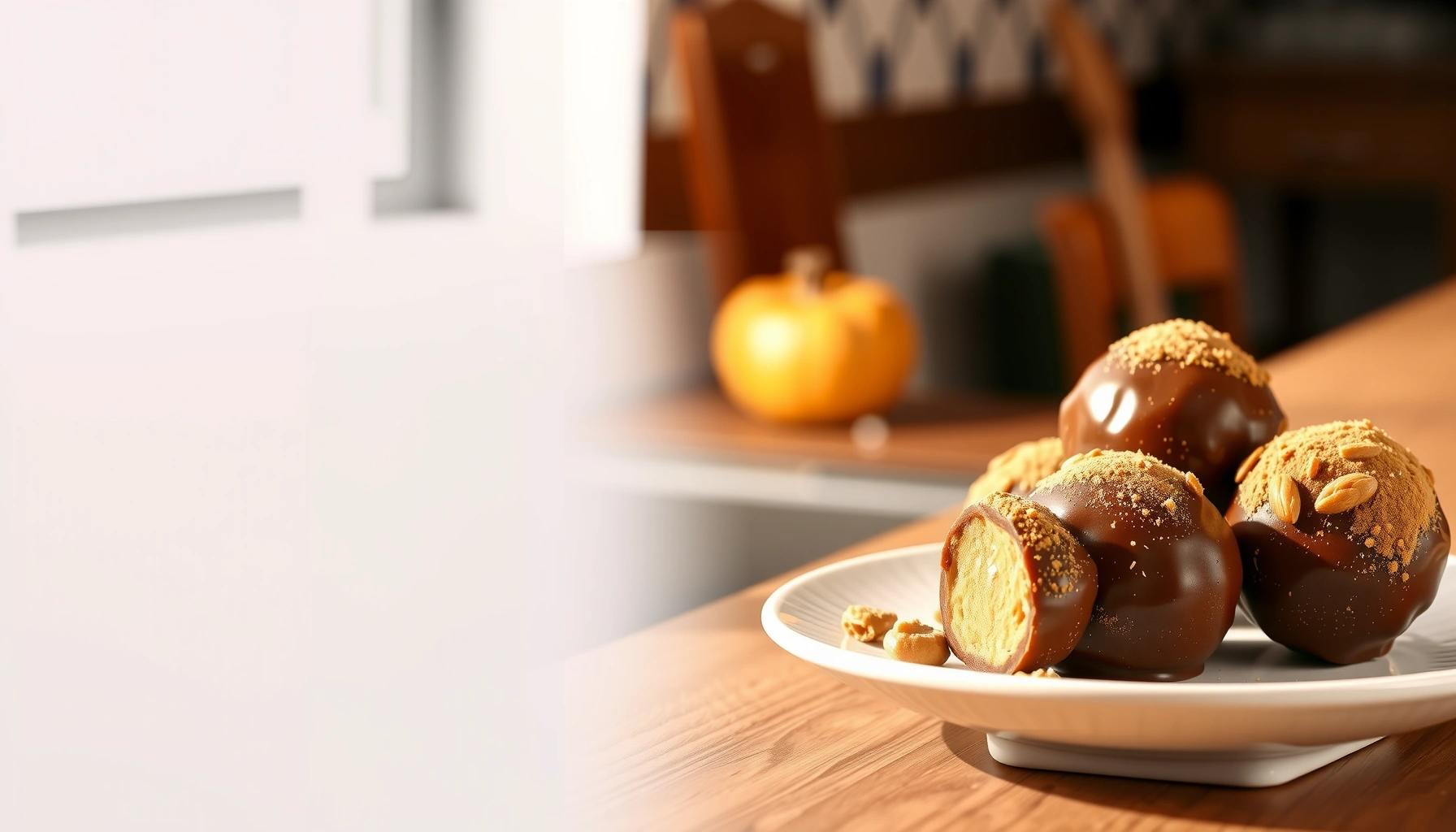
– Roll balls in cocoa powder, crushed nuts, or shredded coconut
– Cocoa powder creates a classic, slightly bitter contrast to sweet peanut butter.
– Crushed nuts add crunch and a more textured finish. Toast nuts briefly for deeper flavor.
– Shredded coconut adds a sweet, chewy note; unsweetened coconut keeps it less sugary.
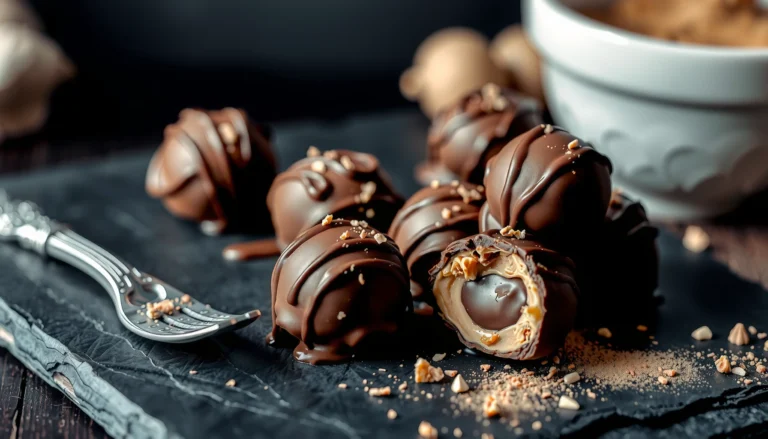
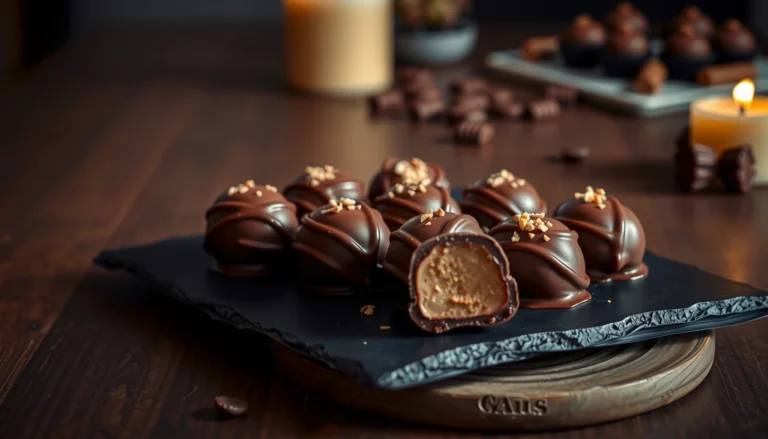
– Drizzle with melted chocolate for a more “fancy” look
– Melt chocolate in short intervals (or use a microwave-safe bowl).
– Drizzle with a spoon or fork, then return to the fridge for 5–10 minutes to set the drizzle.
– Serve chilled or at room temperature (both work)
– Chilled balls are firmer and hold their shape longer—ideal for events.
– Room-temperature balls taste softer and more “spreadable,” but they can soften quickly in hot weather.
Serving ideas for variety:
– Pair with cold milk or coffee for an adult-friendly snack.
– Pack into lunchboxes as a no-bake treat.
– Serve as a dessert plate component alongside fresh fruit.
Storage and Make-Ahead Tips
One of the best things about easy peanut butter balls is that they’re naturally meal-prep friendly. Proper storage preserves texture and prevents drying.
– Store in an airtight container in the fridge for up to 1 week
– Keep them separated with parchment if you’re layering coated balls to avoid smearing.
– Freeze for up to 2 months; thaw in the fridge overnight
– Freeze on a tray first if you plan to keep toppings crisp.
– Once frozen, transfer to a freezer-safe container.
– Let them sit 5 minutes before serving for best texture
– Even when stored cold, a brief sit softens the center slightly for better mouthfeel.
If you’re planning for a party, prepare the base balls ahead and only coat on the day of serving—this keeps coatings looking fresher.
Common Mistakes to Avoid
Because this is a no-bake recipe, “mistakes” tend to show up as texture issues—sticky dough, crumbly balls, or a coating that won’t adhere. The following points prevent most failures.
– Overmixing can make the mixture harder to roll—mix just until combined
– Overmixing can work the mixture too much, making it feel stiff or less pliable.
– Mix with intent: combine thoroughly, then stop.
– Using warm peanut butter can cause excessive stickiness
– If your peanut butter is softened from being on the counter, consider chilling it briefly before mixing.
– Warm peanut butter increases oiliness and makes powdered sugar harder to “set.”
– Skipping the chill step may lead to softer balls that won’t hold shape
– Even a short chill helps solidify enough structure for rolling and coating to stay intact.
– For best results, don’t shortcut the 20–30 minutes.
Also consider allergen awareness when serving—peanut butter contains peanuts, and some readers may need nut-free alternatives.
These easy peanut butter balls come together fast—mix, roll, and chill for a reliable no-bake treat. Try one coating idea (cocoa, nuts, or coconut), adjust the texture with small tweaks, and make a batch ahead for grab-and-go snacking. If you want, tell me what you have on hand (like chocolate chips, cocoa powder, or vanilla), and I’ll suggest the best variation for your taste and schedule.
References
- Google Scholar Google Scholar
https://scholar.google.com/scholar?q=easy+peanut+butter+balls+recipe - Google Scholar Google Scholar
https://scholar.google.com/scholar?q=peanut+butter+balls+no-bake+recipe+reference - Google Scholar Google Scholar
https://scholar.google.com/scholar?q=peanut+butter+energy+balls+recipe+nutritional+analysis - Peanut butter
https://en.wikipedia.org/wiki/Peanut_butter - Chocolate truffle
https://en.wikipedia.org/wiki/Chocolate_truffle - https://en.wikipedia.org/wiki/Energy_ball
https://en.wikipedia.org/wiki/Energy_ball - https://pubmed.ncbi.nlm.nih.gov/?term=peanut+butter
https://pubmed.ncbi.nlm.nih.gov/?term=peanut+butter - https://pubmed.ncbi.nlm.nih.gov/?term=peanut+allergy+management
https://pubmed.ncbi.nlm.nih.gov/?term=peanut+allergy+management - https://www.fda.gov/food/food-allergens/labeling-requirements-for-food-allergens
https://www.fda.gov/food/food-allergens/labeling-requirements-for-food-allergens - https://www.nutrition.gov/learn-about-food/nutrients/food-groups/peanuts
https://www.nutrition.gov/learn-about-food/nutrients/food-groups/peanuts