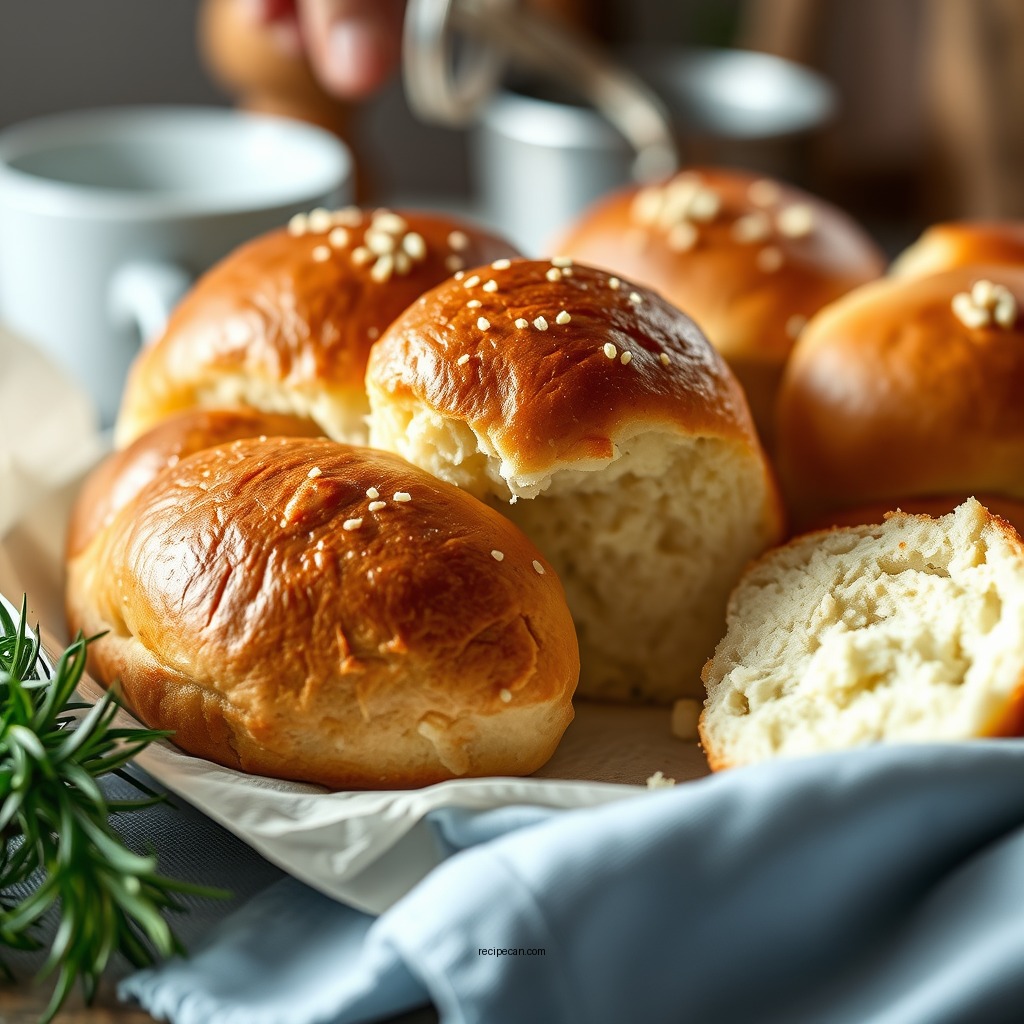
Parker House rolls are a delightful treat known for their soft, buttery texture and slightly sweet flavor. This recipe will provide you with straightforward steps to create perfectly fluffy rolls, making them an ideal addition to any meal. With just a few basic ingredients and a little patience, you can impress your family and guests with warm, homemade rolls that elevate any dining experience.
Ingredients You’ll Need
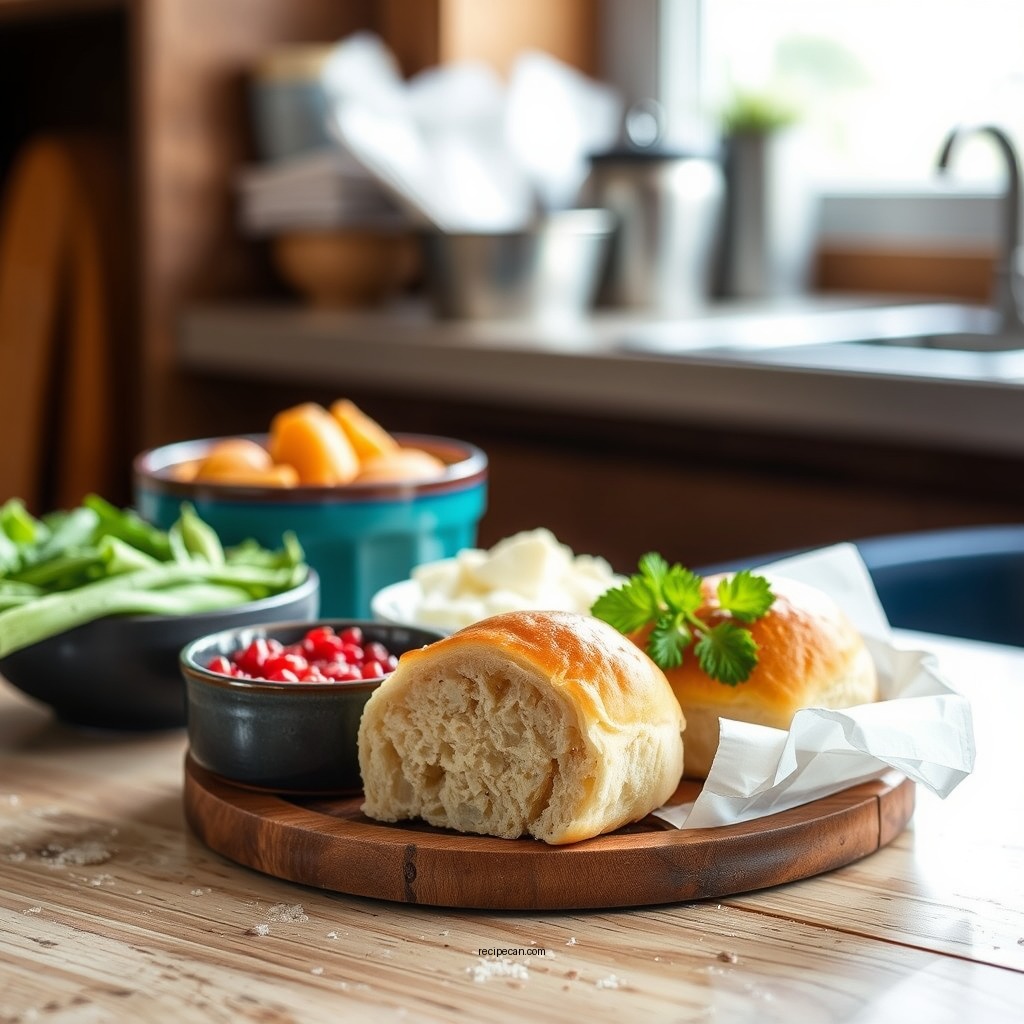
To make delicious Parker House rolls, you’ll need a few essential ingredients that play crucial roles in the bread-making process:
– All-purpose flour: This is the foundation of your rolls, providing the necessary structure and a light texture. The protein content in all-purpose flour helps create gluten, which is vital for the dough’s elasticity.
– Milk and butter: Both of these ingredients contribute richness and flavor to the rolls. Milk hydrates the dough while adding creaminess, and butter imparts a luxurious, flaky quality to the texture.
– Yeast: As the leavening agent, yeast is essential for making the rolls rise, resulting in that light and airy quality that is characteristic of Parker House rolls. Active dry yeast is commonly used, but instant yeast can also be a suitable alternative.
Step-by-Step Preparation
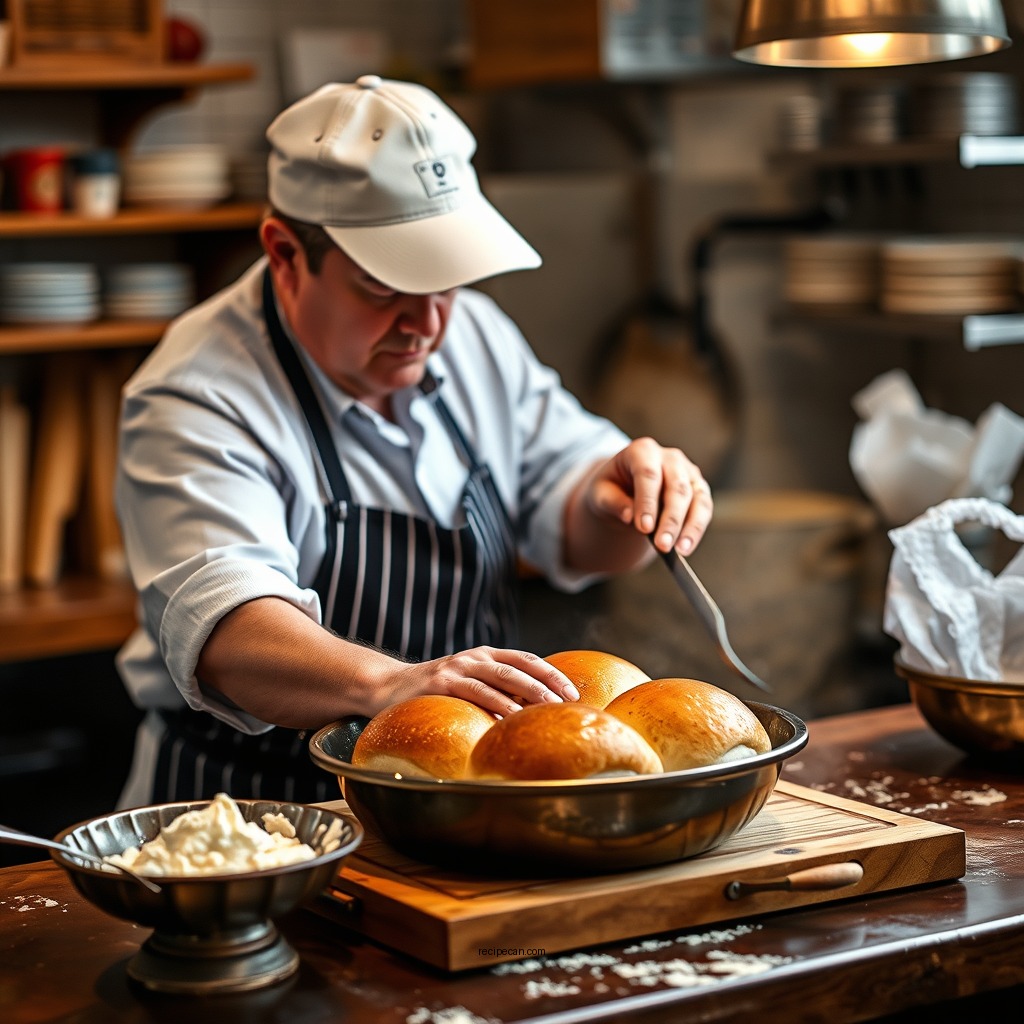
Creating the perfect Parker House rolls involves several key steps:
– Mixing the dough: Start by combining your flour, yeast, warm milk, and melted butter in a mixing bowl. Stir until the ingredients are well mixed, and then continue to combine until a smooth dough forms. You can use a stand mixer fitted with a dough hook or knead by hand.
– Kneading: Knead the dough for about 10 minutes. This process develops the gluten, which is crucial for the structure of the rolls. The dough should become smooth and elastic. If it feels sticky, you can add a bit more flour, but be careful not to add too much, as this could make the rolls dense.
– First rise: Once kneaded, place the dough in a greased bowl and cover it with a clean kitchen towel or plastic wrap. Allow the dough to rise in a warm place until it doubles in size, which typically takes about 1 to 2 hours. This step is crucial as it helps develop flavor and texture.
Shaping the Rolls
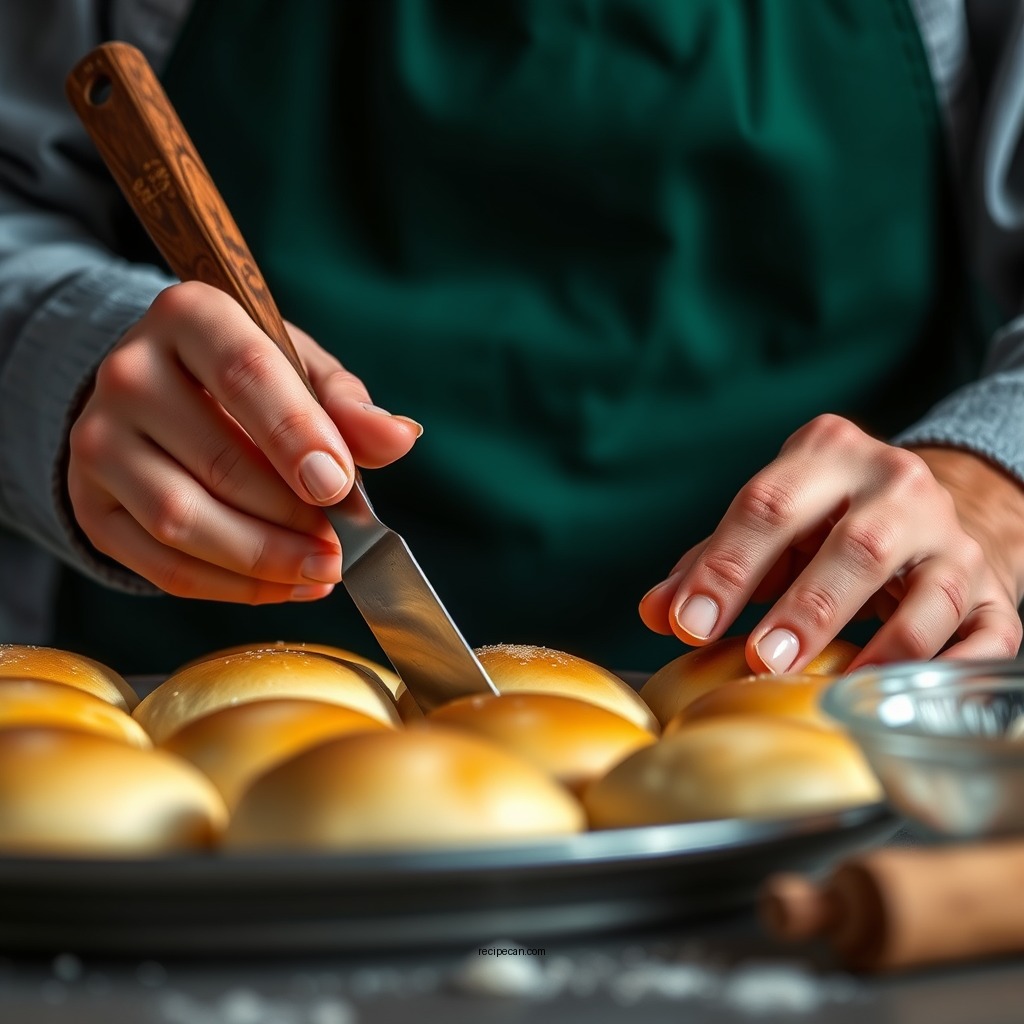
Shaping the rolls properly ensures they rise and bake evenly:
– Portioning: After the dough has risen, gently punch it down to release the air. Divide the dough into equal pieces, typically about 12-15, depending on the desired size of your rolls. Use a kitchen scale for precision if desired.
– Folding technique: Take each piece of dough and flatten it slightly. Fold the edges towards the center to create a ball shape. This folding technique is distinctive to Parker House rolls and contributes to their unique appearance and texture.
– Second rise: Arrange the shaped rolls in a greased baking dish, leaving space for them to expand. Cover them again and let them rise for another 30-60 minutes. This second rise is essential for achieving the light, fluffy texture.
Baking Instructions
Proper baking will yield beautifully golden rolls:
– Preheating: Preheat your oven to 375°F (190°C). Ensuring that your oven reaches the right temperature before baking is essential for even cooking.
– Baking time: Bake the rolls in the preheated oven for about 15 to 20 minutes or until they are golden brown on top. Watch closely towards the end of the baking time to avoid over-browning.
– Buttering: As soon as the rolls come out of the oven, brush the tops with melted butter. This adds flavor and gives the rolls a beautiful sheen.
Serving Suggestions
Parker House rolls can be enjoyed in various ways:
– Pairing: Serve your warm rolls with pats of butter, or alongside your favorite soups, stews, or salads. They also make a wonderful accompaniment to roasted meats and festive meals.
– Storage tips: To keep leftovers fresh, store any uneaten rolls in an airtight container at room temperature for up to three days. For longer storage, you can freeze them; simply wrap them tightly in plastic wrap and then foil, ensuring they are well-protected from freezer burn.
Common Mistakes to Avoid
To ensure your Parker House rolls turn out perfectly, be mindful of common pitfalls:
– Over-kneading: While it is crucial to develop gluten, over-kneading can lead to tough rolls. Stop kneading once the dough is smooth and elastic.
– Not allowing enough rise time: Skipping the rise can result in dense, unappealing rolls. Make sure to allow both the first and second rise sufficient time for the dough to expand.
Top 7 Ingredients for Parker House Rolls
| # | Ingredient | Amount (cups) | Role in Recipe | Nutritional Value per Cup |
|---|---|---|---|---|
| 1 | All-Purpose Flour | 4 | Structure | 455 kcal |
| 2 | Milk | 1 | Moisture | 149 kcal |
| 3 | Butter | 0.5 | Flavor | 810 kcal |
| 4 | Sugar | 0.25 | Sweetness | 774 kcal |
| 5 | Salt | 0.5 | Flavor | 0 kcal |
| 6 | Active Dry Yeast | 2.25 | Leavening | 0 kcal |
| 7 | Egg (optional) | 1 | Richness | 155 kcal |
Parker House Rolls Baking Time Comparison
Parker House rolls are a delightful addition to any meal, offering a touch of warmth and comfort. By following this simple recipe, you can master the art of making these fluffy rolls at home. Don’t hesitate to share your baking experience and photos with family and friends, and enjoy the delicious results! With this comprehensive guide, you’ll not only create perfect rolls but also deepen your knowledge of the bread-making process, making every baking session a rewarding experience.
Frequently Asked Questions
What are the key ingredients in a traditional Parker House rolls recipe?
The key ingredients in a traditional Parker House rolls recipe include all-purpose flour, yeast, milk, sugar, butter, and salt. Some recipes also incorporate eggs for richness. These ingredients come together to create soft, fluffy rolls that are perfect for any meal.
How do you achieve the perfect texture for Parker House rolls?
To achieve the perfect texture for Parker House rolls, it’s essential to knead the dough until it’s smooth and elastic, which usually takes about 8-10 minutes. Allowing the dough to rise in a warm environment until it doubles in size is also crucial, as this contributes to the lightness and fluffiness of the rolls.
Why are Parker House rolls famous, and what sets them apart from other dinner rolls?
Parker House rolls are famous for their unique folded shape and buttery flavor, originating from the Parker House Hotel in Boston. What sets them apart from other dinner rolls is their slightly sweet taste and soft, tender crumb, making them an iconic choice for holiday meals and special occasions.
What is the best way to store leftover Parker House rolls?
The best way to store leftover Parker House rolls is to let them cool completely, then place them in an airtight container at room temperature for up to 2 days. For longer storage, you can freeze them, wrapped tightly in plastic wrap and aluminum foil, for up to 3 months. Simply reheat them in the oven for a few minutes before serving.
Which variations can I try for my Parker House rolls recipe?
You can try various variations for your Parker House rolls recipe by adding herbs like rosemary or garlic for a savory twist, or incorporating cheese for added flavor. Additionally, you can experiment with different types of flour, such as whole wheat or gluten-free blends, to cater to dietary preferences while maintaining the classic texture.
References
- https://en.wikipedia.org/wiki/Parker_House_rolls
https://en.wikipedia.org/wiki/Parker_House_rolls - Engineering | Brown University
https://www.brown.edu/academics/engineering/undergraduate/academic-resources/recipes/parker-house-rolls - Ashure Cereal Recipe
https://www.nytimes.com/recipes/1019809/parker-house-rolls.html - Parker House Rolls | James Beard Foundation
https://www.jamesbeard.org/recipes/parker-house-rolls - https://www.americanhistoricalassociation.org/teaching-and-learning/teaching-resources/parker-house-rolls
https://www.americanhistoricalassociation.org/teaching-and-learning/teaching-resources/parker-house-rolls - Google Scholar Google Scholar
https://scholar.google.com/scholar?q=Parker+House+rolls+recipe - Google Scholar Google Scholar
https://scholar.google.com/scholar?q=history+of+Parker+House+rolls - Google Scholar Google Scholar
https://scholar.google.com/scholar?q=culinary+techniques+Parker+House+rolls - https://www.sciencedirect.com/topics/food-science/parker-house-rolls
https://www.sciencedirect.com/topics/food-science/parker-house-rolls - Google Scholar Google Scholar
https://scholar.google.com/scholar?q=parker+house+rolls+recipe