Start your morning right with this easy pancake recipe that yields fluffy, delicious pancakes in no time. With just a few simple ingredients, you can whip up a batch that will have everyone asking for seconds. This guide will walk you through the steps to make perfect pancakes every time, ensuring a delightful breakfast experience for you and your loved ones.
Essential Ingredients for Pancakes
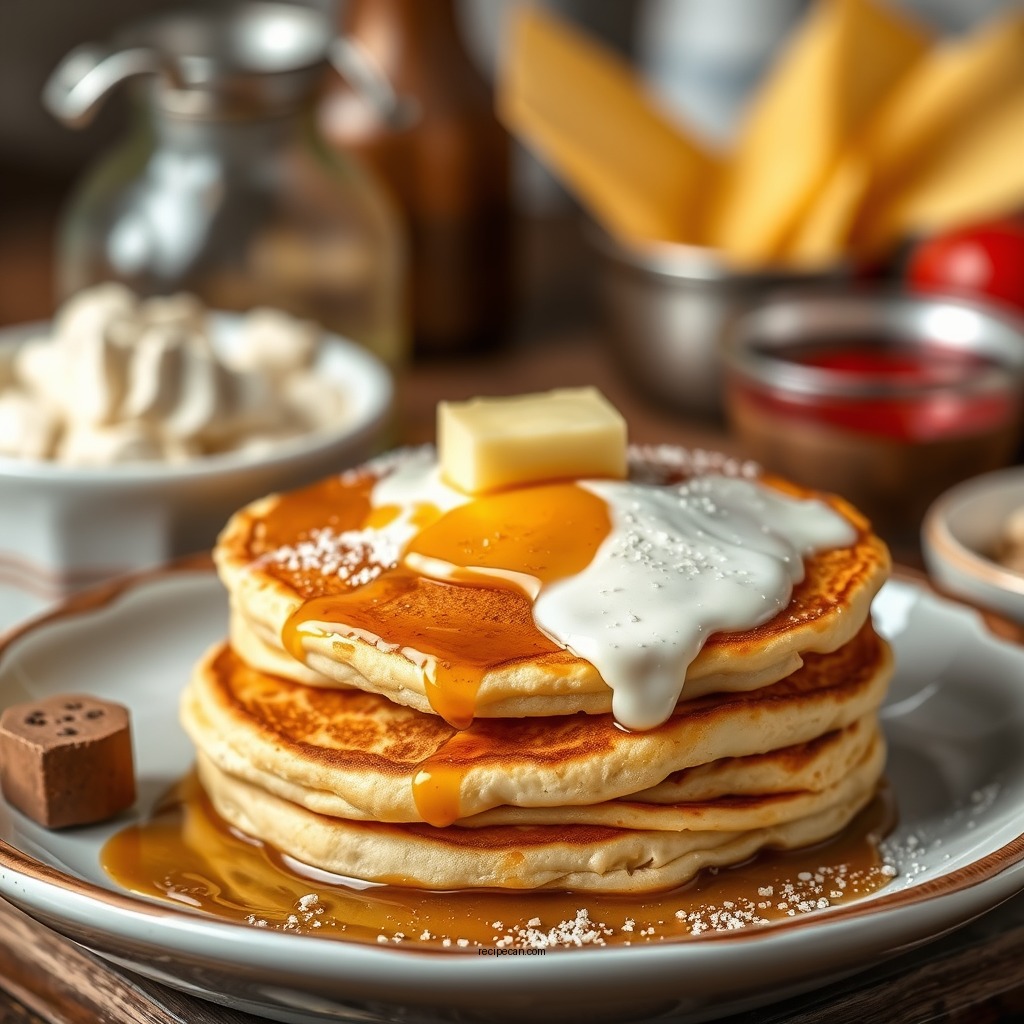
To create the ideal pancake, you need quality ingredients that work together to produce light and fluffy results. Here are the essential components:
– All-purpose flour: The foundation of your pancake mixture, all-purpose flour provides the necessary structure. It has the right balance of protein to create a tender pancake while allowing for flexibility in recipes.
– Baking powder: This key ingredient acts as a leavening agent, enabling the pancakes to rise and achieve that desired fluffiness. Ensure your baking powder is fresh for the best results.
– Sugar: A touch of sugar in your batter not only adds sweetness but also enhances the overall flavor and browning of the pancakes when cooked. Adjust the amount according to your taste preferences.
Step-by-Step Preparation
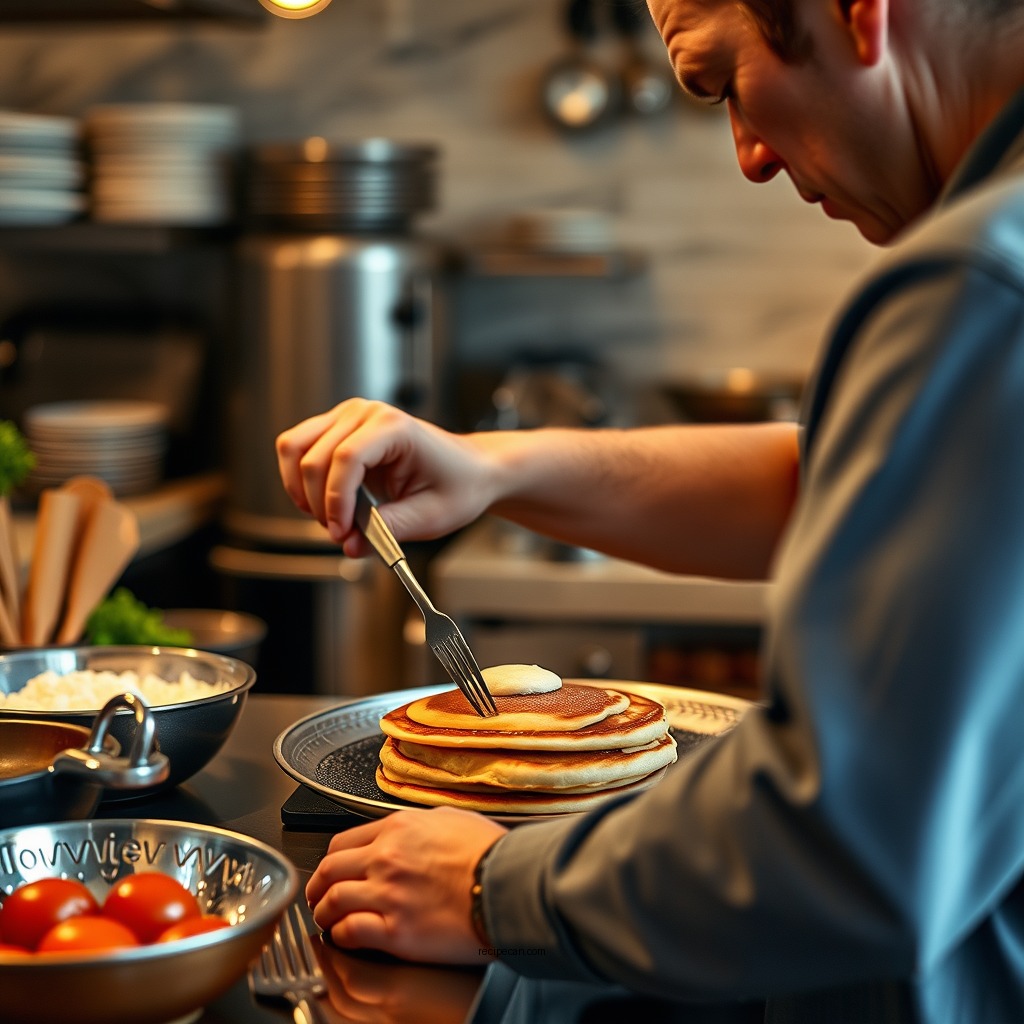
Creating perfect pancakes involves a few simple steps that ensure consistency and quality. Follow this step-by-step guide:
– Mix dry ingredients: In a large mixing bowl, combine 1 cup of all-purpose flour, 2 teaspoons of baking powder, 2 tablespoons of sugar, and a pinch of salt. Whisk them together until evenly distributed.
– Combine wet ingredients: In a separate bowl, whisk together 1 large egg, 1 cup of milk, and 2 tablespoons of melted butter. Mixing these ingredients separately ensures that the egg is well incorporated and the butter doesn’t solidify in the cold milk.
– Combine mixtures: Gradually add the wet ingredients to the dry mixture, stirring gently with a spatula or wooden spoon. Mix until just combined; it’s okay if there are a few lumps. Overmixing can lead to tough pancakes, so be cautious.
Cooking Techniques for Perfect Pancakes
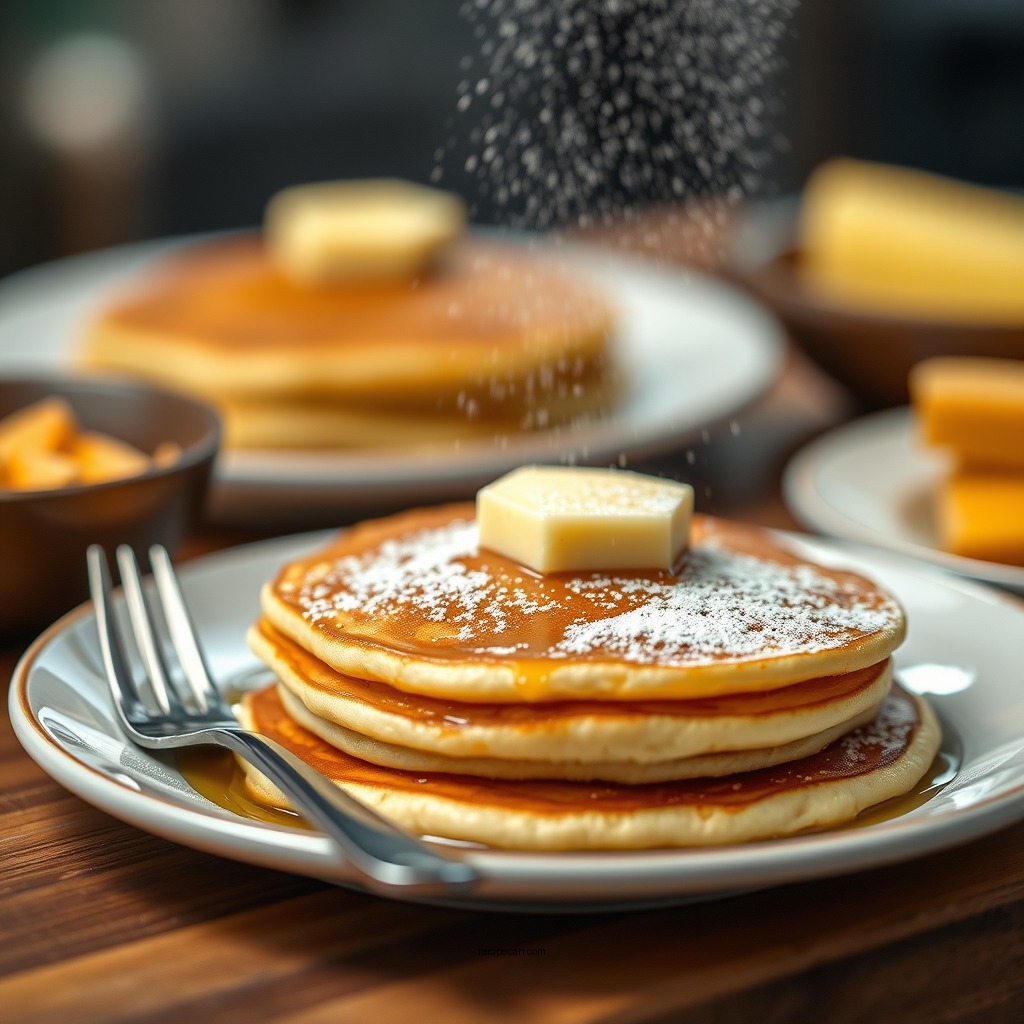
The cooking process is just as important as the mixing. Here are techniques to ensure your pancakes come out perfectly golden and fluffy:
– Preheat your skillet: Heat a non-stick skillet or griddle over medium heat. To test if it’s ready, sprinkle a few drops of water on the surface; if they dance and evaporate quickly, your skillet is ready.
– Use the right amount of batter: For each pancake, pour approximately 1/4 cup of batter onto the skillet. This size is manageable and ensures even cooking.
– Flip at the right time: Wait until bubbles form on the surface of the pancake and the edges look slightly dry. This usually takes about 2-3 minutes. Gently flip the pancake using a spatula and cook the other side until golden brown, about 1-2 minutes.
Pancake Cooking Times and Techniques
| # | Technique | Time per Side (minutes) | Temperature (°F) |
|---|---|---|---|
| 1 | Preheat Skillet | N/A | 350 |
| 2 | Cooking First Side | 2-3 | 350 |
| 3 | Flipping Pancake | N/A | 350 |
| 4 | Cooking Second Side | 1-2 | 350 |
| 5 | Resting Time | 5 | N/A |
Customizing Your Pancakes
One of the most enjoyable aspects of making pancakes is the opportunity to customize them to suit your taste. Here are some ideas:
– Add-ins: Enhance your pancakes by folding in ingredients like chocolate chips, blueberries, or chopped nuts into the batter before cooking. This can elevate the flavor profile and add a delightful texture.
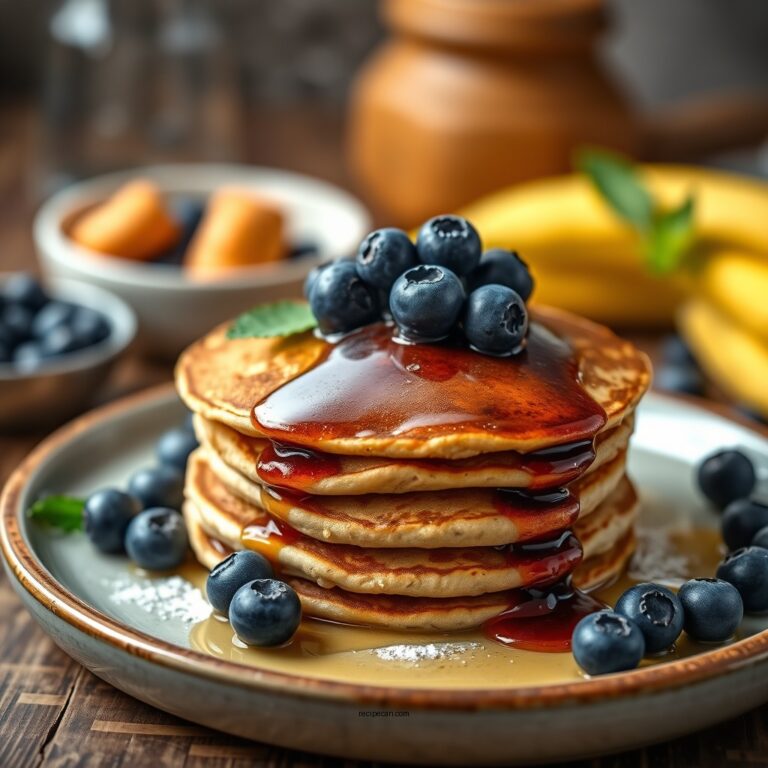
– Toppings: Serve your pancakes with a variety of toppings such as warm maple syrup, freshly whipped cream, or seasonal fruits like strawberries or bananas. These toppings can add both flavor and visual appeal.
– Dietary substitutes: For a healthier twist, consider using almond milk instead of regular milk or whole wheat flour instead of all-purpose flour. These substitutions can provide added nutrition without compromising taste.
Common Mistakes to Avoid
To ensure your pancakes turn out perfectly every time, avoid these common pitfalls:
– Overmixing the batter: While it may be tempting to stir until smooth, overmixing can lead to tough pancakes. Aim for a lumpy batter for the best texture.
– Not adjusting heat: If your skillet is too hot, pancakes can brown too quickly on the outside while remaining raw inside. Adjust the heat as necessary to maintain an even cooking temperature.
– Skipping the rest period: Allow your batter to rest for about 5-10 minutes before cooking. This helps the gluten relax, leading to more tender pancakes.
Serving Suggestions
Once your pancakes are ready, consider these serving suggestions to enhance the breakfast experience:
– Pair with breakfast sides: Complement your pancakes with savory sides like crispy bacon, scrambled eggs, or sausage links for a well-rounded meal.
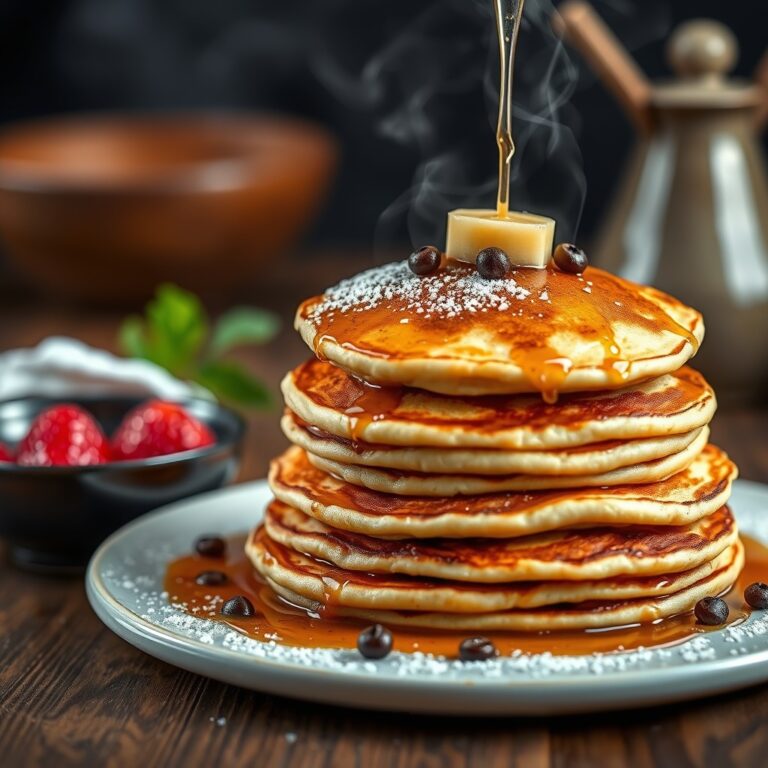
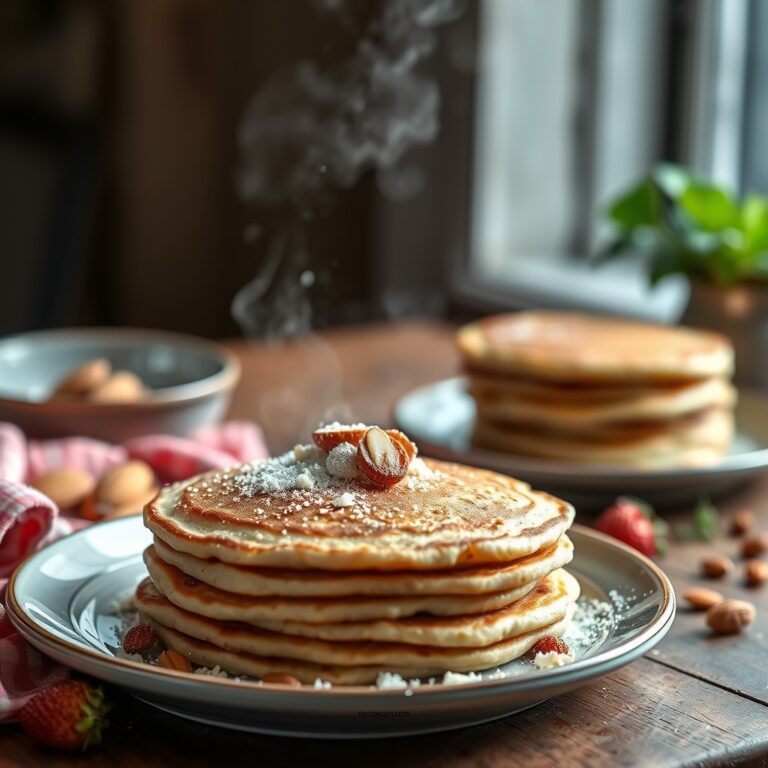
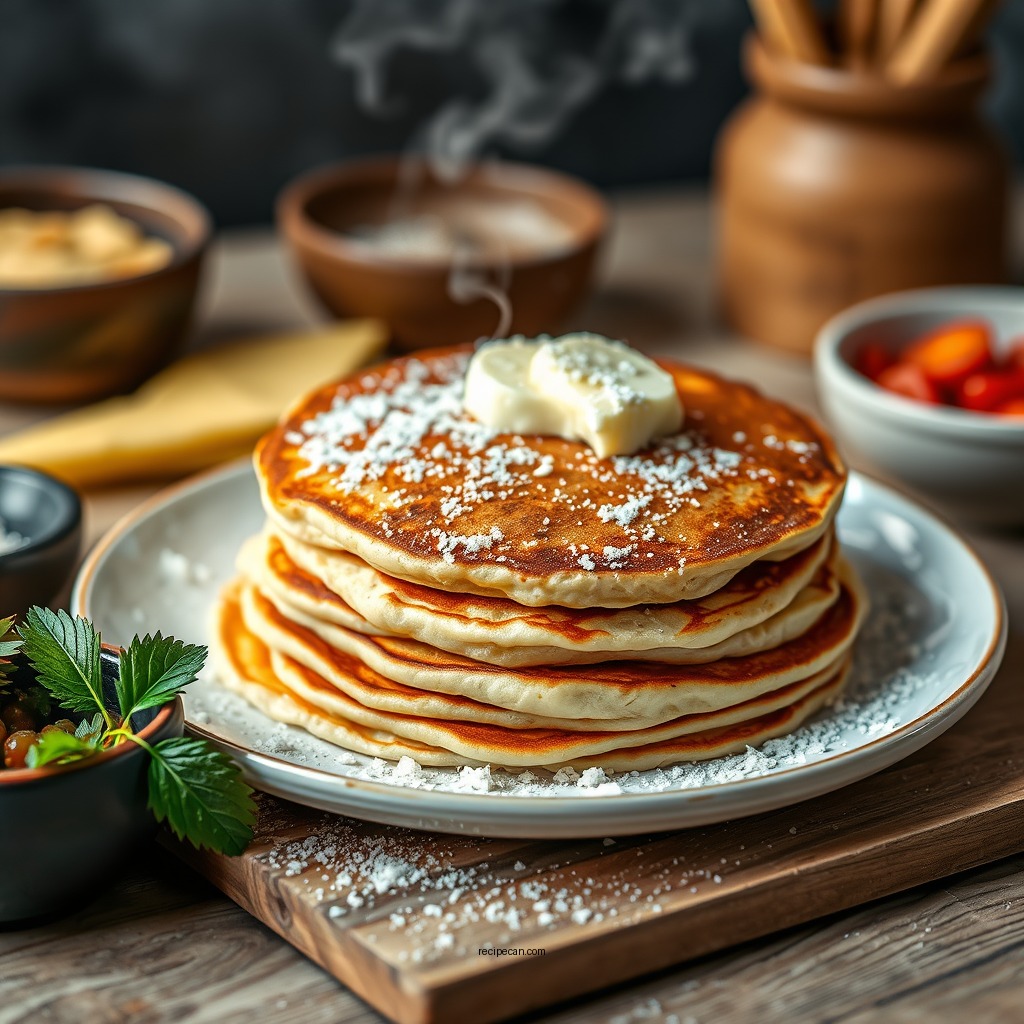
– Creative presentations: Stack pancakes high on a plate and garnish with fresh fruits, a dusting of powdered sugar, or a drizzle of syrup for an appealing presentation.
– Ideal for gatherings: Whether it’s a weekend brunch or a family breakfast, pancakes are the perfect dish for sharing. Encourage everyone to customize their plates with their favorite toppings.
Pancake Variations Popularity
Enjoy your delicious pancakes with family or friends, and don’t hesitate to experiment with different flavors and toppings. This easy pancake recipe is sure to become a favorite in your kitchen! With the right techniques and ingredients, you can create a breakfast that is both satisfying and enjoyable. Whether you stick to the classic version or venture into creative variations, pancakes are a timeless dish that brings joy to breakfast tables everywhere.
Frequently Asked Questions
What are the basic ingredients for a classic pancake recipe?
The basic ingredients for a classic pancake recipe include all-purpose flour, baking powder, sugar, salt, milk, eggs, and melted butter. These common pantry staples come together to create fluffy pancakes that are perfect for breakfast. You can also customize the recipe by adding vanilla extract or cinnamon for extra flavor.
How do I make pancakes from scratch without a mix?
To make pancakes from scratch, start by whisking together 1 cup of all-purpose flour, 2 tablespoons of sugar, 1 tablespoon of baking powder, and a pinch of salt in a bowl. In another bowl, combine 1 cup of milk, 1 large egg, and 2 tablespoons of melted butter, then mix the wet ingredients into the dry ingredients until just combined. Cook the batter on a preheated skillet over medium heat until bubbles form, then flip and cook until golden brown.
Why are my pancakes not fluffy?
If your pancakes are not fluffy, it could be due to overmixing the batter or using expired baking powder. To ensure fluffy pancakes, mix the wet and dry ingredients until just combined, leaving some lumps in the batter. Additionally, make sure your baking powder is fresh, as it is essential for the leavening process that creates a light texture.
What is the best way to store leftover pancakes?
The best way to store leftover pancakes is to let them cool completely, then stack them with parchment paper in between each pancake to prevent sticking. Place the stack in an airtight container or a resealable plastic bag, and refrigerate for up to 3-4 days. For longer storage, you can freeze the pancakes for up to 2 months; just reheat them in the microwave or toaster when you’re ready to enjoy.
Which toppings are best for pancakes?
The best toppings for pancakes include classic options like maple syrup, fresh fruits, and whipped cream, as well as creative choices like Nutella, peanut butter, or yogurt. You can also enhance your pancakes with nuts, chocolate chips, or a dusting of powdered sugar for added flavor and texture. Experimenting with different toppings allows you to personalize your pancake experience for any occasion.
References
- Pancake
https://en.wikipedia.org/wiki/Pancake - https://www.britannica.com/food/pancake
https://www.britannica.com/food/pancake - https://www.ncbi.nlm.nih.gov/pmc/articles/PMC5505413/
https://www.ncbi.nlm.nih.gov/pmc/articles/PMC5505413/ - https://www.sciencedirect.com/topics/agricultural-and-biological-sciences/pancakes
https://www.sciencedirect.com/topics/agricultural-and-biological-sciences/pancakes - https://www.cdc.gov/nutrition/food-safety.html
https://www.cdc.gov/nutrition/food-safety.html - https://www.nytimes.com/2021/02/12/cooking/pancakes-recipe.html
https://www.nytimes.com/2021/02/12/cooking/pancakes-recipe.html - https://www.bbc.com/food/recipes/pancakes_88565
https://www.bbc.com/food/recipes/pancakes_88565 - Google Scholar Google Scholar
https://scholar.google.com/scholar?q=pancake+recipes - Google Scholar Google Scholar
https://scholar.google.com/scholar?q=nutritional+value+of+pancakes - Google Scholar Google Scholar
https://scholar.google.com/scholar?q=history+of+pancakes