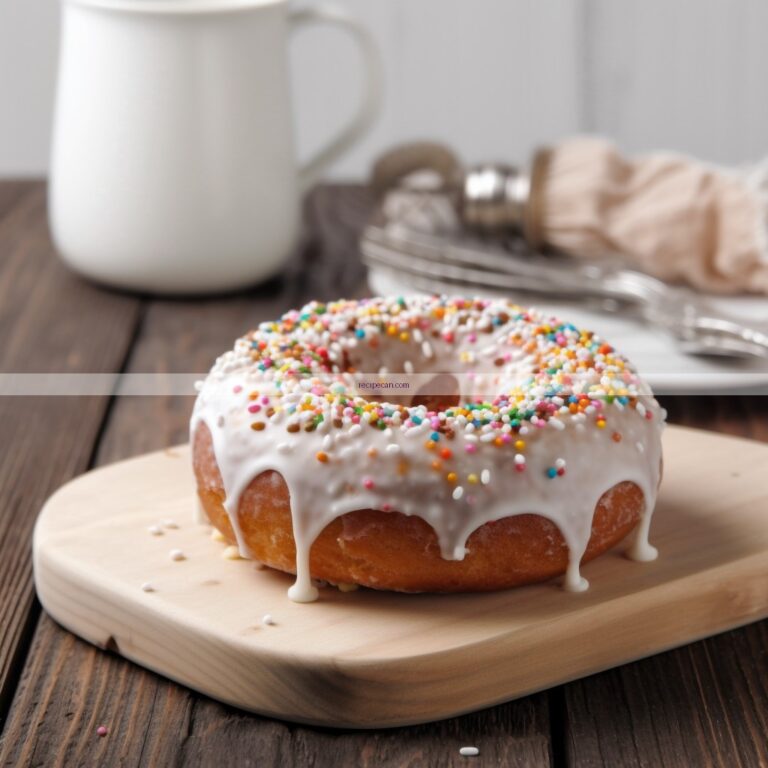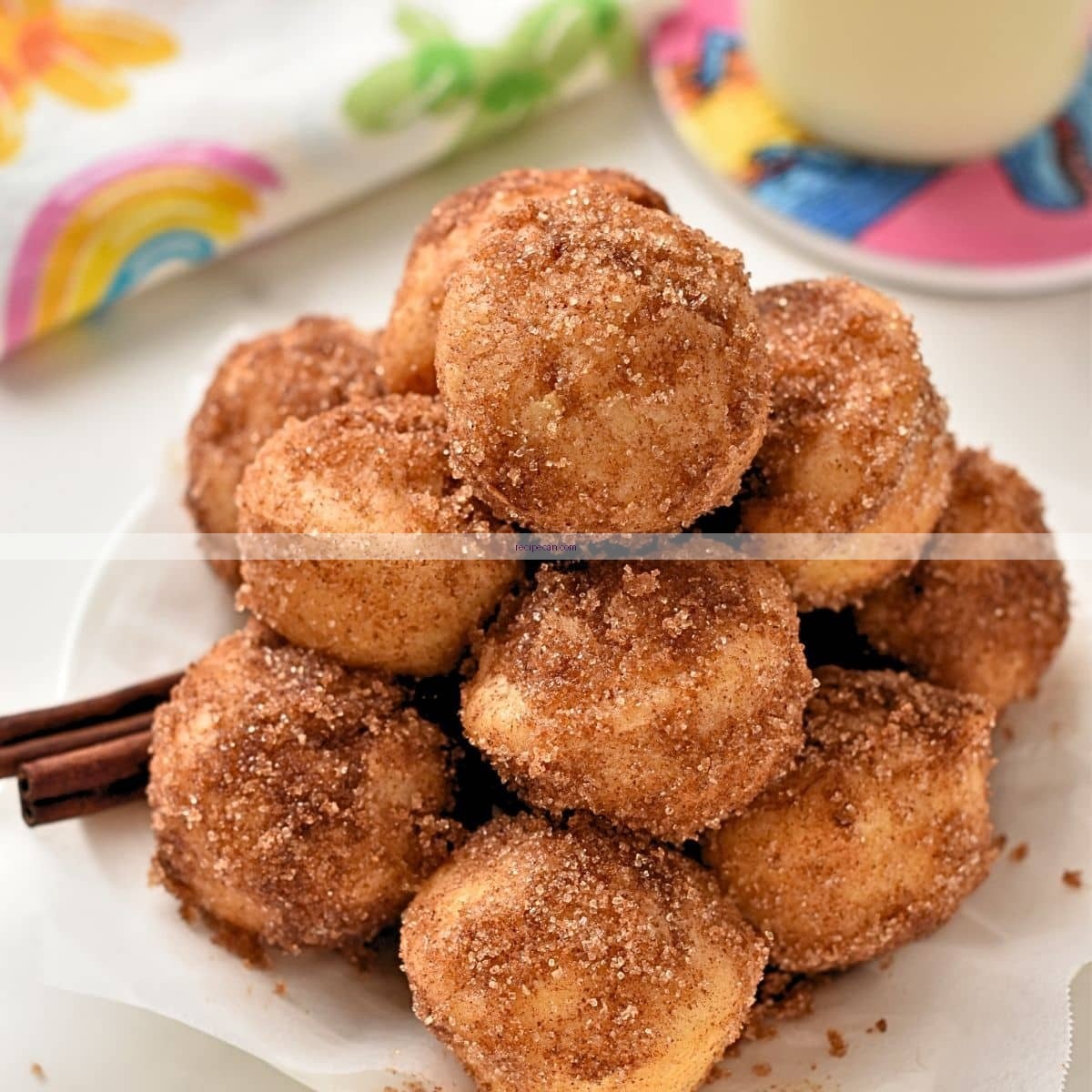
Making donut holes in the oven is a straightforward and rewarding culinary endeavor, allowing you to indulge in a delicious treat without the hassle of frying. With just a few simple ingredients and steps, you can create a batch of fluffy, flavorful donut holes that are ideal for breakfast or a quick snack. This guide will provide you with detailed insights into the essential ingredients, preparation methods, baking tips, and creative ways to glaze and flavor your donut holes.
Essential Ingredients for Oven-Baked Donut Holes
To make delicious oven-baked donut holes, you will need a few essential ingredients that come together to create a light and fluffy texture.
– Flour: All-purpose flour is the primary component, giving structure to the donut holes. For a gluten-free version, consider using a gluten-free all-purpose blend.
– Sugar: Granulated sugar adds sweetness. You can also experiment with brown sugar for a richer flavor.
– Baking Powder: This leavening agent is crucial for achieving that desirable rise and lightness.
– Spices: Ground cinnamon and nutmeg not only enhance flavor but also offer a comforting aroma.
– Eggs: Eggs contribute moisture and richness, binding the ingredients together.
– Milk: Whole milk or a non-dairy alternative provides additional moisture, ensuring a tender texture.
– Optional Flavorings: Consider adding vanilla extract or almond extract to elevate the flavor profile of your donut holes.
Combining these ingredients in the right proportions will yield a delectable treat that can be customized to your taste.
Preparing the Donut Hole Batter

The preparation of the donut hole batter is a critical step that ensures the perfect texture. Here’s how to do it:
1. Mix Dry Ingredients: In a large mixing bowl, whisk together the dry ingredients: flour, sugar, baking powder, and spices. This step is vital for evenly distributing the leavening agent and spices throughout the mixture.
2. Combine Wet Ingredients: In another bowl, beat the eggs and then add the milk and any optional flavorings. Whisk until fully combined.
3. Combine Mixtures: Gently fold the wet ingredients into the dry ingredients. Take care not to overmix; stirring until just combined will create a light and airy donut hole. Overmixing can result in dense, chewy treats.
By following these steps, you’ll create a smooth batter ready for baking.
Baking the Donut Holes
Once your batter is prepared, it’s time to bake:
1. Preheat Oven: Preheat your oven to 350°F (175°C). This temperature is ideal for baking donut holes, allowing them to rise properly without browning too quickly.
2. Prepare the Pan: Grease a donut hole pan or a mini muffin tin with cooking spray or butter. This will help prevent sticking and facilitate easy removal after baking.
3. Fill the Pans: Use a spoon or a piping bag to fill each cavity about two-thirds full. Avoid overfilling, as this will prevent the donut holes from rising properly.
4. Bake: Place the pan in the preheated oven and bake for 10-12 minutes, or until the donut holes are golden brown and a toothpick inserted in the center comes out clean.
Baking Data
Donut Holes Baking Time and Texture
| # | Attribute | Value | Optimal Range |
|---|---|---|---|
| 1 | Temperature (°F) | 350 | 325-375 |
| 2 | Baking Time (minutes) | 10-12 | 8-15 |
| 3 | Color | Golden Brown | Light to Dark Brown |
| 4 | Texture | Fluffy | Soft to Firm |
| 5 | Internal Temperature (°F) | 200 | 190-210 |
Tips for Perfectly Baked Donut Holes
Achieving the perfect donut holes requires attention to detail. Here are some tips to ensure your baking success:
– Do Not Overfill the Pans: Filling each cavity about two-thirds full allows space for the donut holes to rise without overflowing.
– Check for Doneness: Use a toothpick to test for doneness; it should come out clean when inserted into the center of a donut hole.
– Rotate the Pan: If your oven has hot spots, consider rotating the pan halfway through baking to ensure even cooking.
– Cool Slightly Before Removing: Let the donut holes cool in the pan for a few minutes before transferring them to a wire rack to prevent sticking.
These tips can help elevate your baking game, ensuring your donut holes are perfectly baked every time.
Glazing and Flavoring Options
Once your donut holes have cooled, you can elevate their flavor and appearance with various glazing and coating options:
1. Simple Glaze: Mix powdered sugar with a small amount of milk until smooth. Dip the donut holes into the glaze, allowing the excess to drip off.
2. Cinnamon Sugar: Combine granulated sugar and ground cinnamon in a bowl. Roll the warm donut holes in this mixture for a classic flavor.
3. Chocolate Coating: Melt chocolate and dip the donut holes, then sprinkle with nuts or sprinkles for added texture and flavor.
4. Fruit Glaze: Use fruit preserves or a simple fruit puree mixed with powdered sugar for a fruity twist.
These options allow for creativity and customization, making your donut holes even more delightful.
Storing and Serving Suggestions
To keep your donut holes fresh and delicious, follow these storing and serving suggestions:
– Storage: Place leftover donut holes in an airtight container at room temperature. They will stay fresh for up to two days. For longer storage, they can be frozen for up to three months; simply thaw at room temperature before serving.
– Serving: Donut holes are best enjoyed warm or at room temperature. For an added treat, serve them alongside coffee or tea, making them perfect for brunch gatherings or as an afternoon snack.
These practices will help you enjoy your homemade donut holes longer.
Customizing Your Donut Holes
One of the joys of baking is customizing your treats to suit your preferences. Here are some ideas for customizing your donut holes:
– Add-Ins: Consider mixing in chocolate chips, nuts, or dried fruit into the batter before baking for added flavor and texture.
– Spice Variations: Adjust the spices used in your batter, such as using cardamom or pumpkin spice, to create unique flavor profiles.
– Gluten-Free Options: Substitute all-purpose flour with gluten-free flour blends to cater to dietary restrictions.
– Vegan Alternatives: Replace eggs with applesauce or flaxseed meal combined with water, and use plant-based milk for a vegan version.
By experimenting with these variations, you can create endless combinations of delicious donut holes.
Enjoy your homemade oven-baked donut holes with these straightforward tips and tricks! By following this guide, you’ll have a delightful treat that’s easy to prepare and perfect for sharing or enjoying solo. Don’t hesitate to try different variations and make this recipe your own!
Frequently Asked Questions
What ingredients do I need for a basic oven-baked donut holes recipe?
To make basic oven-baked donut holes, you will need all-purpose flour, sugar, baking powder, salt, milk, eggs, melted butter, and vanilla extract. These ingredients combine to create a fluffy and delicious treat that can be easily customized with various toppings or flavors.
How do I ensure my donut holes come out soft and fluffy when baked in the oven?
To achieve soft and fluffy donut holes, be sure not to overmix the batter, as this can lead to dense results. Additionally, using fresh baking powder and baking them at the right temperature (around 350°F) for the recommended time will help ensure they rise properly and maintain a light texture.
Why should I bake donut holes in the oven instead of frying them?
Baking donut holes in the oven is a healthier option compared to frying, as it significantly reduces the amount of oil used and cuts down on calories. Oven-baked donut holes also tend to be easier to make and clean up after, making them a convenient choice for home bakers.
What are the best toppings for oven-baked donut holes?
The best toppings for oven-baked donut holes include a simple glaze made from powdered sugar and milk, cinnamon sugar, or chocolate ganache. You can also get creative by rolling them in crushed nuts or drizzling with caramel sauce for added flavor and texture.
Which baking method is best for making donut holes: mini muffin pan or donut hole pan?
A donut hole pan is specifically designed for baking donut holes, providing the perfect shape and size for even cooking. However, a mini muffin pan can also work well if you don’t have a donut hole pan, though the shape will be slightly different and may require slight adjustments to baking time.
References
- Doughnut
https://en.wikipedia.org/wiki/Doughnut - https://www.ncbi.nlm.nih.gov/pmc/articles/PMC5482571/
https://www.ncbi.nlm.nih.gov/pmc/articles/PMC5482571/ - https://scholar.google.com/scholar?q=recipe+for+donut+holes+in+the+oven Google Scholar
https://scholar.google.com/scholar?q=recipe+for+donut+holes+in+the+oven - https://www.sciencedirect.com/topics/food-science/doughnut
https://www.sciencedirect.com/topics/food-science/doughnut - Google Scholar Google Scholar
https://scholar.google.com/scholar?q=oven+baked+donut+holes - https://www.healthline.com/nutrition/healthiest-donuts
https://www.healthline.com/nutrition/healthiest-donuts - NYT Cooking – Recipes and Cooking Guides From The New York Times
https://www.nytimes.com/recipe/doughnut-holes - https://www.verywellfit.com/baked-doughnut-holes-recipe-5184413
https://www.verywellfit.com/baked-doughnut-holes-recipe-5184413 - Google Scholar Google Scholar
https://scholar.google.com/scholar?q=doughnut+holes+recipe+oven+method - recipe for donut holes in the oven – Search results
https://en.wikipedia.org/wiki/Special:Search?search=recipe+for+donut+holes+in+the+oven