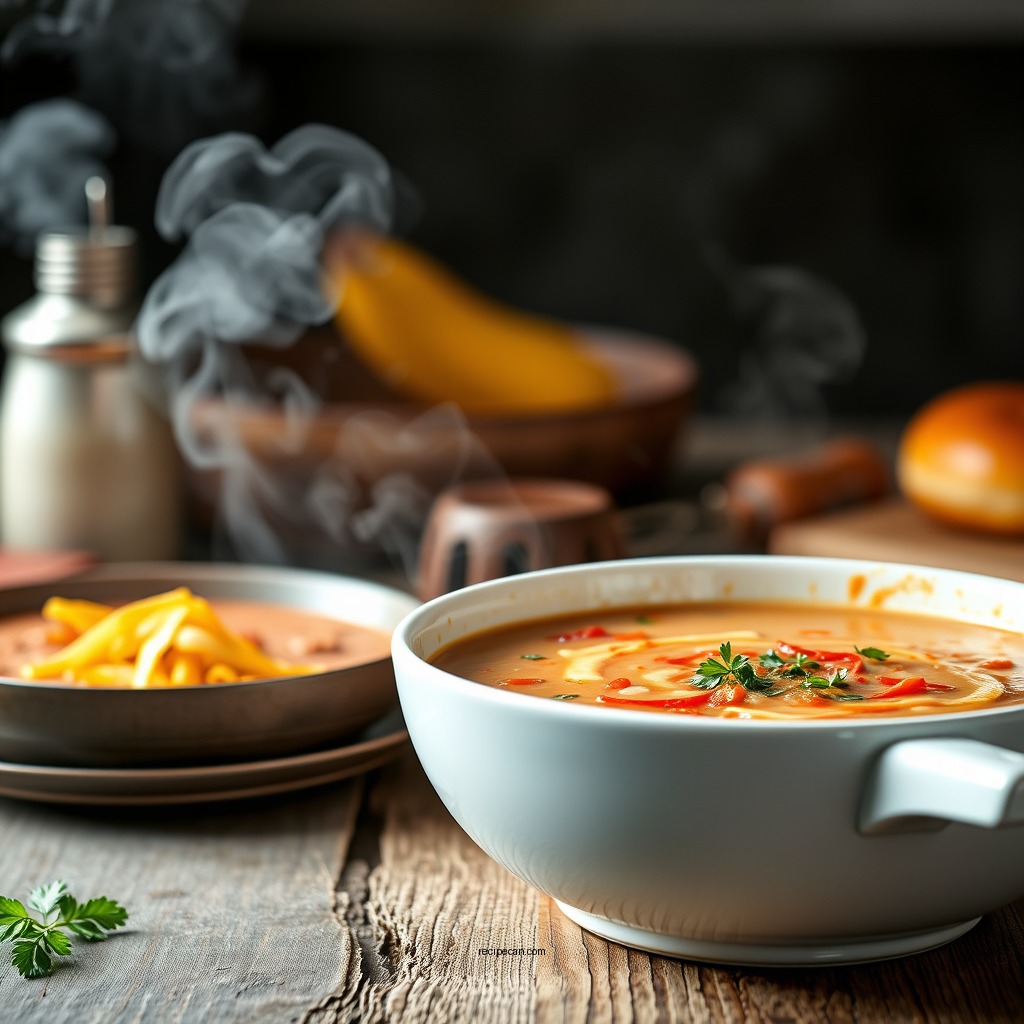
One-pot soup recipes are a fantastic solution for anyone looking to whip up a hearty meal in minimal time. These recipes not only save you time but also reduce the hassle of cleaning multiple pots and pans. Whether you’re a busy professional or a parent juggling various responsibilities, easy one-pot soups can be prepared quickly, allowing you to enjoy a nutritious and flavorful meal with ease.
Making a delicious soup in just one pot means you can focus on the flavors and ingredients that matter most to you. From comforting classics to vibrant vegetarian options, these recipes can cater to various dietary preferences while ensuring delightful taste. Let’s explore the benefits, essential ingredients, and some mouth-watering recipes that will make your dinner preparation a breeze.
Benefits of One-Pot Soups
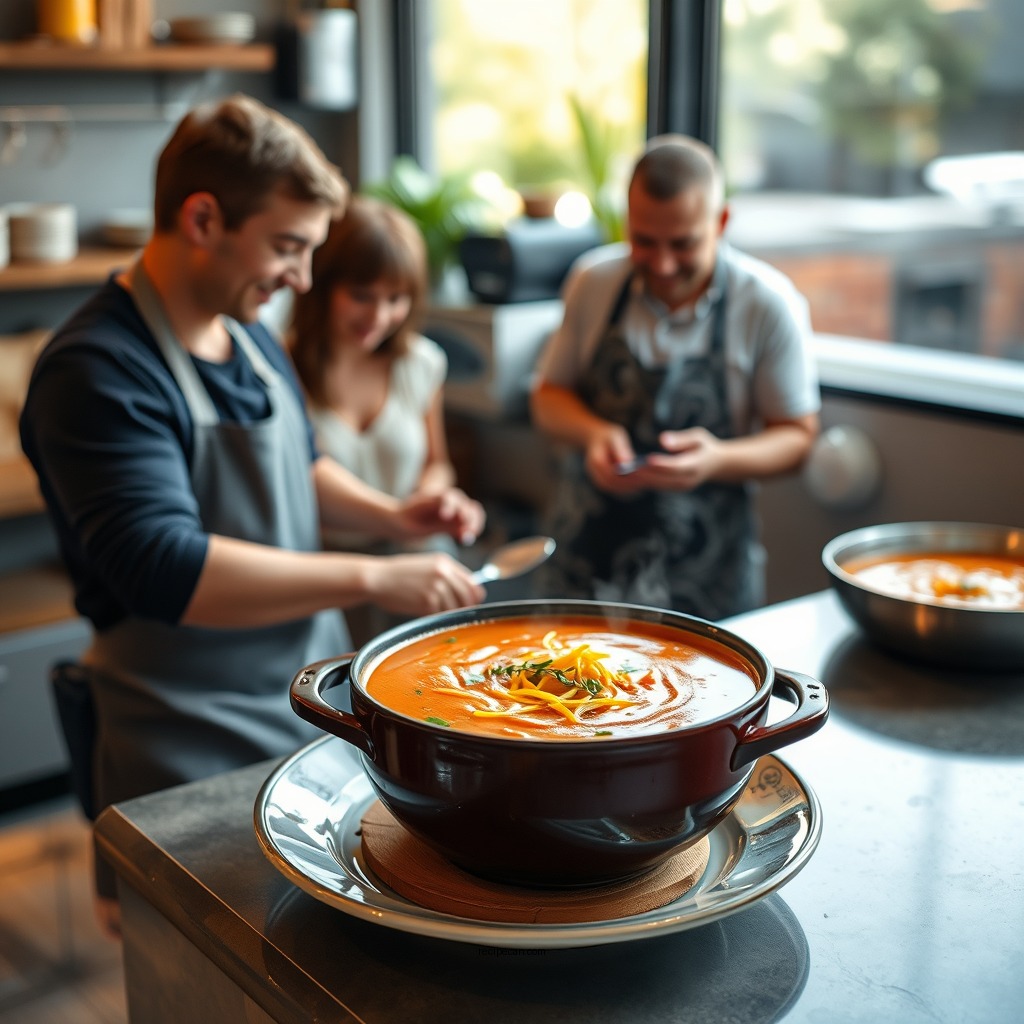
One-pot soups offer a multitude of advantages that make them an appealing choice for quick meals:
– Quick Preparation and Cooking Time: One-pot soups often require less than an hour from prep to table. Most of the time, the ingredients can be chopped and added in quick succession, allowing for a streamlined cooking process.
– Minimal Cleanup Required: Cooking everything in a single pot means fewer dishes to wash afterward. This is especially beneficial for those who dislike spending extra time on kitchen cleanup.
– Versatile Ingredients: One-pot soups can be easily adapted to include whatever ingredients you have on hand. This versatility allows for personal customization, whether you’re accommodating specific dietary needs or simply using up leftover vegetables.
Essential Ingredients for One-Pot Soups
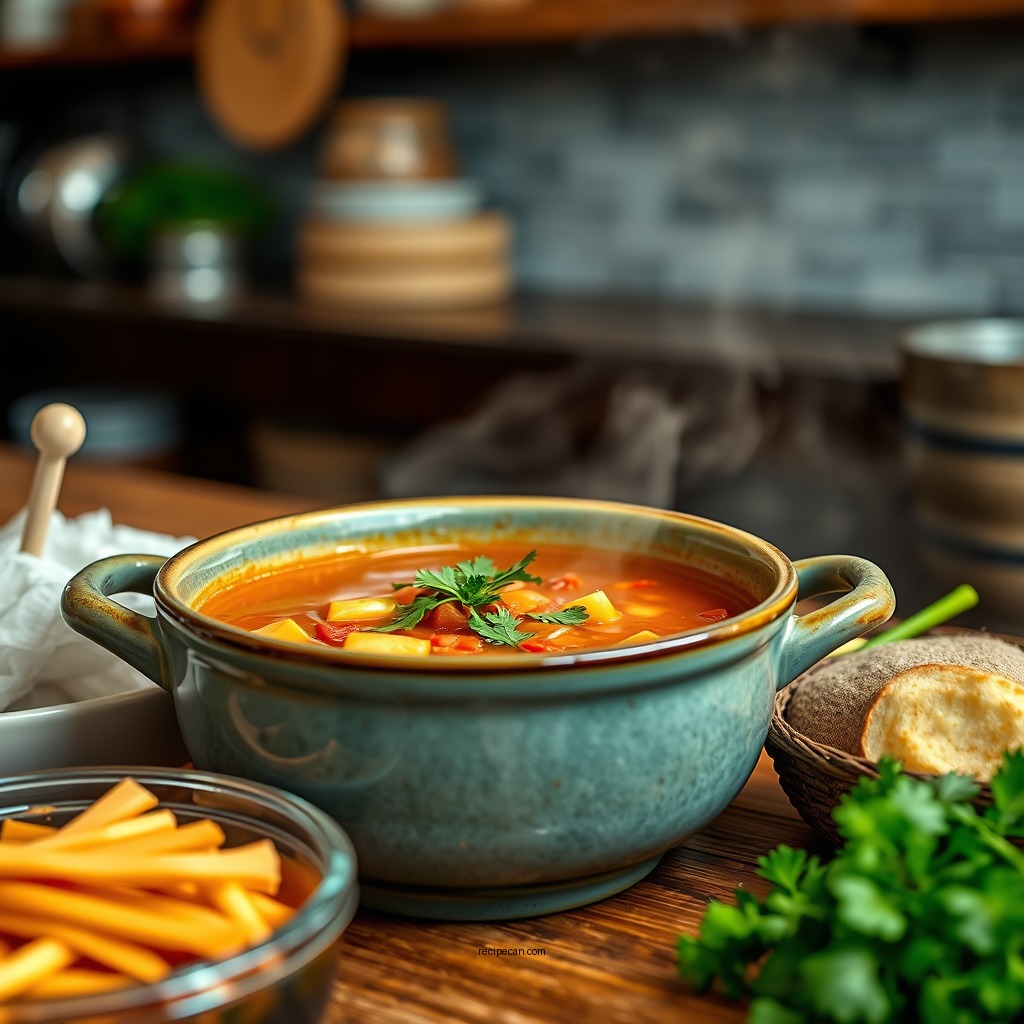
Creating a fantastic one-pot soup starts with understanding the essential ingredients that bring flavor and nutrition together:
– Broths and Stocks: The foundation of any good soup is a flavorful broth or stock. Homemade or store-bought, these liquids add depth and character to the soup. Choose low-sodium options for healthier meals.
– Vegetables: Fresh vegetables not only enhance the soup’s flavor but also contribute essential vitamins and minerals. Carrots, celery, onions, and tomatoes are common staples, but feel free to include seasonal vegetables for variety.
– Proteins: Incorporating protein-rich ingredients such as beans, lentils, chicken, or tofu ensures the soup is filling and balanced. Choose proteins based on dietary preferences, and consider pre-cooked options for quicker meals.
Top One-Pot Soup Recipes to Try
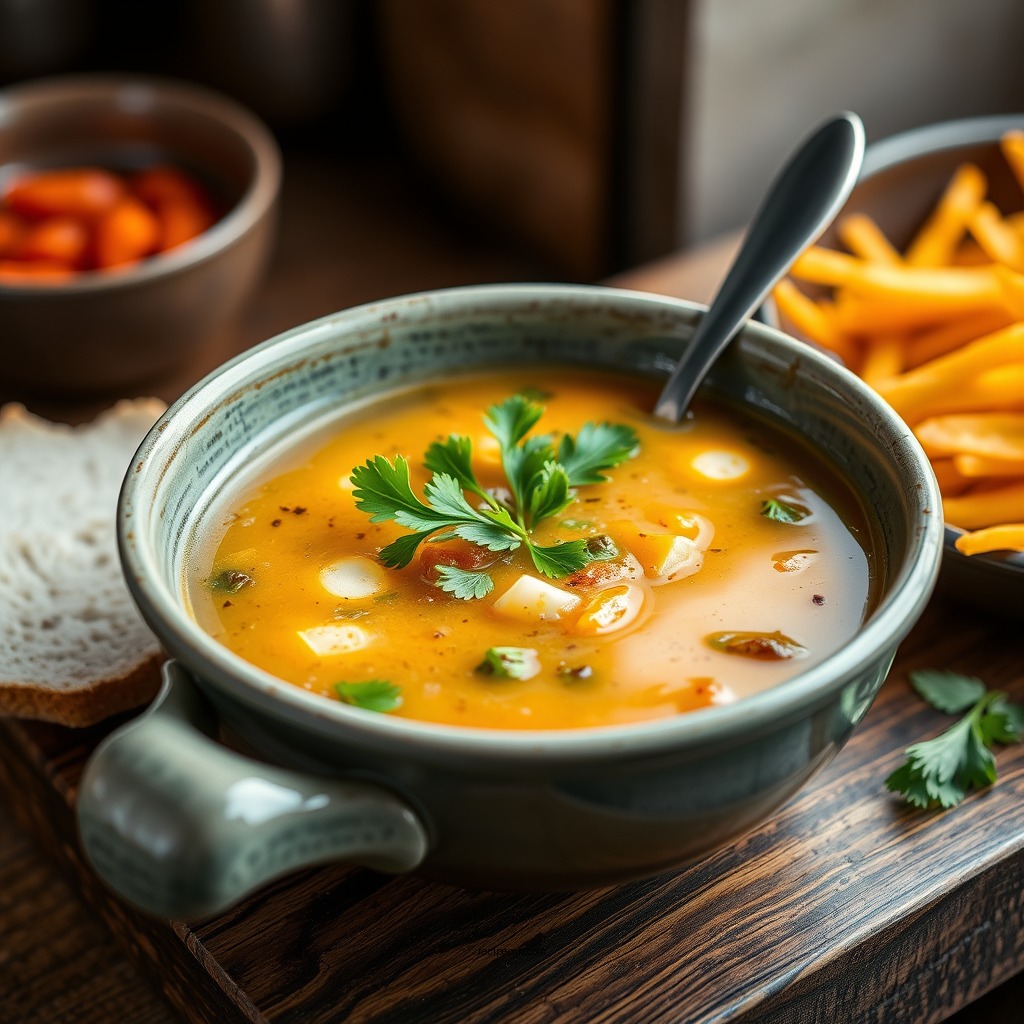
Here are three delicious one-pot soup recipes that are easy to prepare and packed with flavor:
– Classic Chicken Noodle Soup: A comforting favorite, this recipe combines tender chicken, egg noodles, and a medley of vegetables simmered in a savory broth. It’s perfect for chilly evenings and can be made in under 30 minutes.
– Hearty Vegetable Lentil Soup: This nutritious vegetarian option is loaded with lentils, carrots, kale, and tomatoes. It’s not only filling but also rich in protein and fiber, making it a great choice for meatless meals.
– Spicy Tomato Basil Soup: This quick and zesty soup features ripe tomatoes and fresh basil, offering a vibrant flavor profile. Pair it with a grilled cheese sandwich for a classic comfort food experience.
Top 7 Ingredients for One-Pot Soups (2024)
| # | Ingredient | Nutritional Value (per serving) | Cooking Time (minutes) | Popularity Rating |
|---|---|---|---|---|
| 1 | Chicken | 30g Protein | 25 | ★★★★☆ |
| 2 | Lentils | 18g Protein | 30 | ★★★★★ |
| 3 | Tomatoes | 3g Protein | 20 | ★★★★☆ |
| 4 | Carrots | 1g Protein | 15 | ★★★☆☆ |
| 5 | Kale | 2g Protein | 10 | ★★☆☆☆ |
| 6 | Onions | 1g Protein | 5 | ★★☆☆☆ |
| 7 | Tofu | 15g Protein | 20 | ★★★★☆ |
Tips for Perfecting Your One-Pot Soups
To ensure that your one-pot soups turn out perfectly every time, consider the following tips:
– Layer Ingredients Properly: Start by sautéing aromatics like onions and garlic to build flavor. Add denser vegetables and proteins first, followed by lighter ingredients such as leafy greens or noodles, which require less cooking time.
– Season As You Go: Adding salt and spices in layers rather than all at once allows the flavors to develop more fully. Taste the soup as it cooks to adjust seasoning to your liking.
– Adjust Cooking Times: The size and type of ingredients will affect cooking times. Ensure that denser vegetables are cut into smaller pieces to ensure even cooking and tenderness.
Cooking Time for Popular One-Pot Soups (in minutes)
Storage and Reheating Tips
To keep your one-pot soups fresh and delicious, follow these storage and reheating tips:
– Refrigerate Leftovers Promptly: Store any leftover soup in airtight containers in the refrigerator to maintain freshness. Consume within 3-4 days for optimal quality.
– Freeze Soups for Longer Storage: Many soups freeze well. Portion them into freezer-safe containers, leaving space for expansion, and reheat when you need a quick meal.
– Reheat Gently: When reheating, do so slowly on the stove or in the microwave. Add a splash of broth or water if the soup has thickened during storage to restore its desired consistency.
Variations and Customization Ideas
One-pot soups offer endless possibilities for variations and customization:
– Experiment with Different Herbs and Spices: Fresh herbs like parsley, thyme, or cilantro can elevate the flavor profile of your soup. Experiment with spices such as cumin, paprika, or chili flakes for added warmth.
– Substitute Proteins or Grains: If a recipe calls for chicken, try swapping it for turkey or a plant-based protein like chickpeas. Similarly, you can replace grains like rice with quinoa or barley depending on your preference.
– Incorporate Seasonal Vegetables: Use seasonal produce to keep your soups fresh and exciting. For example, in the summer, add zucchini and corn, while in the winter, root vegetables like squash and sweet potatoes work wonderfully.
One-pot soups are an excellent way to enjoy a nutritious and satisfying meal without the hassle of extensive cooking or cleanup. With these easy recipes and tips, you can whip up delicious soups in no time. Start experimenting with your favorite ingredients today and enjoy the comfort and convenience of one-pot cooking!
Frequently Asked Questions
What are some easy one-pot soup recipes for beginners?
Easy one-pot soup recipes for beginners include classic options like vegetable soup, chicken noodle soup, and lentil soup. These recipes usually require minimal ingredients and cooking skills, making them perfect for those new to cooking. Simply sauté your vegetables, add broth and protein, and let it simmer for a comforting meal.
How can I make my one-pot soup recipes more flavorful?
To enhance the flavor of your one-pot soup recipes, start by sautéing aromatics like onions, garlic, and carrots in olive oil before adding other ingredients. Incorporating herbs and spices, such as thyme, bay leaves, or cumin, can also elevate the taste. Additionally, using homemade stock instead of water can significantly improve the depth of flavor.
Why are one-pot soup recipes a great choice for meal prep?
One-pot soup recipes are ideal for meal prep because they are easy to make in large batches and can be stored in the refrigerator or freezer for later use. They often taste even better the next day as the flavors meld together. Plus, they offer a nutritious, hearty meal option that requires minimal clean-up and effort.
What are the best ingredients for healthy one-pot soup recipes?
The best ingredients for healthy one-pot soup recipes include a variety of vegetables, lean proteins like chicken or beans, and whole grains such as quinoa or brown rice. Incorporating leafy greens like spinach or kale can boost the nutritional value, while using low-sodium broth helps control sodium intake. Opting for fresh herbs instead of salt can also enhance flavor without adding extra calories.
Which kitchen tools do I need to make one-pot soup recipes efficiently?
To make one-pot soup recipes efficiently, you’ll need a large pot or Dutch oven for even cooking. A good-quality cutting board and sharp knife are essential for prepping your ingredients quickly. Additionally, having measuring cups, spoons, and a ladle will help you accurately portion your soup and serve it with ease.
References
- Soup
https://en.wikipedia.org/wiki/Soup - https://www.mayoclinic.org/healthy-lifestyle/nutrition-and-healthy-eating/in-depth/soups/art-20046089
https://www.mayoclinic.org/healthy-lifestyle/nutrition-and-healthy-eating/in-depth/soups/art-20046089 - https://www.ncbi.nlm.nih.gov/pmc/articles/PMC6118379/
https://www.ncbi.nlm.nih.gov/pmc/articles/PMC6118379/ - https://www.cdc.gov/nutrition/resources-publications/index.html
https://www.cdc.gov/nutrition/resources-publications/index.html - https://www.nytimes.com/2021/01/06/dining/soup-recipes.html
https://www.nytimes.com/2021/01/06/dining/soup-recipes.html - https://www.bbcgoodfood.com/recipes/collection/one-pot-soups
https://www.bbcgoodfood.com/recipes/collection/one-pot-soups - https://www.sciencedirect.com/topics/food-science/soup
https://www.sciencedirect.com/topics/food-science/soup - Google Scholar Google Scholar
https://scholar.google.com/scholar?q=one-pot+soup+recipes - Google Scholar Google Scholar
https://scholar.google.com/scholar?q=soup+nutritional+benefits - Google Scholar Google Scholar
https://scholar.google.com/scholar?q=one-pot+cooking+health+benefits
