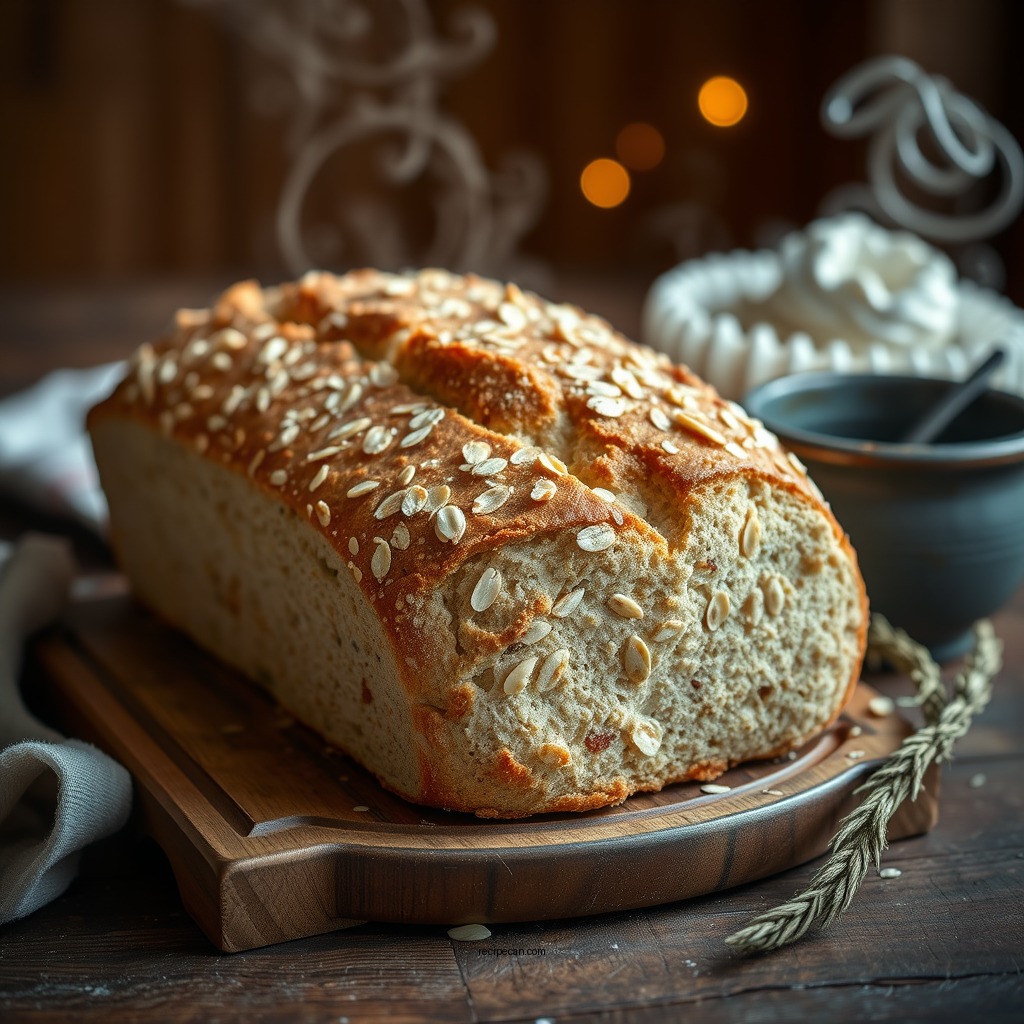
The easiest way to make oat flour bread is by combining simple ingredients, baking them into a dough, and letting it rise. This recipe yields a soft, nutritious loaf that’s perfect for sandwiches or toast. In this article, you’ll discover how to make oat flour bread, tips for achieving the best texture, and variations to customize your loaf.
Ingredients You’ll Need
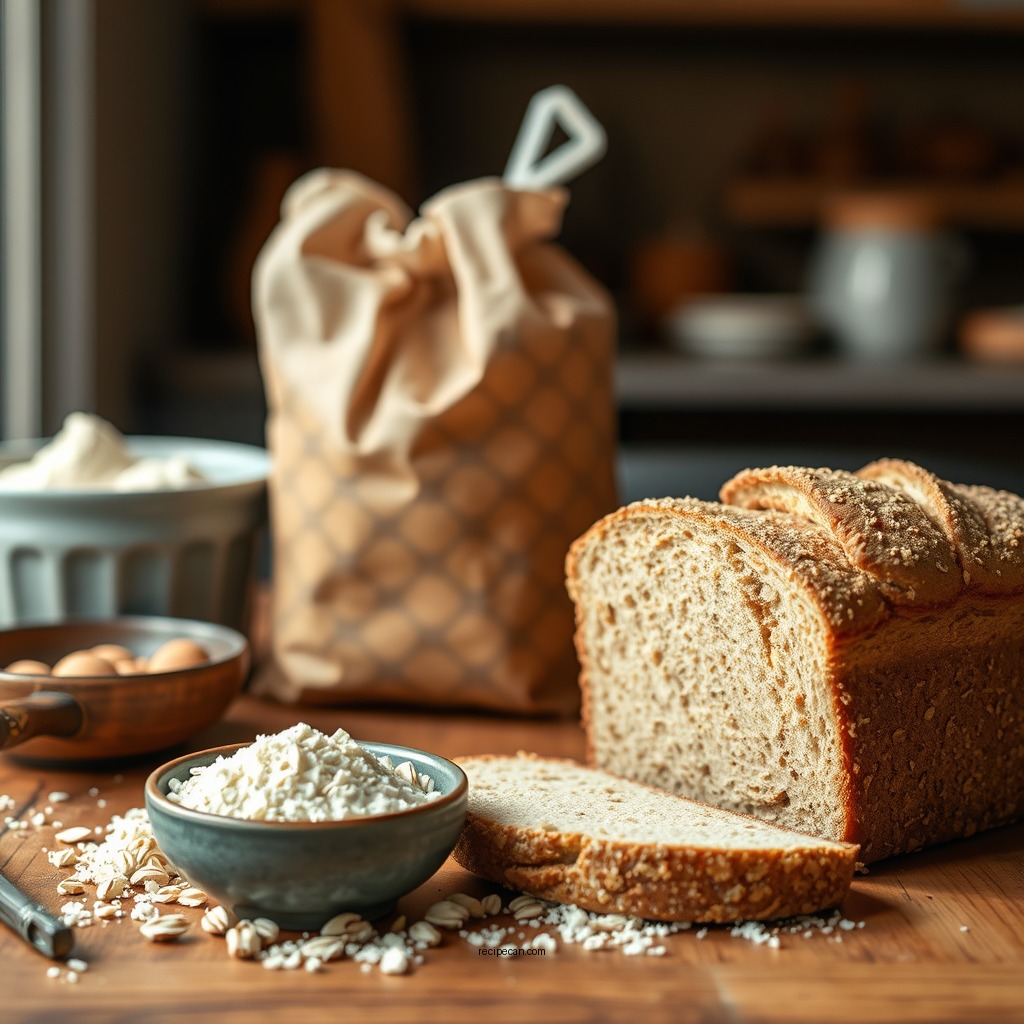
To create your oat flour bread, you will need the following ingredients:
– 2 cups of oat flour: This can be store-bought or homemade by grinding rolled oats in a blender until fine.
– 1 cup of warm water: The warmth activates the yeast, which is crucial for the dough to rise.
– 2 tablespoons of honey or maple syrup: This acts as a natural sweetener and helps to nourish the yeast.
– 1 tablespoon of active dry yeast: The leavening agent that makes the bread fluffy and light.
– 1 teaspoon of salt: Enhances flavor and controls yeast activity.
These ingredients not only contribute to the flavor and texture of the bread but also ensure that it remains nutritious. Oat flour is gluten-free, high in fiber, and contains essential vitamins and minerals, making it an excellent alternative for those with gluten sensitivities.
Step-by-Step Instructions

Making oat flour bread is straightforward and requires minimal effort. Follow these detailed steps to ensure your bread turns out perfectly every time:
1. Combine warm water and yeast: In a small bowl, mix the warm water and active dry yeast. Allow it to sit for 5-10 minutes until it becomes frothy. This indicates that the yeast is active and ready to use.
2. Mix dry ingredients: In a large mixing bowl, combine the oat flour, salt, and your chosen sweetener (honey or maple syrup). Stir well to ensure the salt and sweetener are evenly distributed throughout the flour.
3. Combine wet and dry ingredients: Once the yeast mixture is frothy, pour it into the bowl with the dry ingredients. Mix until a dough begins to form. You may need to use your hands to bring the mixture together fully.
Kneading and Rising Process
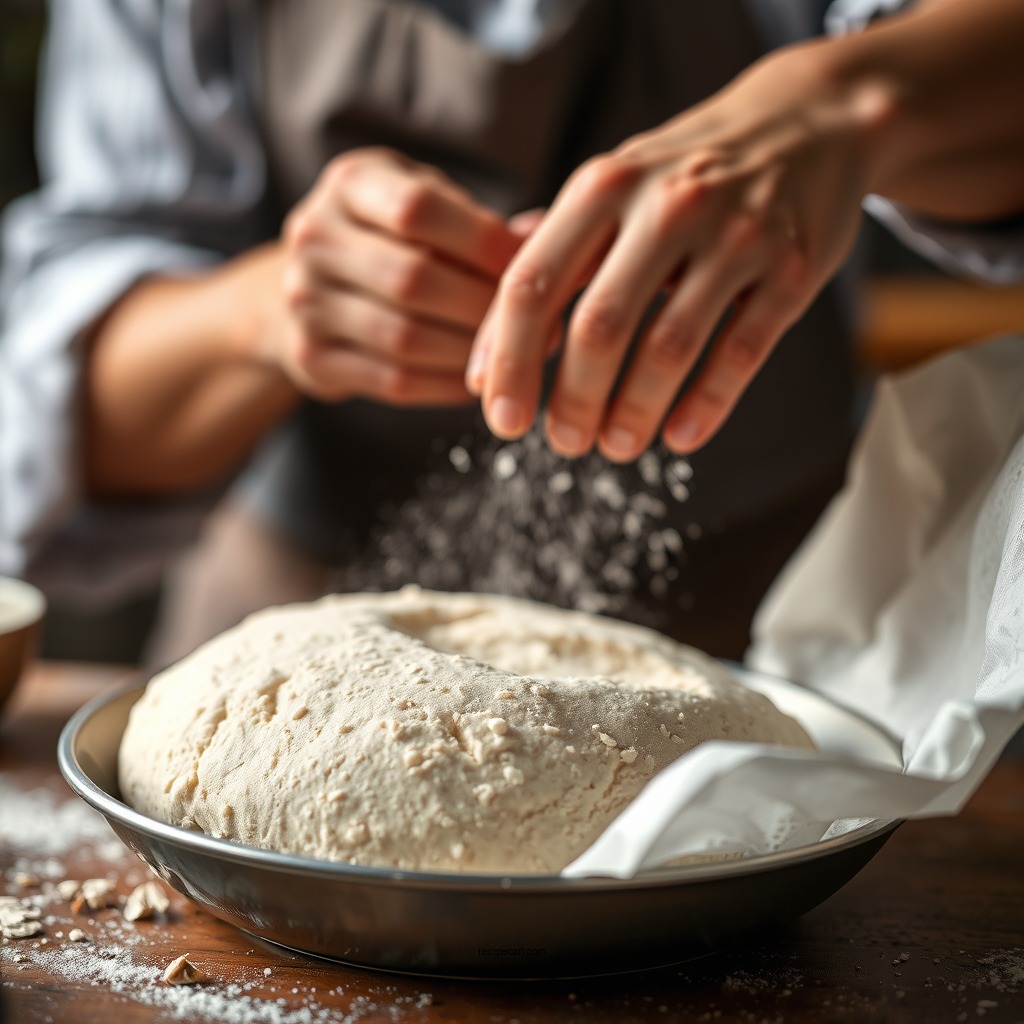
After combining the ingredients, the next steps are crucial for achieving the right texture:
– Knead the dough: Transfer the dough onto a lightly floured surface. Knead it for about 5-10 minutes until it becomes smooth and elastic. If the dough is too sticky, sprinkle a little more oat flour as needed.
– First rise: Place the kneaded dough into a greased bowl. Cover it with a clean kitchen towel or plastic wrap and let it rise in a warm area for 1-2 hours, or until it has doubled in size. This rising period is essential for developing the bread’s structure and flavor.
Baking Your Oat Flour Bread
Once your dough has risen, it’s time to bake!
1. Preheat your oven: Set your oven to 375°F (190°C) to ensure it’s hot enough to create a crispy crust.
2. Shape the dough: Gently punch down the risen dough to release air bubbles. Shape it into a loaf and place it in a greased bread pan. Ensure the dough fits well in the pan for even baking.
3. Second rise: Cover the loaf again and let it rise for another 30 minutes in a warm location. This final rise will contribute to the lightness of the bread.
4. Bake: Place the loaf in the oven and bake for 30-35 minutes, or until the top is golden brown and the bread sounds hollow when tapped on the bottom.
5. Cool: Allow the bread to cool in the pan for about 10 minutes before transferring it to a wire rack to cool completely.
Tips for Perfecting Your Bread
– Use fresh oat flour: Ensure that the oat flour is fresh for the best flavor and texture. Store it in an airtight container to maintain its quality.
– Experiment with add-ins: Consider adding seeds (like chia or flaxseed) or nuts (such as walnuts or pecans) to enhance the nutrition and add a delightful crunch to your loaf.
– Check your yeast: Always ensure your yeast is active by testing it in warm water before mixing it with the flour.
– Monitor the baking time: Ovens can vary, so keep an eye on your bread during the last few minutes of baking to avoid over-browning.
Nutritional Breakdown of Oat Flour Bread (per slice)
| # | Nutrient | Amount per Slice | % Daily Value |
|---|---|---|---|
| 1 | Calories | 110 | 5% |
| 2 | Protein | 4g | 8% |
| 3 | Total Fat | 2g | 3% |
| 4 | Carbohydrates | 20g | 7% |
| 5 | Fiber | 3g | 12% |
| 6 | Sugars | 1g | 2% |
| 7 | Sodium | 180mg | 8% |
| 8 | Calcium | 20mg | 2% |
| 9 | Iron | 1mg | 6% |
| 10 | Vitamin B6 | 0.1mg | 5% |
Baking Time and Texture Comparison for Oat Flour Bread
Storing and Serving Suggestions
Proper storage and serving can enhance your oat flour bread experience:
– Storage: Keep the bread in an airtight container at room temperature for up to 3 days. For longer storage, consider freezing the loaf. Wrap it tightly in plastic wrap and then place it in a freezer-safe bag. It can last for up to three months in the freezer. To serve, simply thaw at room temperature or toast slices directly from the freezer.
– Serving suggestions: This oat flour bread is versatile and can be served in various ways. Enjoy it toasted with butter or your favorite spreads like avocado, almond butter, or jam. It also makes an excellent base for sandwiches, whether you’re using it for a classic turkey and cheese or a hearty veggie sandwich.
Incorporating this bread into your meals can add nutritional value and delicious flavor, making it a staple in your kitchen.
Enjoy your homemade oat flour bread that not only tastes great but is also packed with nutrients! This simple recipe will become a staple in your kitchen, so why not try it today? By following these steps and tips, you can create a loaf that not only satisfies your taste buds but also supports a healthier lifestyle.
Frequently Asked Questions
What are the key ingredients for an oat flour bread recipe?
The key ingredients for an oat flour bread recipe typically include oat flour, water, yeast, salt, and a sweetener like honey or maple syrup. You can also add ingredients like olive oil for moisture and flavor, or seeds and nuts for added texture and nutrition. Using certified gluten-free oat flour ensures the bread is suitable for those with gluten sensitivities.
How do I make oat flour from whole oats for my bread?
To make oat flour from whole oats, simply place rolled or steel-cut oats in a high-speed blender or food processor and blend until a fine powder forms. This process usually takes about 30 seconds to a minute. Store any leftover oat flour in an airtight container to maintain freshness, making it a convenient option for future baking.
Why is oat flour a good choice for making bread?
Oat flour is a nutritious alternative to traditional wheat flour, as it is high in fiber, protein, and essential nutrients. It offers a slightly sweet, nutty flavor that enhances the taste of bread while also being gluten-free when made from certified oats, making it ideal for those with gluten intolerance or celiac disease. Additionally, it provides a moist texture that can improve the overall quality of your bread.
What is the best way to store oat flour bread to keep it fresh?
The best way to store oat flour bread is to let it cool completely, then wrap it tightly in plastic wrap or aluminum foil, followed by placing it in an airtight container. For longer storage, you can freeze slices of the bread, which allows you to enjoy fresh-tasting oat flour bread even weeks later. Remember to thaw slices at room temperature or toast them directly from the freezer for a quick snack.
Which baking tips can improve the texture of my oat flour bread?
To improve the texture of your oat flour bread, consider adding a binding agent such as xanthan gum or psyllium husk, which helps mimic the elasticity of gluten. Additionally, allowing the dough to rest for 10-15 minutes before baking can enhance its structure. Experimenting with hydration levels by adjusting the amount of water can also yield a lighter, fluffier bread.
References
- Oat
https://en.wikipedia.org/wiki/Oat_flour - https://www.ncbi.nlm.nih.gov/pmc/articles/PMC6538137/
https://www.ncbi.nlm.nih.gov/pmc/articles/PMC6538137/ - https://pubmed.ncbi.nlm.nih.gov/26006966/
https://pubmed.ncbi.nlm.nih.gov/26006966/ - https://www.sciencedirect.com/topics/food-science/oat-flour
https://www.sciencedirect.com/topics/food-science/oat-flour - Oat flour | food | Britannica
https://www.britannica.com/topic/oat-flour - Cholesterol ratio or non-HDL cholesterol: Which is most important? – Mayo Clinic
https://www.mayoclinic.org/healthy-lifestyle/nutrition-and-healthy-eating/expert-answers/oat-flour/faq-20058006 - https://www.ncbi.nlm.nih.gov/pmc/articles/PMC6390610/
https://www.ncbi.nlm.nih.gov/pmc/articles/PMC6390610/ - Google Scholar Google Scholar
https://scholar.google.com/scholar?q=oat+flour+bread+recipe - Google Scholar Google Scholar
https://scholar.google.com/scholar?q=oat+flour+health+benefits - Google Scholar Google Scholar
https://scholar.google.com/scholar?q=oat+flour+nutrition+profile