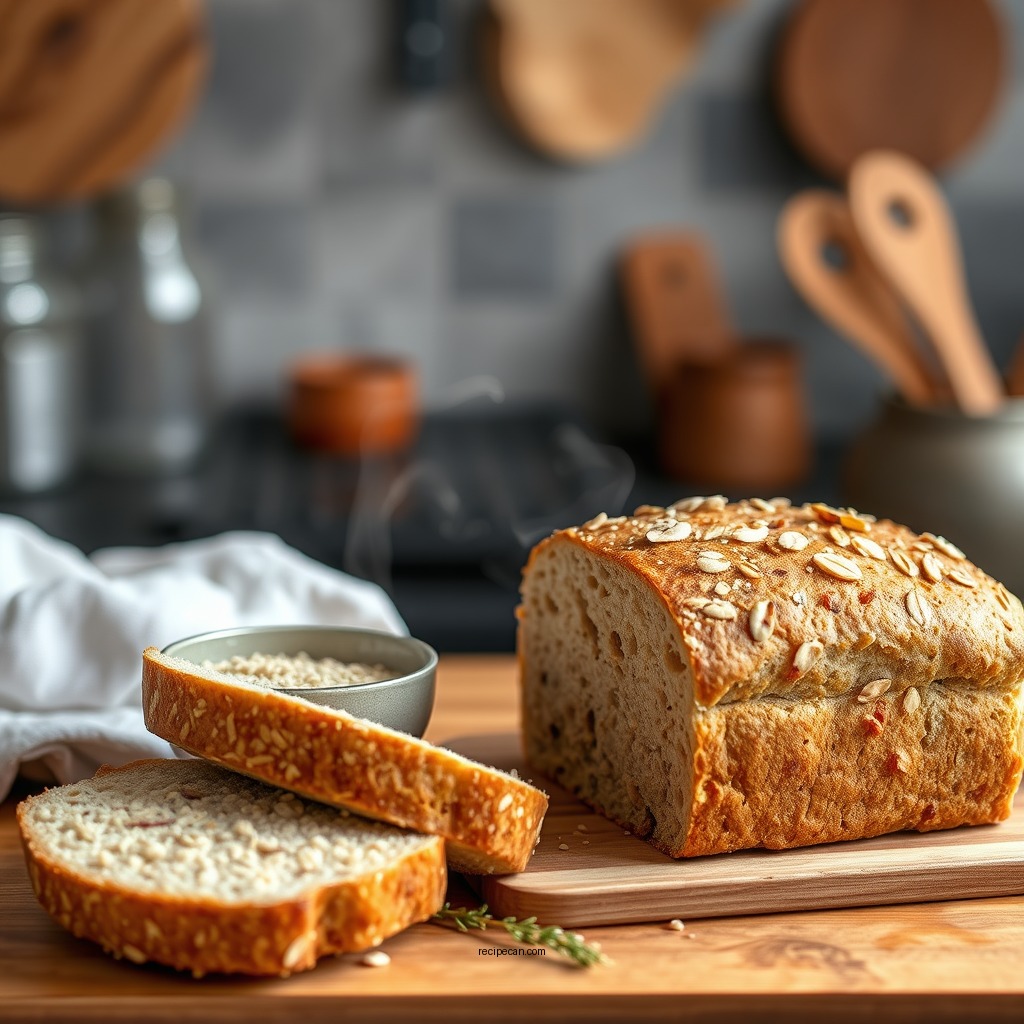
Making oat bread at home is simple and rewarding, and with this easy recipe, you can enjoy a delicious loaf in no time. You’ll learn how to create a moist, hearty bread using oats that is perfect for sandwiches or toast. Get ready to impress your family and friends with your baking skills!
Ingredients You’ll Need
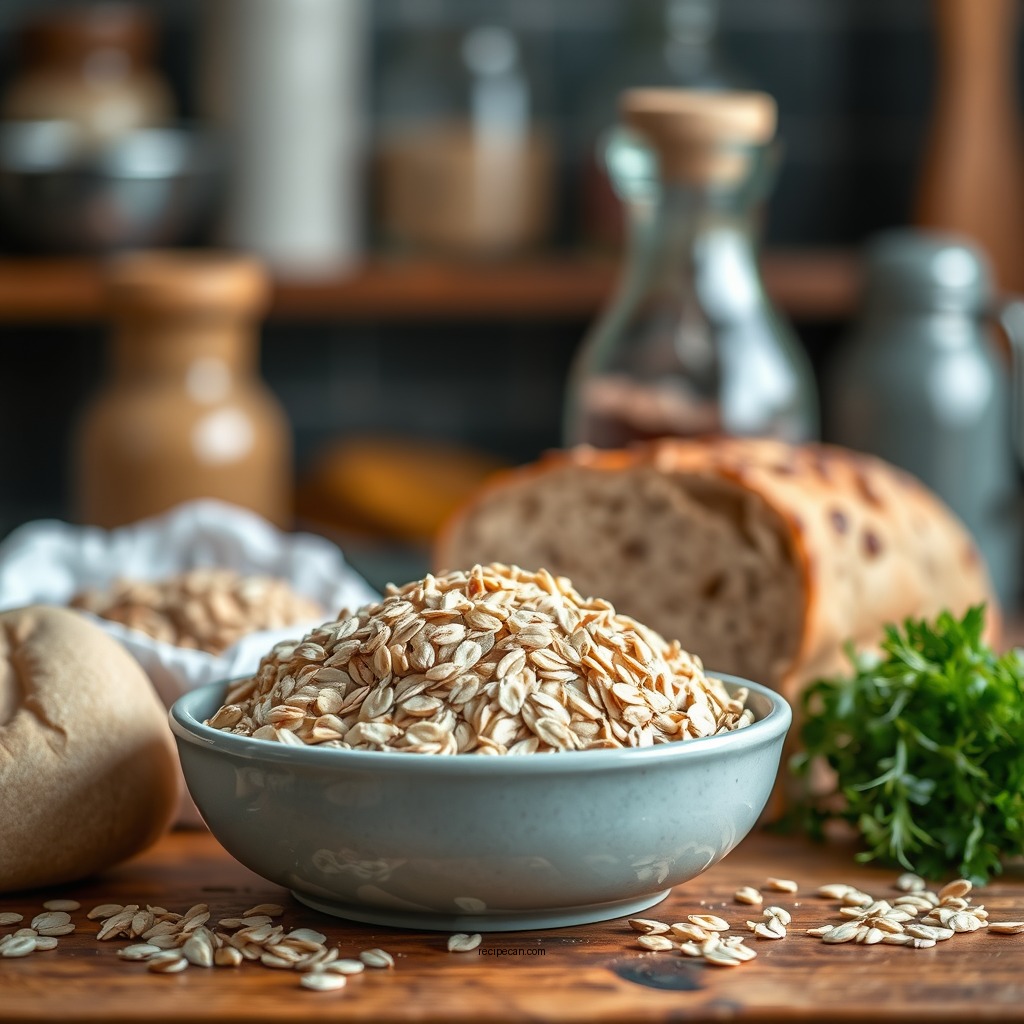
To create a delightful oat bread, you will need a few essential ingredients that are typically found in most kitchens. Here’s a breakdown of what you’ll need:
– Rolled Oats or Oat Flour: These provide the primary structure and flavor of the bread. Using rolled oats will give a rustic texture, while oat flour will create a smoother crumb.
– Yeast: Essential for the fermentation process, yeast helps the bread rise, leading to a light and airy texture. Active dry yeast or instant yeast works well for this recipe.
– Water: Warm water activates the yeast and hydrates the dry ingredients, ensuring the dough comes together properly.
– Salt: Enhances flavor and strengthens the gluten structure in the dough.
– Optional Ingredients: You may include honey or maple syrup for sweetness, nuts and seeds for added crunch, or spices like cinnamon for flavor enhancement.
Step-by-Step Preparation

Creating oat bread involves a few straightforward steps that ensure a successful outcome. Follow these instructions carefully to achieve the best results:
1. Mix the Dry Ingredients: In a large mixing bowl, combine 2 cups of rolled oats or oat flour, 1 packet of yeast (about 2¼ teaspoons), and 1 teaspoon of salt. Mix these dry ingredients thoroughly to ensure the yeast is evenly distributed throughout.
2. Add Warm Water: Gradually pour in 1¾ cups of warm water (about 110°F or 43°C) while stirring the mixture with a wooden spoon or spatula. Continue mixing until a dough begins to form. The dough should be slightly sticky but manageable.
3. Knead the Dough: Transfer the dough onto a lightly floured surface and knead for about 10 minutes. This process develops the gluten, which is crucial for the bread’s texture. Knead until the dough is smooth and elastic, bouncing back when pressed gently.
Rising and Shaping the Dough
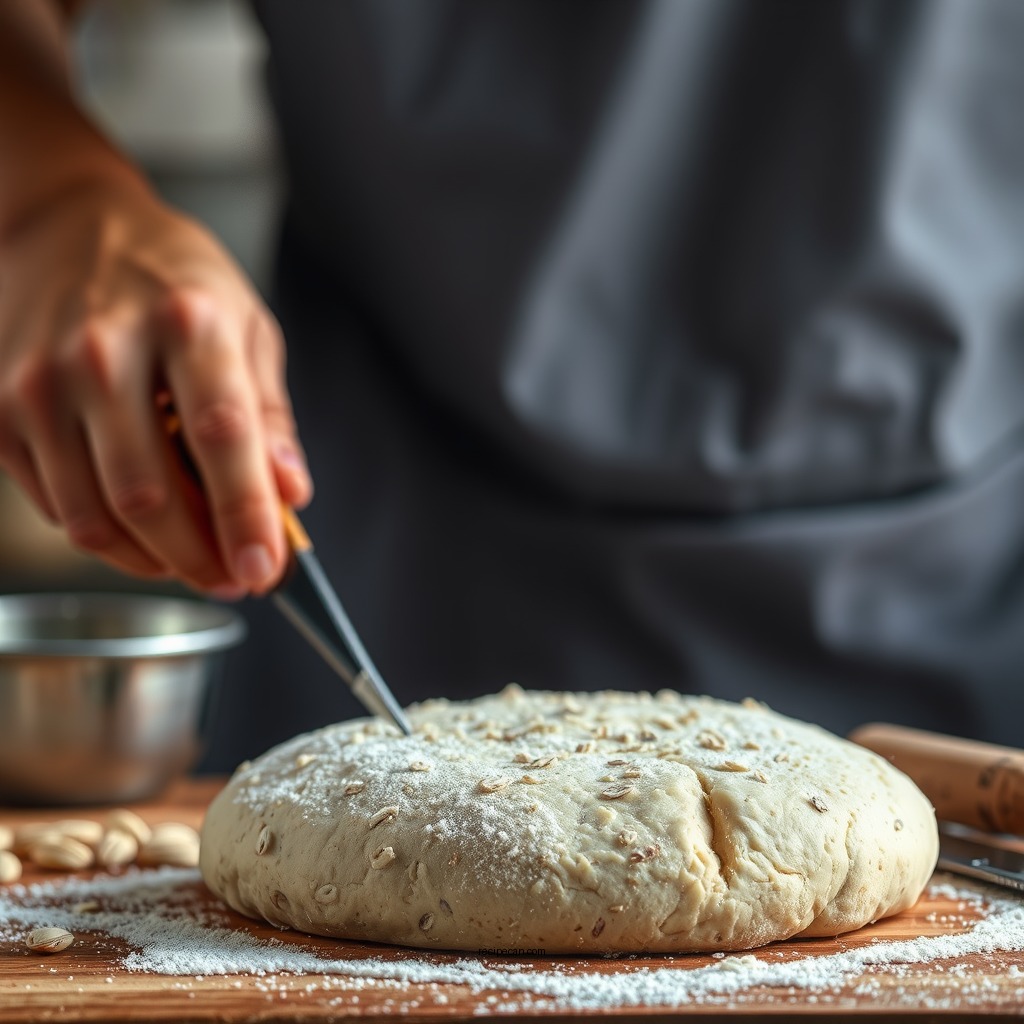
Allowing the dough to rise is a critical step that enhances its flavor and texture. Here’s how to achieve the perfect rise:
1. First Rise: Place the kneaded dough in a lightly greased bowl, cover it with a clean kitchen towel or plastic wrap, and let it rise in a warm, draft-free area for about 1 to 2 hours. The dough should double in size.
2. Shape the Dough: Once the dough has risen, gently punch it down to release excess air. Turn the dough onto a floured surface and shape it into a loaf or divide it into smaller pieces for rolls.
3. Second Rise: Place the shaped dough into a greased loaf pan or on a baking tray. Cover it loosely and allow it to rise again for about 30 minutes, or until it puffs up noticeably.
Baking Your Oat Bread
Baking the bread is the final step, and it’s essential to ensure a perfect crust and crumb. Follow these steps:
1. Preheat the Oven: Preheat your oven to 375°F (190°C) to create an optimal environment for baking.
2. Bake the Bread: Once the oven is ready, place your dough in the oven and bake for 30-35 minutes. The bread is done when it turns a golden brown and sounds hollow when tapped on the bottom.
3. Check for Doneness: For accuracy, you may use an instant-read thermometer to check the internal temperature, which should reach approximately 190°F (88°C) for perfectly baked bread.
Storage Tips for Freshness
To maintain the freshness and quality of your oat bread, consider the following storage tips:
– Cooling: Allow the bread to cool completely on a wire rack before slicing. This prevents condensation from forming, which can make the bread soggy.
– Airtight Storage: Store the cooled bread in an airtight container at room temperature for up to 3 days. For longer preservation, freeze the bread.
– Freezing Tips: If freezing, slice the bread beforehand. This allows you to toast slices directly from the freezer, providing convenience and reducing waste.
Variations and Add-Ins
One of the joys of making oat bread is its versatility. Here are some ideas for variations and add-ins you can experiment with:
– Types of Oats: You can substitute rolled oats with steel-cut oats for a chewier texture or use a combination of different oat flours for unique flavors.
– Nuts and Dried Fruits: Incorporate walnuts, almonds, or dried fruits like raisins, cranberries, or apricots for enhanced flavor and texture.
– Spices and Herbs: Adding spices like cinnamon or nutmeg can create a warm, comforting flavor, while fresh herbs such as rosemary or thyme can offer a savory twist.
– Whole Wheat Flour: For a different taste and added nutrition, replace a portion of the oats with whole wheat flour.
Top 7 Ingredients for Oat Bread
| # | Ingredient | Quantity | Nutritional Value (per 100g) |
|---|---|---|---|
| 1 | Rolled Oats | 100g | 389 kcal |
| 2 | Yeast (Active Dry) | 7g | 325 kcal |
| 3 | Water | 200g | 0 kcal |
| 4 | Salt | 5g | 0 kcal |
| 5 | Honey | 20g | 61 kcal |
| 6 | Olive Oil | 30g | 884 kcal |
| 7 | Seeds (Flax or Chia) | 15g | 55 kcal |
Oat Bread Ingredient Contribution
Now that you have all the necessary information, it’s time to embark on your oat bread-making journey. This recipe is not only straightforward but also allows for creativity and customization. With a few simple ingredients, you can produce a nutritious and delicious loaf that everyone will enjoy.
In summary, oat bread is a versatile baking option that can be tailored to your preferences. Its healthy ingredients provide a unique flavor and texture, making it a great addition to various meals. Experiment with different variations, and don’t hesitate to share your experiences or any creative twists you’ve tried in the comments below! Happy baking!
Frequently Asked Questions
What are the essential ingredients for a basic oat bread recipe?
A basic oat bread recipe typically includes rolled oats, whole wheat flour, yeast, water, salt, and a sweetener like honey or sugar. These ingredients work together to create a nutritious and hearty loaf, with oats providing fiber and a unique texture. You can also add seeds or nuts for extra flavor and nutrition.
How do I make oat bread rise properly?
To ensure your oat bread rises properly, it’s important to use fresh yeast and allow it to activate in warm water with sugar before mixing it with the dry ingredients. Additionally, kneading the dough well and providing a warm, draft-free environment for it to rise will help achieve a light and airy loaf. Be sure to let the dough rise until it has doubled in size for the best results.
Why is my oat bread dense and heavy?
A dense and heavy oat bread can result from using too much oat flour compared to all-purpose or bread flour, inadequate kneading, or not allowing the dough enough time to rise. To improve the texture, try using a combination of flours, knead the dough for longer, and ensure you give it sufficient time to expand. Additionally, check that your yeast is fresh to ensure proper leavening.
What is the best way to store homemade oat bread?
The best way to store homemade oat bread is to let it cool completely, then wrap it in plastic wrap or aluminum foil to keep it fresh. You can also store it in an airtight container at room temperature for up to three days. For longer storage, consider freezing slices of oat bread, which can be toasted directly from the freezer.
Which variations can I try to enhance my oat bread recipe?
To enhance your oat bread recipe, consider adding ingredients like seeds (such as sunflower or flaxseed), nuts, or dried fruits for added texture and flavor. You can also experiment with spices like cinnamon or nutmeg, or substitute some of the water with yogurt or milk for a richer taste. These variations can elevate your oat bread, making it even more delicious and nutritious.
References
- Finnish bread
https://en.wikipedia.org/wiki/Oat_bread - https://www.ncbi.nlm.nih.gov/pmc/articles/PMC6467506/
https://www.ncbi.nlm.nih.gov/pmc/articles/PMC6467506/ - https://www.ncbi.nlm.nih.gov/pmc/articles/PMC6983707/
https://www.ncbi.nlm.nih.gov/pmc/articles/PMC6983707/ - https://www.mayoclinic.org/healthy-lifestyle/nutrition-and-healthy-eating/in-depth/oats/art-20045883
https://www.mayoclinic.org/healthy-lifestyle/nutrition-and-healthy-eating/in-depth/oats/art-20045883 - https://www.sciencedirect.com/topics/agricultural-and-biological-sciences/oat-bread
https://www.sciencedirect.com/topics/agricultural-and-biological-sciences/oat-bread - https://www.bbc.com/food/recipes/oatbread_87681
https://www.bbc.com/food/recipes/oatbread_87681 - https://www.theguardian.com/lifeandstyle/2020/apr/05/oat-bread-recipe
https://www.theguardian.com/lifeandstyle/2020/apr/05/oat-bread-recipe - Google Scholar Google Scholar
https://scholar.google.com/scholar?q=oat+bread+recipe - Google Scholar Google Scholar
https://scholar.google.com/scholar?q=oat+bread+health+benefits - Google Scholar Google Scholar
https://scholar.google.com/scholar?q=oat+bread+nutrition
