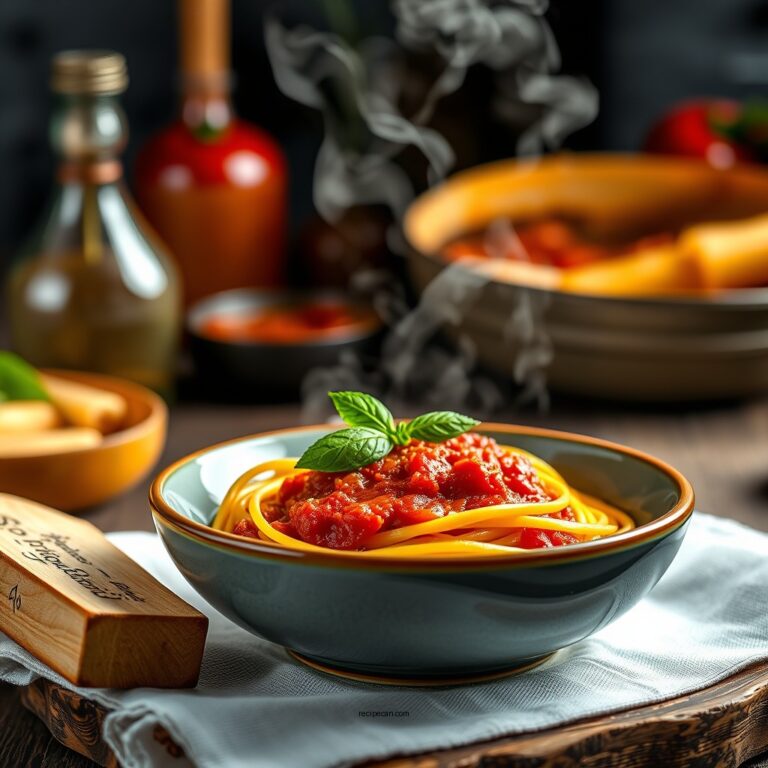
Making a delicious no meat spaghetti sauce is simple and rewarding. In just a few easy steps, you can create a rich and flavorful sauce that’s perfect for pasta night. This recipe is packed with vegetables and herbs, ensuring you enjoy a hearty meal without any meat. Not only is it a lighter option, but it also allows you to incorporate various vegetables, making it a nutritious choice for anyone looking to reduce meat consumption.
Ingredients You’ll Need
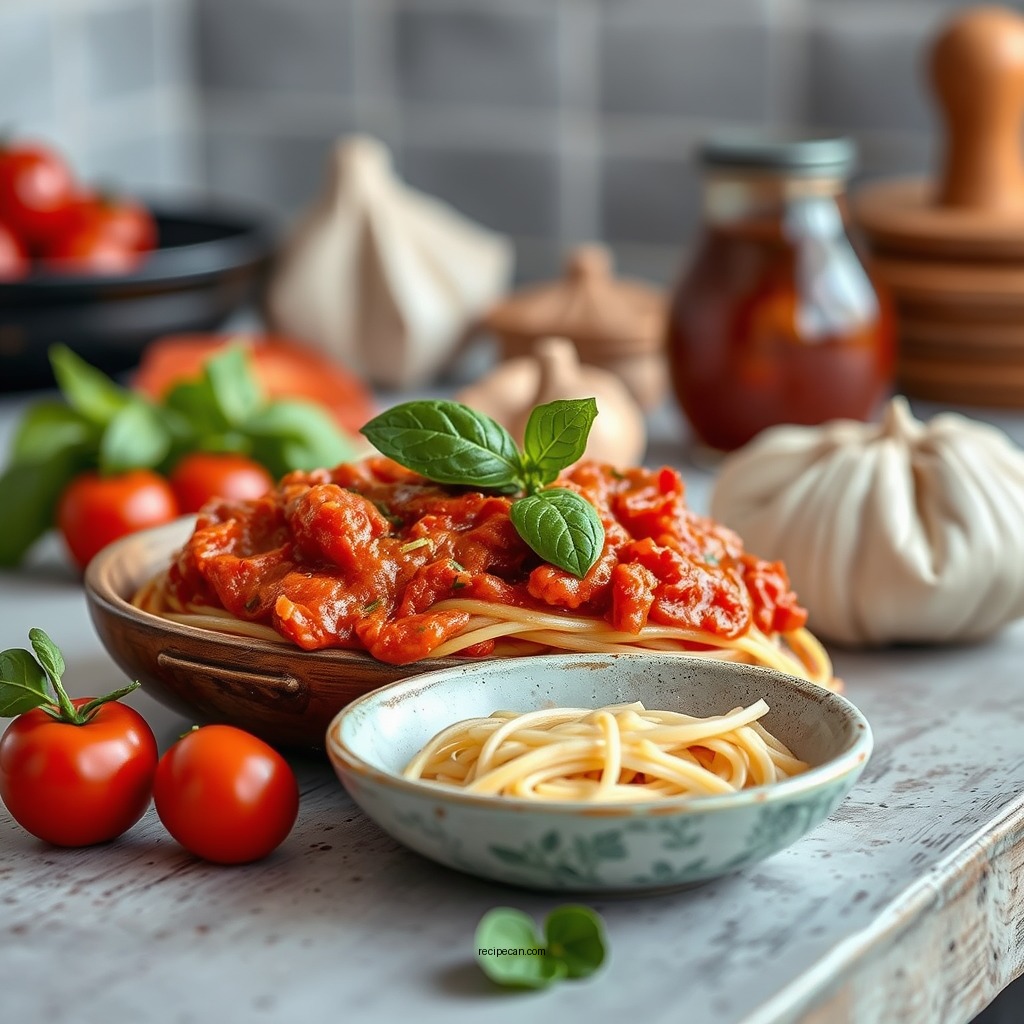
To create a flavorful no meat spaghetti sauce, you’ll need the following ingredients:
– Fresh tomatoes or canned tomatoes: These serve as the base of your sauce. Fresh tomatoes bring a vibrant flavor and texture, while canned tomatoes offer convenience and consistency.
– Olive oil: This is essential for sautéing your vegetables and adds a rich depth of flavor to the sauce.
– Garlic and onions: These aromatics form the foundation of your sauce, providing a savory base that enhances the overall flavor profile.
– Additional vegetables: Feel free to include bell peppers, zucchini, carrots, or any seasonal vegetables you may have on hand.
– Herbs and spices: Fresh basil, oregano, thyme, and a pinch of red pepper flakes can elevate your sauce further, offering warmth and complexity.
Preparing the Vegetables
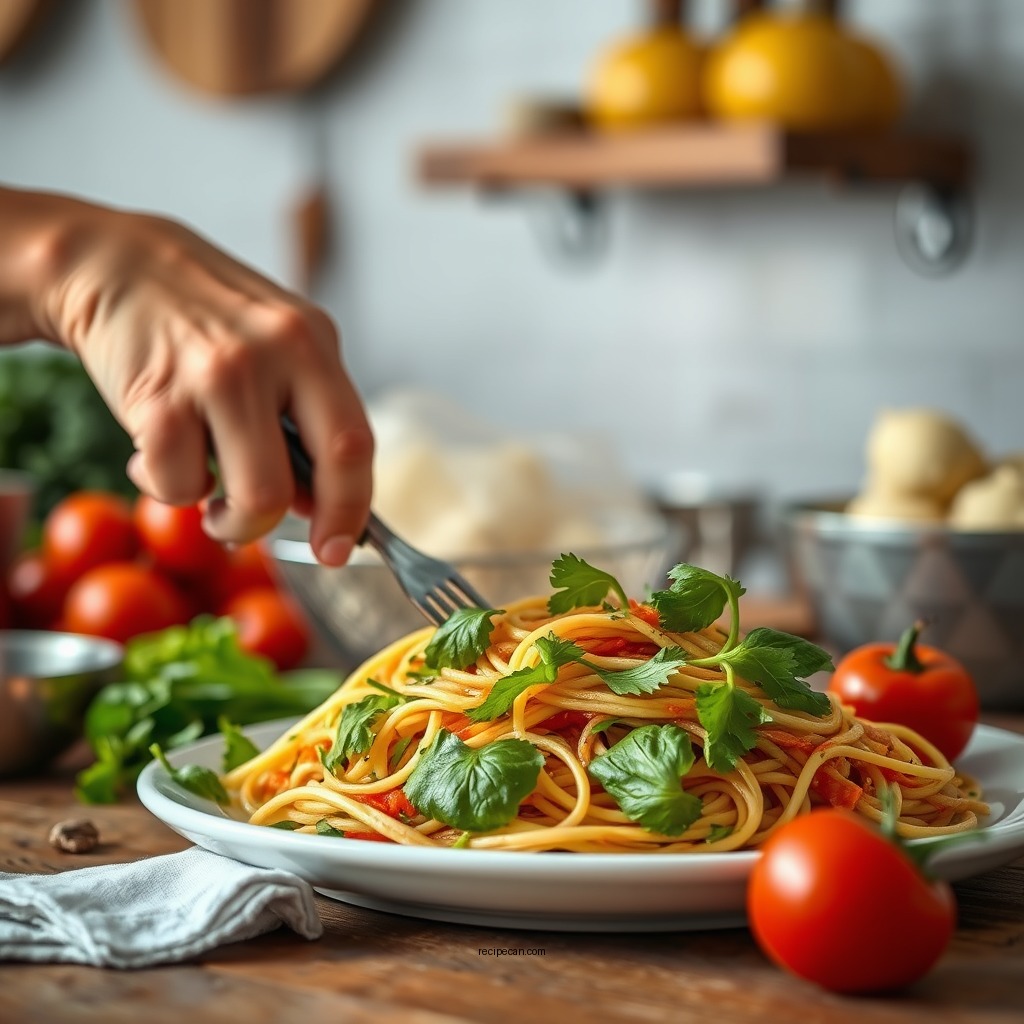
The preparation of your vegetables is crucial for developing the flavors in your spaghetti sauce. Start by finely chopping the onions and garlic, as their small size will help them caramelize more evenly. You can also include bell peppers or zucchini for added texture and nutrition.
Begin by heating a generous amount of olive oil in a large saucepan over medium heat. Add the chopped onions and sauté them until they turn translucent, which typically takes about 5 minutes. Then, add the minced garlic and sauté for an additional 1-2 minutes until fragrant. This process not only softens the vegetables but also releases their essential oils, which will form a flavorful base for your sauce.
If you’re using other vegetables, such as bell peppers or zucchini, add them at this stage. Sautéing them until softened will enhance their natural sweetness and integrate their flavors into the sauce.
Making the Sauce
Once your vegetables are well-prepared, it’s time to incorporate the tomatoes. If you’re using fresh tomatoes, blanch them in boiling water for a minute to make peeling easier. Once peeled, chop them into small pieces. If you opt for canned tomatoes, choose whole peeled tomatoes or crushed tomatoes for a smoother texture.
Add the crushed or chopped tomatoes to the sautéed vegetables. Stir the mixture well to combine, ensuring that the tomatoes incorporate with the other ingredients. Season your sauce with salt, pepper, and your choice of herbs, such as fresh basil and oregano. These herbs will infuse the sauce with aromatic flavors, making it a delightful addition to your pasta.
Nutritional Benefits of Key Ingredients
| Ingredient | Calories | Fiber (g) | Vitamin C (%) | Potassium (%) |
|——————|———-|———–|—————-|—————-|
| Fresh Tomatoes | 18 | 1.2 | 21 | 5 |
| Olive Oil | 119 | 0 | 0 | 0 |
| Garlic | 4 | 0.1 | 1 | 1 |
| Onions | 40 | 1.7 | 6 | 4 |
| Bell Peppers | 31 | 1.5 | 169 | 4 |
| Zucchini | 17 | 1.0 | 8 | 3 |
Simmering Your Sauce
After mixing in the tomatoes and seasoning, it’s time to let your sauce simmer. This crucial step allows the flavors to meld together beautifully. Bring the sauce to a gentle boil, then reduce the heat to low and cover the saucepan. Simmer for at least 30 minutes, stirring occasionally to prevent the sauce from sticking to the bottom of the pan.
During this simmering stage, the sauce will thicken, and the flavors will deepen. You can also taste and adjust the seasoning as necessary, adding more herbs or a pinch of sugar to balance acidity if needed.
Customizing Your Sauce
One of the best aspects of a no meat spaghetti sauce is its versatility. You can easily customize the recipe to suit your preferences or to incorporate ingredients you have on hand. Consider adding:
– Mushrooms: These can add a hearty texture and deep umami flavor. Sauté them along with the other vegetables for best results.
– Spinach or Kale: Adding fresh greens not only boosts the nutritional value but also provides a lovely color contrast to your sauce.
– Carrots: Finely diced carrots can add natural sweetness, enhancing the overall flavor of the sauce.
Feel free to experiment with spices, too. A dash of smoked paprika or a hint of cayenne can introduce a new layer of complexity that might surprise you.
Serving Suggestions
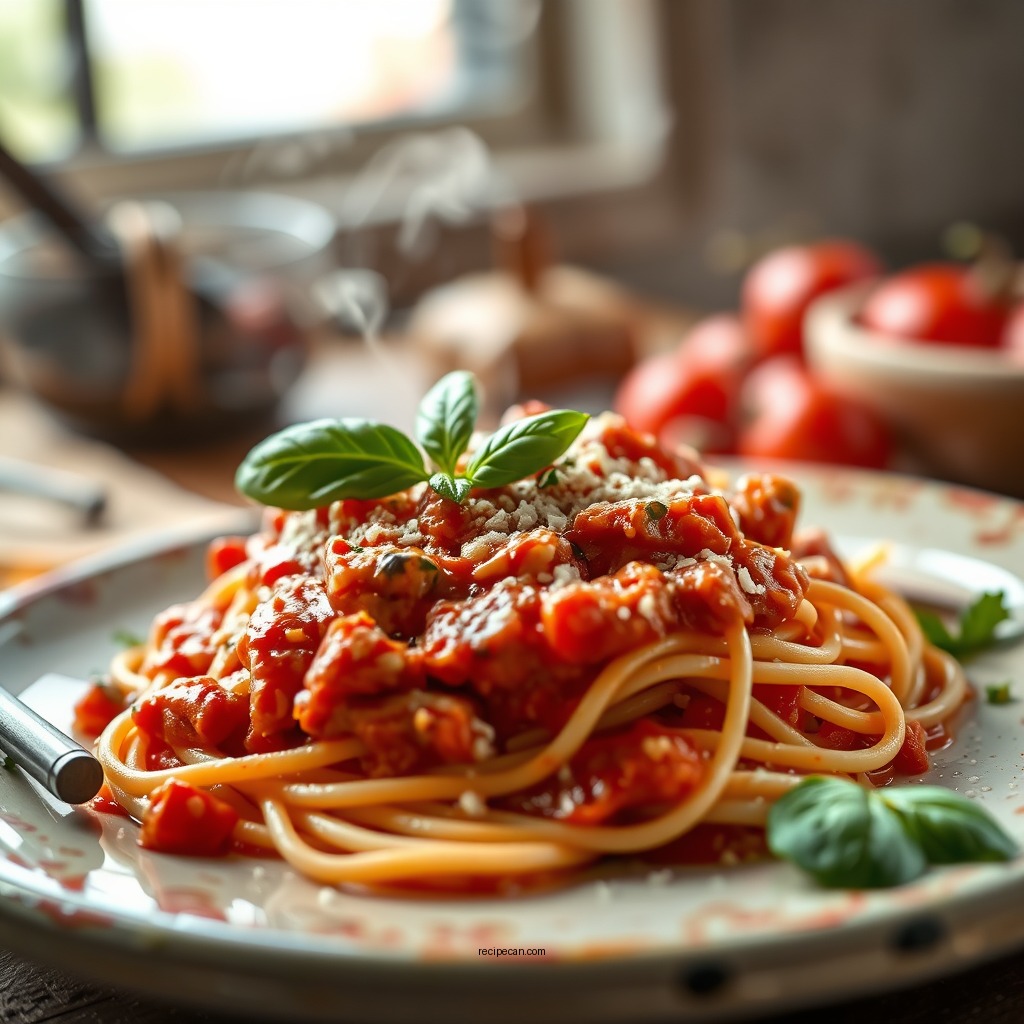
The no meat spaghetti sauce pairs wonderfully with a variety of pasta shapes, including spaghetti, penne, or fusilli. You can also use it as a filling for lasagna or to top baked eggplant or zucchini boats. For an added touch, consider:
– Grated cheese: Parmesan or pecorino can lend a salty finish. If you’re looking for a vegan option, nutritional yeast is a great alternative.
– Fresh herbs: A sprinkle of fresh basil or parsley just before serving will enhance the dish’s freshness.
– Crusty bread: Serve the sauce with a side of garlic bread or a simple green salad to create a well-rounded meal.
Storing Leftovers
If you find yourself with leftover sauce, it can be stored easily for future meals. Place the sauce in an airtight container and refrigerate; it should last for up to a week. To reheat, simply warm it on the stove or in the microwave until heated through.
For longer storage, consider freezing the sauce. Portion it into freezer-safe bags or containers and label them with the date. When you’re ready to enjoy it again, just thaw overnight in the refrigerator and reheat as needed. This makes for an effortless meal option on busy nights.
Nutritional Benefits of No Meat Spaghetti Sauce
| Feature | Benefits |
|—————————-|————————————-|
| Low in saturated fat | Great for heart health |
| Rich in vitamins | Provides essential nutrients |
| High in fiber | Aids digestion |
| Versatile and customizable | Can cater to various dietary needs |
Conclusion
By following this straightforward recipe, you can enjoy a flavorful no meat spaghetti sauce that satisfies both taste and dietary preferences. This sauce not only embodies the essence of a traditional Italian dish but also provides an excellent opportunity to pack in a variety of vegetables, making it a nutritious choice for everyone. Gather your ingredients, and get cooking for a delightful meal that everyone will love! Whether it’s for a quick weeknight dinner or a special occasion, this no meat spaghetti sauce is sure to impress.
Frequently Asked Questions
What are the essential ingredients for a spaghetti sauce recipe without meat?
A basic spaghetti sauce recipe without meat typically includes tomatoes (canned or fresh), olive oil, garlic, onions, and a blend of herbs such as basil, oregano, and thyme. You can also enhance the flavor with ingredients like bell peppers, mushrooms, or zucchini for added texture and nutrition.
How can I make a spaghetti sauce without meat taste rich and flavorful?
To achieve a rich and flavorful spaghetti sauce without meat, start by sautéing onions and garlic in olive oil until caramelized. Adding a splash of red wine or balsamic vinegar can deepen the sauce’s complexity, while incorporating a variety of herbs and spices, such as crushed red pepper flakes, can add depth and warmth.
Why should I consider a meatless spaghetti sauce recipe?
A meatless spaghetti sauce recipe is not only healthier, but it also allows for greater creativity with vegetables and plant-based ingredients. It can be lower in calories and saturated fats, making it a great option for those looking to reduce meat consumption or follow a vegetarian or vegan diet.
What is the best way to store leftover spaghetti sauce without meat?
The best way to store leftover spaghetti sauce without meat is to let it cool completely before transferring it to an airtight container. You can refrigerate the sauce for up to 5 days or freeze it for up to 3 months, ensuring you can enjoy this delicious sauce at a later date.
Which spices work best in a meatless spaghetti sauce recipe?
The best spices for a meatless spaghetti sauce recipe include dried oregano, basil, and thyme, as they complement the tomato base beautifully. Additionally, incorporating garlic powder, onion powder, and crushed red pepper flakes can elevate the flavor profile and add a bit of heat to your sauce.
References
- Spaghetti
https://en.wikipedia.org/wiki/Spaghetti - NYT Cooking – Recipes and Cooking Guides From The New York Times
https://www.nytimes.com/recipes/1019906/spaghetti-sauce - https://www.sciencedirect.com/science/article/pii/S089990071730547X
https://www.sciencedirect.com/science/article/pii/S089990071730547X - https://www.healthline.com/nutrition/healthy-spaghetti-sauce
https://www.healthline.com/nutrition/healthy-spaghetti-sauce - Mental health: Overcoming the stigma of mental illness – Mayo Clinic
https://www.mayoclinic.org/healthy-lifestyle/nutrition-and-healthy-eating/in-depth/vegetarian-diet/art-20046477 - https://pubmed.ncbi.nlm.nih.gov/26101886/
https://pubmed.ncbi.nlm.nih.gov/26101886/ - https://www.verywellfit.com/how-to-make-vegetarian-spaghetti-sauce-4110697
https://www.verywellfit.com/how-to-make-vegetarian-spaghetti-sauce-4110697 - Google Scholar Google Scholar
https://scholar.google.com/scholar?q=spaghetti+sauce+recipe+no+meat - Google Scholar Google Scholar
https://scholar.google.com/scholar?q=vegetarian+spaghetti+sauce+health+benefits - spaghetti sauce recipe no meat – Search results
https://en.wikipedia.org/wiki/Special:Search?search=spaghetti+sauce+recipe+no+meat