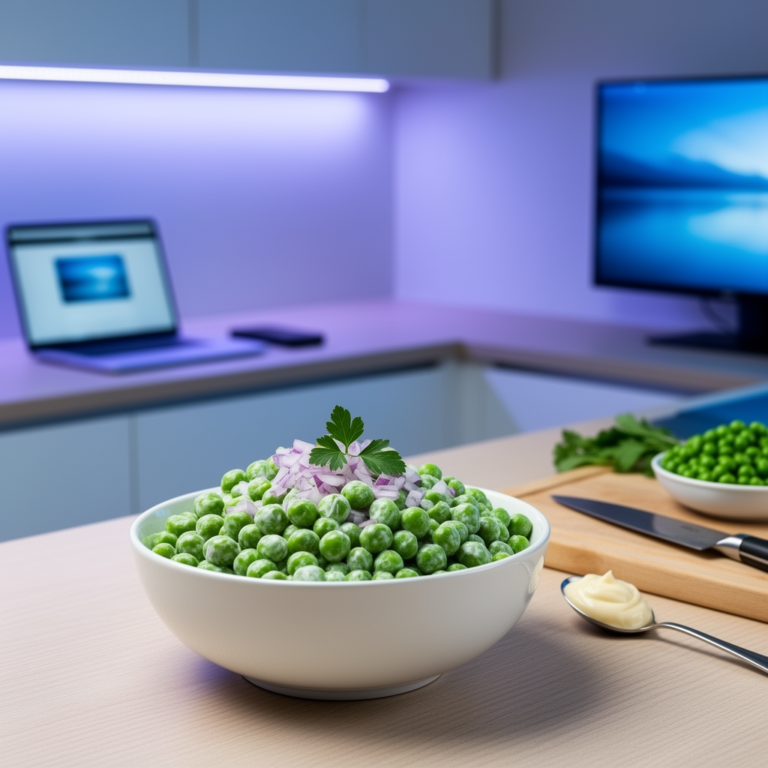
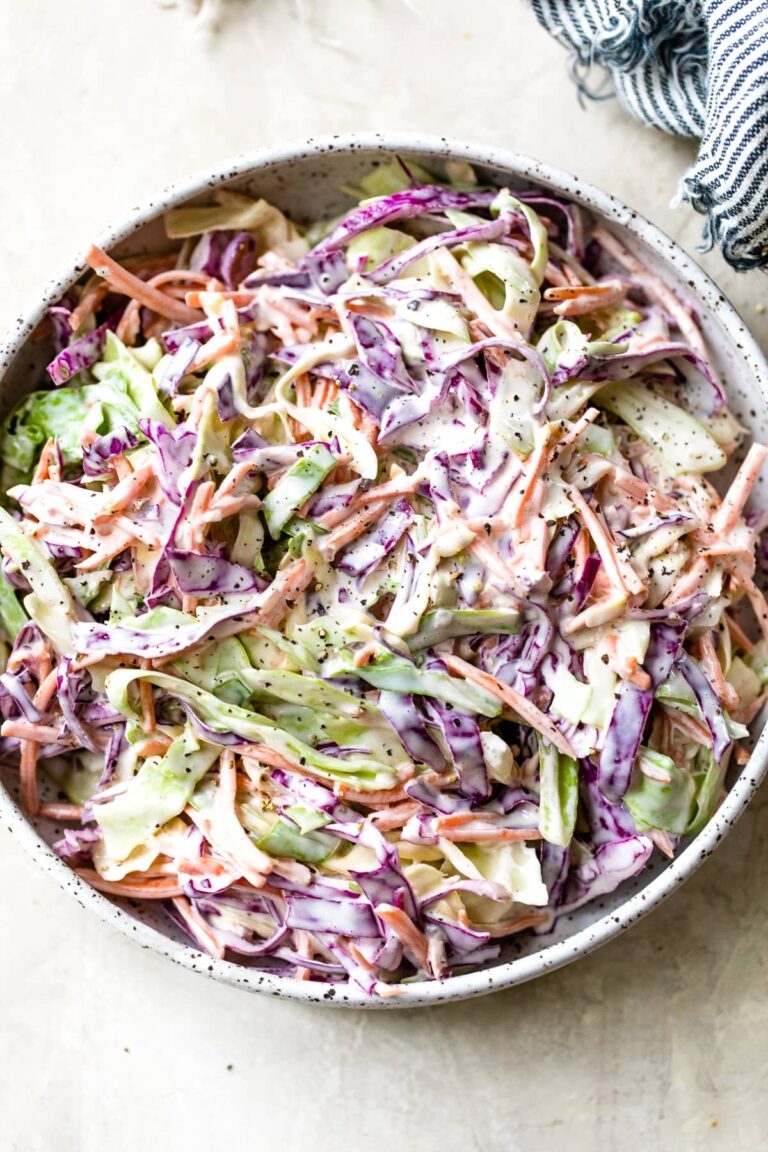
This easy mayonnaise sauce recipe is the ultimate solution for elevating your dishes with minimal effort. With just a few ingredients, you can create a creamy, flavorful sauce that enhances everything from sandwiches to salads. Forget store-bought options; this homemade version guarantees freshness and taste that will impress any palate. Discover how to whip up this delightful condiment in no time.
Making your own mayonnaise sauce at home is not only quick and straightforward, but it also elevates your culinary creations with a fresh, creamy touch. In this guide, you’ll discover how to whip up a delicious mayonnaise sauce using just a few ingredients, transforming everything from sandwiches to salads into gourmet delights. Follow these easy steps, and you’ll impress your family and friends with your newfound culinary skills.
Ingredients You’ll Need

Creating mayonnaise sauce requires minimal ingredients, but selecting the right quality can significantly impact the flavor and texture. Here’s what you’ll need:
– Fresh Egg Yolks: The foundation of any good mayonnaise, fresh egg yolks provide a rich and creamy base. They also contribute emulsification, which is essential for a stable sauce.
– High-Quality Oil: Choose a neutral oil, such as canola or a flavorful option like olive oil. The oil is critical for achieving the desired creaminess and mouthfeel in your sauce.
– Mustard: Adding mustard not only enhances the flavor but also helps in emulsifying the mixture, ensuring that your mayonnaise remains smooth and stable.
Step-by-Step Instructions

Making mayonnaise sauce at home is a simple process that anyone can master with practice. Here’s how to do it:
1. Combine the Ingredients: In a medium-sized bowl, whisk together two fresh egg yolks, one tablespoon of Dijon mustard, and a splash of white vinegar or lemon juice. This mixture serves as the emulsification base.
2. Whisk in the Oil: Gradually drizzle in one cup of your chosen oil while continuously whisking the mixture. It’s crucial to do this slowly to allow the emulsification process to take place. The sauce will start to thicken and become creamy as you incorporate the oil.
3. Adjust Seasoning: Once the mayonnaise has reached your desired thickness, taste it and add salt, pepper, or additional flavorings as needed.
By following these steps, you’ll create a delicious homemade mayonnaise sauce that can be used immediately or stored for later use.
Flavor Variations to Try

While the basic mayonnaise sauce is delicious, enhancing it with additional flavors can take it to the next level. Here are some variations to consider:
– Garlic Aioli: Add minced garlic and a squeeze of lemon juice to create a zesty aioli perfect for dipping fries or spreading on sandwiches.
– Herbed Mayonnaise: Incorporate fresh herbs such as dill or basil for a refreshing twist. This variation is excellent on fish or as a dressing base for pasta salads.
– Spicy Mayonnaise: Mix in a teaspoon of sriracha or another hot sauce to give your mayonnaise a kick, ideal for drizzling over tacos or sandwiches.
Flavor Variations for Mayonnaise Sauce
| # | Variation | Main Ingredient | Best For | Rating |
|---|---|---|---|---|
| 1 | Garlic Aioli | Garlic | Fries, Sandwiches | ★★★★☆ |
| 2 | Herbed Mayonnaise | Fresh Herbs | Fish, Salads | ★★★★★ |
| 3 | Spicy Mayonnaise | Hot Sauce | Tacos, Sandwiches | ★★★★☆ |
| 4 | Curry Mayonnaise | Curry Powder | Chicken, Wraps | ★★★☆☆ |
| 5 | Chipotle Mayonnaise | Chipotle Peppers | Burgers, Dips | ★★★★☆ |
| 6 | Lemon Mayonnaise | Lemon Juice | Seafood, Salads | ★★★★★ |
| 7 | Honey Mustard Mayonnaise | Honey | Sandwiches, Salads | ★★★★☆ |
Common Mistakes to Avoid

While making mayonnaise sauce is simple, there are a few common pitfalls that can lead to disappointing results. Avoid the following mistakes:
– Using Cold Ingredients: If your egg yolks and oil are too cold, the emulsification process may fail. Always ensure that your ingredients are at room temperature to promote better blending.
– Adding Oil Too Quickly: One of the most critical steps in making mayonnaise is gradually adding the oil. If you pour in the oil too quickly, the mixture can break, resulting in a separated sauce. Start with a few drops of oil and gradually increase the flow as the sauce thickens.
By being mindful of these common errors, you can create a perfect mayonnaise sauce every time.
Serving Suggestions

Homemade mayonnaise sauce is incredibly versatile and can enhance a wide range of dishes. Here are some ideas on how to use it:
– As a Spread: Use mayonnaise sauce as a creamy spread for sandwiches, wraps, or burgers. It adds richness and flavor that can elevate even the simplest of meals.
– On Salads: Drizzle mayonnaise sauce over fresh salads or use it as a base for pasta salads. It works wonderfully to bind ingredients together while adding a creamy texture.
– For Dipping: Serve it alongside fresh vegetables or seafood for a delightful dipping sauce. Its creamy consistency complements many appetizers beautifully.
– Enhancing Grilled Dishes: Brush mayonnaise sauce over grilled vegetables or seafood for an extra layer of flavor. The mayonnaise helps to retain moisture and adds richness.
Storage Tips
If you find that you have leftover mayonnaise sauce, proper storage is essential to maintain its freshness:
– Refrigeration: Store the mayonnaise in an airtight container in the refrigerator. It can last for up to one week, but always check for signs of spoilage before use.
– Labeling: It’s a good practice to label your container with the date you made the mayonnaise. This way, you can easily keep track of its freshness and avoid any food safety issues.
By following these storage tips, you can enjoy your homemade mayonnaise sauce without worry.
Making your own mayonnaise sauce can be a rewarding experience that elevates your cooking. With just a few ingredients and simple steps, you can create a flavorful sauce that enhances a variety of dishes. Get started today and enjoy the taste of homemade mayonnaise sauce in your favorite meals!
Frequently Asked Questions
What ingredients do I need for a basic mayonnaise sauce recipe?
To make a basic mayonnaise sauce, you will need egg yolks, vegetable oil, lemon juice or vinegar, mustard, and salt. These ingredients combine to create a creamy and flavorful base that can be customized with herbs or spices for added taste.
How do I make mayonnaise sauce from scratch?
To make mayonnaise sauce from scratch, start by whisking together egg yolks, a teaspoon of mustard, and a pinch of salt in a bowl. Gradually add vegetable oil while continuously whisking until the mixture thickens, then stir in lemon juice or vinegar to taste. This homemade mayonnaise sauce is fresh and free from preservatives.
Why is my homemade mayonnaise sauce too thin?
If your homemade mayonnaise sauce is too thin, it may be due to adding the oil too quickly or not using enough egg yolk. To fix it, try whisking in a bit more oil slowly until it reaches your desired consistency. Additionally, using room temperature ingredients can help achieve a thicker emulsion.
What are the best uses for mayonnaise sauce in cooking?
Mayonnaise sauce is incredibly versatile and can be used in various dishes, such as salads, sandwiches, and dips. It’s perfect for adding creaminess to coleslaw, enhancing flavor in potato salad, or serving as a base for sauces like aioli or tartar sauce.
Which oil is best for making mayonnaise sauce?
The best oils for making mayonnaise sauce are neutral-flavored oils like canola, sunflower, or grapeseed oil, as they won’t overpower the flavor of the sauce. Olive oil can also be used for a richer taste, but it may impart a stronger flavor, so consider blending it with a neutral oil for balance.
References
- Mayonnaise
https://en.wikipedia.org/wiki/Mayonnaise - https://www.bbc.co.uk/food/recipes/mayonnaise_92442
https://www.bbc.co.uk/food/recipes/mayonnaise_92442 - https://www.nytimes.com/2017/05/31/dining/mayonnaise-recipe.html
https://www.nytimes.com/2017/05/31/dining/mayonnaise-recipe.html - https://www.sciencedirect.com/topics/food-science/mayonnaise
https://www.sciencedirect.com/topics/food-science/mayonnaise - https://www.mayoclinic.org/healthy-lifestyle/nutrition-and-healthy-eating/expert-answers/mayonnaise/faq-20058038
https://www.mayoclinic.org/healthy-lifestyle/nutrition-and-healthy-eating/expert-answers/mayonnaise/faq-20058038 - https://www.verywellfit.com/mayonnaise-nutrition-facts-4112009
https://www.verywellfit.com/mayonnaise-nutrition-facts-4112009 - https://www.jstor.org/stable/10.2307/24929245
https://www.jstor.org/stable/10.2307/24929245 - https://www.cdc.gov/nutrition/resources-publications/healthyeating/mayonnaise.html
https://www.cdc.gov/nutrition/resources-publications/healthyeating/mayonnaise.html - Google Scholar Google Scholar
https://scholar.google.com/scholar?q=mayonnaise+recipe - Google Scholar Google Scholar
https://scholar.google.com/scholar?q=making+mayonnaise+from+scratch