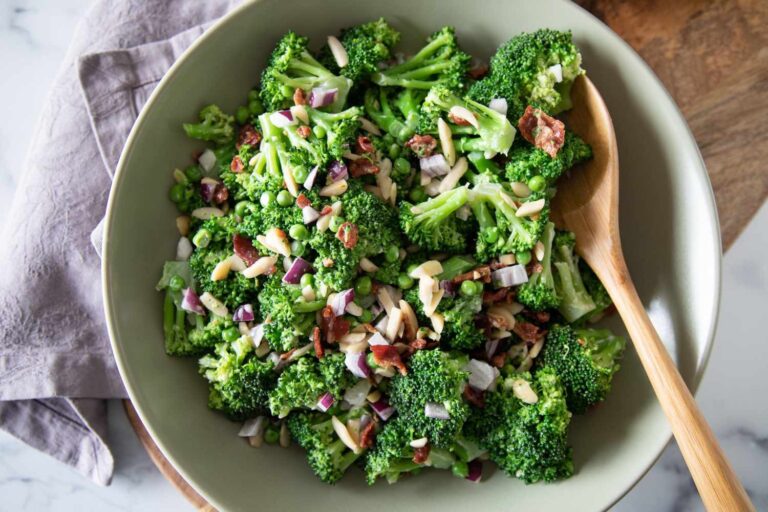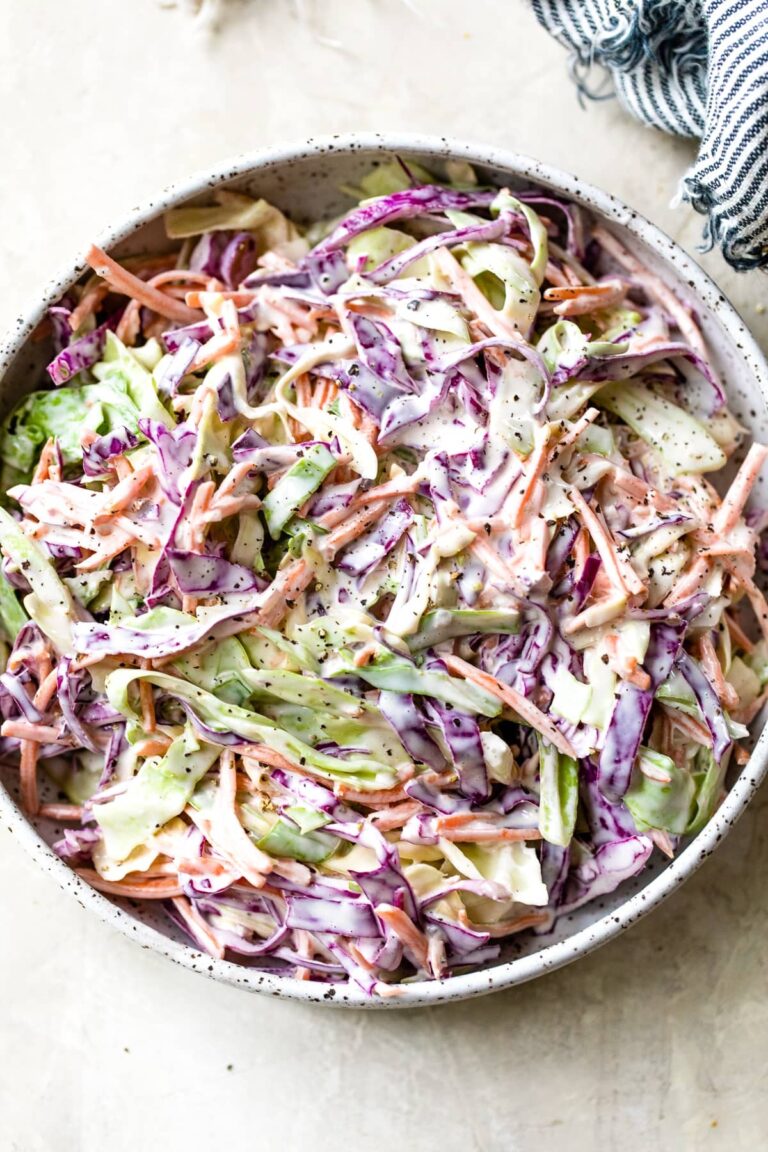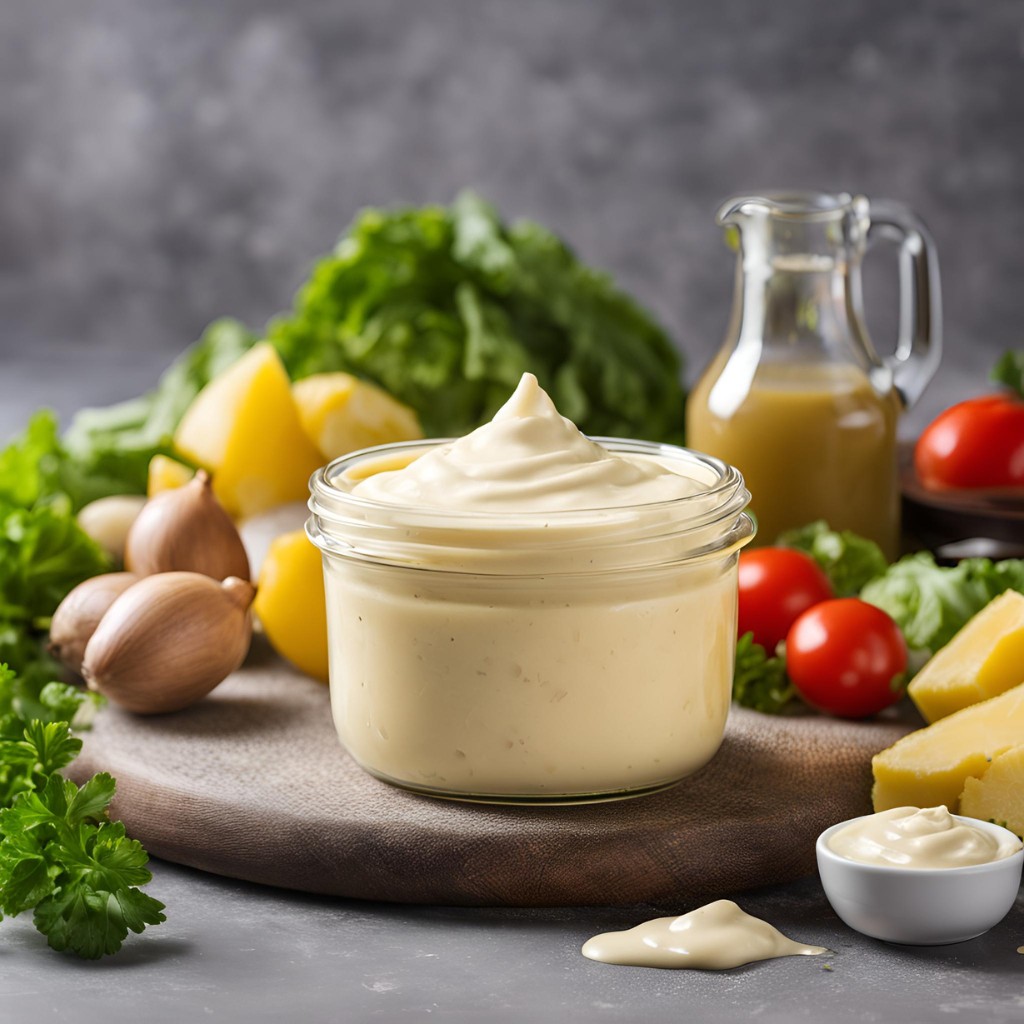
This easy mayonnaise salad dressing recipe is your best choice for a creamy, flavorful boost to any salad. With just a few simple ingredients, you can whip up a homemade dressing that outshines store-bought options in taste and freshness. Say goodbye to artificial flavors and preservatives—this recipe delivers a perfect balance that elevates your salads effortlessly.
Making your own mayonnaise salad dressing is a straightforward and satisfying endeavor that yields a fresher taste than store-bought alternatives. With just a few ingredients, you can create a creamy, flavorful dressing perfect for elevating your salads, sandwiches, and more. In this article, we will guide you through the essentials of crafting a delicious mayonnaise-based dressing, along with variations, storage tips, and serving suggestions.
Ingredients You’ll Need
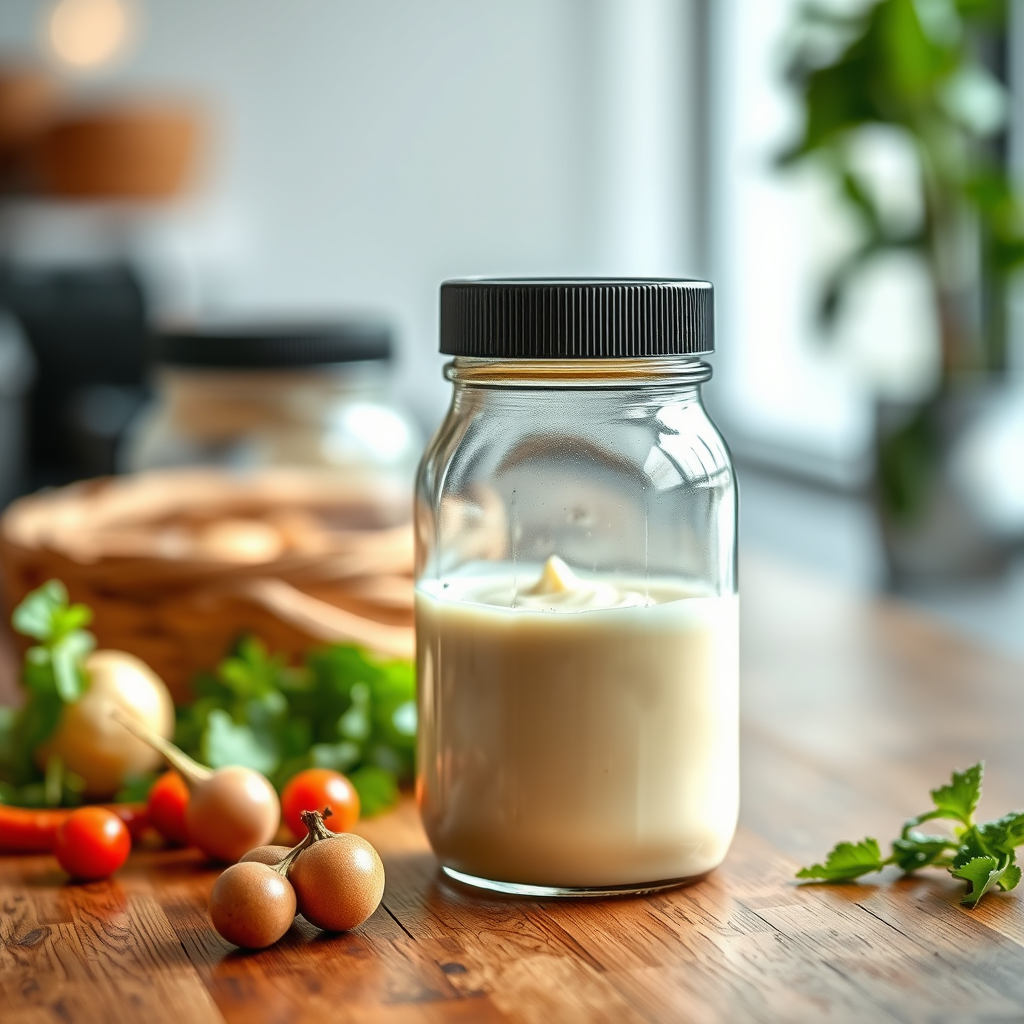
To create a delightful mayonnaise salad dressing, you need only a handful of ingredients. Here’s what you’ll require:
– Mayonnaise: This is the primary ingredient, providing the dressing’s creamy texture and rich flavor. You can opt for store-bought mayonnaise or make your own for an even fresher taste.
– Acid: A crucial component for balancing the richness of mayonnaise. Common choices include freshly squeezed lemon juice, white wine vinegar, or apple cider vinegar. Each option brings a unique tanginess to the dressing.
– Seasonings: Basic seasonings like salt and pepper are essential, but you can also experiment with herbs and spices such as garlic powder, onion powder, or dried herbs to enhance the flavor profile.
Step-by-Step Preparation

Creating your mayonnaise salad dressing is quick and simple. Follow these steps to ensure a delicious and well-balanced dressing:
– Combine: In a medium-sized bowl, start by adding the mayonnaise. Next, pour in your chosen acid—typically about one tablespoon for every half cup of mayonnaise. Add salt, pepper, and any additional seasonings to taste.
– Adjust: After mixing the initial ingredients, taste the dressing. This is your opportunity to adjust the flavors. If it’s too tangy, add a bit more mayonnaise. If it lacks brightness, a little more acid can do wonders. Remember, the key to a great dressing is achieving a balance between creaminess and acidity.
– Whisk: Use a whisk to thoroughly blend all the ingredients together. Whisking helps to emulsify the mixture, resulting in a smooth and creamy dressing. Make sure there are no lumps and that the dressing is uniform in consistency.
Variations to Try
Once you have mastered the basic mayonnaise salad dressing, consider trying these delicious variations:
– Creamy Garlic Dressing: For a flavorful twist, add one or two minced garlic cloves to the basic recipe. This variation works beautifully with Caesar salads or as a dip for fresh vegetables.
– Herb-Infused Dressing: Incorporate fresh herbs like dill, parsley, or cilantro into your dressing. Use approximately one tablespoon of finely chopped herbs to add a refreshing flavor that complements salads and grilled vegetables.
– Spicy Kick: If you prefer a bit of heat, add a splash of hot sauce or a pinch of cayenne pepper. This variation can spice up any dish and is excellent for those who enjoy a little fire in their flavors.
Top 7 Mayonnaise Brands for Homemade Salad Dressings (2024)
| # | Brand | Flavor Rating | Price ($) | Best For |
|---|---|---|---|---|
| 1 | Hellmann’s | ★★★★☆ | 3.49 | General Use |
| 2 | Duke’s | ★★★★★ | 4.19 | Sandwiches |
| 3 | Kraft | ★★★☆☆ | 2.99 | Tuna Salad |
| 4 | Sir Kensington’s | ★★★★☆ | 5.49 | Gourmet Dishes |
| 5 | Best Foods | ★★★★☆ | 3.99 | General Use |
| 6 | Miracle Whip | ★★★☆☆ | 2.79 | Coleslaw |
| 7 | Primal Kitchen | ★★★★★ | 6.49 | Health-Conscious |
Storage Tips

To keep your homemade mayonnaise salad dressing fresh and tasty, consider the following storage tips:
– Refrigerate: Store your dressing in an airtight container in the refrigerator. A glass jar with a tight-fitting lid works well for this purpose, as it minimizes exposure to air.
– Shelf Life: For optimal flavor and quality, consume your dressing within one week. Over time, the flavors may begin to degrade, and separation may occur, which can affect the texture.
Serving Suggestions

Now that you have your delicious mayonnaise salad dressing ready, here are some delightful ways to serve it:
– Salads: Drizzle your dressing over a bed of fresh greens, or toss it into pasta salads for a creamy finish. This dressing pairs well with both leafy greens and heartier vegetables.
– Sandwiches: Use the dressing as a spread on wraps, sandwiches, or burgers. Its creaminess complements various fillings beautifully, enhancing the overall flavor experience.
– Dipping Sauce: Serve your mayonnaise dressing as a dip for fresh vegetables, chips, or even chicken tenders. This versatile dressing elevates simple snacks into gourmet treats.
Common Mistakes to Avoid
To ensure your dressing turns out perfectly every time, be mindful of these common mistakes:
– Over-mixing: While it’s essential to blend the ingredients well, avoid whipping too vigorously. Over-mixing can lead to a thinner dressing, which may not coat your salads or sandwiches effectively.
– Skipping Taste Testing: Always taste and adjust seasonings before serving. This step is crucial in achieving a well-balanced flavor profile. Don’t hesitate to experiment until you find what works best for you.
Your homemade mayonnaise salad dressing is now ready to elevate your meals! Enjoy experimenting with different flavors and serving options. Keep this recipe handy for any occasion, and don’t hesitate to share your own variations or tips in the comments!
Frequently Asked Questions
What ingredients do I need for a homemade mayonnaise salad dressing?
To make a basic mayonnaise salad dressing, you’ll need mayonnaise, vinegar or lemon juice, and seasonings such as salt, pepper, and optional herbs or spices. You can also add ingredients like mustard or garlic for extra flavor. This simple recipe allows for customization to suit your taste preferences.
How do I make a creamy mayonnaise salad dressing from scratch?
To create a creamy mayonnaise salad dressing, combine 1 cup of mayonnaise with 2 tablespoons of vinegar or lemon juice in a bowl. Whisk in your choice of seasonings such as salt, pepper, and any desired herbs. Adjust the acidity and flavor to your liking by adding more vinegar or herbs for a zesty twist.
Why is mayonnaise a popular base for salad dressings?
Mayonnaise is a popular base for salad dressings due to its rich, creamy texture and ability to bind ingredients together. It provides a smooth mouthfeel and enhances flavors, making it an ideal choice for dressings that coat salads and vegetables. Additionally, mayonnaise can easily be flavored with various ingredients to create diverse salad dressings.
What are the best variations of mayonnaise salad dressing for different salads?
Some of the best variations of mayonnaise salad dressing include adding yogurt for a tangy twist, incorporating herbs like dill or parsley for freshness, or mixing in spices such as paprika for a smoky flavor. You can also create a sweet dressing by adding honey or sugar, which is excellent for fruit salads. Experimenting with these variations can elevate your salads and cater to different palates.
Which salads pair well with mayonnaise-based dressings?
Mayonnaise-based dressings pair well with a variety of salads, including coleslaw, potato salad, and chicken salad. They are also great for pasta salads, as the creamy consistency helps to evenly coat the ingredients. For a lighter option, consider using mayonnaise dressings on green salads with robust vegetables, balancing the creaminess with fresh flavors.
References
- Mayonnaise
https://en.wikipedia.org/wiki/Mayonnaise - Quantitative Point-of-Care Pathogen Detection in Septicemia – PMC
https://www.ncbi.nlm.nih.gov/pmc/articles/PMC4485424/ - https://www.mayoclinic.org/healthy-lifestyle/nutrition-and-healthy-eating/in-depth/mayonnaise/art-20045994
https://www.mayoclinic.org/healthy-lifestyle/nutrition-and-healthy-eating/in-depth/mayonnaise/art-20045994 - https://www.sciencedirect.com/topics/food-science/mayonnaise
https://www.sciencedirect.com/topics/food-science/mayonnaise - https://www.bbc.co.uk/food/recipes/mayonnaise_85315
https://www.bbc.co.uk/food/recipes/mayonnaise_85315 - NYT Cooking – Recipes and Cooking Guides From The New York Times
https://www.nytimes.com/recipes/1019669/mayonnaise - https://www.cdc.gov/nutrition/resources-publications/healthyeating.html
https://www.cdc.gov/nutrition/resources-publications/healthyeating.html - Google Scholar Google Scholar
https://scholar.google.com/scholar?q=mayonnaise+salad+dressing+recipe - Google Scholar Google Scholar
https://scholar.google.com/scholar?q=mayonnaise+nutritional+information - Google Scholar Google Scholar
https://scholar.google.com/scholar?q=mayonnaise+recipe+history