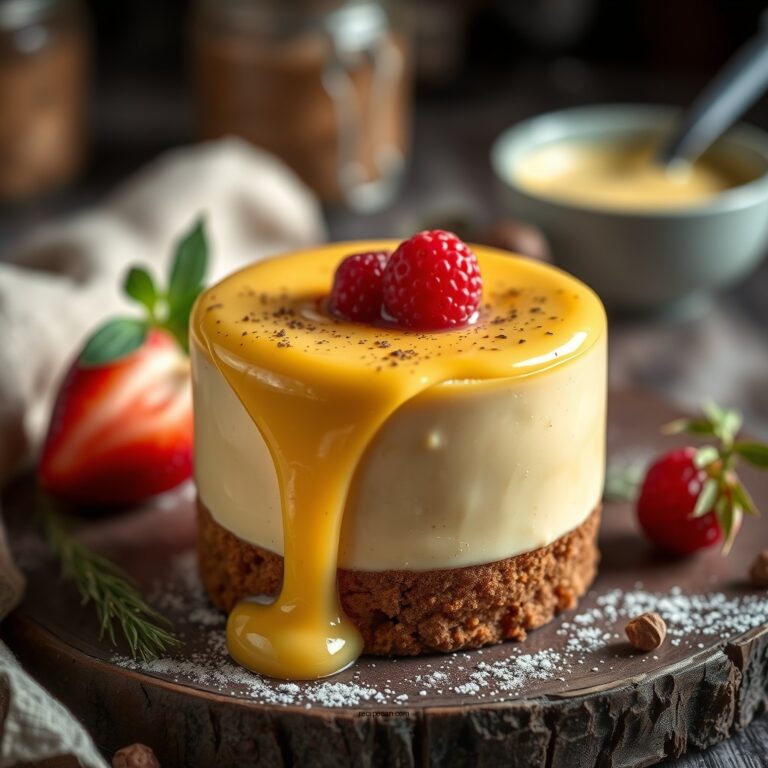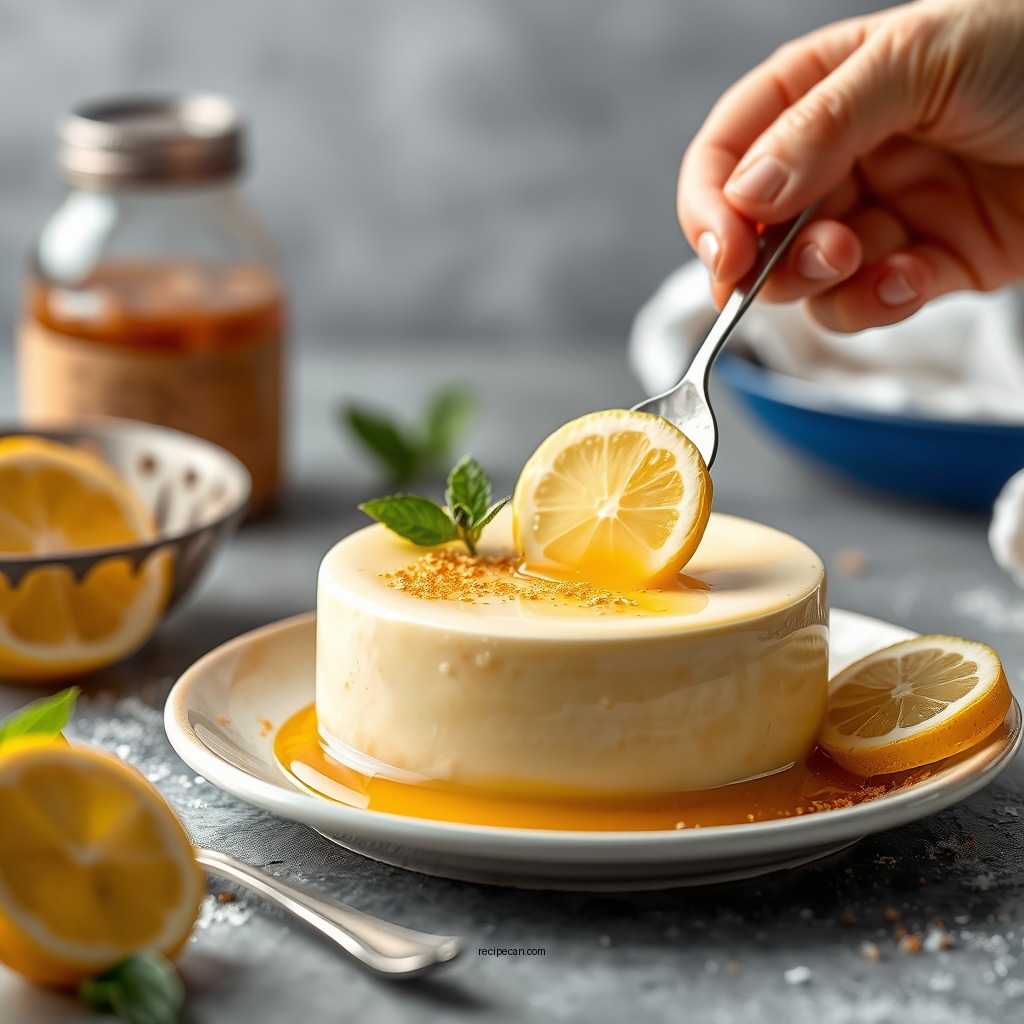
Lemon custard is a classic dessert that combines creaminess with a refreshing tang, making it a delightful treat for any occasion. This recipe is straightforward and requires only a few ingredients, allowing home cooks of all levels to prepare a luscious lemon custard from scratch. By following the step-by-step instructions outlined in this article, you will be able to create a dessert that is not only delicious but also visually appealing, perfect for impressing guests or enjoying a sweet moment at home.
Ingredients You’ll Need
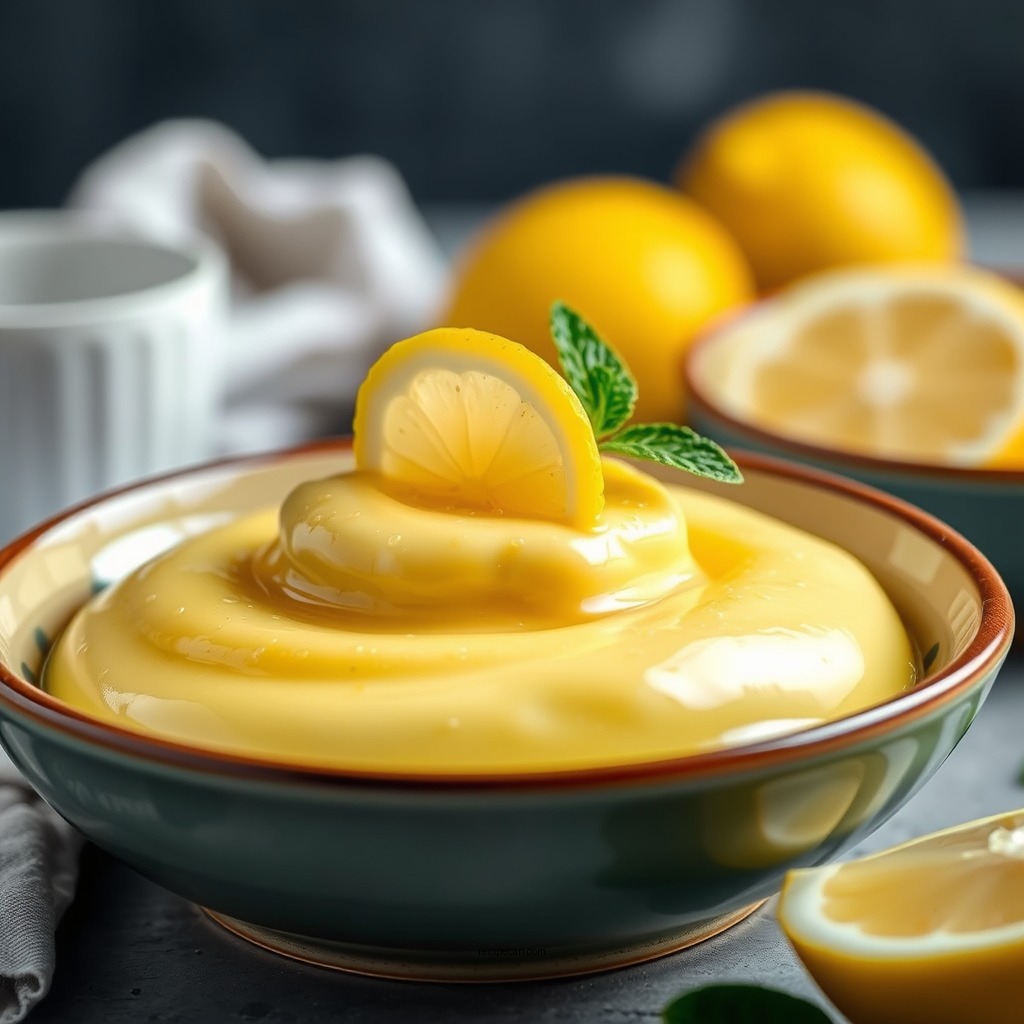
To create a perfectly creamy lemon custard, you will need the following ingredients:
– Fresh Lemons: For the best flavor, use organic lemons. You will need both the juice and the zest.
– Eggs: Large eggs are preferred as they help create the custard’s rich texture.
– Sugar: Granulated sugar is commonly used to sweeten the custard, balancing the tartness of the lemons.
– Heavy Cream or Milk: Depending on your preference for creaminess, you can use heavy cream for a richer custard or whole milk for a lighter version.
Using high-quality, fresh ingredients will greatly enhance the flavor and texture of your lemon custard.
Step-by-Step Preparation

Creating lemon custard is an enjoyable process that begins with the preparation of your ingredients:
1. Prepare the Lemons: Start by zesting and juicing your lemons. You will need about three large lemons for this recipe, which will yield around a cup of juice and zest.
2. Whisk Eggs and Sugar: In a mixing bowl, combine the eggs and granulated sugar. Whisk vigorously until the mixture becomes light in color and fluffy. This process incorporates air, which is essential for a light custard.
3. Combine Ingredients: Gradually add the lemon juice and zest to the egg mixture, stirring continuously to ensure it combines smoothly. Once mixed, incorporate the heavy cream or milk, whisking until the mixture is uniform.
This preparation stage is crucial as it sets the foundation for the custard’s flavor and texture.
Cooking the Custard
Once your mixture is prepared, it’s time to cook the custard:
1. Heat the Mixture: Pour the lemon mixture into a saucepan and place it over low heat. It’s essential to maintain low heat to prevent the eggs from curdling.
2. Stir Constantly: Using a wooden spoon or silicone spatula, stir the mixture continuously. This will help distribute heat evenly and prevent any sticking to the bottom of the pan.
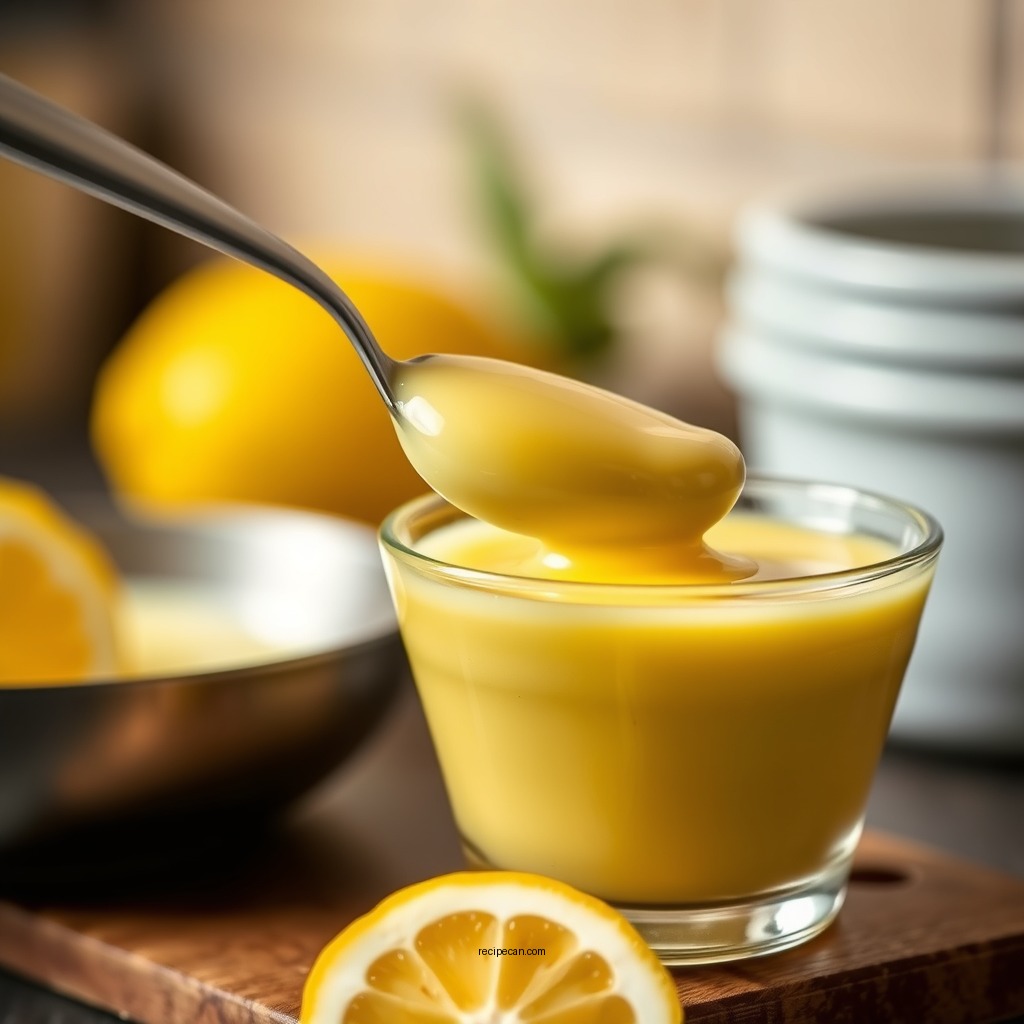
3. Thickening the Custard: Continue stirring until the custard thickens and coats the back of a spoon. This can take about 10-15 minutes. It’s important to keep an eye on the temperature; if you see any bubbles forming, reduce the heat immediately to avoid curdling.
4. Strain the Custard: Once thickened, remove the saucepan from the heat and strain the custard through a fine sieve into a clean bowl. This step removes any bits of cooked egg and ensures a silky-smooth texture.
Cooling and Serving
After cooking, allowing the custard to cool properly is important for achieving the desired texture:
1. Cool at Room Temperature: Let the custard sit at room temperature for about 30 minutes. This helps it cool down before refrigeration.
2. Refrigerate: Cover the bowl with plastic wrap and refrigerate for at least 2 hours, or until fully chilled. This step is crucial as it allows the custard to set and develop its flavor.
3. Serve: Once chilled, you can serve the lemon custard in individual cups, garnishing with a sprig of mint or a slice of lemon. Alternatively, it can be used as a filling for tarts, cakes, or pastries, adding versatility to your dessert options.
Variations and Add-Ins
While the classic lemon custard is delightful on its own, here are some ideas to customize your recipe:
– Vanilla Extract: Adding a teaspoon of pure vanilla extract enhances the flavor and adds a lovely aromatic quality to the custard.
– Herbs: For an unexpected twist, infuse the custard with fresh herbs like thyme or basil during the cooking process. Simply add the herbs to the milk or cream and strain them out before mixing with the eggs.
– Berries: Swirling in fresh berries such as raspberries or blueberries can add a burst of color and flavor. Serving with a berry compote also makes for a beautiful presentation.
These variations can elevate your lemon custard and cater to different tastes.
Tips for the Perfect Lemon Custard
To ensure your lemon custard turns out perfectly every time, keep the following tips in mind:
– Use Fresh Ingredients: Always opt for fresh lemons and high-quality dairy products. The freshness will significantly impact the final flavor.
– Control the Heat: Cooking on low heat is essential. It might take longer, but it will prevent curdling and ensure a creamy texture.
– Taste and Adjust: After mixing the lemon juice with the eggs and sugar, taste the mixture. You can adjust the sugar based on your preference for sweetness.
These tips will help you create a custard that is not only delicious but also beautifully textured.
📋 DATA
Top Lemon Custard Recipes Variations (2024)
| # | Variation | Flavor Profile | Popularity (%) |
|---|---|---|---|
| 1 | Classic Lemon | Tangy & Creamy | 45% |
| 2 | Vanilla Lemon | Sweet & Aromatic | 30% |
| 3 | Berry Swirl | Fruity & Refreshing | 15% |
| 4 | Lemon Thyme | Herbaceous & Unique | 8% |
| 5 | Coconut Lemon | Tropical & Creamy | 2% |
| 6 | Matcha Lemon | Earthy & Creamy | 1% |
📈 CHART
Lemon Custard Preparation Time Comparison
Lemon custard is an easy dessert that can impress your guests and satisfy your sweet tooth. By following these simple steps and tips, you can create a luscious lemon custard that’s sure to delight. Don’t hesitate to try this recipe today and enjoy the fresh, zesty flavors!
Frequently Asked Questions
What are the key ingredients in a lemon custard recipe?
The key ingredients in a lemon custard recipe typically include fresh lemons, eggs, sugar, milk or cream, and cornstarch for thickening. Fresh lemon juice and zest are essential for achieving that vibrant citrus flavor, while eggs provide the custard’s creamy texture. Using high-quality ingredients will significantly enhance the overall taste of your lemon custard.
How do I make lemon custard from scratch?
To make lemon custard from scratch, start by whisking together eggs and sugar in a bowl until smooth. In a saucepan, heat milk or cream with lemon juice and zest until just below boiling, then gradually whisk this mixture into the egg mixture to temper the eggs. Finally, return the combined mixture to the saucepan and cook over low heat, stirring constantly until it thickens, then cool before serving.
Why does my lemon custard not thicken properly?
If your lemon custard does not thicken properly, it could be due to cooking at too high a temperature, which can cause the eggs to scramble instead of setting. Additionally, not allowing enough time for the custard to cook can prevent it from reaching the desired consistency. Make sure to cook over low heat and stir continuously to achieve a smooth, thick custard.
What is the best way to serve lemon custard?
The best way to serve lemon custard is chilled, either on its own or with toppings like whipped cream, fresh berries, or a sprinkle of lemon zest for added flavor. You can also serve it in individual ramekins for an elegant presentation or use it as a filling for tart shells or cakes. Pairing it with a buttery shortbread cookie complements the custard’s tanginess beautifully.
Which common mistakes should I avoid when making lemon custard?
Common mistakes to avoid when making lemon custard include not properly tempering the eggs, which can lead to scrambling, and using bottled lemon juice instead of fresh for a lackluster flavor. Additionally, make sure to monitor the cooking temperature closely to prevent curdling, and always strain the custard before chilling to remove any bits of cooked egg for a silky texture.
References
- Custard
https://en.wikipedia.org/wiki/Custard - https://www.britannica.com/food/custard
https://www.britannica.com/food/custard - Google Scholar Google Scholar
https://scholar.google.com/scholar?q=lemon+custard+recipe - Google Scholar Google Scholar
https://scholar.google.com/scholar?q=custard+recipes - https://www.sciencedirect.com/topics/food-science/custard
https://www.sciencedirect.com/topics/food-science/custard - https://www.ncbi.nlm.nih.gov/pmc/articles/PMC6492303/
https://www.ncbi.nlm.nih.gov/pmc/articles/PMC6492303/ - https://www.ncbi.nlm.nih.gov/pmc/articles/PMC6813764/
https://www.ncbi.nlm.nih.gov/pmc/articles/PMC6813764/ - https://www.nytimes.com/recipes/1019288/lemon-custard.html
https://www.nytimes.com/recipes/1019288/lemon-custard.html - https://www.cdc.gov/nutrition/resources-publications/healthyeating.html
https://www.cdc.gov/nutrition/resources-publications/healthyeating.html - Healthy diet
https://www.who.int/news-room/fact-sheets/detail/healthy-diet