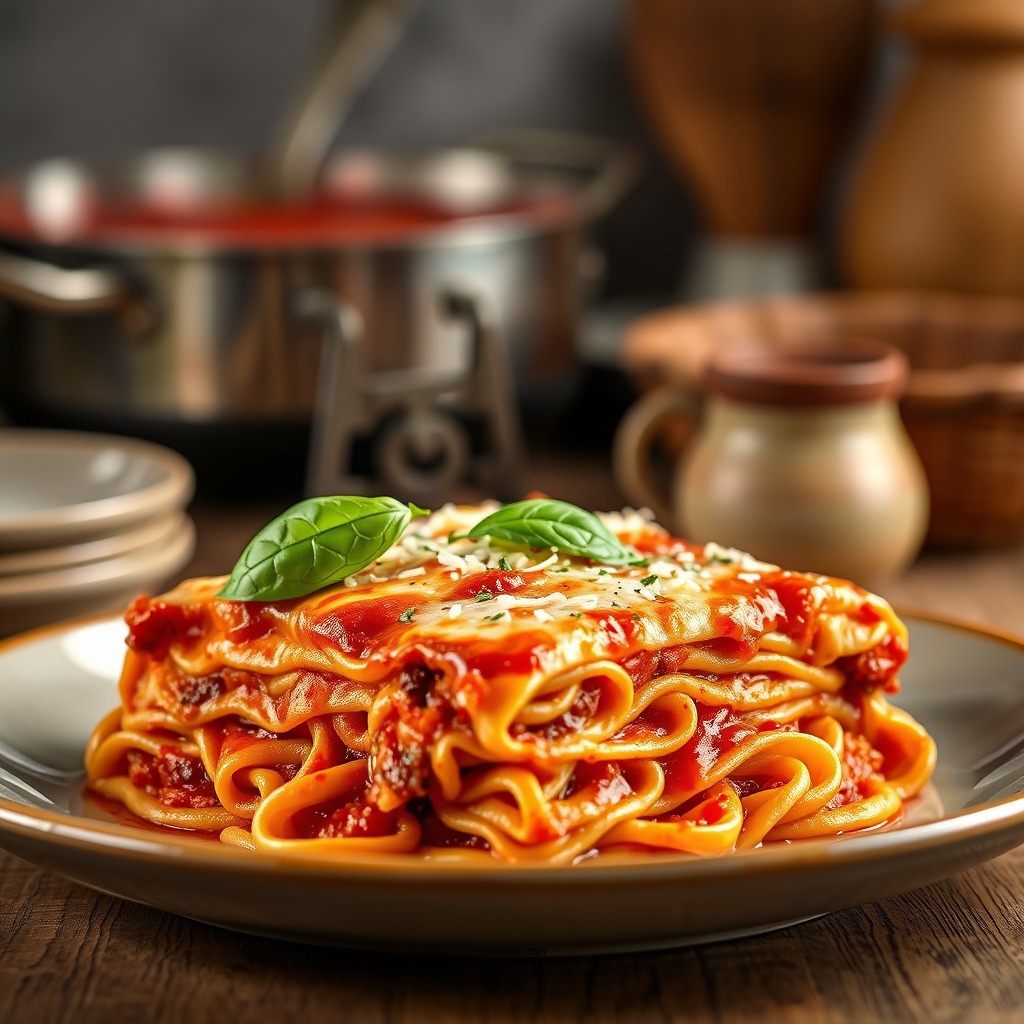
Making a delicious lasagna sauce is simple and can elevate your homemade lasagna to the next level. This guide will walk you through an easy and flavorful recipe that combines rich tomatoes, savory herbs, and ground meat, perfect for layering between pasta sheets. You’ll learn how to create a sauce that’s not only tasty but also easy to prepare.
Ingredients You’ll Need
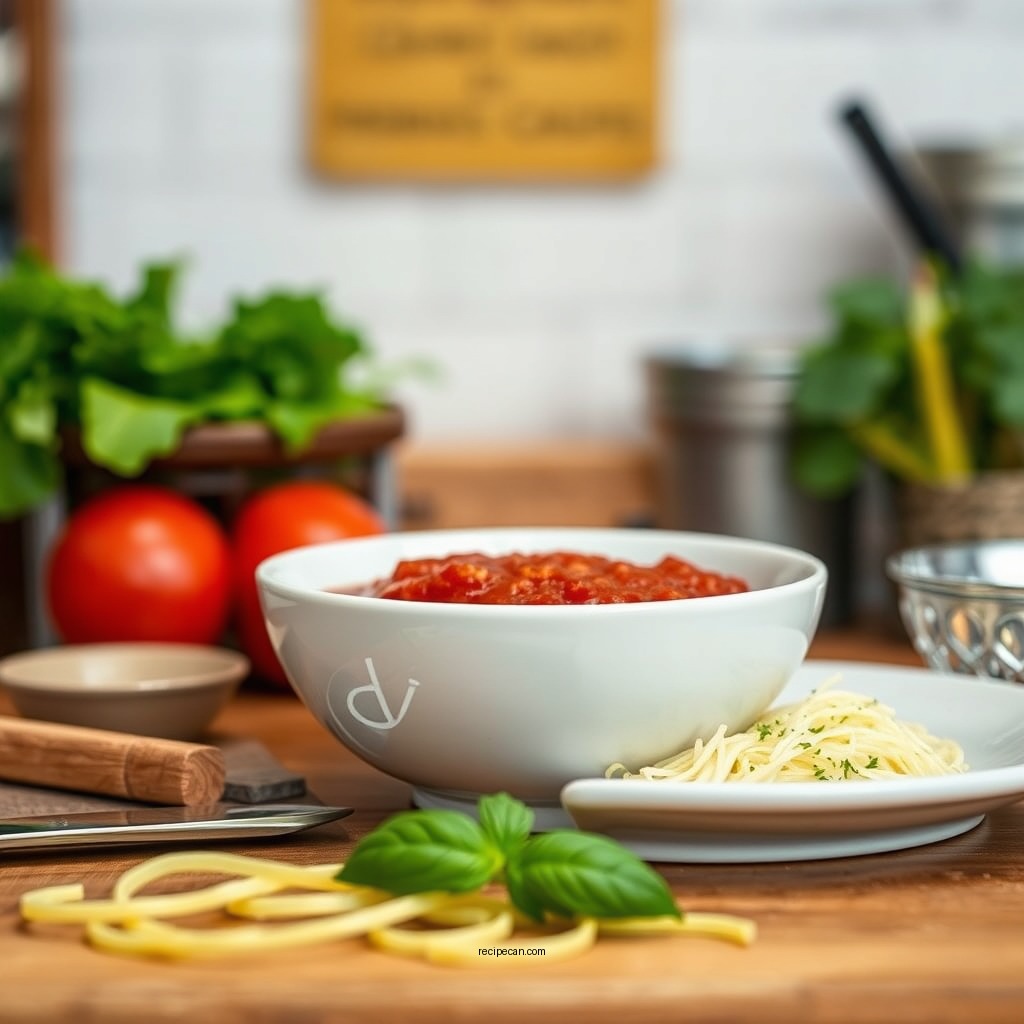
To create a lasagna sauce that is both flavorful and satisfying, you will need the following ingredients:
– Fresh Tomatoes or Canned Tomato Products: Opt for ripe, in-season tomatoes if possible, or choose high-quality canned tomatoes for a consistent base. Whole canned tomatoes can be crushed for a chunkier sauce, while tomato puree offers a smoother texture.
– Ground Meat Options: You can use ground beef, pork, or turkey depending on your dietary preferences. Beef provides a robust flavor, while turkey offers a lighter alternative without sacrificing taste.
– Essential Herbs: Fresh or dried basil and oregano are must-have herbs that contribute to the authentic Italian flavor profile. You can also add thyme or parsley for additional depth.
Step-by-Step Preparation

The preparation of your lasagna sauce can be broken down into straightforward steps:
1. Sauté Onions and Garlic: Begin by heating a generous amount of olive oil in a large saucepan over medium heat. Add finely chopped onions and minced garlic, cooking until they become translucent and fragrant. This step builds a solid flavor foundation for your sauce.
2. Add Ground Meat: Introduce your chosen ground meat to the pan, breaking it apart with a wooden spoon. Cook until browned, ensuring that the meat is fully cooked through, which should take about 5-7 minutes. This browning process adds a rich, savory flavor to the sauce.
3. Incorporate Tomatoes and Herbs: Once the meat is browned, add in your tomatoes, whether fresh or canned. Stir in the basil and oregano, along with salt and pepper to taste. Allow the sauce to simmer, uncovered, for at least 30 minutes to develop a rich flavor. The longer it simmers, the better the taste.
Cooking Techniques for Flavor
To enhance the flavors of your lasagna sauce, consider the following cooking techniques:
– Simmering: Allowing the sauce to simmer for an extended period (up to an hour) will deepen the flavors and create a more complex taste. The slow cooking process allows the ingredients to meld beautifully.
– Stir Occasionally: While your sauce simmers, remember to stir occasionally. This not only prevents the sauce from sticking to the bottom of the pan but also ensures that all ingredients are evenly cooked and flavored.
📋 DATA
Top 7 Ingredients for Homemade Lasagna Sauce
| # | Ingredient | Flavor Impact | Nutritional Value |
|---|---|---|---|
| 1 | Ground Beef | High | Protein |
| 2 | Tomato Sauce | High | Vitamins |
| 3 | Onions | Medium | Fiber |
| 4 | Garlic | High | Antioxidants |
| 5 | Basil | Medium | Vitamins |
| 6 | Oregano | Medium | Vitamins |
| 7 | Sugar | Low | Calories |
📈 CHART
Flavor Contributions of Key Ingredients
Customization Tips
One of the great aspects of lasagna sauce is its versatility. Here are some customization tips to suit your preferences:
– Experiment with Vegetables: Adding finely chopped vegetables such as bell peppers, zucchini, or mushrooms can enhance the nutritional value and flavor of your sauce. Sauté them alongside the onions for a well-rounded taste.
– Adjust Seasoning: Taste your sauce as it simmers and adjust the seasoning accordingly. If the sauce is too acidic, adding a pinch of sugar can balance the flavors. For a spicy kick, consider adding red pepper flakes.
Storing and Freezing Your Sauce
Proper storage will help you maximize the shelf life of your sauce:
– Cool Completely: Allow the sauce to cool completely before transferring it to airtight containers. This prevents condensation, which can lead to spoilage.
– Refrigerate or Freeze: Store your sauce in the refrigerator for up to one week. For longer storage, freeze the sauce in portioned amounts. It can last up to three months in the freezer. When reheating, ensure it’s heated thoroughly.
Perfect Pairings for Your Lasagna
To complement your homemade lasagna, consider these pairing suggestions:
– Lasagna Noodles: Choose noodles that can hold up to the richness of the sauce, such as wide, flat lasagna sheets. You may also opt for no-boil lasagna noodles for convenience.
– Side Dishes: Enhance your meal with garlic bread or a fresh green salad. A simple arugula salad dressed with lemon and olive oil can provide a refreshing contrast to the rich flavors of lasagna.
Wrap up your culinary journey by creating a delicious lasagna that will impress family and friends. With this easy sauce recipe, you are well on your way to a homemade masterpiece. Try it out tonight and enjoy the rich flavors of homemade Italian cuisine!
Frequently Asked Questions
What are the essential ingredients for a classic lasagna sauce recipe?
A classic lasagna sauce typically includes ground meat (such as beef or sausage), canned tomatoes or tomato sauce, garlic, onions, and a blend of Italian herbs like basil and oregano. You may also want to add a splash of red wine for depth of flavor and a pinch of sugar to balance acidity. Using high-quality ingredients will enhance the overall taste of your lasagna.
How do I make a homemade marinara sauce for lasagna?
To make a homemade marinara sauce for lasagna, sauté chopped onions and minced garlic in olive oil until translucent. Then, add crushed tomatoes, a teaspoon of sugar, salt, and pepper, along with fresh basil and oregano. Simmer the sauce for about 30 minutes to allow the flavors to meld, creating a rich and flavorful base for your lasagna.
Why is my lasagna sauce watery and how can I fix it?
A watery lasagna sauce can result from using too many fresh tomatoes or not simmering the sauce long enough to reduce excess liquid. To fix it, try cooking the sauce longer to evaporate moisture, or incorporate tomato paste for a thicker consistency. Additionally, drain any excess liquid from ingredients like ricotta or vegetables before layering them in the lasagna.
What is the best type of cheese to use in lasagna sauce?
The best types of cheese to use in lasagna include ricotta, mozzarella, and Parmesan. Ricotta adds a creamy texture, while mozzarella melts beautifully and contributes stretchiness. Parmesan provides a sharp, nutty flavor that enhances the overall richness of the lasagna sauce, making it a well-rounded dish.
Which herbs should I use for seasoning my lasagna sauce?
For seasoning your lasagna sauce, classic herbs like basil, oregano, and thyme are essential. Fresh herbs will offer a brighter flavor, but dried herbs work well for convenience. You can also add a pinch of red pepper flakes for a subtle heat or a bay leaf during simmering for added depth.
References
- Lasagna
https://en.wikipedia.org/wiki/Lasagna - Lasagne recipe | Good Food
https://www.bbcgoodfood.com/recipes/lasagne - https://www.verywellfit.com/lasagna-nutrition-facts-4111869
https://www.verywellfit.com/lasagna-nutrition-facts-4111869 - https://www.healthline.com/nutrition/lasagna
https://www.healthline.com/nutrition/lasagna - https://www.sciencedirect.com/topics/food-science/lasagna
https://www.sciencedirect.com/topics/food-science/lasagna - https://www.jstor.org/stable/10.5325/jfoodscience.77.4.545
https://www.jstor.org/stable/10.5325/jfoodscience.77.4.545 - Google Scholar Google Scholar
https://scholar.google.com/scholar?q=lasagna+sauce+recipe - Google Scholar Google Scholar
https://scholar.google.com/scholar?q=traditional+lasagna+sauce - Google Scholar Google Scholar
https://scholar.google.com/scholar?q=lasagna+recipe+nutritional+information - https://www.verywellfit.com/lasagna-recipe-4111868
https://www.verywellfit.com/lasagna-recipe-4111868