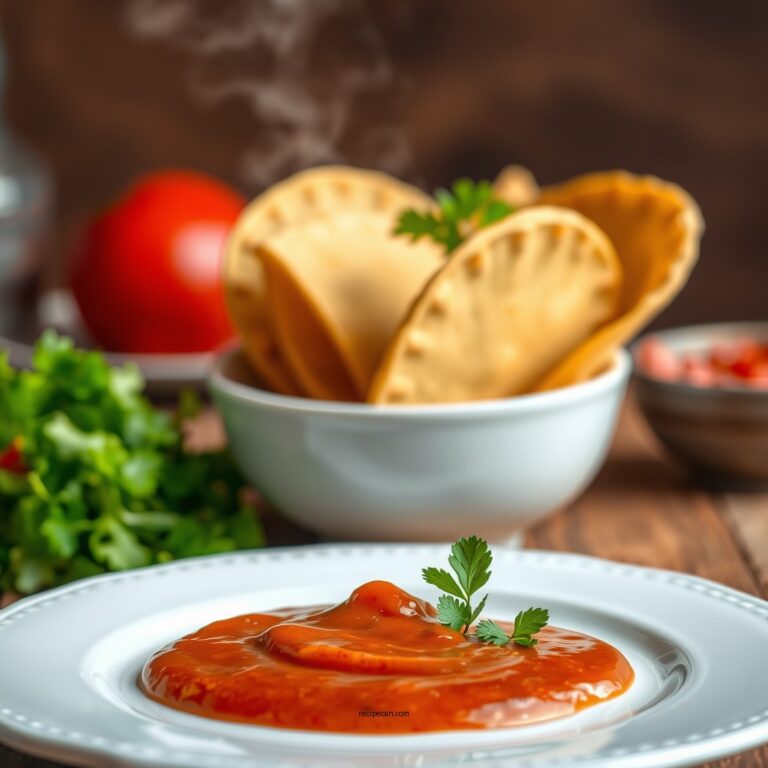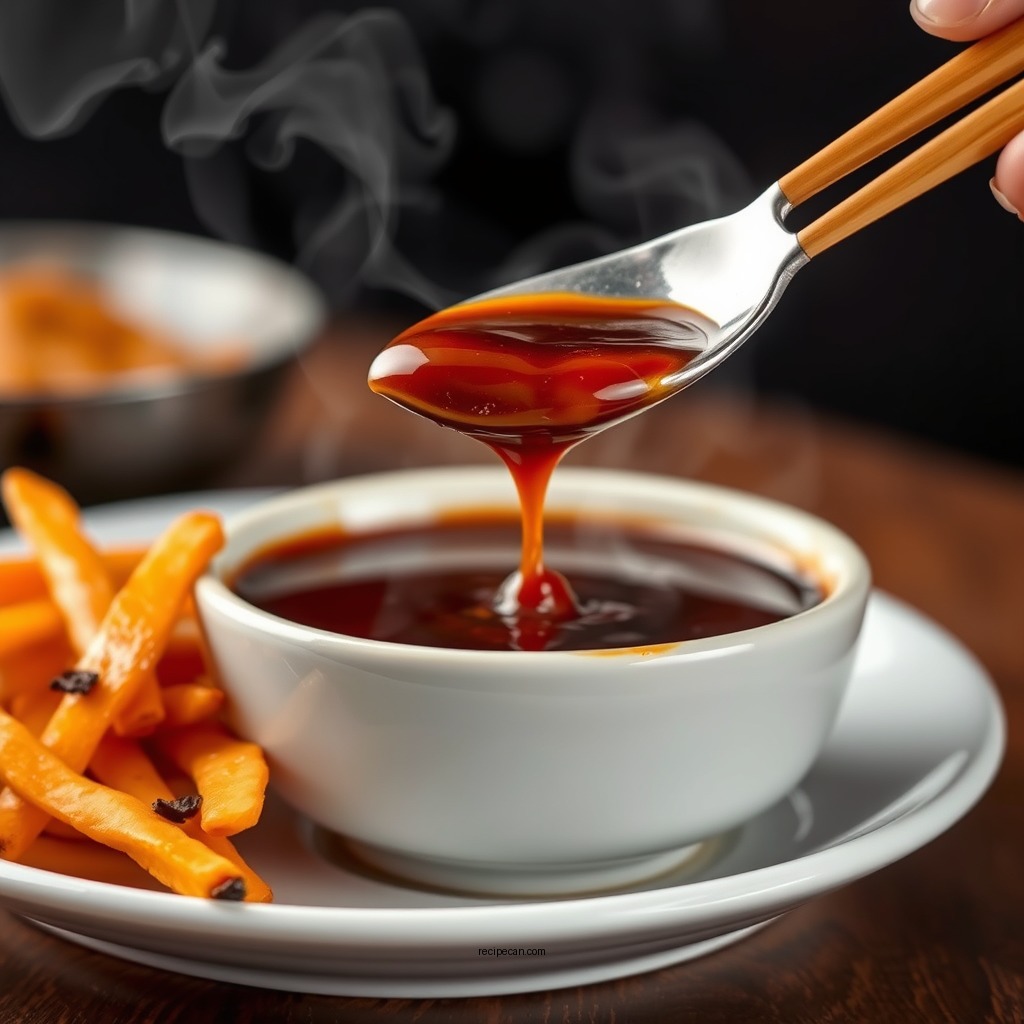
Looking for a delicious Korean BBQ sauce recipe? You’re in the right place! This guide will walk you through a simple yet flavorful sauce that’s perfect for marinating meats or serving as a dipping sauce. With a blend of rich umami from soy sauce, nutty sesame oil, and a hint of sweetness from brown sugar, this easy-to-make sauce is sure to elevate your grilling game and impress your guests with authentic Korean flavors.
Korean BBQ is renowned for its vibrant and diverse flavors, and a well-crafted sauce is integral to the experience. Whether you are hosting a cookout or simply enjoying a weeknight meal, this sauce can enhance a variety of dishes. Let’s dive into the essential ingredients, preparation steps, and creative variations you can explore.
Ingredients You’ll Need
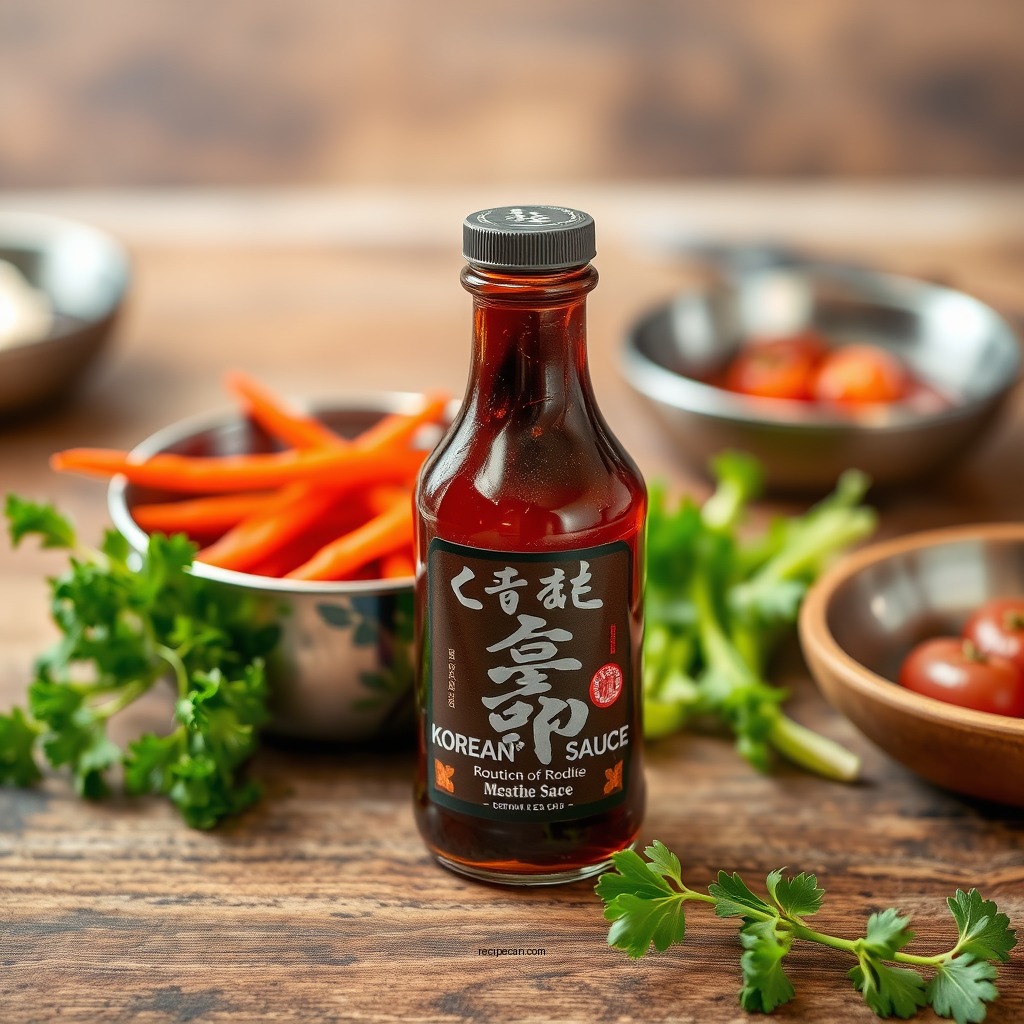
To create an authentic Korean BBQ sauce, you will need the following ingredients:
– Soy Sauce: The backbone of your sauce, soy sauce provides a deep, savory umami flavor. Opt for low-sodium soy sauce if you prefer a less salty taste.
– Sesame Oil: This ingredient adds a rich, nutty flavor that enhances the aromatic quality of the sauce. Toasted sesame oil is preferred for its more intense taste.
– Brown Sugar: This balances the saltiness of the soy sauce with a touch of sweetness. You can substitute it with honey or maple syrup if desired.
– Minced Garlic: Fresh garlic contributes a pungent and zesty flavor that is quintessential in Korean cuisine.
– Ginger: Freshly grated ginger adds warmth and a subtle spiciness that brightens the overall flavor profile.
– Gochugaru (optional): Korean red pepper flakes can be added for a mild heat and a beautiful red color.
– Lime Juice (optional): A splash of lime or lemon juice can elevate the sauce with a refreshing acidity.
Steps to Make the Sauce
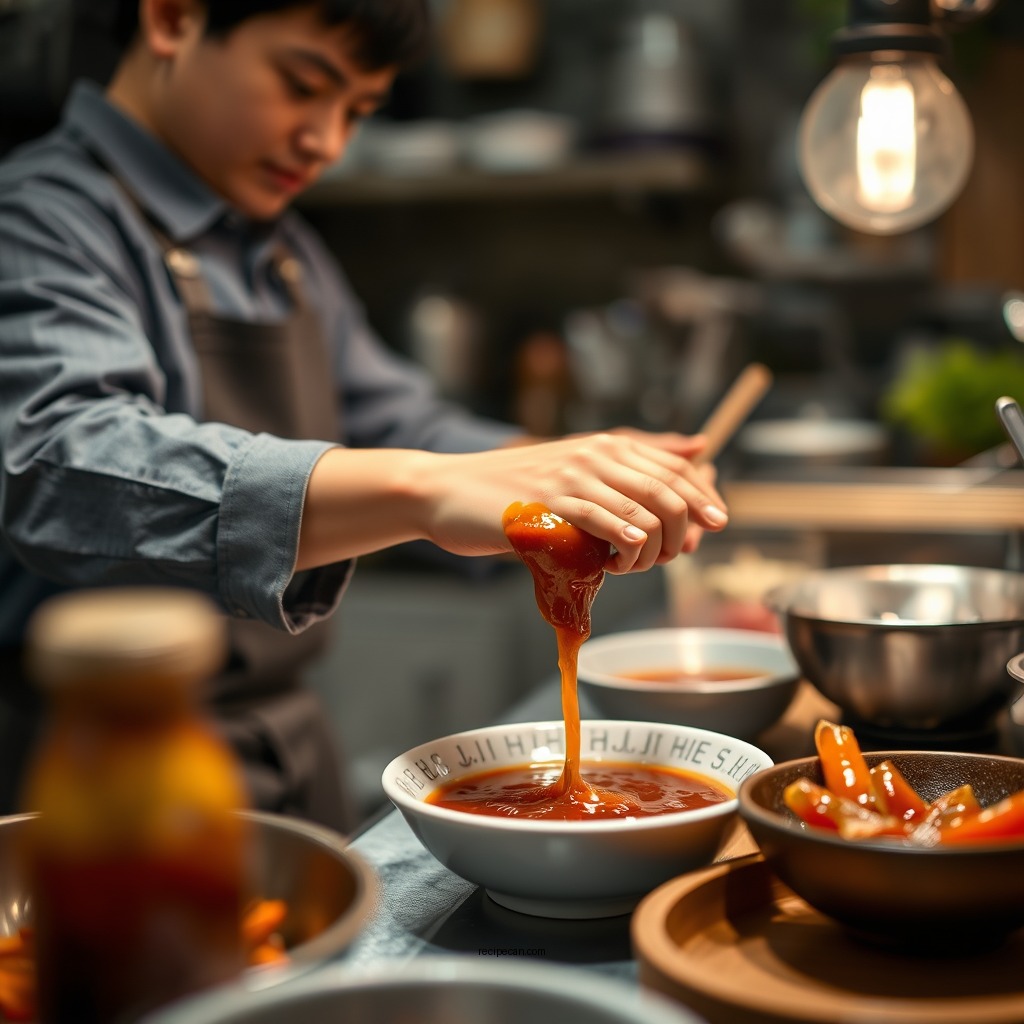
Creating your Korean BBQ sauce is straightforward. Follow these simple steps:
1. Combine all ingredients: In a medium-sized bowl, mix together ½ cup of soy sauce, 2 tablespoons of sesame oil, ¼ cup of brown sugar, 2 cloves of minced garlic, and 1 teaspoon of freshly grated ginger. If you prefer a spicy kick, add 1 tablespoon of gochugaru.
2. Adjust flavors: After mixing, taste your sauce. Depending on your preference, you can tweak the flavors by adding more sugar for additional sweetness or more sesame oil for a richer taste. If you desire more acidity, a squeeze of lime juice can add brightness.
3. Let it rest: For the best flavor, let your sauce sit for at least 15-30 minutes to allow the ingredients to meld together.
Variations for Extra Flavor
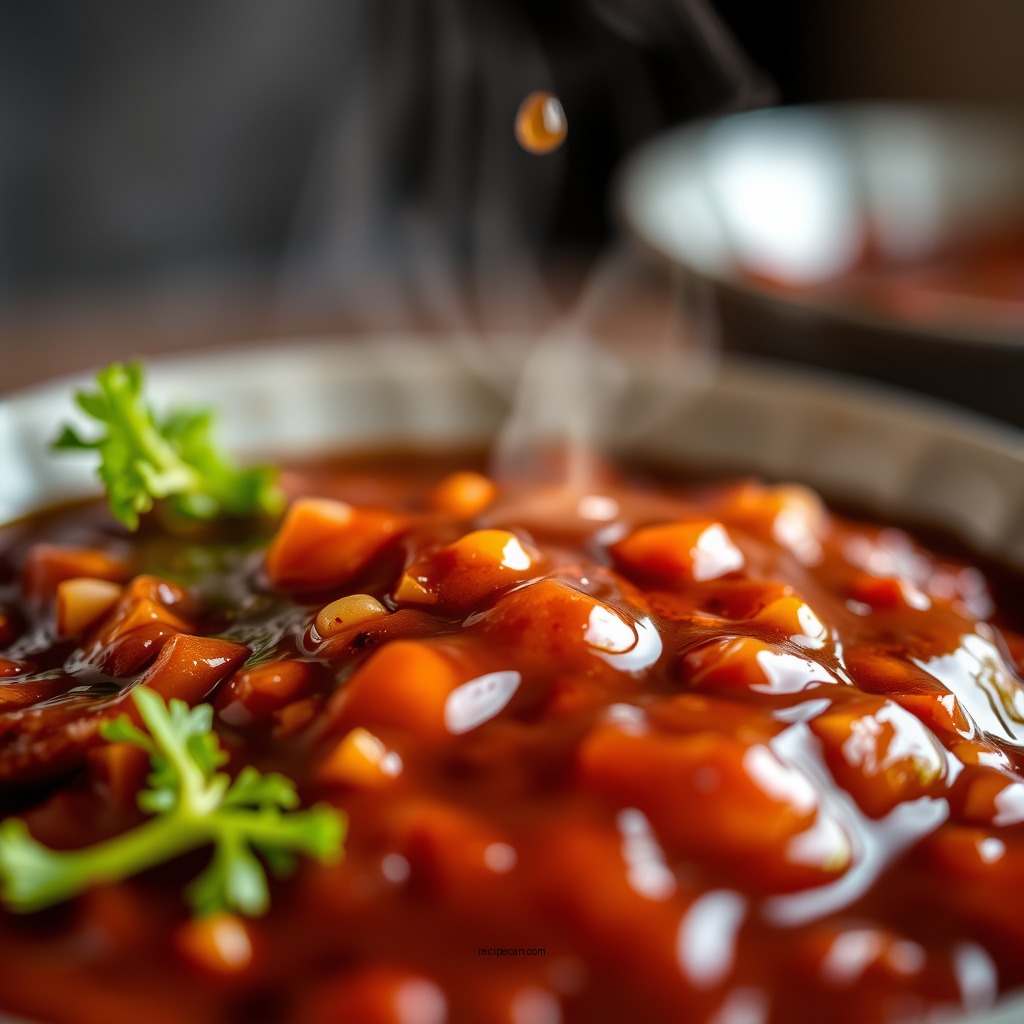
While the basic sauce is delicious, don’t hesitate to experiment with these variations:
– Spicy Kick: If you enjoy heat, consider adding gochujang (Korean chili paste). Start with a teaspoon and adjust to your heat preference. This will also enhance the depth of flavor in your sauce.
– Fruity Twist: Incorporate pureed pear or apple for a sweet, fruity note. This addition not only enhances flavor but also tenderizes meat when used as a marinade.
– Citrus Zest: Add a teaspoon of zest from lime or lemon for an aromatic touch that brightens the flavors.
Perfect Pairings
Korean BBQ sauce is incredibly versatile and pairs well with various ingredients:
– Meats: This sauce works wonderfully with beef, pork, or chicken. Marinate your choice of protein for at least 30 minutes before grilling to infuse the flavors thoroughly. For a classic experience, use it with short ribs or chicken thighs.
– Vegetables: Use the sauce as a marinade for grilled vegetables or tofu. Vegetables like bell peppers, zucchini, and mushrooms absorb the sauce beautifully, adding flavor to your vegetarian dishes.
– Rice and Noodles: Drizzle some sauce over rice or noodles for an easy, flavorful meal.
Tips for Storage
After preparing your sauce, here are some tips for storage to maintain its freshness:
– Refrigeration: Store your sauce in an airtight container in the fridge for up to two weeks. This allows the flavors to continue developing over time.
– Freezing option: If you want to keep it longer, consider freezing the sauce in small portions using ice cube trays. Once frozen, transfer the cubes to a zip-lock bag, and they will last for up to three months.
Serving Suggestions
To maximize the enjoyment of your Korean BBQ sauce, consider these serving suggestions:
– Marinate: For the best results, let your meat sit in the sauce for at least 30 minutes, but preferably several hours or overnight. This ensures the flavors penetrate the meat.
– Dipping Sauce: Serve the sauce alongside grilled meats or as a dressing for salads. It can also be used as a zesty condiment for sandwiches or wraps.
– Flavor Enhancer: Use the sauce as a basting liquid while grilling to keep the meat moist and flavorful.
Top 7 Ingredients for Korean BBQ Sauce
| # | Ingredient | Amount Needed | Flavor Profile |
|---|---|---|---|
| 1 | Soy Sauce | ½ cup | Savory, Umami |
| 2 | Sesame Oil | 2 tbsp | Nutty, Rich |
| 3 | Brown Sugar | ¼ cup | Sweet, Caramel |
| 4 | Minced Garlic | 2 cloves | Pungent, Zesty |
| 5 | Fresh Ginger | 1 tsp | Spicy, Warm |
| 6 | Gochugaru | 1 tbsp | Spicy, Smoky |
| 7 | Lime Juice | 1 tbsp | Tangy, Fresh |
Flavor Profiles of Key Ingredients
Enjoy this easy Korean BBQ sauce that will impress your family and friends at your next cookout. With just a few simple ingredients and easy steps, you can create a flavorful addition to your meals. Don’t hesitate to experiment with variations to make it your own! This sauce not only enhances the taste of grilled meats but also serves as a versatile condiment that can elevate various dishes. By following this guide, you will have a delicious Korean BBQ sauce that embodies the essence of Korean cuisine right in your kitchen.
Frequently Asked Questions
What are the key ingredients for a traditional Korean BBQ sauce recipe?
A traditional Korean BBQ sauce typically includes soy sauce, sesame oil, brown sugar, garlic, ginger, and gochujang (Korean red chili paste). These ingredients create a flavorful balance of sweet, salty, and spicy that enhances the taste of grilled meats. You can also add sesame seeds and green onions for extra texture and flavor.
How can I make a homemade Korean BBQ sauce from scratch?
To make homemade Korean BBQ sauce, combine 1/2 cup of soy sauce, 1/4 cup of brown sugar, 2 tablespoons of sesame oil, 3 minced garlic cloves, 1 tablespoon of grated ginger, and 2 tablespoons of gochujang. Whisk these ingredients together in a bowl until well blended, and adjust the sweetness or spiciness to your preference. This simple recipe is perfect for marinating meats or as a dipping sauce.
Why is gochujang important in a Korean BBQ sauce recipe?
Gochujang is a key ingredient in Korean BBQ sauce because it provides a unique depth of flavor and a signature spiciness that defines Korean cuisine. Its fermented nature adds umami, making the sauce more complex and delicious. Omitting gochujang would result in a less authentic taste, so it’s highly recommended for a true Korean BBQ experience.
What is the best way to store homemade Korean BBQ sauce?
The best way to store homemade Korean BBQ sauce is in an airtight container in the refrigerator, where it can last for up to two weeks. For longer storage, consider freezing the sauce in ice cube trays, which allows you to thaw only what you need for future meals. This method preserves the flavors and makes it convenient for quick use.
Which meats pair well with Korean BBQ sauce?
Korean BBQ sauce pairs excellently with a variety of meats, including beef, pork, chicken, and even tofu for a vegetarian option. Popular choices include beef short ribs (galbi), pork belly (samgyeopsal), and marinated chicken thighs. The rich flavors of the sauce complement the smoky char from grilling, making for a delicious meal.
References
- Korean cuisine
https://en.wikipedia.org/wiki/Korean_cuisine - https://www.ncbi.nlm.nih.gov/pmc/articles/PMC7071159/
https://www.ncbi.nlm.nih.gov/pmc/articles/PMC7071159/ - https://www.sciencedirect.com/topics/food-science/korean-bbq
https://www.sciencedirect.com/topics/food-science/korean-bbq - https://www.bbc.com/food/recipes/korean_bbq_beef_59092
https://www.bbc.com/food/recipes/korean_bbq_beef_59092 - https://www.nytimes.com/2021/05/12/dining/korean-barbecue-recipe.html
https://www.nytimes.com/2021/05/12/dining/korean-barbecue-recipe.html - https://www.theguardian.com/food/2021/oct/22/how-to-make-korean-bbq-at-home
https://www.theguardian.com/food/2021/oct/22/how-to-make-korean-bbq-at-home - Google Scholar Google Scholar
https://scholar.google.com/scholar?q=korean+bbq+sauce+recipe - Google Scholar Google Scholar
https://scholar.google.com/scholar?q=korean+cuisine+recipes - https://scholar.google.com/scholar?q=Korean+barbecue+history Google Scholar
https://scholar.google.com/scholar?q=Korean+barbecue+history - https://www.britannica.com/topic/Korean-cuisine
https://www.britannica.com/topic/Korean-cuisine