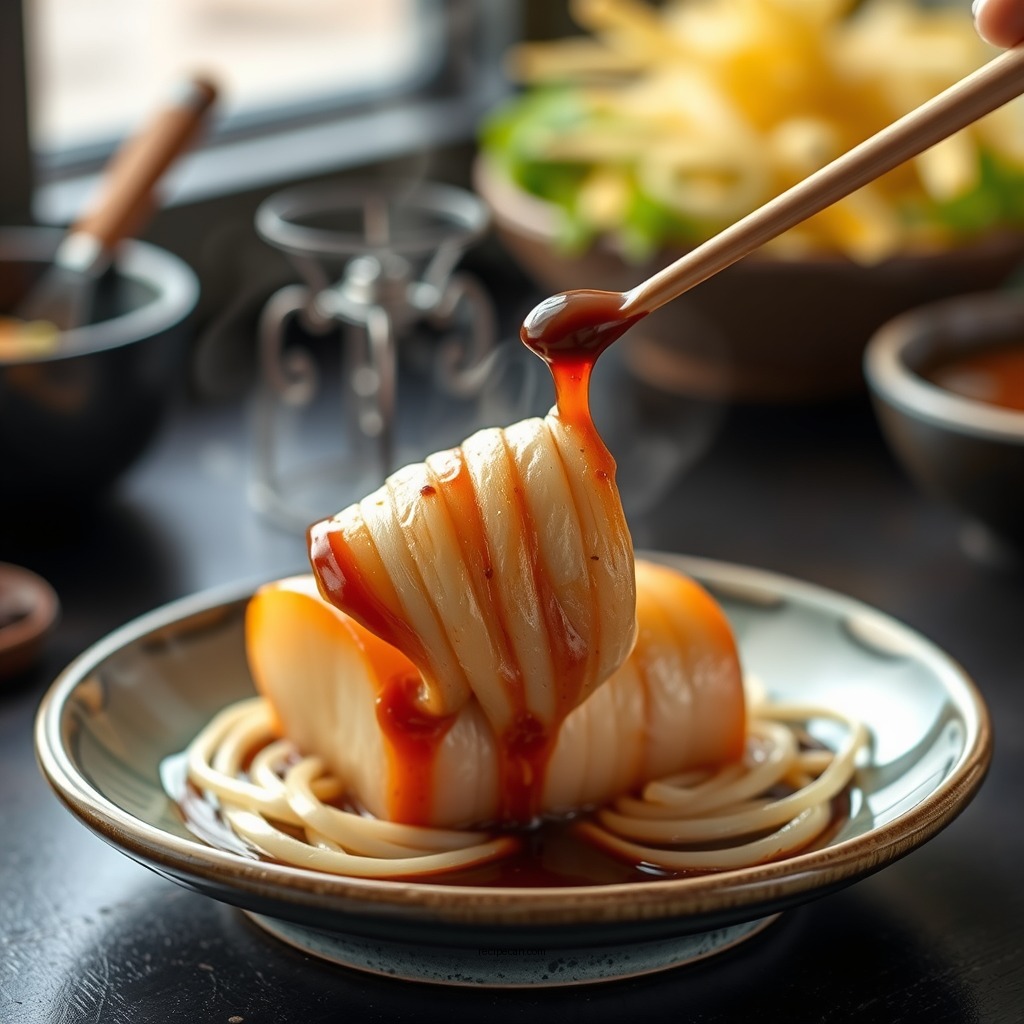
Making unagi sauce at home is simple and rewarding. This rich, sweet, and savory sauce is perfect for glazing grilled eel and enhancing various dishes. In this article, you’ll learn how to create your own unagi sauce from scratch, ensuring an authentic flavor that elevates your meals.
What is Unagi Sauce?
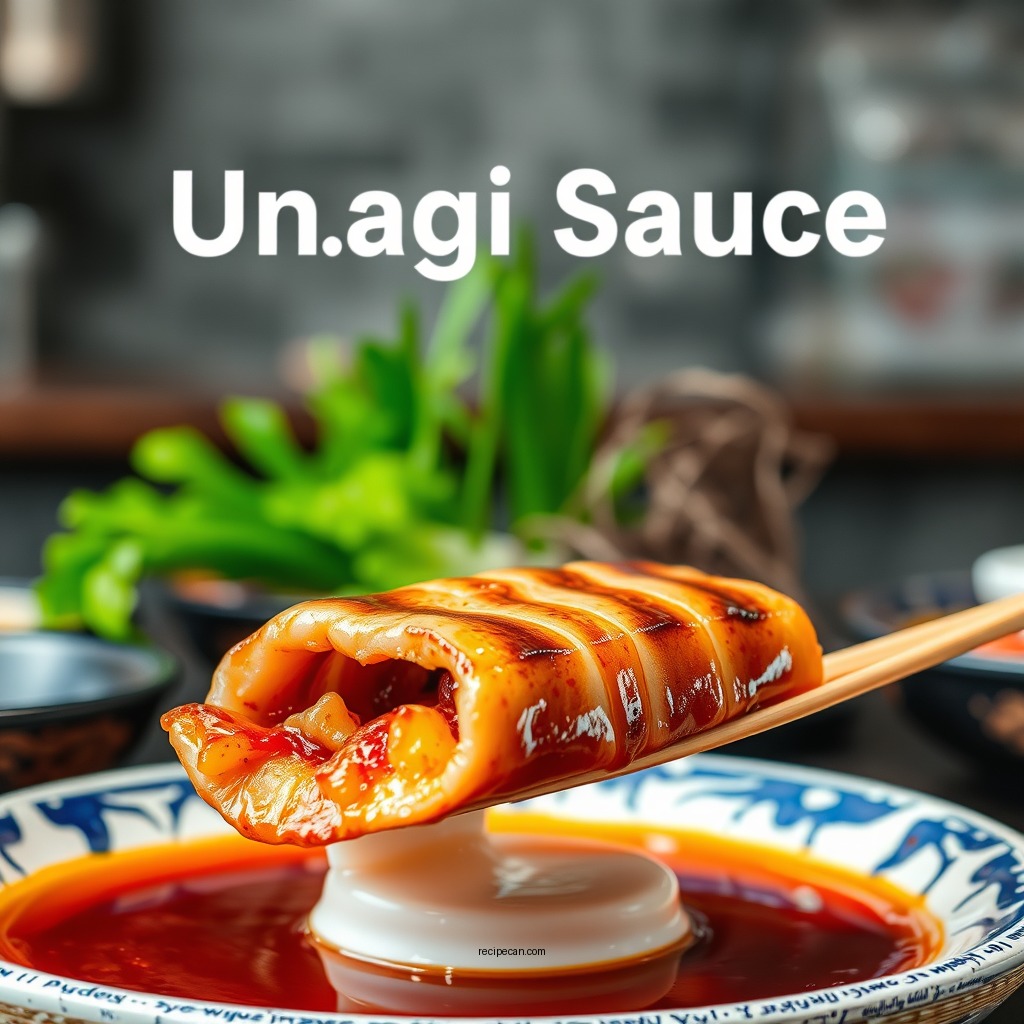
Unagi sauce, also known as eel sauce, is a thick, sweet soy-based condiment that is a staple in Japanese cuisine. This sauce is traditionally used to accompany grilled eel, providing a delectable glaze that balances sweetness with umami. Its unique flavor profile makes it a versatile ingredient that can enhance a variety of dishes beyond eel, including sushi rolls, grilled chicken, and even vegetables. With its glossy texture and rich taste, unagi sauce not only adds flavor but also an appealing presentation to meals.
Essential Ingredients for Unagi Sauce
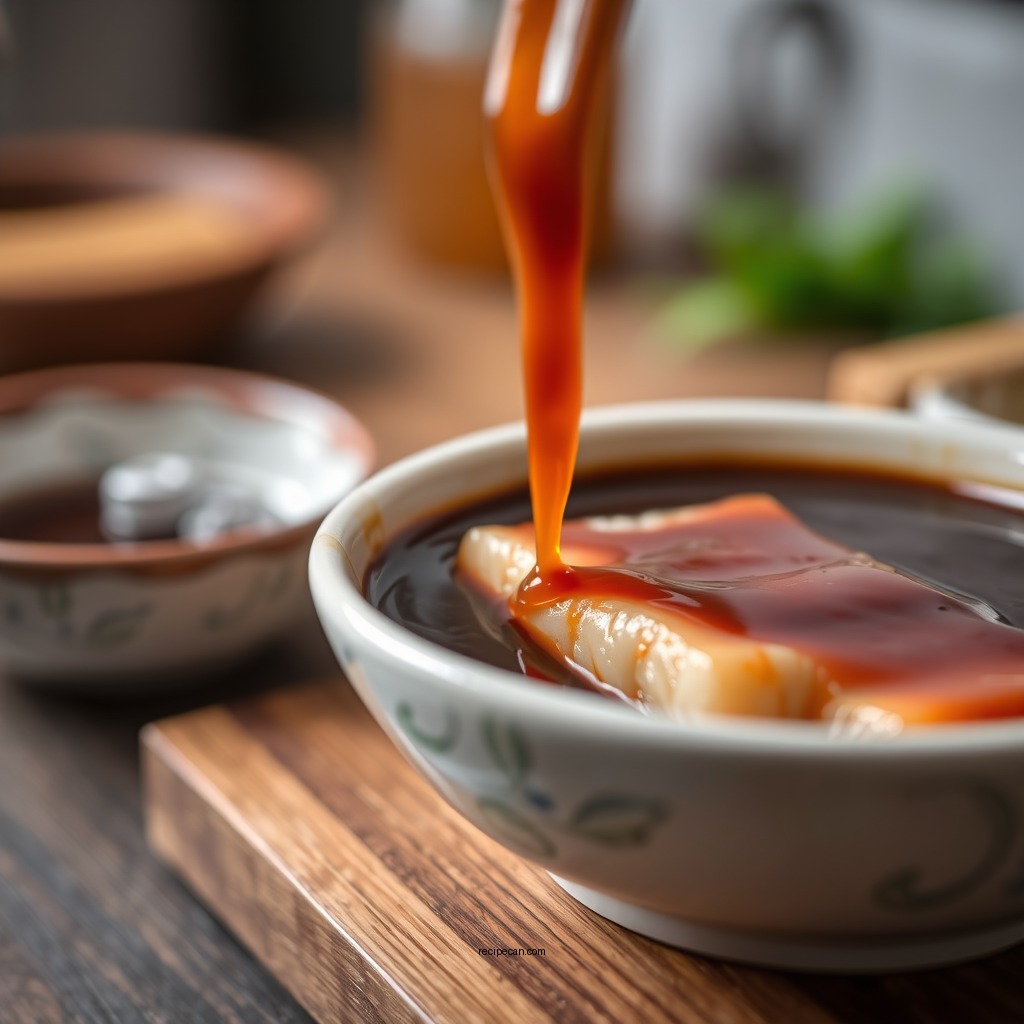
To make a delicious unagi sauce, you will need just three essential ingredients:
– Soy Sauce: The backbone of unagi sauce, soy sauce provides a salty and savory flavor that complements the sweetness. It is crucial to choose a high-quality soy sauce, as the flavor will significantly impact the final result.
– Mirin: This sweet rice wine is key to unagi sauce, contributing both sweetness and depth of flavor. Mirin adds complexity and a touch of acidity, balancing the saltiness of the soy sauce.
– Sugar: While mirin adds sweetness, additional sugar enhances this characteristic and helps to create the syrupy consistency that makes unagi sauce so appealing. You can adjust the amount based on your personal preference for sweetness.
Step-by-Step Unagi Sauce Recipe
Creating your own unagi sauce at home is quite straightforward. Follow these simple steps to achieve a perfect sauce:
1. Combine Ingredients: In a medium saucepan, mix together ½ cup of soy sauce, ½ cup of mirin, and ¼ cup of sugar. Stir until the sugar is fully dissolved.
2. Simmer: Place the saucepan over medium heat and bring the mixture to a gentle simmer. Once it starts bubbling, reduce the heat to low.
3. Thicken: Allow the sauce to simmer gently for about 10-15 minutes, stirring occasionally. As it cooks, the sauce will reduce and thicken to a syrupy consistency.
4. Cool: Once the desired thickness is achieved, remove the saucepan from the heat and let the sauce cool. It will thicken further as it cools.
5. Store: Transfer the sauce to a clean, airtight container for storage.
📋 Data Table: Nutritional Information of Unagi Sauce
Nutritional Information of Unagi Sauce (per tablespoon)
| # | Nutrient | Amount |
|---|---|---|
| 1 | Calories | 40 |
| 2 | Total Fat | 0g |
| 3 | Sodium | 500mg |
| 4 | Carbohydrates | 10g |
| 5 | Sugars | 9g |
| 6 | Protein | 1g |
📈 Bar Chart: Flavor Profile of Unagi Sauce
Flavor Profile of Unagi Sauce (Scale of 1-10)
Tips for Perfecting Your Unagi Sauce
To achieve the best flavor and consistency in your homemade unagi sauce, consider the following tips:
– Use High-Quality Soy Sauce: The type of soy sauce you choose can greatly affect the flavor of your unagi sauce. Opt for a naturally brewed soy sauce for a more complex taste.
– Adjust Sweetness: Depending on your preference, you can modify the ratio of sugar and mirin. If you enjoy a sweeter sauce, increase the sugar slightly, but be cautious as too much can overpower the other flavors.
– Experiment with Other Ingredients: While the classic recipe is delightful on its own, feel free to experiment by adding a pinch of garlic powder or sesame oil for an additional layer of flavor.
– Monitor Cooking Time: Over-simmering can lead to an overly thick sauce. Keep an eye on it and remove it from heat once it reaches your desired consistency.
Serving Suggestions for Unagi Sauce
Unagi sauce is incredibly versatile and can enhance a variety of dishes. Here are some serving suggestions to inspire your culinary creations:
– Grilled Eel: The most traditional use of unagi sauce is as a glaze for grilled eel, known as “unagi.” Brush it on just before serving for a glossy finish.
– Sushi Rolls: Drizzle unagi sauce over sushi rolls to add a sweet and savory kick. It pairs particularly well with rolls featuring eel or tempura vegetables.
– Rice Dishes: Use unagi sauce as a finishing touch for rice bowls, stir-fries, or even plain steamed rice to elevate the flavor.
– Marinade for Meats: Marinate chicken, pork, or tofu in unagi sauce for a delicious grilling or baking option.
– Dipping Sauce: Serve unagi sauce as a dipping sauce for grilled vegetables, tempura, or even fresh spring rolls.
Storing and Preserving Unagi Sauce
To ensure the longevity of your homemade unagi sauce, proper storage is essential:
– Refrigeration: Store your unagi sauce in an airtight container in the refrigerator for up to two weeks. This will help maintain its flavor and quality.
– Freezing: If you want to keep it longer, consider freezing the sauce. Transfer it to a freezer-safe container or ice cube trays for convenient portion sizes. Thaw before use, and shake or stir well to recombine.
Homemade unagi sauce is not only easy to make but also adds a delicious touch to many dishes. With just a few simple ingredients and straightforward steps, you can create a rich, flavorful sauce that elevates your culinary creations. Whether you’re glazing grilled eel or enhancing sushi rolls, this versatile sauce is sure to impress your family and friends. Try making your unagi sauce today and enjoy the authentic flavor it brings to your meals!
Frequently Asked Questions
What ingredients are needed for a basic unagi sauce recipe?
A basic unagi sauce recipe typically requires soy sauce, mirin, sake, and sugar. These ingredients combine to create a sweet and savory glaze that is perfect for grilled eel and other dishes. Make sure to use high-quality soy sauce and mirin for the best flavor.
How do you make unagi sauce at home?
To make unagi sauce at home, combine equal parts soy sauce and mirin in a saucepan, then add a tablespoon of sake and sugar to taste. Heat the mixture over medium heat until it simmers, allowing the sugar to dissolve and the sauce to thicken slightly. Once it reaches your desired consistency, remove it from the heat and let it cool before using.
Why is unagi sauce important in Japanese cuisine?
Unagi sauce is crucial in Japanese cuisine as it enhances the flavor of grilled eel (unagi) and other dishes. Its rich, umami taste adds depth and complexity, making it a beloved condiment in many Japanese meals. Additionally, the glaze is often used to elevate sushi and grilled vegetables, showcasing its versatility.
What is the best way to store homemade unagi sauce?
The best way to store homemade unagi sauce is in an airtight container in the refrigerator. It can last for up to two weeks when properly stored, allowing you to enjoy its flavors in various dishes. Be sure to let the sauce cool completely before refrigerating to maintain its quality.
Which dishes pair well with unagi sauce?
Unagi sauce pairs well with a variety of dishes, including grilled eel, sushi rolls, and grilled vegetables. It can also enhance the flavor of rice bowls and teriyaki chicken. Experimenting with different foods can help you discover new and delicious combinations that highlight the sauce’s sweet and savory notes.
References
- Unagi
https://en.wikipedia.org/wiki/Unagi - https://www.sciencedirect.com/topics/food-science/unagi
https://www.sciencedirect.com/topics/food-science/unagi - Google Scholar Google Scholar
https://scholar.google.com/scholar?q=unagi+sauce+recipe - https://www.ncbi.nlm.nih.gov/pmc/articles/PMC4381081/
https://www.ncbi.nlm.nih.gov/pmc/articles/PMC4381081/ - https://www.bbc.com/food/recipes/unagi_sauce_71209
https://www.bbc.com/food/recipes/unagi_sauce_71209 - https://www.verywellfit.com/unagi-sauce-5196687
https://www.verywellfit.com/unagi-sauce-5196687 - https://www.jstor.org/stable/10.5325/japanstudies.1.1.0123
https://www.jstor.org/stable/10.5325/japanstudies.1.1.0123 - Google Scholar Google Scholar
https://scholar.google.com/scholar?q=unagi+sauce - https://www
https://www - Detail
https://www.who.int/news-room/fact-sheets/detail/nutrition