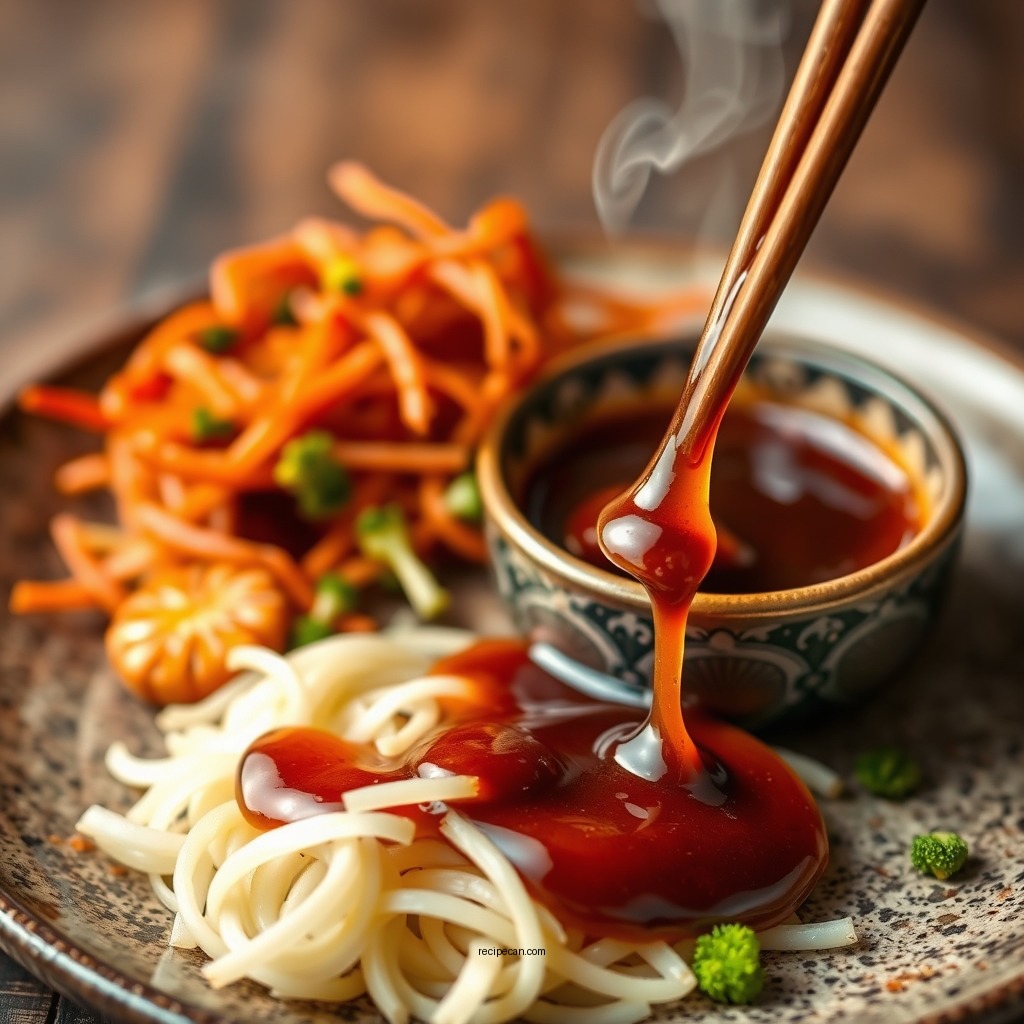
If you’re looking for a quick and delicious teriyaki sauce recipe, you’ve come to the right place. This simple homemade version combines essential ingredients to create a flavorful sauce perfect for glazing, marinating, or dipping. In just a few minutes, you can whip up a batch that will elevate any dish, providing an authentic taste that rivals any store-bought alternative.
Teriyaki sauce, a staple in Japanese cuisine, is known for its sweet and savory flavor profile. It typically consists of soy sauce, sugar, and a hint of acidity from mirin or vinegar. Making your own version allows for customization according to personal taste while ensuring the absence of preservatives found in many commercial products.
Ingredients You’ll Need

1. Soy Sauce: This is the foundational ingredient of teriyaki sauce. It imparts a rich umami flavor that is both salty and savory. Opt for low-sodium soy sauce if you’re looking to cut back on salt without sacrificing flavor.
2. Brown Sugar: Using brown sugar adds a deeper sweetness and a touch of molasses that balances the saltiness of the soy sauce. You can substitute it with honey or maple syrup for a different flavor profile.
3. Mirin or Rice Vinegar: Mirin, a sweet rice wine, is traditional for teriyaki sauce, adding a delicate sweetness and acidity. If you don’t have mirin, rice vinegar can serve as a substitute, though it may require a bit more sugar to achieve the desired sweetness.
4. Cornstarch: To thicken the sauce, cornstarch is often added, giving it a glossy finish that clings beautifully to meats and vegetables.
With these ingredients on hand, you’re well on your way to creating a versatile sauce that enhances a variety of dishes.
Step-by-Step Preparation
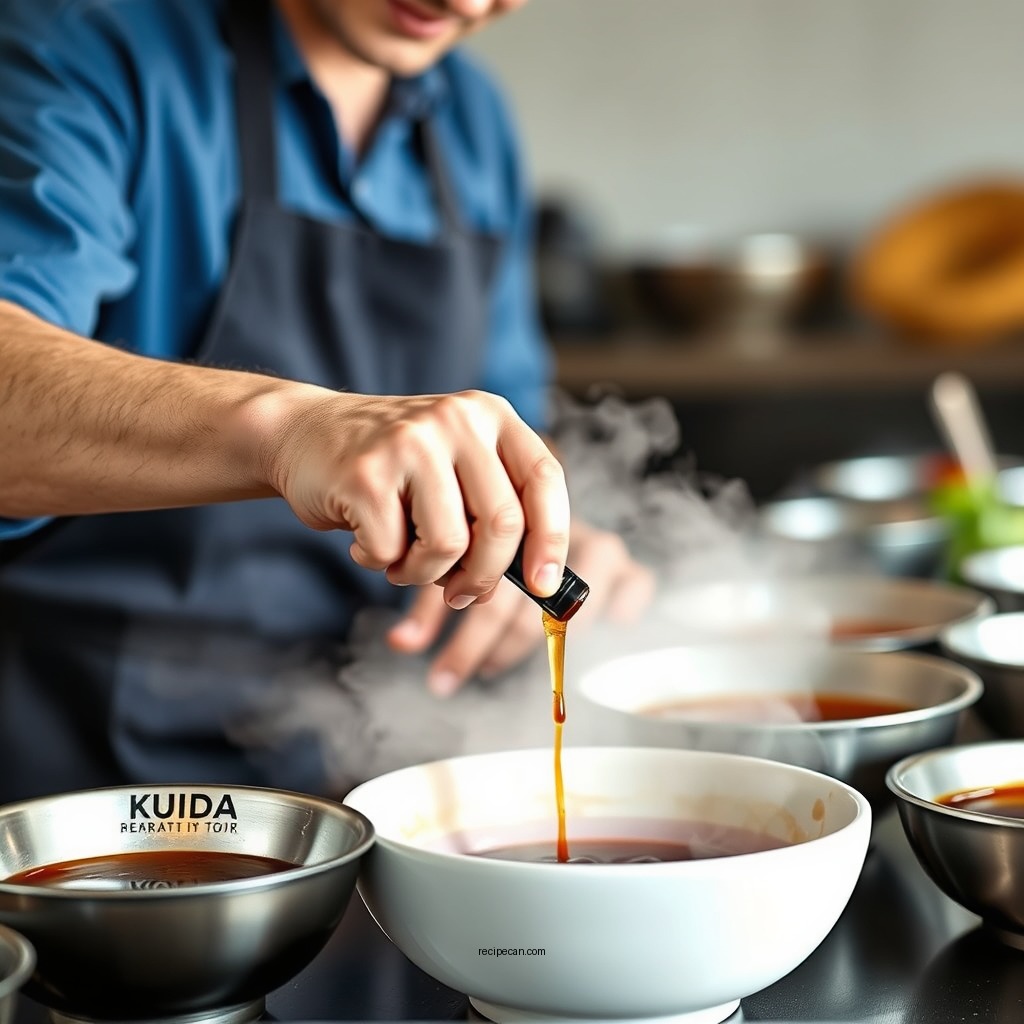
1. Combine Ingredients: In a medium-sized saucepan, mix together 1 cup of soy sauce, 1 cup of brown sugar, and 1/2 cup of mirin. Stir well to ensure the sugar begins to dissolve.
2. Heat Gently: Place the saucepan over medium heat. Allow the mixture to warm up, stirring occasionally. It’s crucial to keep the heat moderate to prevent the sauce from burning. Heat until the sugar is fully dissolved, which should take about 3-5 minutes.
3. Thicken the Sauce: In a small bowl, mix 1 tablespoon of cornstarch with 2 tablespoons of cold water to create a slurry. Slowly add this to your saucepan while stirring continuously. Continue to cook for an additional 2-3 minutes until the sauce has thickened to your desired consistency.
4. Cool and Store: Once thickened, remove the sauce from heat and let it cool. Transfer it to a clean, airtight container to store in the refrigerator.
Flavor Variations to Try
To make your homemade teriyaki sauce even more exciting, consider experimenting with these flavorful variations:
1. Ginger and Garlic: Enhance the depth of flavor by adding 1-2 teaspoons of freshly grated ginger and 1-2 cloves of minced garlic. This addition gives your sauce a robust flavor that pairs well with grilled meats and stir-fried vegetables.
2. Sesame Oil: A splash of sesame oil not only adds a nutty richness to the sauce but also enhances its aroma. Use it sparingly, about a teaspoon, to prevent overpowering the other flavors.
3. Pineapple Juice: For a tropical twist, substitute half of the soy sauce with fresh pineapple juice. This adds a fruity sweetness that complements grilled chicken or shrimp perfectly.
4. Spicy Kick: If you enjoy heat, consider adding a teaspoon of sriracha or red pepper flakes to the sauce for a spicy version that pairs well with stir-fries and grilled meats.
Storage Tips
1. Refrigeration: Store any leftover sauce in an airtight container in the refrigerator. It can last up to two weeks, making it a great option for meal prep or last-minute flavor enhancement.
2. Freezing: If you want to keep the teriyaki sauce for a longer period, you can freeze it in ice cube trays. Once frozen, transfer the cubes to a freezer bag for easy portion control. Simply thaw as needed.
How to Use Teriyaki Sauce
1. Marinade: Use your homemade teriyaki sauce to marinate proteins like chicken, beef, or tofu. Allow them to marinate for at least 30 minutes before grilling or baking to infuse deep flavor.
2. Stir-fry: Add teriyaki sauce to your stir-fry dishes towards the end of cooking. This will coat your vegetables and proteins with a delicious glaze that enhances the overall taste.
3. Dipping Sauce: It also serves as an excellent dipping sauce for appetizers like spring rolls, tempura vegetables, or grilled skewers, adding an extra layer of flavor.
4. Glazing: Brush the teriyaki sauce onto grilled meats or roasted vegetables during the last few minutes of cooking to create a shiny, caramelized finish.
Common Mistakes to Avoid
1. Overcooking: One of the most common mistakes is boiling the sauce for too long. This can lead to a burnt flavor and bitterness. Keep the heat moderate and stir regularly.
2. Skipping Thickening: Not using a thickening agent can result in a sauce that is too watery, which may not adhere well to your dishes. Always include a thickening agent to achieve that desirable glaze.
3. Ignoring Flavor Balance: Taste your sauce as you prepare it. If it’s too salty, add a bit more sugar; if it’s too sweet, a splash of vinegar can help balance it out.
4. Rushing the Cooling Process: Allow the sauce to cool completely before storing. This prevents condensation in the container, which can dilute the flavor over time.
By following this easy homemade teriyaki sauce recipe, you can create a flavorful addition to your meals that rivals store-bought options. Experiment with the suggested variations and find your perfect balance of flavors. Enjoy your culinary creations and share your favorite uses for this versatile sauce!
Common Ingredients in Teriyaki Sauce Variations
| # | Ingredient | Usage in Recipes | Flavor Profile | Common Use |
|---|---|---|---|---|
| 1 | Soy Sauce | Base ingredient | Salty, Umami | Marinades |
| 2 | Brown Sugar | Sweetness | Sweet, Rich | Glazing |
| 3 | Mirin | Acidity | Sweet, Tangy | Dressings |
| 4 | Cornstarch | Thickening | Neutral | Sauce Consistency |
| 5 | Ginger | Depth | Spicy, Zesty | Flavor Enhancer |
| 6 | Garlic | Aromatics | Savory, Pungent | Dips |
| 7 | Sesame Oil | Nutty flavor | Nutty, Rich | Finishing Oil |
Top Flavor Enhancements for Teriyaki Sauce
In conclusion, creating an easy homemade teriyaki sauce is a simple process that requires just a few ingredients and minimal time. By making your own, you can customize the flavors to suit your preferences, ensuring a delicious addition to a variety of dishes. From marinades to dips, the possibilities are endless. Don’t hesitate to experiment with different flavor enhancements, and enjoy the satisfaction of crafting a sauce that can elevate your culinary creations.
Frequently Asked Questions
What ingredients do I need for a homemade teriyaki sauce?
To make a simple homemade teriyaki sauce, you will need soy sauce, sake or rice vinegar, mirin, sugar, and garlic. These ingredients combine to create a rich and flavorful sauce that can be used for marinades, glazing meats, or stir-frying vegetables.
How do I make teriyaki sauce from scratch?
To make teriyaki sauce from scratch, start by combining 1/2 cup of soy sauce, 1/4 cup of sake or rice vinegar, 1/4 cup of mirin, and 1/4 cup of brown sugar in a saucepan. Heat over medium heat, stirring until the sugar dissolves, then add minced garlic and cook for an additional minute. Allow the sauce to cool before using it for your favorite dishes.
Why is my teriyaki sauce too salty, and how can I adjust it?
If your teriyaki sauce is too salty, it may be due to using a higher sodium soy sauce or not balancing it with enough sweetness. To adjust it, you can add a bit more sugar or honey, or dilute the sauce with water or low-sodium soy sauce to achieve your desired flavor.
What is the best way to store homemade teriyaki sauce?
The best way to store homemade teriyaki sauce is in an airtight container or jar in the refrigerator. It can typically last for up to two weeks when stored properly. For longer storage, consider freezing the sauce in ice cube trays and transferring the cubes to a freezer bag for future use.
Which dishes pair well with teriyaki sauce?
Teriyaki sauce pairs well with a variety of dishes, including grilled chicken, salmon, tofu, stir-fried vegetables, and rice bowls. Its sweet and savory profile enhances the flavors of meats and veggies, making it a versatile sauce for both Asian-inspired and fusion recipes.
References
- Teriyaki
https://en.wikipedia.org/wiki/Teriyaki - https://www.bbc.co.uk/food/recipes/teriyaki_chicken_13194
https://www.bbc.co.uk/food/recipes/teriyaki_chicken_13194 - NYT Cooking – Recipes and Cooking Guides From The New York Times
https://www.nytimes.com/recipe/teriyaki-sauce - https://www.sciencedirect.com/topics/food-science/teriyaki-sauce
https://www.sciencedirect.com/topics/food-science/teriyaki-sauce - https://www.ncbi.nlm.nih.gov/pmc/articles/PMC7022595/
https://www.ncbi.nlm.nih.gov/pmc/articles/PMC7022595/ - https://www.britannica.com/topic/teriyaki-sauce
https://www.britannica.com/topic/teriyaki-sauce - Google Scholar Google Scholar
https://scholar.google.com/scholar?q=teriyaki+sauce+recipe - Google Scholar Google Scholar
https://scholar.google.com/scholar?q=teriyaki+sauce+ingredients - Google Scholar Google Scholar
https://scholar.google.com/scholar?q=teriyaki+sauce+history - https://www.nutrition.gov/topics/food-safety/recipes-and-cooking/teriyaki-sauce
https://www.nutrition.gov/topics/food-safety/recipes-and-cooking/teriyaki-sauce