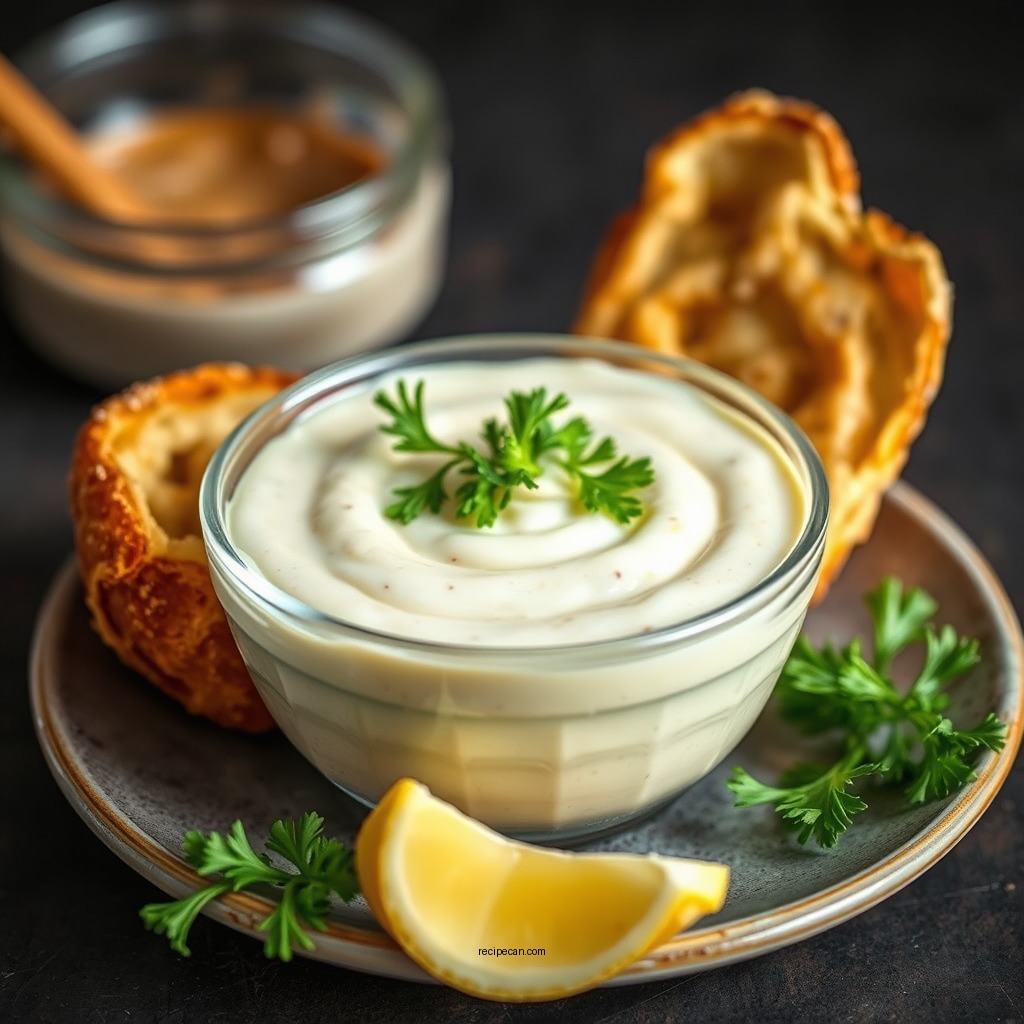
Creating your own tartar sauce at home is not only simple but also incredibly satisfying. With just a few basic ingredients, you can prepare a creamy and flavorful condiment that enhances any seafood dish. In this article, you will learn how to make a classic tartar sauce, explore some delicious variations, and discover expert tips to elevate the flavor and freshness of your homemade sauce.
Basic Ingredients for Tartar Sauce
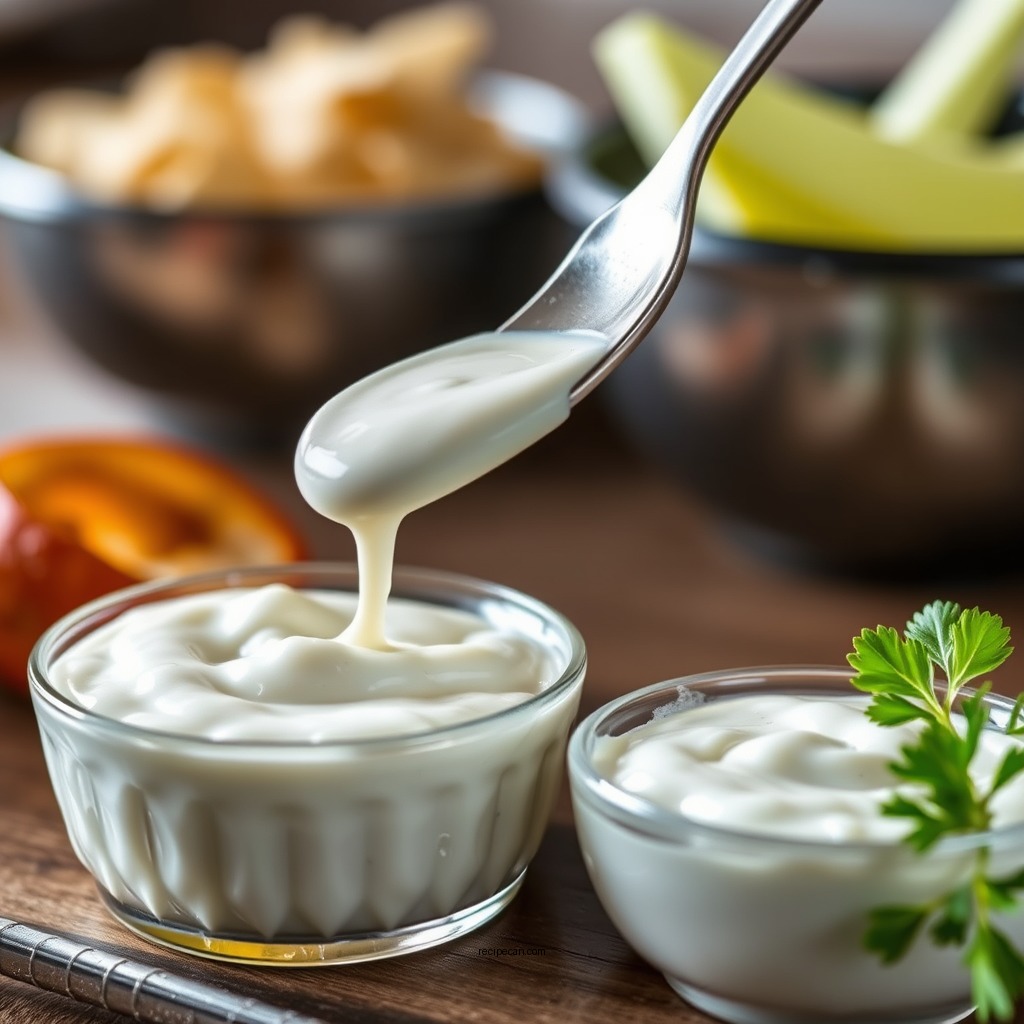
The beauty of tartar sauce lies in its simplicity. Here are the core ingredients you will need:
– Mayonnaise: This is the foundational ingredient of tartar sauce, providing the creamy texture that many people love. Mayonnaise can be store-bought or homemade, depending on your preference.
– Pickles: Finely chopped dill pickles or pickle relish contribute a tangy flavor that balances the richness of the mayonnaise. For those who prefer a less tangy taste, sweet pickles can also be used.
– Lemon Juice: Fresh lemon juice adds brightness and acidity, enhancing the overall flavor profile of the tartar sauce. Avoid bottled lemon juice, as it may contain preservatives that can alter the taste.
Together, these ingredients create a harmonious blend that is perfect for a variety of dishes.
Step-by-Step Guide to Making Tartar Sauce
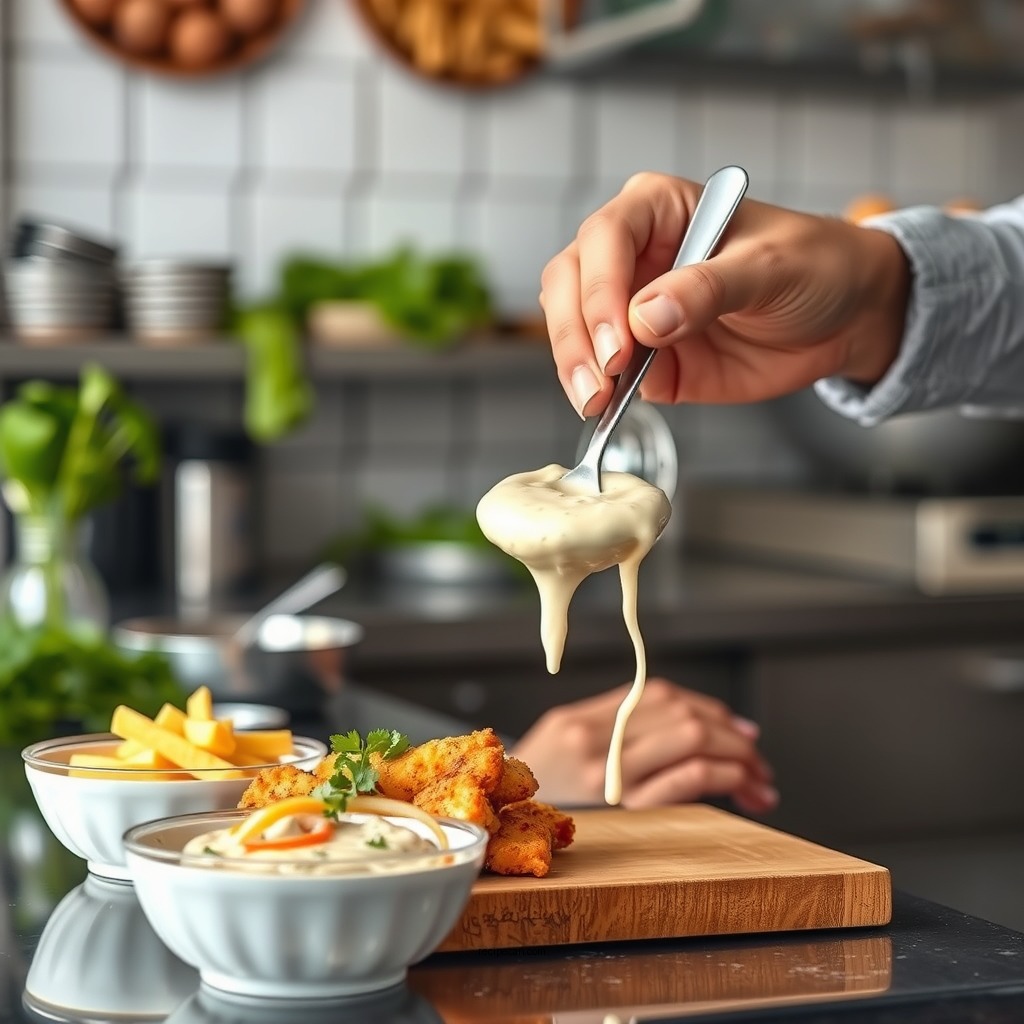
Making homemade tartar sauce is a straightforward process. Follow these simple steps:
1. Combine: In a medium-sized bowl, mix together one cup of mayonnaise, 2-3 tablespoons of finely chopped pickles (or relish), and the juice of half a lemon. Stir until the ingredients are well blended.
2. Season: Season the mixture with salt and pepper to taste. You can also add optional ingredients like a teaspoon of Dijon mustard or a pinch of cayenne pepper for additional flavor.
3. Chill: For the best flavor, cover the bowl and let the tartar sauce chill in the refrigerator for at least 30 minutes before serving. This allows the flavors to meld beautifully.
By following these steps, you’ll have a fresh and delicious tartar sauce ready to enhance your meals.
Variations on Classic Tartar Sauce
While the classic tartar sauce is delightful on its own, experimenting with variations can add exciting new flavors. Here are some ideas:
– Spicy Tartar Sauce: If you enjoy a kick, consider adding sriracha, horseradish, or a touch of hot sauce to the mix. This variation pairs wonderfully with fried seafood.
– Herb-Infused: Fresh herbs can elevate the taste of your tartar sauce. Adding finely chopped fresh dill, parsley, or chives gives it a refreshing twist and enhances the visual appeal.
– Capers: Including chopped capers in your tartar sauce introduces a briny flavor that complements seafood exceptionally well. Just a tablespoon can make a significant difference.
To further illustrate the different variations, here’s a comparison of classic and alternative tartar sauce recipes:
Tartar Sauce Variations (Ingredients)
| # | Variation | Key Ingredients | Flavor Profile |
|---|---|---|---|
| 1 | Classic Tartar Sauce | Mayonnaise, Pickles, Lemon Juice | Creamy, Tangy |
| 2 | Spicy Tartar Sauce | Mayonnaise, Pickles, Lemon Juice, Sriracha | Creamy, Spicy |
| 3 | Herb-Infused Tartar Sauce | Mayonnaise, Pickles, Lemon Juice, Fresh Herbs | Creamy, Fresh |
| 4 | Capers Tartar Sauce | Mayonnaise, Pickles, Lemon Juice, Capers | Creamy, Briny |
Tips for the Best Tartar Sauce
To ensure your homemade tartar sauce reaches its full potential, keep these tips in mind:
– Quality Ingredients: The flavor of your tartar sauce is largely dependent on the quality of the ingredients. Opt for high-quality mayonnaise for a superior taste, and use fresh lemons for the best juice.
– Adjust to Taste: Don’t hesitate to modify the ingredient ratios based on your preferences. If you prefer a tangier sauce, add more lemon juice or pickles. For a creamier texture, increase the amount of mayonnaise.
– Serve Fresh: For optimal flavor, consume your tartar sauce within a week. The ingredients may separate or lose their freshness over time, so it’s best enjoyed shortly after preparation.
Common Uses for Tartar Sauce
Tartar sauce is not only a condiment for seafood; it can be used in various culinary applications:
– Seafood Dishes: This sauce pairs exceptionally well with fried fish, shrimp, and crab cakes, enhancing their flavors and adding a creamy texture.
– Sandwich Spread: Tartar sauce can be a delicious addition to fish sandwiches or even as a spread for burgers. It adds a unique twist compared to standard condiments.
– Veggie Dipping Sauce: For a healthier option, use tartar sauce as a dip for fresh vegetables like carrots, cucumbers, and celery. It provides a creamy complement that makes raw veggies more appealing.
Storing Tartar Sauce
To maintain the freshness and flavor of your homemade tartar sauce, follow these storage guidelines:
– Refrigeration: Store your tartar sauce in an airtight container in the refrigerator. This helps prevent contamination and keeps the sauce fresh for longer.
– Shelf Life: Generally, homemade tartar sauce can last about one week in the refrigerator. Always check for any changes in color, smell, or texture before consumption.
Homemade Tartar Sauce Usage Statistics (2024)
Summarizing the process of making tartar sauce shows how easy it is to create this flavorful condiment at home. Whether you choose to stick to the classic recipe or experiment with variations, homemade tartar sauce enhances your meals. Try making it today and elevate your seafood dining experience!
Frequently Asked Questions
What ingredients do I need to make a basic tartar sauce?
To make a basic tartar sauce, you’ll need mayonnaise, diced pickles or relish, lemon juice, and Dijon mustard. Optional ingredients can include chopped capers, onions, or herbs like dill for added flavor. This simple combination creates a creamy and tangy sauce perfect for seafood dishes.
How can I customize my tartar sauce recipe to enhance the flavor?
You can customize your tartar sauce by adding ingredients like minced garlic, freshly chopped herbs, or a dash of hot sauce to give it a kick. For a sweeter profile, consider incorporating a touch of sugar or honey. Experimenting with these variations allows you to create a tartar sauce that perfectly complements your personal taste and the dishes you’re serving.
Why is homemade tartar sauce better than store-bought?
Homemade tartar sauce is often fresher and allows for complete control over the ingredients, making it a healthier option compared to store-bought versions. You can tailor the flavor and texture to your liking, avoiding preservatives and artificial additives commonly found in commercial brands. Additionally, making it at home is quick and easy, providing a delicious accompaniment to your meals.
What dishes pair well with tartar sauce?
Tartar sauce pairs exceptionally well with fried seafood like fish and chips, crab cakes, and shrimp. It also serves as a delightful dip for vegetable platters or as a spread in sandwiches and burgers. Its creamy, tangy flavor enhances a variety of dishes, making it a versatile condiment in your kitchen.
Which types of mustard work best in tartar sauce recipes?
Dijon mustard is a popular choice for tartar sauce, as it adds a nice tang without overwhelming the other flavors. However, yellow mustard can be used for a milder taste, while whole grain mustard offers a unique texture and depth. Ultimately, the best mustard for your tartar sauce depends on your flavor preferences and the overall profile you wish to achieve.
References
- Tartar sauce
https://en.wikipedia.org/wiki/Tartar_sauce - https://www.ncbi.nlm.nih.gov/pmc/articles/PMC7010558/
https://www.ncbi.nlm.nih.gov/pmc/articles/PMC7010558/ - https://www.ncbi.nlm.nih.gov/pmc/articles/PMC7832805/
https://www.ncbi.nlm.nih.gov/pmc/articles/PMC7832805/ - https://www.mayoclinic.org/diseases-conditions/food-allergy/symptoms-causes/syc-20376739
https://www.mayoclinic.org/diseases-conditions/food-allergy/symptoms-causes/syc-20376739 - https://www.sciencedirect.com/topics/agricultural-and-biological-sciences/tartar-sauce
https://www.sciencedirect.com/topics/agricultural-and-biological-sciences/tartar-sauce - Tartar sauce | food | Britannica
https://www.britannica.com/topic/tartar-sauce - Google Scholar Google Scholar
https://scholar.google.com/scholar?q=tartar+sauce+recipe - Google Scholar Google Scholar
https://scholar.google.com/scholar?q=tartar+sauce+ingredients - Google Scholar Google Scholar
https://scholar.google.com/scholar?q=tartar+sauce+history - https://www.healthline.com/nutrition/what-is-tartar-sauce
https://www.healthline.com/nutrition/what-is-tartar-sauce