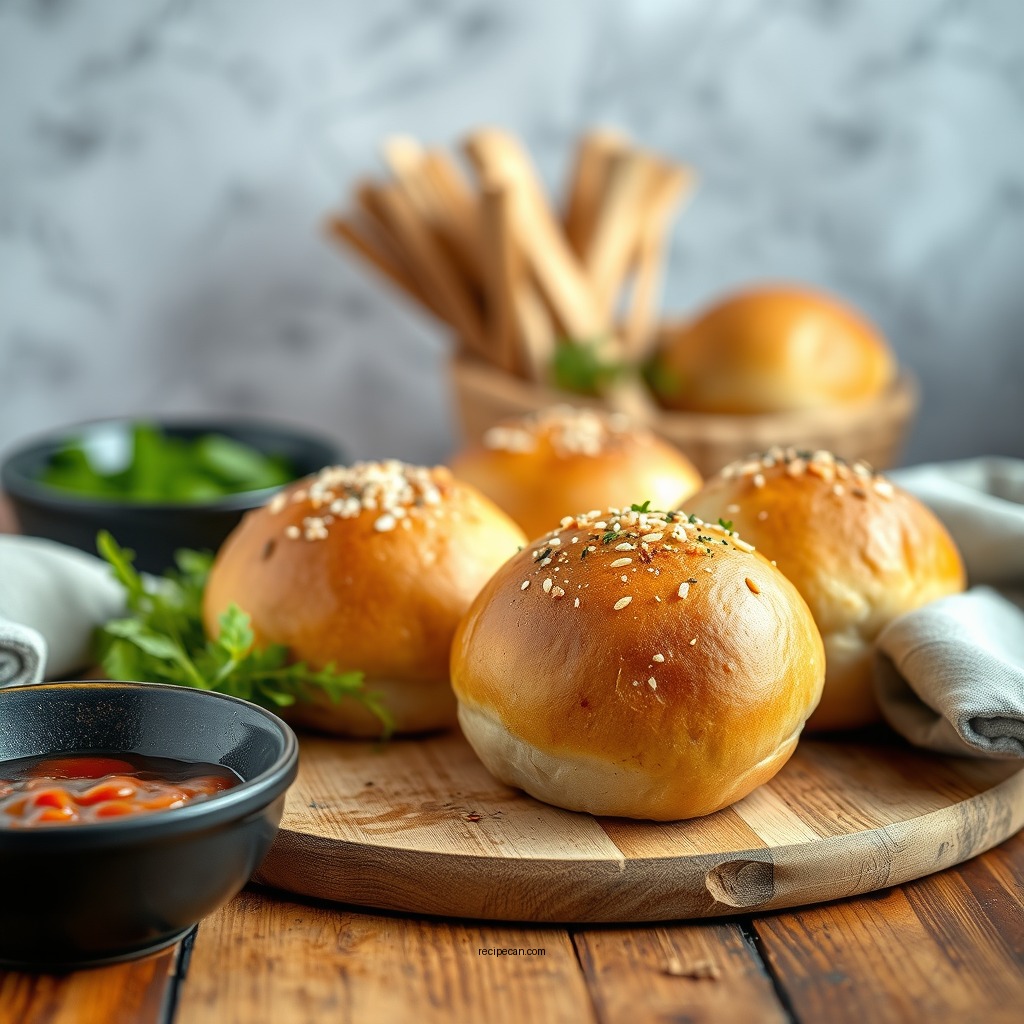
Making delicious gluten-free rolls at home is simple and rewarding. This recipe provides a straightforward method to create soft, fluffy rolls that everyone can enjoy, regardless of dietary restrictions. You’ll learn how to use alternative flours and ingredients to achieve the perfect texture and flavor in your rolls.
Gluten-free baking can often seem daunting, but with the right ingredients and techniques, it becomes an enjoyable process. These gluten-free rolls are not only easy to make, but they also deliver on taste and texture, making them the perfect addition to any meal or occasion.
Ingredients You’ll Need
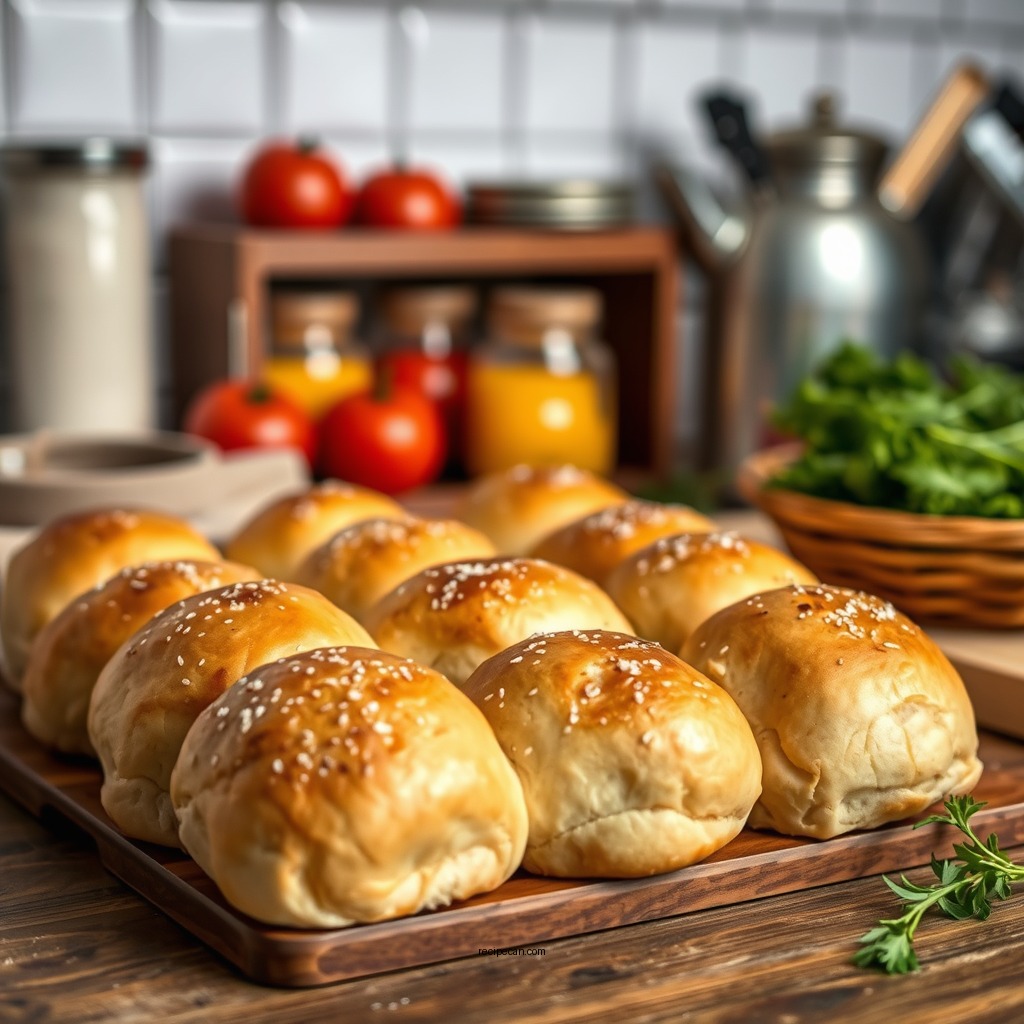
To make these rolls, you will need a few essential ingredients, each playing a critical role in the overall success of the recipe:
– Gluten-Free Flour Blend: Selecting a high-quality gluten-free flour blend is crucial for achieving the right texture. Look for blends that contain a mix of flours such as rice flour, almond flour, and tapioca starch, as they provide the necessary structure and moisture.
– Yeast and Sugar: Yeast is essential for helping the rolls rise, while sugar acts as food for the yeast, promoting fermentation. A small amount of sugar can also enhance the flavor of the rolls.
In addition to these staples, you will also need ingredients like salt, warm water, and oil to create a well-balanced dough.
Preparation Steps
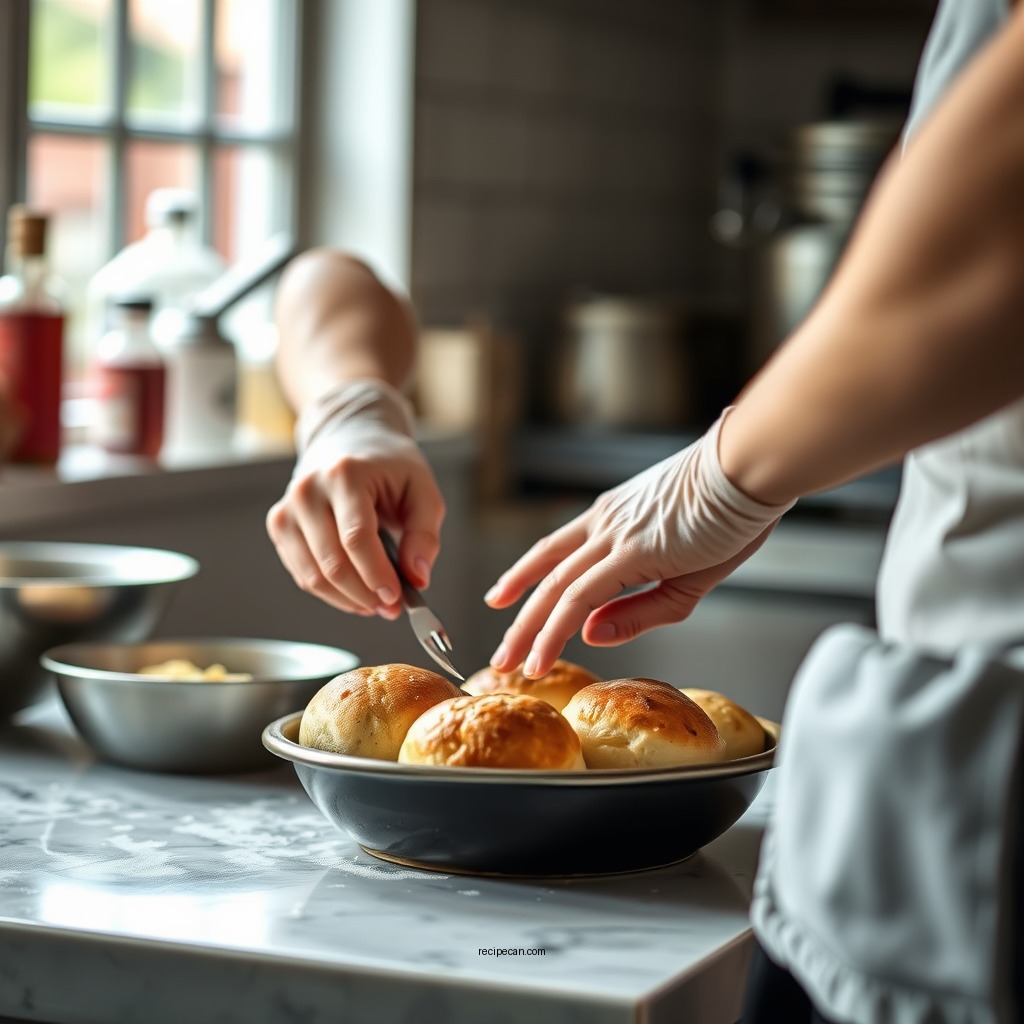
Creating the dough for your gluten-free rolls involves some straightforward steps:
– Mixing the Dough: Start by combining your gluten-free flour blend, yeast, sugar, and salt in a large mixing bowl. Gradually add warm water and oil while stirring until a smooth dough forms. It is crucial to ensure there are no lumps, as they can affect the texture of the final product.
– Kneading: Once mixed, knead the dough gently for about 5 minutes. Since gluten-free dough is typically more delicate than traditional dough, you won’t need to knead it as vigorously. The goal is to achieve a smooth consistency that is slightly tacky but not overly sticky.
Rising Time
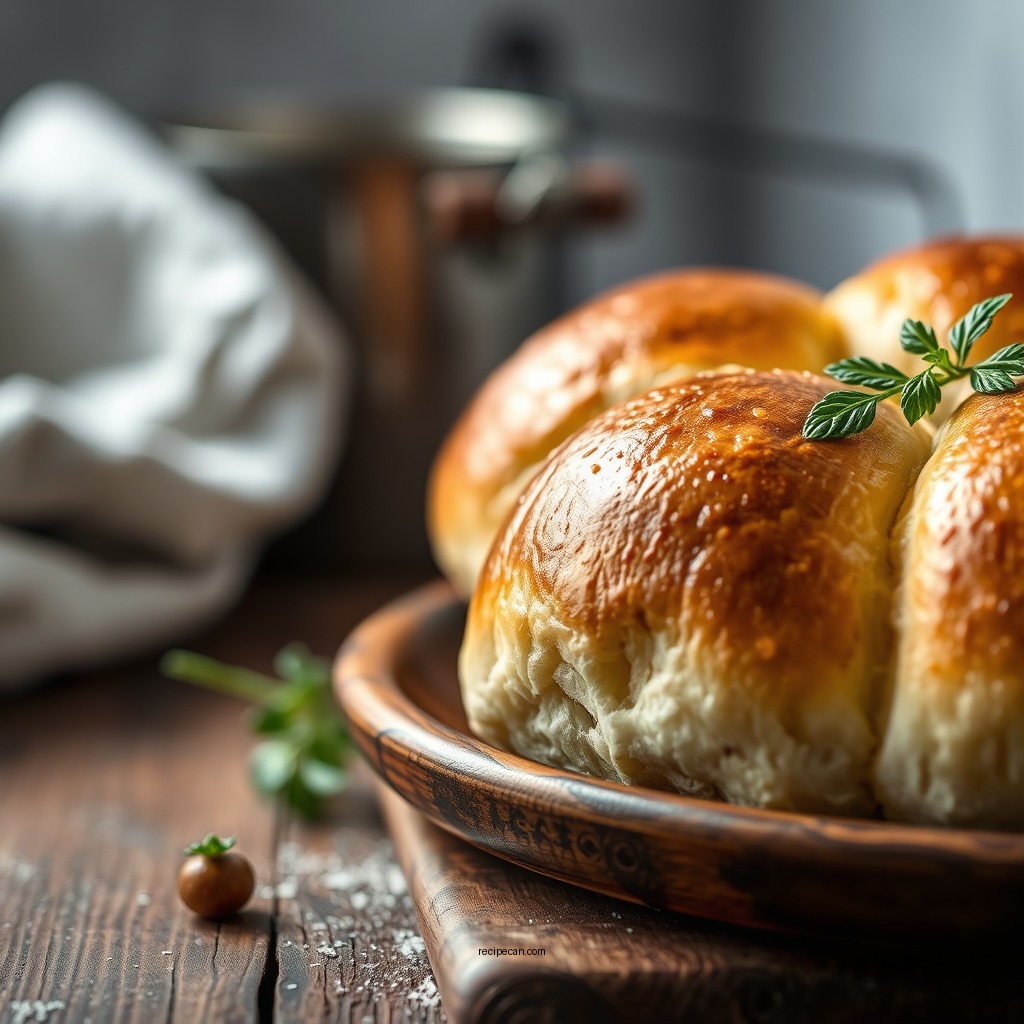
The rising process is a critical step in gluten-free baking:
– First Rise: Place the dough in a warm, draft-free area and cover it with a clean kitchen towel. Allow it to rise for about 1 hour or until it has doubled in size. This step is essential as it helps develop the structure and flavor of the rolls.
– Second Rise: After shaping the rolls, place them on a greased baking sheet. Cover them again and let them rest for another 30 minutes. This second rise will contribute to a lighter, fluffier texture.
Baking Instructions
Baking gluten-free rolls requires attention to temperature and timing:
– Preheat Your Oven: Set your oven to 375°F (190°C) while the rolls are rising. A properly preheated oven ensures even baking and helps achieve that golden-brown crust.
– Baking Time: Bake the rolls for 20-25 minutes or until they are golden brown on top and sound hollow when tapped on the bottom. Keep an eye on them during the last few minutes to prevent over-baking.
Top Gluten-Free Flours and Their Properties
| # | Flour Type | Protein Content | Texture | Best Uses |
|---|---|---|---|---|
| 1 | Brown Rice Flour | 7-8% | Coarse | Breads, Muffins |
| 2 | Almond Flour | 21% | Fine | Cookies, Cakes |
| 3 | Tapioca Starch | 0% | Sticky | Thickening, Breads |
| 4 | Coconut Flour | 18% | Dense | Breads, Pancakes |
| 5 | Sorghum Flour | 11% | Medium | Breads, Pancakes |
| 6 | Chickpea Flour | 22% | Grainy | Breads, Pancakes |
| 7 | Oat Flour | 13% | Medium | Breads, Muffins |
Tips for Success
To ensure your gluten-free rolls turn out perfectly every time, consider the following tips:
– Use Room Temperature Ingredients: Ingredients at room temperature, particularly eggs and liquids, help the yeast activate properly, leading to better rise and texture in your rolls.
– Store Properly: Once baked, allow the rolls to cool completely before storing them in an airtight container. This helps maintain their freshness and prevents them from drying out. You may also freeze them for longer storage; just thaw them at room temperature before serving.
Serving Suggestions
These gluten-free rolls are incredibly versatile and can be enjoyed in various ways:
– Pair with Butter: Freshly baked rolls are delightful when spread with butter or your favorite gluten-free spread. Consider adding herbs or garlic for an extra flavor kick.
– Use for Sandwiches: These rolls can serve as a fantastic base for gluten-free sandwiches. Fill them with your choice of protein, vegetables, and sauces for a satisfying meal.
In summary, these easy gluten-free rolls can be a highlight of any meal or snack. With the right ingredients and steps, you can easily create a delightful treat that everyone will love! Enjoy baking and sharing this gluten-free recipe with family and friends, and experience the joy of homemade rolls that cater to all dietary needs.
Frequently Asked Questions
What are the best gluten free flours to use for rolls?
The best gluten free flours for making rolls include almond flour, coconut flour, and a gluten free all-purpose blend that contains xanthan gum. Each flour brings its own flavor and texture, with almond flour providing moisture and a nutty taste, while coconut flour adds a slight sweetness. For optimal results, consider combining different flours to achieve the perfect balance of taste and texture in your gluten free rolls.
How can I make gluten free rolls rise properly?
To ensure your gluten free rolls rise properly, it’s essential to use a gluten free flour blend that includes a binding agent like xanthan gum or guar gum. Additionally, allow your dough to rest in a warm, draft-free area for at least 30 minutes to activate the yeast. Proper hydration of the dough with ingredients like eggs, yogurt, or milk can also help create a lighter, airy texture.
Why do gluten free rolls often turn out dense?
Gluten free rolls can turn out dense due to the absence of gluten, which provides structure and elasticity in traditional bread. Using the right combination of gluten free flours, ensuring adequate hydration, and including binders like xanthan gum can help combat density. Additionally, overmixing the dough can lead to a tough texture, so mixing just until combined is crucial.
What ingredients are essential for a gluten free rolls recipe?
Essential ingredients for a gluten free rolls recipe typically include gluten free flour, yeast, warm water, sugar, salt, and a binding agent like xanthan gum. Depending on the recipe, eggs or dairy alternatives can be included for added moisture and richness. These ingredients work together to create a flavorful, fluffy roll that mimics traditional bread.
Which gluten free rolls recipe is best for beginners?
A simple gluten free rolls recipe that is best for beginners typically includes a gluten free all-purpose flour blend, warm water, instant yeast, sugar, and salt. This type of recipe is straightforward, requires minimal ingredients, and often involves mixing the ingredients in one bowl, making it accessible for novice bakers. Look for recipes with step-by-step instructions that guide you through the rising and baking processes for best results.
References
- https://www.ncbi.nlm.nih.gov/pmc/articles/PMC6821258/
https://www.ncbi.nlm.nih.gov/pmc/articles/PMC6821258/ - https://www.ncbi.nlm.nih.gov/pmc/articles/PMC7282903/
https://www.ncbi.nlm.nih.gov/pmc/articles/PMC7282903/ - https://www.ncbi.nlm.nih.gov/pmc/articles/PMC7312053/
https://www.ncbi.nlm.nih.gov/pmc/articles/PMC7312053/ - https://www.cdc.gov/nutrition/foodallergies/what-is-gluten.html
https://www.cdc.gov/nutrition/foodallergies/what-is-gluten.html - Page Not Found – Site Help – Mayo Clinic
https://www.mayoclinic.org/diseases-conditions/celiac-disease/symptoms-causes/syc-20342657 - https://www.who.int/news-room/fact-sheets/detail/food-allergies
https://www.who.int/news-room/fact-sheets/detail/food-allergies - https://www.britannica.com/topic/gluten-free-diet
https://www.britannica.com/topic/gluten-free-diet - Google Scholar Google Scholar
https://scholar.google.com/scholar?q=gluten+free+rolls+recipe - Google Scholar Google Scholar
https://scholar.google.com/scholar?q=gluten+free+baking - Google Scholar Google Scholar
https://scholar.google.com/scholar?q=gluten+free+diet+benefits