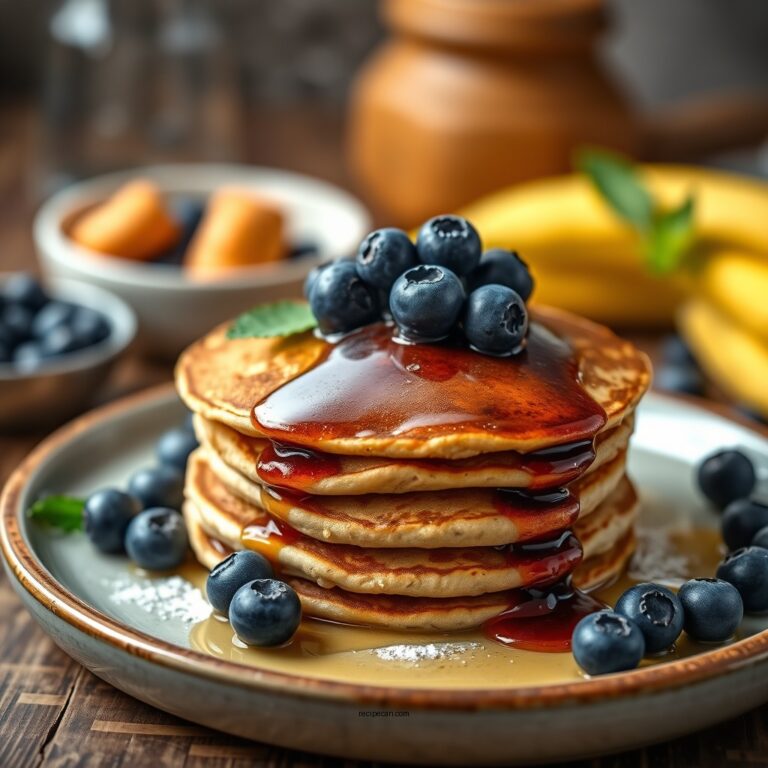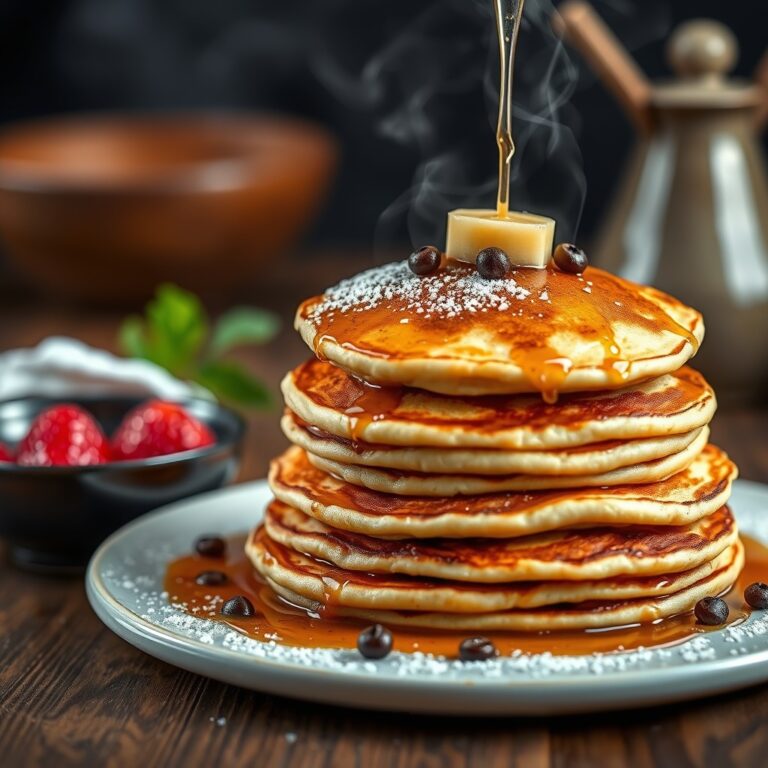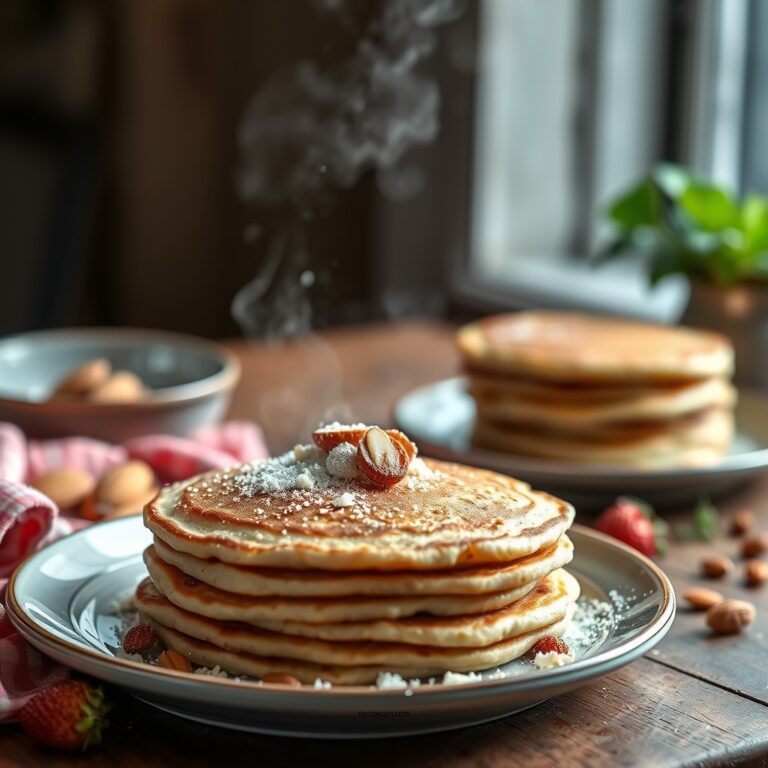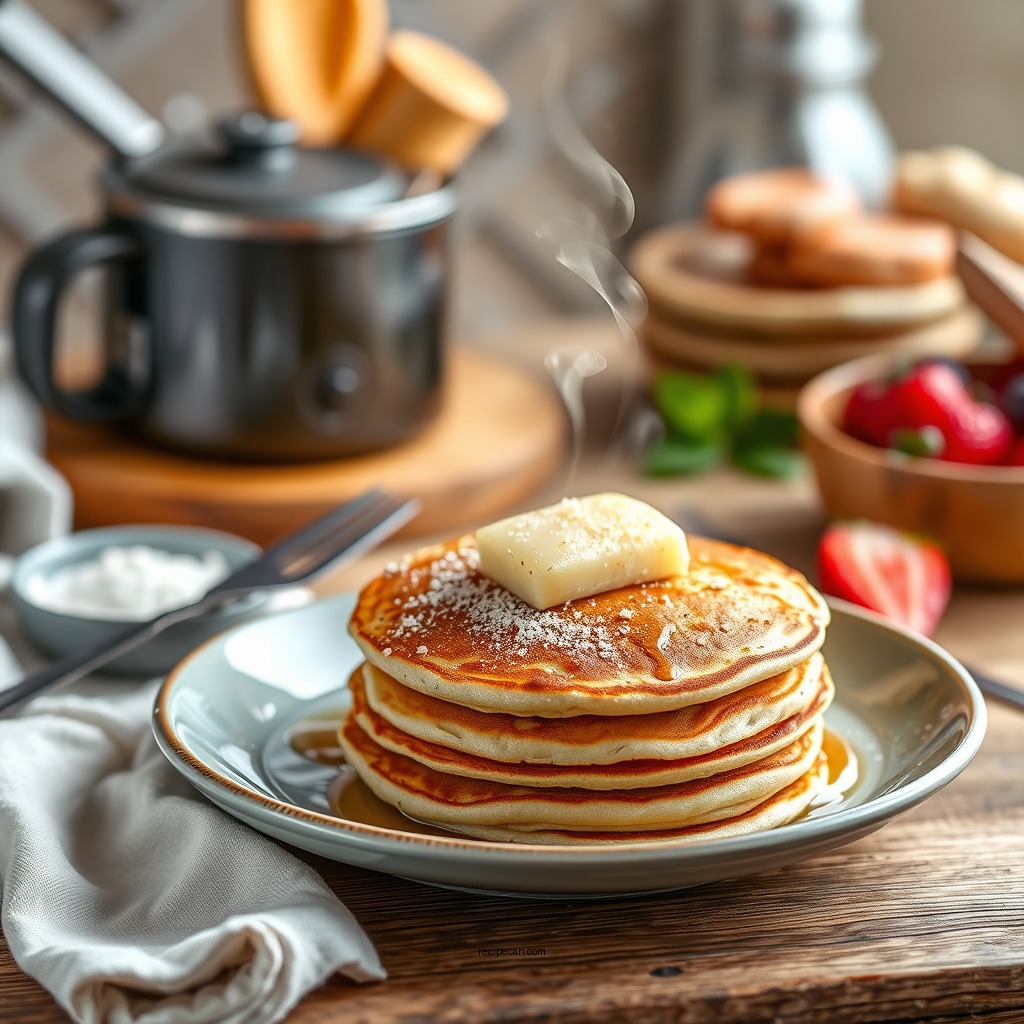
Looking for a simple and tasty gluten-free pancake recipe? You’ve come to the right place! This recipe will guide you through making fluffy, delicious pancakes that everyone can enjoy, regardless of dietary restrictions. With a few basic ingredients and easy preparation steps, you can create a delightful breakfast that caters to gluten-sensitive individuals and satisfies the whole family.
Gluten-free pancakes can sometimes be a challenge to get just right, but with the right techniques and tips, you’ll achieve a perfect batch every time. Let’s dive in and get cooking!
Ingredients You’ll Need
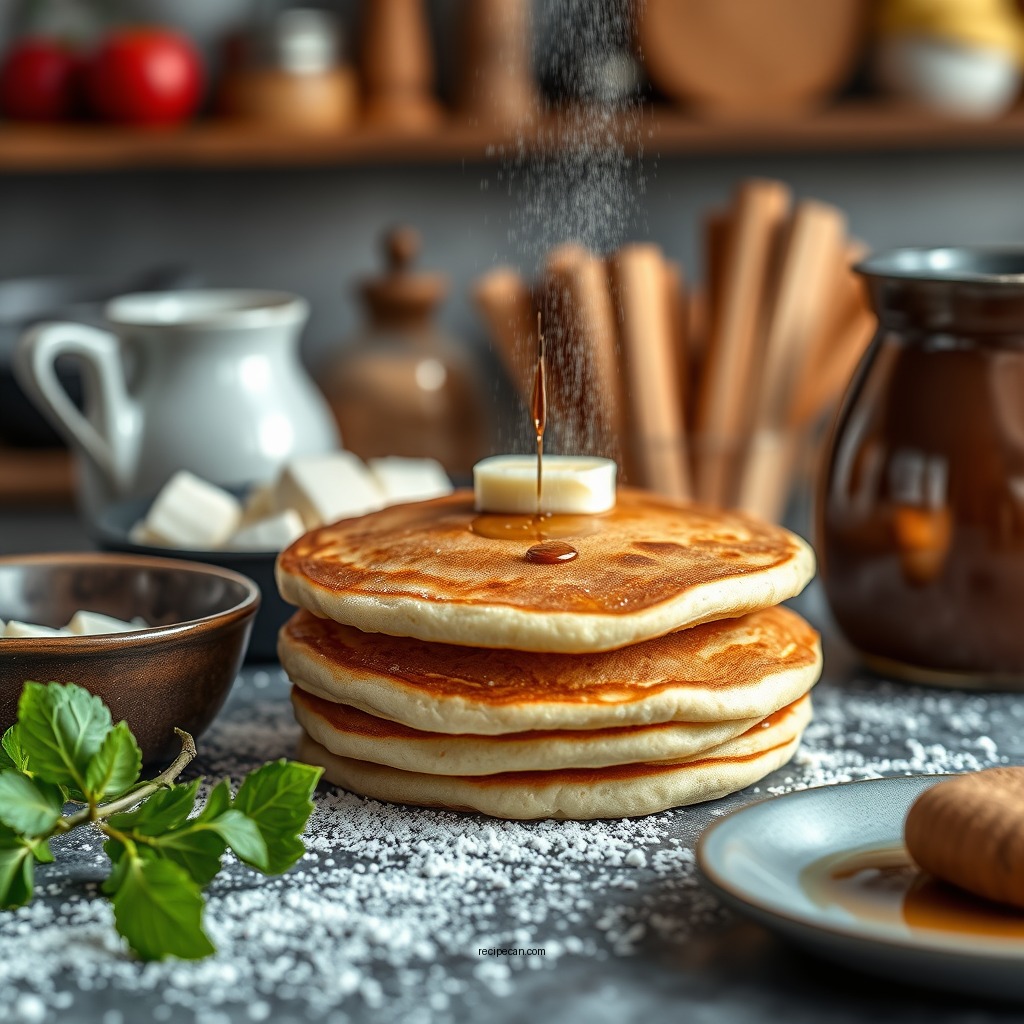
For the best gluten-free pancakes, selecting the right ingredients is crucial. Here’s what you’ll need:
– Gluten-Free Flour Blend:
– Bob’s Red Mill Gluten Free 1-to-1 Baking Flour: This blend is excellent for pancakes as it mimics the texture of regular flour.
– King Arthur Gluten-Free All-Purpose Flour: Known for its reliable performance, this blend is a favorite among gluten-free bakers.
– Cup4Cup Gluten-Free Flour: This blend is versatile and can be used in most recipes without any adjustments.
– Baking Powder and Salt: Both ingredients are essential for leavening; ensure you use gluten-free baking powder to maintain the integrity of your recipe.
– Milk (or Dairy-Free Alternative): You can use regular milk, almond milk, coconut milk, or oat milk depending on your dietary preference.
– Eggs: Eggs not only add richness but also help bind the ingredients together.
– Sweetener: Sugar, honey, or maple syrup can be added to taste.
Simple Preparation Steps
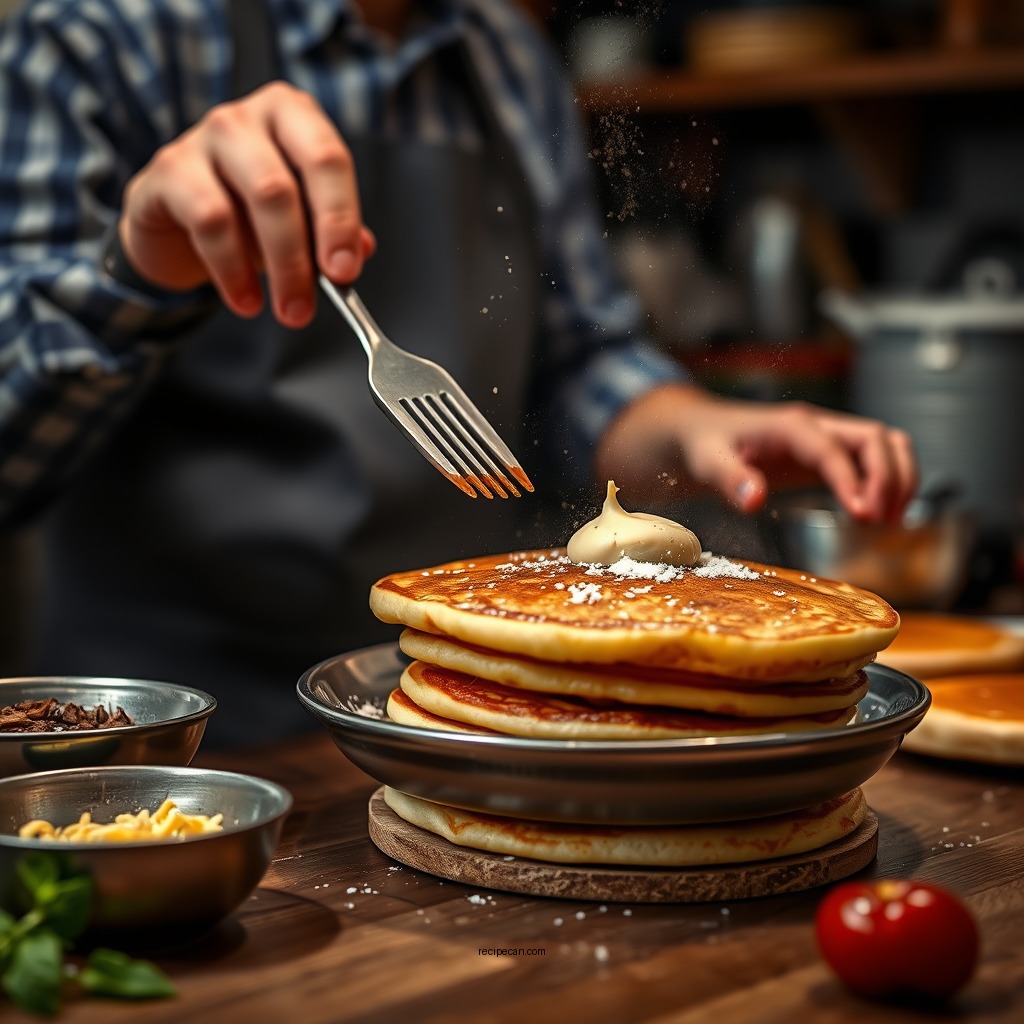
Creating your gluten-free pancakes is straightforward. Follow these simple steps to ensure a successful outcome:
1. Mix Dry Ingredients: In a large bowl, combine 1 cup of your gluten-free flour blend, 2 tablespoons of sugar, 1 tablespoon of baking powder, and a pinch of salt. Whisk them together to ensure an even distribution of the leavening agent.
2. Combine Wet Ingredients: In a separate bowl, whisk together 1 cup of milk, 1 large egg, and 2 tablespoons of melted butter (or a dairy-free alternative). Mixing wet ingredients separately helps to achieve a smoother batter.
3. Blend Together: Pour the wet ingredients into the dry mixture, stirring gently until just combined. Avoid overmixing, as this can lead to dense pancakes.
Cooking Techniques for Perfect Pancakes
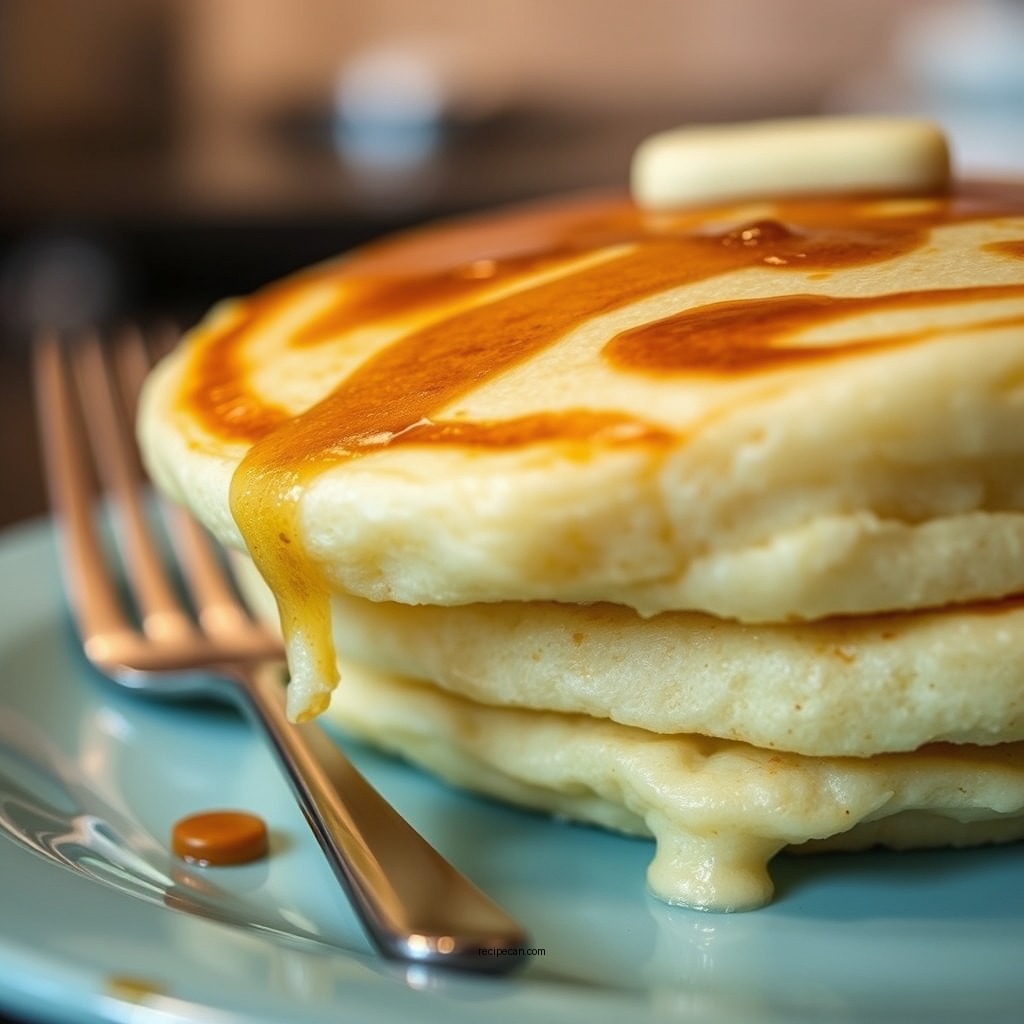
Cooking gluten-free pancakes requires attention to detail, particularly regarding temperature and timing:
1. Preheat Your Skillet or Griddle: Set your skillet or griddle to medium heat and allow it to warm up for about 5 minutes. A properly heated surface is crucial for achieving that golden-brown color.
2. Oil the Surface: Use a light coating of oil or butter on the skillet to prevent sticking.
3. Pour the Batter: Use a ladle to pour about 1/4 cup of batter per pancake onto the skillet.
4. Wait to Flip: Allow the pancakes to cook for about 2 to 3 minutes or until bubbles form on the surface. Flip them carefully with a spatula and cook for another 1 to 2 minutes, or until they are golden brown.
5. Keep Warm: If you’re making a large batch, keep the cooked pancakes warm in a low oven (around 200°F) while you finish cooking the rest.
Top Gluten-Free Flour Blends (2024)
| # | Brand | Performance | Texture | Taste |
|---|---|---|---|---|
| 1 | Bob’s Red Mill | 9/10 | Light and Fluffy | Delicious |
| 2 | King Arthur | 8/10 | Slightly Dense | Great |
| 3 | Cup4Cup | 10/10 | Airy | Excellent |
| 4 | Namaste Foods | 7/10 | Medium Density | Good |
| 5 | Pamela’s Products | 8/10 | Fluffy | Tasty |
| 6 | Gluten Free Pantry | 6/10 | Slightly Gritty | Fair |
| 7 | Better Batter | 9/10 | Light | Superb |
Tips for Flavor Variations
Enhancing the flavor of your gluten-free pancakes can elevate them from ordinary to extraordinary. Here are some creative ideas:
– Extracts and Spices: Adding a teaspoon of vanilla extract or a sprinkle of cinnamon can enhance the flavor profile significantly. Consider experimenting with nutmeg or almond extract for a unique twist.
– Fruits: Incorporating fruits like blueberries, mashed bananas, or chopped strawberries into the batter not only adds sweetness but also provides additional nutrients. For a more decadent option, try adding chocolate chips or nuts.
– Zest: A teaspoon of lemon or orange zest can give your pancakes a refreshing brightness that complements the sweetness.
Serving Suggestions
The way you serve your pancakes can make a significant difference in your breakfast experience. Here are some delightful serving ideas:
– Classic Toppings: Drizzle your pancakes with pure maple syrup or honey for a traditional touch. A sprinkle of powdered sugar can also add an elegant finish.
– Fruit Compote: Create a warm fruit compote by simmering berries with a bit of sugar and lemon juice. This homemade topping can be a fantastic way to enjoy seasonal fruits.
– Greek Yogurt and Nuts: For added protein and texture, serve pancakes with a dollop of Greek yogurt and a handful of nuts. This combination not only enhances flavor but also boosts the nutritional content.
Storing Leftovers
If you have any leftover pancakes, proper storage is essential to maintain their quality:
– Cool Completely: Allow pancakes to cool on a wire rack to prevent moisture buildup, which can make them soggy.
– Refrigeration: Place the cooled pancakes in an airtight container and store them in the refrigerator for up to 3 days. When ready to eat, reheat them in a toaster or microwave.
– Freezing for Future Use: For longer storage, freeze the pancakes by placing parchment paper between them to prevent sticking. Store them in a freezer-safe bag for up to 2 months. To reheat, pop them in the toaster or microwave directly from the freezer.
Top Pancake Serving Suggestions (Popularity)
Wrap up your pancake-making adventure by enjoying these delicious gluten-free pancakes with family and friends. Don’t forget to share your results and let us know how they turned out! Try this recipe today and elevate your breakfast experience. Whether you’re gluten-sensitive or not, these pancakes promise to be a hit at your breakfast table.
Frequently Asked Questions
What are the best gluten-free flours to use for pancakes?
The best gluten-free flours for pancakes include almond flour, coconut flour, and gluten-free all-purpose flour blends. These options provide a great texture and taste, making your pancakes fluffy and delicious. Be sure to check that the flour blend you choose contains xanthan gum or add it separately to improve the pancake’s structure.
How can I make my gluten-free pancakes fluffier?
To make your gluten-free pancakes fluffier, use a combination of baking powder and baking soda in your recipe. Additionally, separating the eggs and whipping the egg whites before folding them into the batter can introduce air, resulting in a lighter texture. Allowing the batter to rest for 5-10 minutes can also help achieve a fluffier pancake.
Why do gluten-free pancakes sometimes taste different from regular pancakes?
Gluten-free pancakes can taste different due to the absence of gluten, which contributes to the texture and binding properties in traditional pancakes. Gluten-free flours often have distinct flavors and textures, so using a well-balanced blend and adding ingredients like vanilla extract or almond milk can enhance the taste. Experimenting with different flours can help you find the perfect flavor profile.
Which ingredients are essential for a simple gluten-free pancake recipe?
Essential ingredients for a simple gluten-free pancake recipe include gluten-free flour, baking powder, salt, eggs, milk (or a dairy-free alternative), and a sweetener like sugar or honey. You can also add vanilla for flavor and a bit of oil or melted butter for richness. These basic components will help create a delicious and satisfying pancake.
What are some common mistakes to avoid when making gluten-free pancakes?
Common mistakes when making gluten-free pancakes include not measuring flour correctly, which can lead to dense pancakes. Another mistake is not allowing the batter to rest, which is crucial for better texture. Lastly, cooking them at too high a temperature can cause the pancakes to burn on the outside while remaining raw inside, so medium heat is ideal for even cooking.
References
- https://www.ncbi.nlm.nih.gov/pmc/articles/PMC4890320/
https://www.ncbi.nlm.nih.gov/pmc/articles/PMC4890320/ - https://www.ncbi.nlm.nih.gov/pmc/articles/PMC5039532/
https://www.ncbi.nlm.nih.gov/pmc/articles/PMC5039532/ - Page Not Found – Site Help – Mayo Clinic
https://www.mayoclinic.org/healthy-lifestyle/nutrition-and-healthy-eating/expert-answers/gluten-free-diet/faq-20057866 - https://www.who.int/news-room/questions-and-answers/item/food-safety-gluten-free-foods
https://www.who.int/news-room/questions-and-answers/item/food-safety-gluten-free-foods - https://www.cdc.gov/nutrition/resources-publications/healthy-eating.html
https://www.cdc.gov/nutrition/resources-publications/healthy-eating.html - https://www.sciencedirect.com/topics/food-science/gluten-free-products
https://www.sciencedirect.com/topics/food-science/gluten-free-products - https://www.britannica.com/topic/gluten-free-diet
https://www.britannica.com/topic/gluten-free-diet - Google Scholar Google Scholar
https://scholar.google.com/scholar?q=gluten+free+pancake+recipe - Google Scholar Google Scholar
https://scholar.google.com/scholar?q=gluten+free+diet - Google Scholar Google Scholar
https://scholar.google.com/scholar?q=gluten+free+recipes+health+benefits