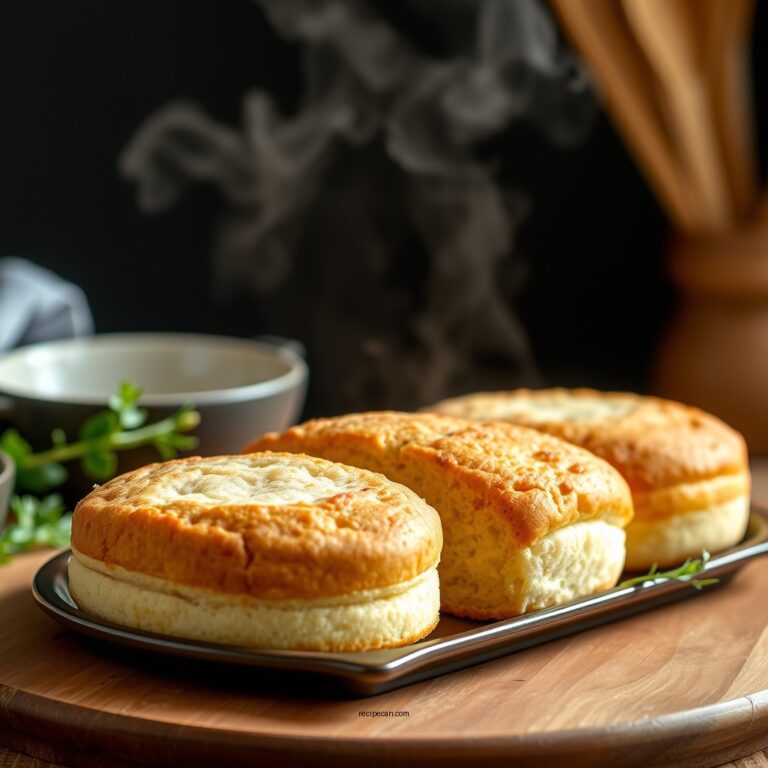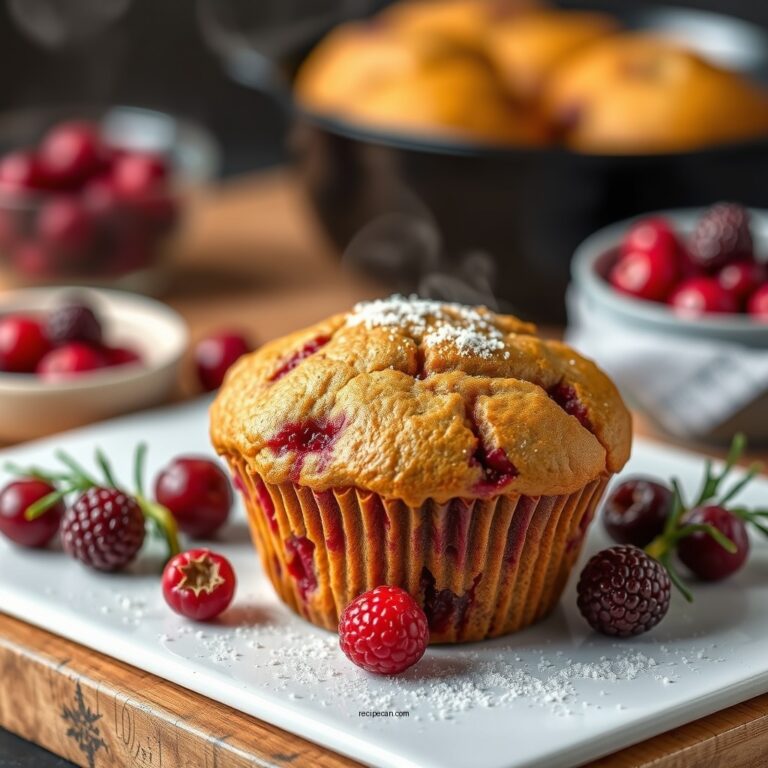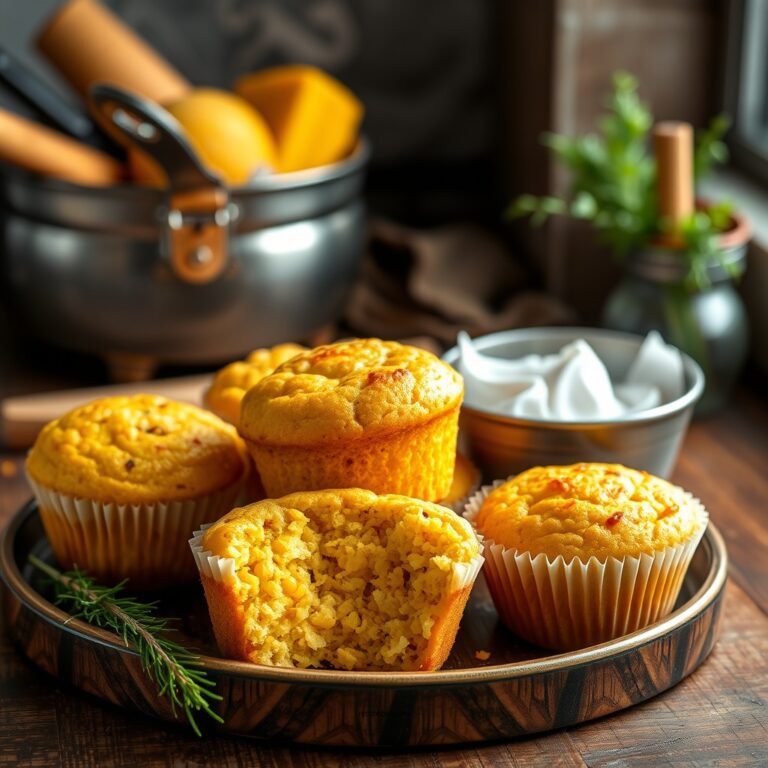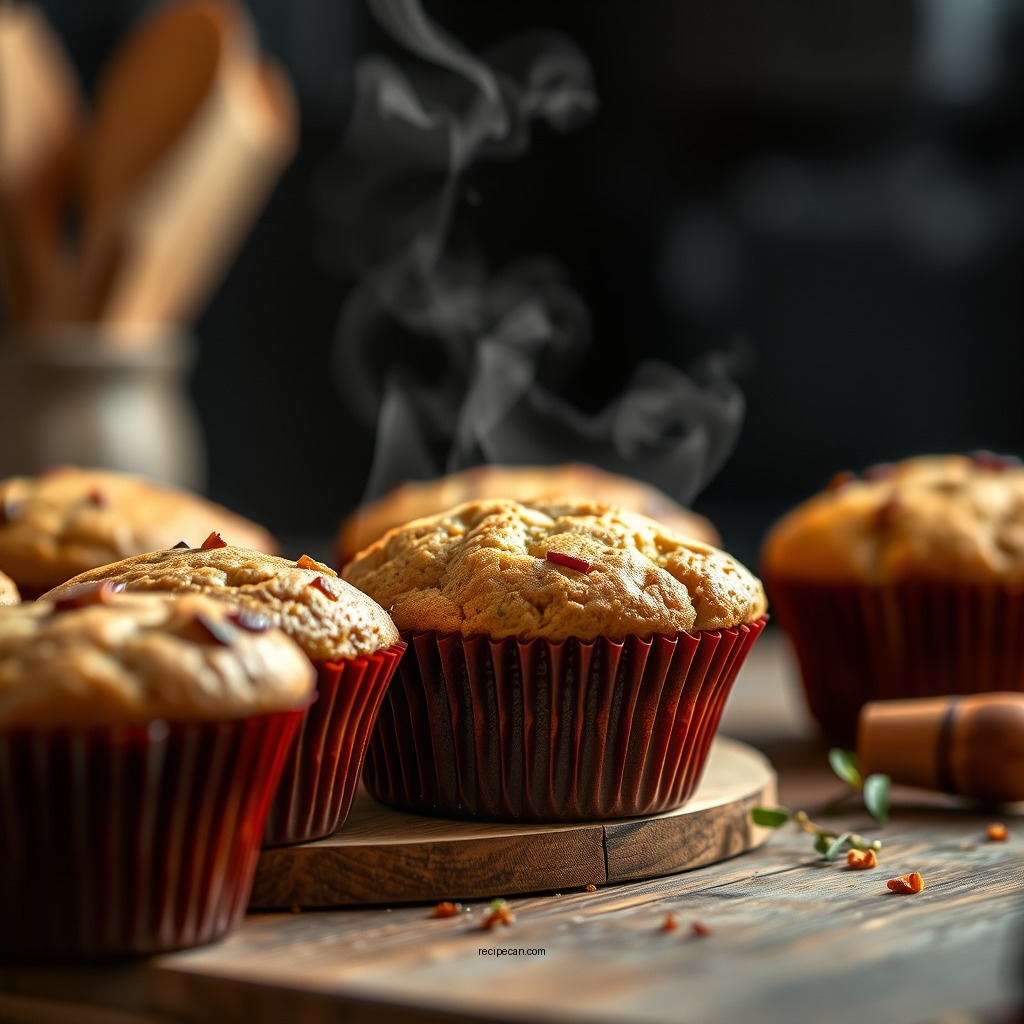
Making gluten-free muffins is simple and delicious, and this easy recipe will have you baking a tasty treat in no time. Whether you’re gluten intolerant or just looking to diversify your breakfast options, these muffins are nutritious, fluffy, and bursting with flavor. With just a few common ingredients and some straightforward steps, you can whip up a batch that’s perfect for breakfast, snacks, or even dessert.
Gluten-free baking can often seem daunting due to the different types of flours and the need for specific techniques. However, this recipe demystifies the process, allowing anyone to create delightful muffins that everyone will enjoy. Let’s dive into the ingredients, preparation steps, flavor variations, baking tips, and storage solutions that will help you succeed in your gluten-free baking endeavors.
Ingredients You’ll Need

To make the perfect gluten-free muffins, selecting the right ingredients is crucial. Here’s what you will need:
– Gluten-free flour blend: Opt for a high-quality gluten-free flour blend, which often includes a mix of rice flour, tapioca starch, and potato starch. This blend provides the right texture and consistency, mimicking traditional all-purpose flour.
– Sweetener options: You can choose from various sweeteners depending on your dietary preferences. Granulated sugar is a classic choice, while honey or maple syrup can add a delightful flavor twist and additional moisture.
– Dairy or dairy-free alternatives: Use milk, almond milk, or coconut milk to keep the muffins moist. If you prefer a dairy-free option, almond milk is an excellent choice that complements the flavors well.
Preparation Steps

The preparation of gluten-free muffins is straightforward and requires minimal time. Follow these steps for the best results:
1. Preheat your oven: Start by preheating your oven to 350°F (175°C). This ensures an even baking temperature, which is essential for achieving that perfect rise in your muffins.
2. Mix dry and wet ingredients: In one bowl, combine your dry ingredients (the gluten-free flour blend, sweetener, baking powder, and salt). In another bowl, whisk together the wet ingredients (milk, eggs, and melted butter or oil). Mixing them separately prevents clumps and leads to a more consistent batter.
3. Fill muffin liners: Line your muffin tin with paper liners and use an ice cream scoop to fill each liner about 2/3 full. This method ensures uniform muffin sizes and makes for even baking.
Flavor Variations
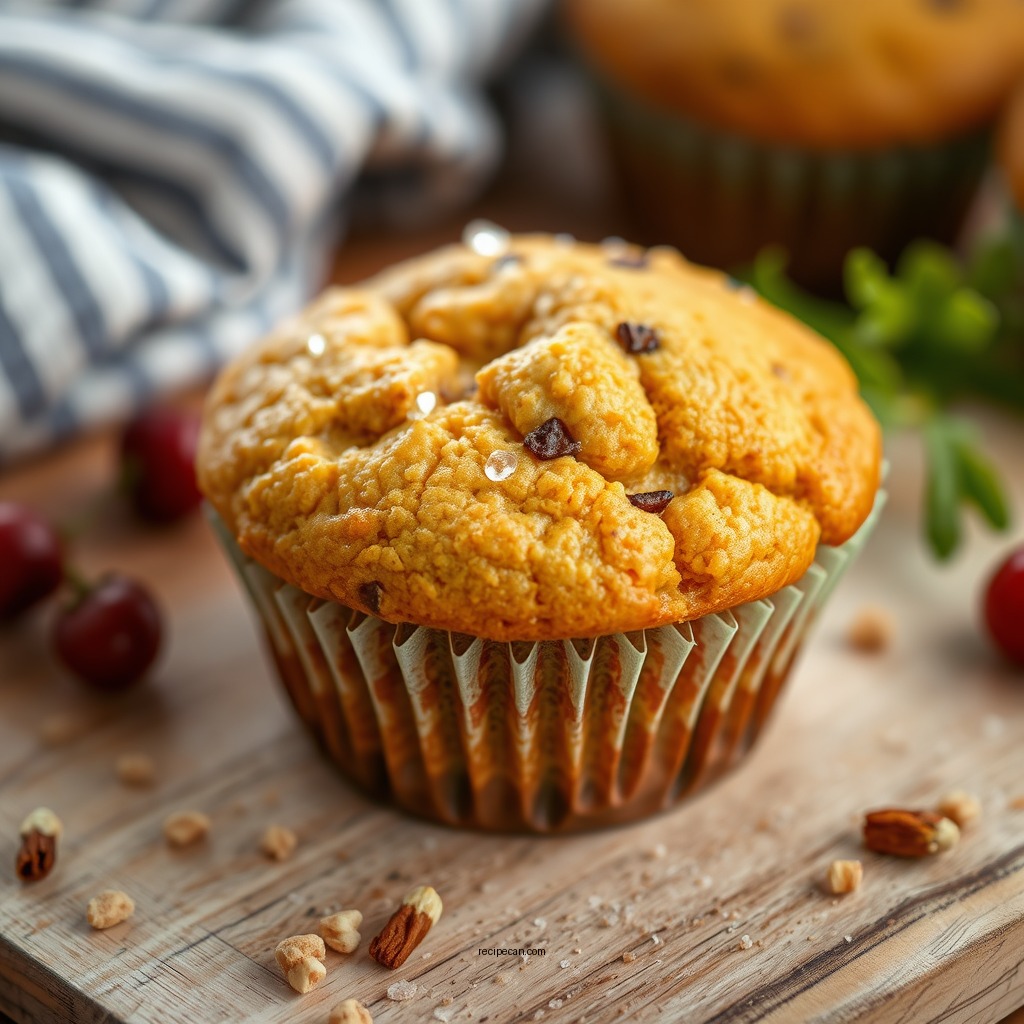
One of the joys of baking is the ability to customize your creations. Here are some delicious flavor variations to consider:
– Add-ins: Enhance your muffins by adding ingredients such as fresh blueberries, dark chocolate chips, or chopped nuts. Each of these add-ins can elevate the flavor profile and provide delightful textures.
– Spice it up: Incorporate spices like cinnamon or nutmeg for warmth, and consider adding a splash of vanilla extract or some lemon zest to brighten up the flavor. These additions create a more complex taste that can make your muffins memorable.
Popular Gluten-Free Muffin Add-Ins
| # | Add-In | Popularity (%) | Best For |
|---|---|---|---|
| 1 | Blueberries | 45% | Breakfast |
| 2 | Chocolate Chips | 30% | Dessert |
| 3 | Chopped Nuts | 25% | Snack |
| 4 | Dried Fruit | 20% | Breakfast |
| 5 | Zucchini | 15% | Snack |
| 6 | Carrots | 10% | Snack |
| 7 | Pumpkin Puree | 5% | Breakfast |
Baking Tips
To ensure your gluten-free muffins turn out perfectly every time, consider the following baking tips:
– Check doneness: To confirm that your muffins are fully baked, insert a toothpick into the center of one muffin. If it comes out clean or with a few crumbs attached, your muffins are ready. Avoid overbaking, as this can lead to a dry texture.
– Let cool: Allow the muffins to cool in the pan for about 5-10 minutes before transferring them to a wire rack. This step lets them firm up and makes them easier to remove without breaking.
Baking Time vs. Muffin Texture
Storage Solutions
To enjoy your gluten-free muffins well beyond the day they are baked, consider these storage solutions:
– Keep fresh: Store your muffins in an airtight container at room temperature. This method will keep them fresh for up to three days. If you notice them starting to dry out, you can reheat them in the microwave for a few seconds.
– Freezing: For longer storage, freeze individual muffins by wrapping them tightly in plastic wrap and placing them in a freezer-safe bag. They can be stored this way for up to three months. Thaw them overnight in the fridge or pop them in the microwave for a quick snack.
Troubleshooting Common Issues
Sometimes, even with the best intentions, baking can lead to unexpected results. Here are some common issues and how to solve them:
– Dense muffins: If your muffins turn out dense, it may be due to over-mixing the batter. Mix just until the ingredients are combined to avoid incorporating too much air.
– Crumbly texture: A crumbly muffin can indicate that the batter is too dry. If you notice this happening, try adding a little more liquid—such as milk or a fruit puree—to achieve a better consistency.
The key to successful gluten-free muffins lies in understanding the ingredients and techniques. Don’t hesitate to experiment with flavors and textures to find what works best for you.
In conclusion, this easy gluten-free muffin recipe is a fantastic way to enjoy a delicious and nutritious treat. With simple ingredients and straightforward steps, you can create muffins that are not only gluten-free but also versatile and flavorful. Whether you choose to stick to the classic recipe or venture into exciting add-ins and variations, the possibilities are endless. We encourage you to try this recipe and share your experiences or any unique variations in the comments below. Happy baking!
Frequently Asked Questions
What are the best gluten-free flours to use in muffin recipes?
The best gluten-free flours for muffin recipes include almond flour, coconut flour, and a gluten-free all-purpose blend that typically contains rice flour, tapioca starch, and potato starch. Each flour has unique properties; for instance, almond flour adds moisture and a nutty flavor, while coconut flour requires more liquid due to its absorbent nature. Choosing the right flour can significantly affect the texture and taste of your gluten-free muffins.
How can I make my gluten-free muffins rise properly?
To ensure your gluten-free muffins rise properly, consider using a combination of baking powder and baking soda, which helps create a light texture. Additionally, incorporating ingredients like yogurt or applesauce can add moisture and density, while eggs help bind the mixture and provide lift. Be sure to avoid overmixing the batter, as this can lead to denser muffins.
Why do gluten-free muffins often turn out dense or crumbly?
Gluten-free muffins can turn out dense or crumbly due to the absence of gluten, which provides structure and elasticity in traditional baking. Using a blend of gluten-free flours and incorporating binding agents like xanthan gum or psyllium husk can improve texture. Additionally, ensuring the right moisture content and not overbaking are crucial to achieving a tender muffin.
What are some popular add-ins for gluten-free muffins?
Popular add-ins for gluten-free muffins include blueberries, chocolate chips, nuts, and dried fruits like cranberries or raisins. These ingredients not only enhance flavor but can also add nutritional value. When adding extras, be mindful of the moisture they contribute and adjust your wet ingredients accordingly to maintain the right batter consistency.
Which gluten-free muffin recipes are easy for beginners?
Easy gluten-free muffin recipes for beginners often include banana muffins, blueberry muffins, and chocolate chip muffins, which require minimal ingredients and steps. These recipes typically use gluten-free all-purpose flour, making them straightforward and accessible. Look for recipes that provide clear instructions and use familiar ingredients to build your confidence in gluten-free baking.
References
- Gluten-free diet
https://en.wikipedia.org/wiki/Gluten-free_diet - https://www.ncbi.nlm.nih.gov/pmc/articles/PMC5591532/
https://www.ncbi.nlm.nih.gov/pmc/articles/PMC5591532/ - https://www.mayoclinic.org/healthy-lifestyle/nutrition-and-healthy-eating/in-depth/gluten-free-diet/art-20045401
https://www.mayoclinic.org/healthy-lifestyle/nutrition-and-healthy-eating/in-depth/gluten-free-diet/art-20045401 - https://www.cdc.gov/nceh/hsb/chemicals/gluten.htm
https://www.cdc.gov/nceh/hsb/chemicals/gluten.htm - https://www.niaid.nih.gov/diseases-conditions/celiac-disease
https://www.niaid.nih.gov/diseases-conditions/celiac-disease - https://www.bbc.com/food/recipes/gluten_free_muffins_03181
https://www.bbc.com/food/recipes/gluten_free_muffins_03181 - https://www.sciencedirect.com/topics/food-science/gluten-free-baking
https://www.sciencedirect.com/topics/food-science/gluten-free-baking - Google Scholar Google Scholar
https://scholar.google.com/scholar?q=gluten+free+muffin+recipe - Google Scholar Google Scholar
https://scholar.google.com/scholar?q=gluten+free+recipes - https://scholar.google.com/scholar?q=gluten+free+baking+science Google Scholar
https://scholar.google.com/scholar?q=gluten+free+baking+science