Frozen custard is a creamy, delightful frozen dessert that you can easily make at home with just a few ingredients. This recipe will guide you through the simple steps to create a rich custard base, which you can then churn into a soft and velvety treat. Get ready to impress your friends and family with this delightful frozen custard!
Ingredients for Frozen Custard
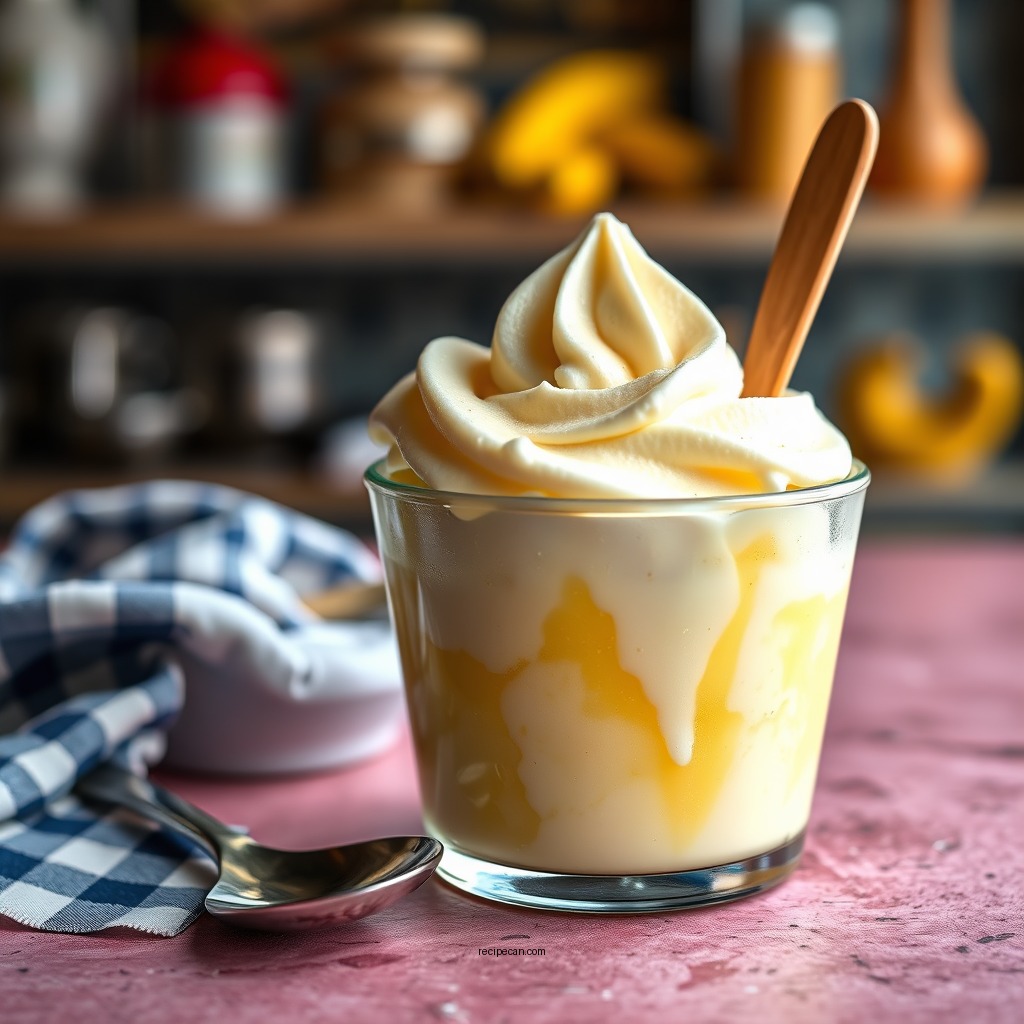
To create the perfect frozen custard, you’ll need a few key ingredients that work harmoniously to achieve that signature creamy texture and rich flavor:
– Heavy Cream and Whole Milk: These two ingredients are essential for providing the decadent creaminess that frozen custard is known for. The combination of heavy cream and whole milk ensures a rich mouthfeel that is simply irresistible.
– Egg Yolks: The use of egg yolks is what sets frozen custard apart from regular ice cream. They not only enhance the flavor but also contribute to the smooth, velvety texture that makes custard so special.
– Sugar: This ingredient sweetens the custard. Depending on your preference, you can adjust the amount of sugar to suit your taste. Natural sweeteners or flavored syrups can also be used for a unique touch.
Preparing the Custard Base
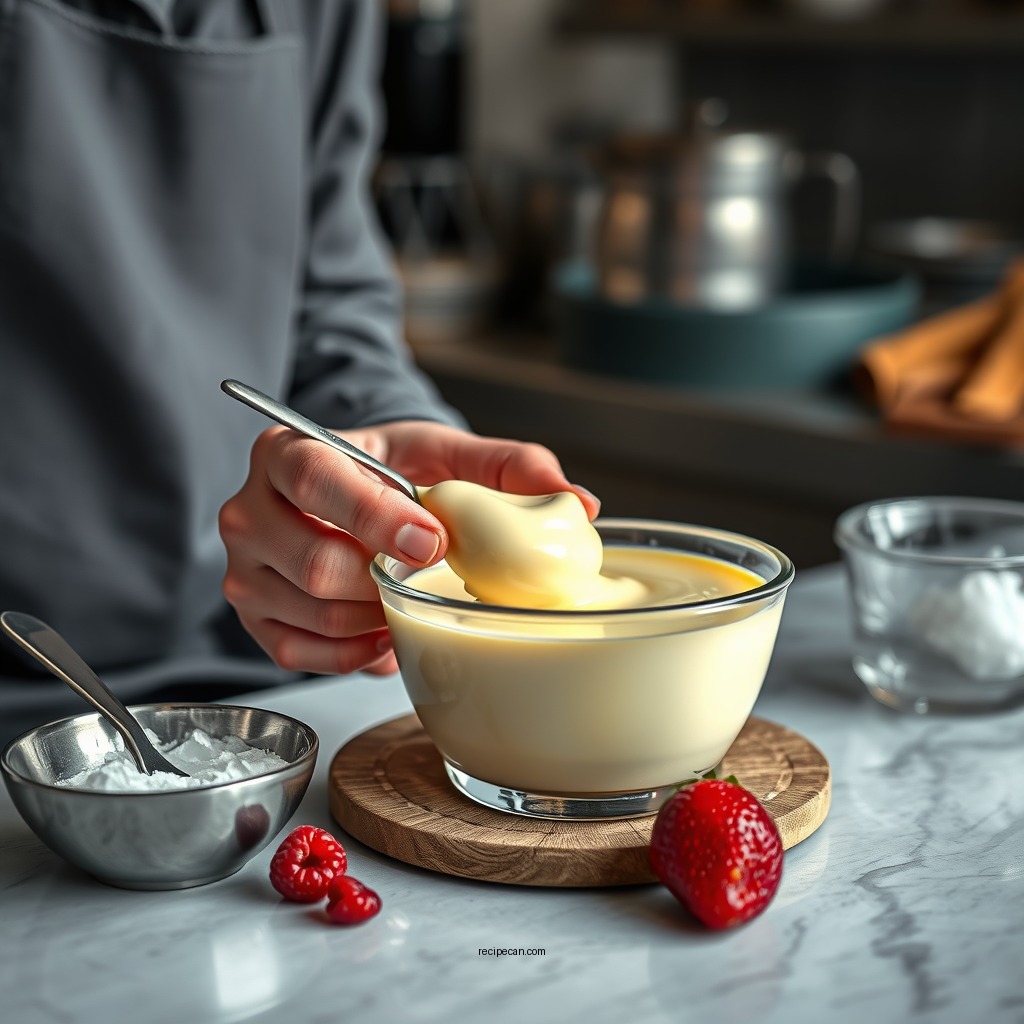
Creating the custard base is a straightforward process that involves careful temperature control to prevent cooking the eggs too quickly:
– Heat the Milk and Cream: Begin by combining the heavy cream and whole milk in a saucepan over medium heat. It’s crucial to heat the mixture gently, stirring occasionally, and ensuring it does not reach a boiling point. The ideal temperature is around 170°F (77°C), just before boiling.
– Whisk Egg Yolks and Sugar: In a separate bowl, whisk together the egg yolks and sugar until the mixture becomes light and fluffy. This step is essential for incorporating air and ensuring a smooth custard.
– Temper the Eggs: Slowly pour the heated milk and cream mixture into the egg yolk mixture while continuously whisking. This process, known as tempering, gradually raises the temperature of the eggs, preventing them from scrambling.
– Cook the Mixture: Return the tempered mixture to the saucepan and cook over low heat, stirring constantly with a wooden spoon or spatula until it thickens enough to coat the back of the spoon. This usually takes about 5-10 minutes. Be vigilant to avoid boiling, as this can curdle the custard.
Chilling the Custard
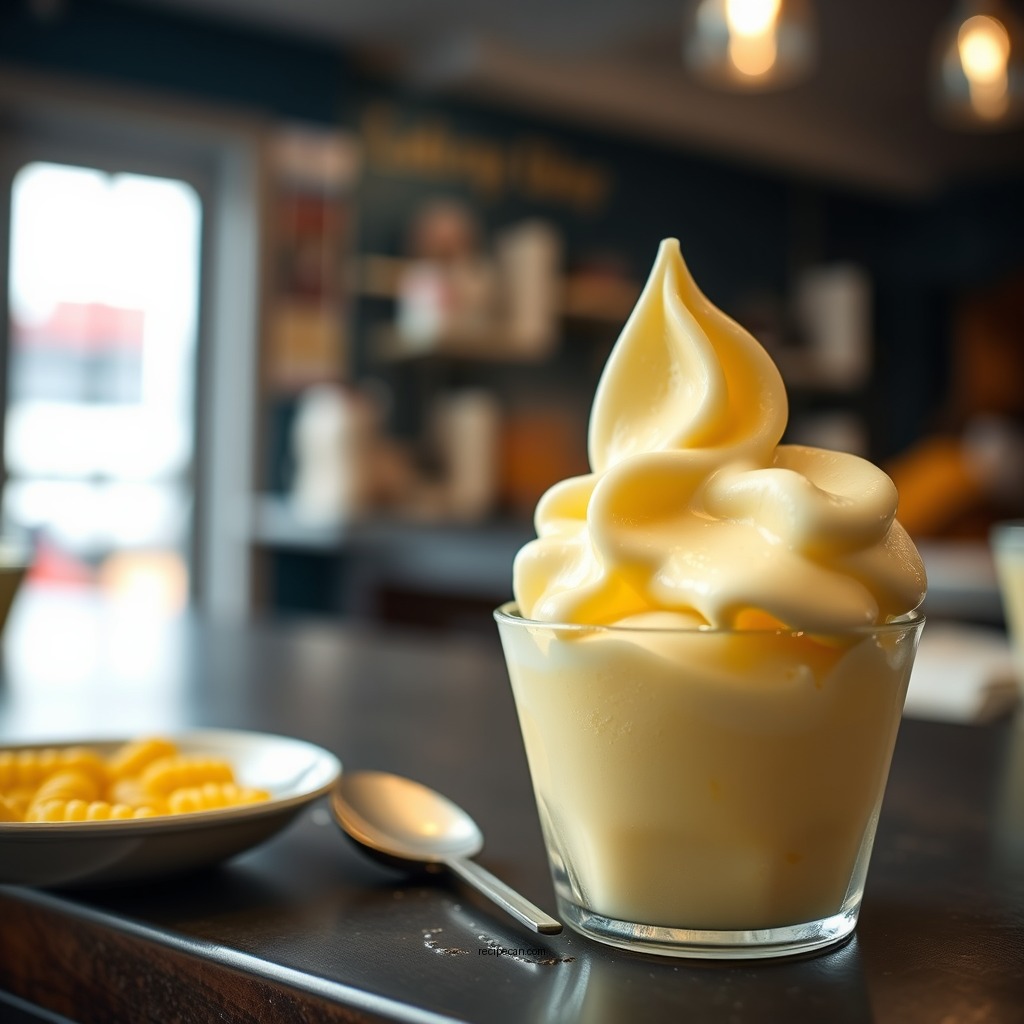
After preparing your custard base, it’s essential to chill it properly to achieve the right texture before churning:
– Strain the Custard: Once thickened, pour the custard through a fine-mesh sieve into a clean bowl. This step removes any bits of cooked egg, ensuring a silky smooth final product.
– Chill the Custard: Cover the bowl with plastic wrap and refrigerate the custard for at least 4 hours, or overnight if time allows. Chilling the custard thoroughly is vital as it allows the flavors to meld and ensures a smoother texture when churned.
– Check the Temperature: Before churning, make sure the custard is completely cold. This will help achieve the desired soft-serve consistency when processed in an ice cream maker.
Churning the Custard
Churning the custard is where the magic happens, transforming the chilled mixture into a delightful frozen treat:
– Use an Ice Cream Maker: Pour the chilled custard into your ice cream maker and churn according to the manufacturer’s instructions. Typically, this takes about 20-30 minutes, and the custard will reach a soft-serve consistency.
– No Ice Cream Maker?: If you don’t have an ice cream maker, you can still enjoy frozen custard. Transfer the chilled custard to a stand mixer or hand mixer and beat on medium speed. Stop to scrape down the sides every few minutes. Every 30 minutes, stir the mixture vigorously to incorporate air until it reaches a soft texture.
Flavor Variations
One of the best parts about making frozen custard at home is the ability to customize flavors. Here are some delightful variations to try:
– Classic Vanilla: Add a splash of vanilla extract to the custard base for a timeless flavor. Use high-quality vanilla beans for an elevated taste.
– Chocolate Delight: Stir in melted chocolate or chocolate syrup to create a rich chocolate custard. You can also add cocoa powder for a more intense chocolate flavor.
– Fruit-Infused: Blend in fruit purees, such as strawberry, mango, or raspberry, for a refreshing twist. This not only adds flavor but also a beautiful color.
– Nutty Indulgence: Incorporate chopped nuts, such as pecans or almonds, for added crunch and flavor. Toasting the nuts beforehand enhances their taste.
– Coffee Kick: For coffee lovers, adding espresso or coffee extract can create a delicious coffee-flavored custard that is perfect for any occasion.
Storing Frozen Custard
To ensure your frozen custard stays fresh and flavorful, proper storage is crucial:
– Airtight Container: Once churned, transfer the custard to an airtight container. This prevents freezer burn and helps maintain the creamy texture.
– Freeze for Firmness: For a firmer texture, freeze the custard for several hours before serving. This allows the custard to set properly.
– Enjoy Quickly: For the best taste and quality, consume your frozen custard within a few weeks. It’s best enjoyed fresh, but if stored correctly, it can last longer.
Top 7 Frozen Custard Flavors (Popularity)
| # | Flavor | Popularity (%) | Rating |
|---|---|---|---|
| 1 | Vanilla | 40% | ★★★★☆ |
| 2 | Chocolate | 30% | ★★★★☆ |
| 3 | Mint | 15% | ★★★☆☆ |
| 4 | Strawberry | 10% | ★★★☆☆ |
| 5 | Coffee | 3% | ★★☆☆☆ |
| 6 | Cookie Dough | 2% | ★★☆☆☆ |
| 7 | Peanut Butter | 1% | ★☆☆☆☆ |
Popularity of Frozen Custard Flavors
Making frozen custard is not only a rewarding experience but also a delightful way to create a delicious treat to share with family and friends. With just a few simple ingredients and a bit of patience, you can whip up a creamy dessert that rivals any store-bought option. Experiment with flavors to make it your own and invite others to share their variations in the comments! Enjoy your homemade custard and the smiles it brings.
Frequently Asked Questions
What ingredients are needed for a basic frozen custard recipe?
A basic frozen custard recipe typically requires just three main ingredients: egg yolks, heavy cream, and sugar. The egg yolks provide a rich, creamy texture, while the heavy cream adds a smooth consistency and a luxurious mouthfeel. You can also include vanilla extract for flavor, or customize it with your favorite mix-ins.
How do you make frozen custard without an ice cream maker?
To make frozen custard without an ice cream maker, start by whisking together your egg yolks and sugar until pale and thick. Then heat the cream in a saucepan, gradually mixing it into the egg mixture. Pour this mixture back into the saucepan and cook gently until it thickens. Once cooled, transfer it to a shallow dish, freeze it, and stir every 30 minutes until creamy.
Why does frozen custard need egg yolks?
Frozen custard requires egg yolks because they act as an emulsifier, helping to create a smooth and creamy texture. The fat in the yolks also enhances the richness of the custard, providing a luxurious mouthfeel that is characteristic of traditional frozen custard. This is what sets it apart from regular ice cream, which can be made without eggs.
What is the best way to store homemade frozen custard?
The best way to store homemade frozen custard is in an airtight container, ensuring that it’s tightly sealed to prevent ice crystals from forming. Ideally, consume it within a week for the best flavor and texture, but it can be stored in the freezer for up to a month. Allow it to soften in the refrigerator for about 10-15 minutes before serving to restore its creamy consistency.
Which flavors are popular for homemade frozen custard?
Popular flavors for homemade frozen custard include classic vanilla, chocolate, and strawberry, but the possibilities are endless. You can experiment with flavors like salted caramel, mint chocolate chip, or even seasonal options like pumpkin spice. Adding mix-ins such as crushed cookies, fruit, or nuts can also elevate your frozen custard and make it uniquely yours.
References
- https://en.wikipedia.org/wiki/Custard
https://en.wikipedia.org/wiki/Custard - Custard | Definition, Ingredients, & Preparation | Britannica
https://www.britannica.com/topic/custard - Google Scholar Google Scholar
https://scholar.google.com/scholar?q=frozen+custard+recipe - https://pubmed.ncbi.nlm.nih.gov/
https://pubmed.ncbi.nlm.nih.gov/ - Google Scholar Google Scholar
https://scholar.google.com/scholar?q=custard+recipe - https://www.sciencedirect.com/topics/food-science/custard
https://www.sciencedirect.com/topics/food-science/custard - https://www.ncbi.nlm.nih.gov/pmc/articles/PMC7000549/
https://www.ncbi.nlm.nih.gov/pmc/articles/PMC7000549/ - Inferior Gluteal Nerve Injury – StatPearls – NCBI Bookshelf
https://www.ncbi.nlm.nih.gov/books/NBK558966/ - https://www.cdc.gov/foodsafety/food-safety-education-month.html
https://www.cdc.gov/foodsafety/food-safety-education-month.html - https://www.nytimes.com/2019/06/19/dining/frozen-custard-recipe.html
https://www.nytimes.com/2019/06/19/dining/frozen-custard-recipe.html