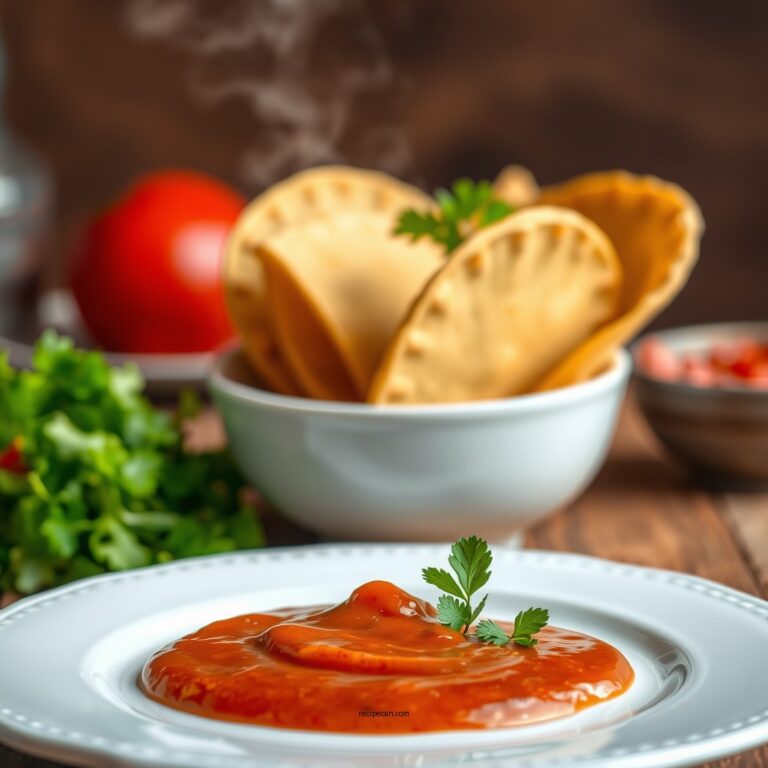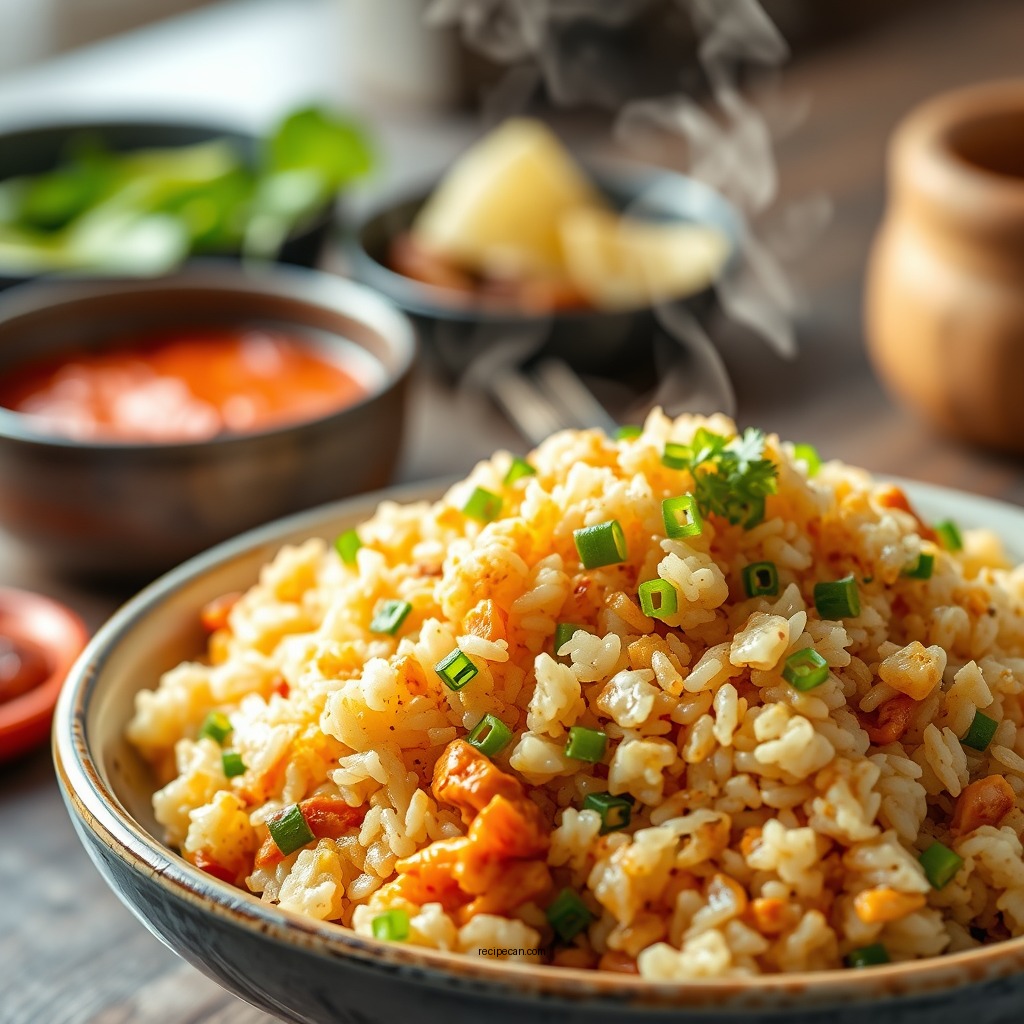
Fried rice sauce is a simple yet essential component that elevates your fried rice to new heights. With just a few key ingredients, you can create a flavorful sauce that enhances the overall dish and complements the rice beautifully. In this article, you’ll learn how to make a basic fried rice sauce, explore variations to suit your taste, and discover tips for optimizing its use in your cooking.
Understanding the Basics of Fried Rice Sauce
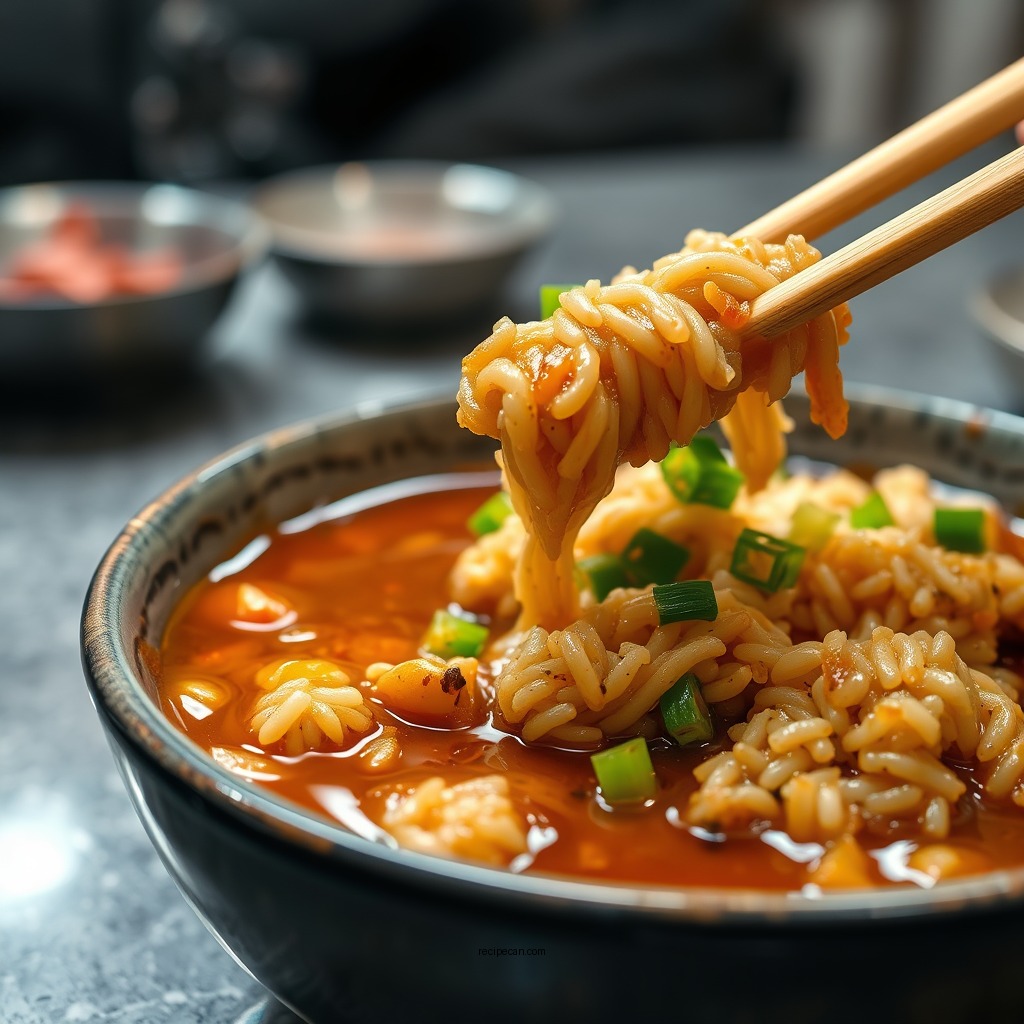
Fried rice sauce typically consists of soy sauce, sesame oil, and garlic, providing a savory flavor that is both comforting and satisfying. The balance of saltiness and umami in this sauce is crucial for creating a well-rounded flavor profile. Soy sauce contributes depth and a salty base, while sesame oil adds a nutty aroma that enhances the dish. Garlic introduces a pungent note that complements the other ingredients, creating a harmonious blend of flavors.
Understanding the balance of these elements is key to producing a fried rice sauce that not only improves the taste of your rice but also marries well with various accompaniments such as vegetables, proteins, and spices.
Essential Ingredients for Your Fried Rice Sauce
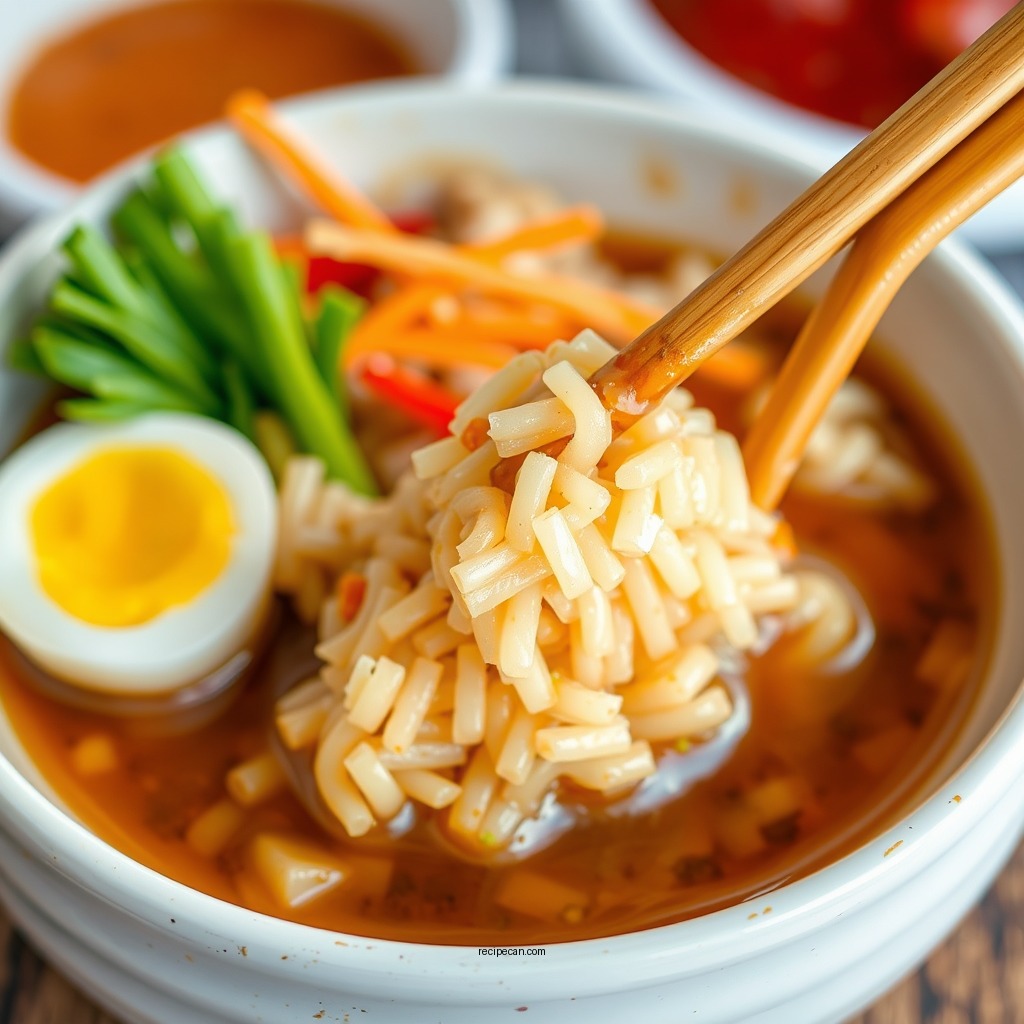
To create the perfect fried rice sauce, you will need the following essential ingredients:
– Soy Sauce: This is the backbone of your sauce, delivering deep flavor and saltiness. Different types of soy sauce can be used, including regular, low-sodium, or dark soy sauce, each bringing its unique characteristics.
– Oyster Sauce (optional): While not always essential, oyster sauce adds a rich umami flavor that can elevate your sauce further. Its sweetness balances the saltiness of soy sauce, making it an excellent addition for those looking to enhance their sauce’s complexity.
– Sesame Oil: A small amount of sesame oil goes a long way in imparting a nutty aroma and flavor. It’s best used in moderation, as its strong flavor can overpower the dish if too much is added.
– Garlic: Freshly minced or chopped garlic brings a zesty kick to the sauce. It’s advisable to sauté the garlic briefly before adding it to the sauce to soften its raw edge and release its essential oils.
– Optional Add-ins: You can also consider adding ingredients like ginger, scallions, or even a splash of rice vinegar or chili oil for additional flavor complexity.
Step-by-Step Guide to Making Fried Rice Sauce
Creating your fried rice sauce is straightforward and can be done in just a few minutes. Follow this step-by-step guide:
1. Gather Your Ingredients: Start by measuring out your soy sauce, sesame oil, oyster sauce (if using), and minced garlic.
2. Combine Ingredients: In a small mixing bowl, combine ¼ cup of soy sauce, 1 tablespoon of sesame oil, and 1 tablespoon of oyster sauce. Add 1-2 cloves of minced garlic based on your preference.
3. Whisk Together: Use a whisk to mix the ingredients thoroughly. Adjust the ratios according to your taste—if you prefer a sweeter sauce, add more oyster sauce; if you like it saltier, increase the soy sauce.
4. Taste and Adjust: Always taste your sauce and make adjustments as necessary. You can add a pinch of sugar if you find it too salty or more sesame oil for extra richness.
5. Store or Use Immediately: This sauce can be used right away or stored in an airtight container in the refrigerator for up to a week, allowing the flavors to meld.
Variations to Enhance Your Fried Rice Sauce
While a basic fried rice sauce is delicious, there are numerous variations you can try to suit your palate:
– Spicy Kick: Consider adding chili paste or hot sauce to the mix for a spicy version. Start with a small amount, like ½ teaspoon, and adjust according to your heat preference.
– Fresh Ingredients: Incorporate freshly grated ginger or chopped scallions into the sauce for a burst of freshness. These ingredients can brighten the overall flavor profile.
– Different Soy Sauces: Experiment with different types of soy sauce, such as low-sodium or dark soy sauce, to achieve varied results. Dark soy sauce, for example, provides a deeper color and a slightly sweeter taste.
– Sweet and Sour Twist: For a sweet and sour profile, add a splash of rice vinegar and a bit of sugar or honey. This can create an interesting contrast to the savory elements.
Tips for Using Fried Rice Sauce in Your Cooking
To make the most out of your fried rice sauce, consider these practical tips:
– Timing is Key: Pour the sauce over your fried rice during the last few minutes of cooking. This allows the flavors to meld without making the rice soggy.
– Start Small: Begin with a small amount of sauce; it’s easier to add more if needed than to adjust if it becomes too salty or overpowering.
– Mix Well: Ensure that the sauce is evenly distributed throughout the rice. Stirring thoroughly helps the flavors to incorporate well, enhancing every bite.
– Pairing: This sauce pairs well with a variety of ingredients, including proteins like chicken, shrimp, or tofu, as well as a medley of vegetables. Feel free to customize your fried rice according to what you have on hand.
Common Mistakes to Avoid
While making fried rice sauce is relatively simple, certain common mistakes can affect the outcome:
– Overusing Sauce: Adding too much sauce can overpower the dish, leading to an overly salty or unbalanced flavor. Always err on the side of caution and adjust to taste.
– Neglecting Other Ingredients: Failing to consider the flavors of other ingredients in your fried rice can lead to inconsistencies. Adjust your sauce based on the saltiness of your vegetables or proteins.
– Skipping Fresh Ingredients: Not including fresh garlic or ginger can make your sauce taste flat. Fresh ingredients introduce essential flavors that enhance the overall dish.
Popular Fried Rice Variations (2024)
| # | Variation | Popularity (%) | Main Ingredients | Spice Level |
|---|---|---|---|---|
| 1 | Chicken Fried Rice | 35% | Chicken, Peas, Carrots | Mild |
| 2 | Shrimp Fried Rice | 25% | Shrimp, Eggs, Green Onions | Medium |
| 3 | Vegetable Fried Rice | 20% | Mixed Vegetables, Tofu | Mild |
| 4 | Beef Fried Rice | 15% | Beef, Bell Peppers | Hot |
| 5 | Egg Fried Rice | 10% | Eggs, Spring Onions | Medium |
| 6 | Pork Fried Rice | 5% | Pork, Carrots | Hot |
Flavor Profiles of Fried Rice Sauces
Fried rice sauce is a simple yet transformative addition to your meals. By following the steps outlined above, you can easily whip up a delicious sauce that takes your fried rice to the next level. Don’t hesitate to experiment with different ingredients and flavors—happy cooking!
Frequently Asked Questions
What are the essential ingredients for a basic fried rice sauce recipe?
A basic fried rice sauce typically includes soy sauce, oyster sauce, and sesame oil. You can enhance the flavor with garlic, ginger, and a touch of sugar for sweetness. Adjusting the ratios of these ingredients allows you to customize the sauce to your taste preferences.
How do I make a homemade fried rice sauce from scratch?
To make a homemade fried rice sauce, mix together ¼ cup of soy sauce, 2 tablespoons of oyster sauce, and 1 tablespoon of sesame oil in a bowl. For added flavor, you can whisk in minced garlic and ginger, along with a teaspoon of sugar. This simple blend will elevate your fried rice dish effortlessly.
Why is fried rice sauce important for flavor?
Fried rice sauce is crucial for flavor as it brings together various umami elements that enhance the overall taste of the dish. The combination of soy sauce, oyster sauce, and sesame oil creates a savory and aromatic base that complements the rice and vegetables. Without a well-balanced sauce, fried rice can taste bland and uninviting.
What is the best sauce for vegetable fried rice?
The best sauce for vegetable fried rice typically includes soy sauce and sesame oil, as they add depth and richness without overpowering the vegetables. You can also consider adding a hint of chili sauce or hoisin sauce for a spicy kick and a touch of sweetness. Experimenting with these sauces can help you find the perfect balance for your vegetable fried rice.
Which sauces can I use as alternatives in a fried rice recipe?
Alternatives to traditional fried rice sauces include teriyaki sauce, tamari for a gluten-free option, or even homemade sauces using miso and rice vinegar. You can also experiment with spicy sauces like Sriracha or chili garlic sauce for added heat. These alternatives offer unique flavors that can refresh your fried rice experience.
References
- Fried rice
https://en.wikipedia.org/wiki/Fried_rice - https://www.sciencedirect.com/topics/food-science/fried-rice
https://www.sciencedirect.com/topics/food-science/fried-rice - https://www.britannica.com/topic/fried-rice
https://www.britannica.com/topic/fried-rice - https://pubmed.ncbi.nlm.nih.gov/
https://pubmed.ncbi.nlm.nih.gov/ - https://www.ncbi.nlm.nih.gov/pmc/articles/PMC5361940/
https://www.ncbi.nlm.nih.gov/pmc/articles/PMC5361940/ - https://www.ncbi.nlm.nih.gov/pmc/articles/PMC5578658/
https://www.ncbi.nlm.nih.gov/pmc/articles/PMC5578658/ - Google Scholar Google Scholar
https://scholar.google.com/scholar?q=fried+rice+sauce+recipe - Google Scholar Google Scholar
https://scholar.google.com/scholar?q=fried+rice+ingredients - Google Scholar Google Scholar
https://scholar.google.com/scholar?q=fried+rice+preparation - https://www.ncbi.nlm.nih.gov/pmc/articles/PMC6165178/
https://www.ncbi.nlm.nih.gov/pmc/articles/PMC6165178/