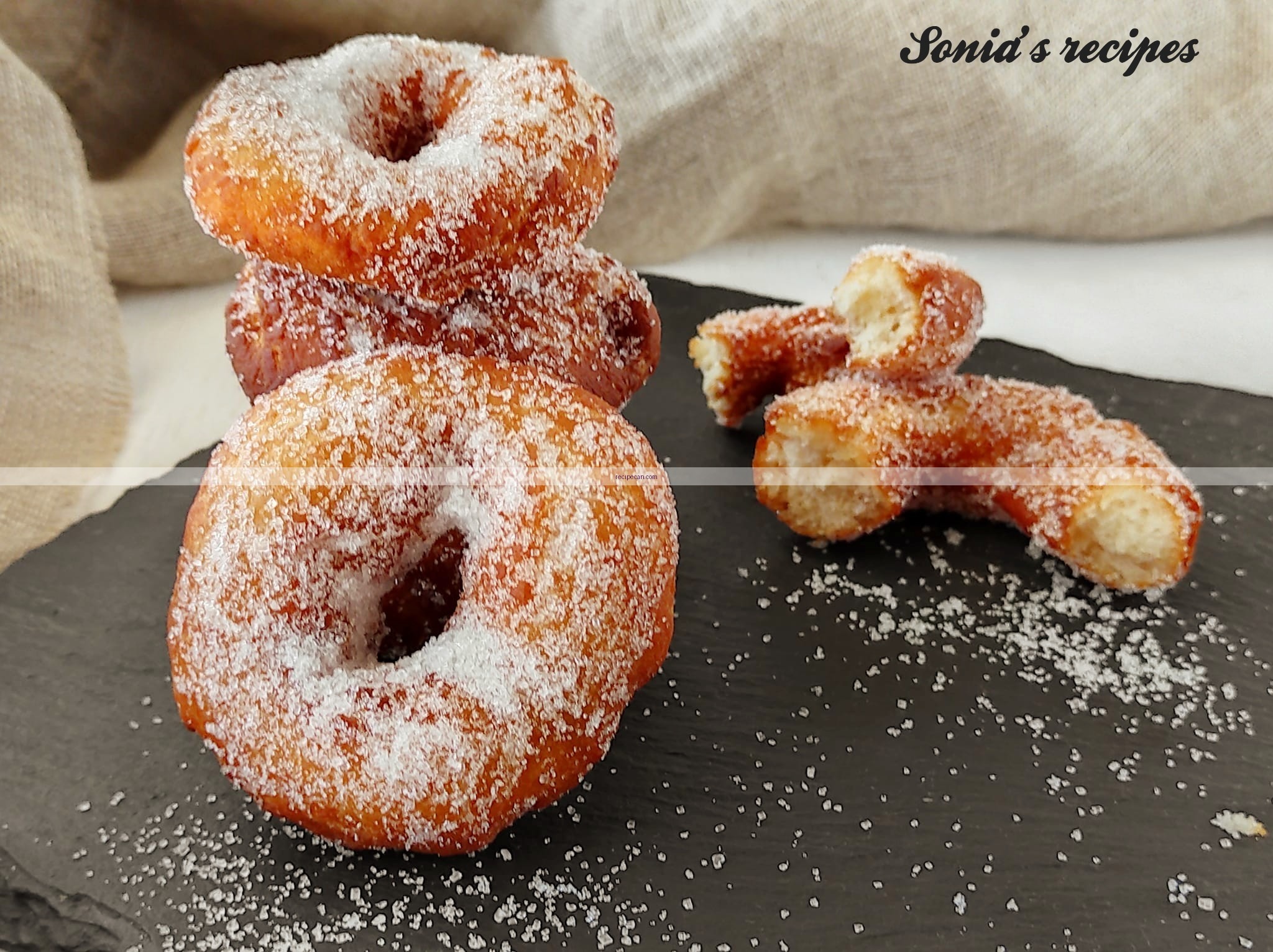
There’s nothing quite like a warm, homemade fried donut, and making them at home is easier than you might think! In this guide, you’ll learn how to create fluffy, flavorful donuts from scratch, including tips for frying and glazing. Get ready to impress your family and friends with these delightful treats!
Making homemade donuts not only allows you to enjoy fresh, warm pastries, but it also gives you the freedom to customize flavors and toppings to your liking. With just a handful of basic ingredients and some simple techniques, you’ll be well on your way to creating delightful fried donuts that rival those from your favorite bakery.
Ingredients You’ll Need

To make these easy fried donuts, you’ll need a few basic pantry staples:
– Flour: All-purpose flour is ideal for creating the perfect dough texture.
– Sugar: Granulated sugar sweetens the dough and enhances flavor.
– Yeast: Active dry yeast helps the donuts rise and become fluffy.
– Milk: Whole milk adds richness, giving the donuts a delicious flavor.
– Eggs: Eggs contribute to the dough’s structure and moisture.
– Butter: Melted butter adds flavor and a tender crumb.
Optional Ingredients for Flavoring:
– Vanilla Extract: For a classic flavor boost.
– Nutmeg or Cinnamon: To add a warm, spicy taste to the dough.
– Cocoa Powder: For chocolate-flavored donuts.
Preparing the Dough

The dough preparation is a crucial step in achieving light and airy donuts. Start by combining the dry ingredients—flour, sugar, and yeast—in a large mixing bowl. Activating the yeast is essential for optimal rise, so ensure the yeast is fresh and properly dissolved in warm milk (about 110°F).
Next, in a separate bowl, whisk together the wet ingredients: milk, eggs, and melted butter. Gradually incorporate the wet mixture into the dry ingredients, mixing until a cohesive dough forms. Knead the dough on a floured surface for about 5-7 minutes until it becomes smooth and elastic. Place the kneaded dough in a greased bowl, cover it with a clean cloth, and let it rise in a warm environment for about an hour, or until it doubles in size.
Shaping the Donuts
Once the dough has risen, it’s time to shape the donuts. On a lightly floured surface, roll out the dough to about ½ inch in thickness. Using a donut cutter or two round cutters (one larger for the outer circle and a smaller one for the hole), cut out your donut shapes. Remember to re-knead and roll out any leftover dough to maximize your donut yield.
Data on Common Donut Flavors
Top 7 Donut Flavors (Popularity)
| # | Flavor | Popularity (%) | Best Used In |
|---|---|---|---|
| 1 | Glazed | 35% | Classic Donuts |
| 2 | Chocolate | 20% | Frosted Donuts |
| 3 | Jelly-filled | 15% | Filled Donuts |
| 4 | Boston Cream | 10% | Filled Donuts |
| 5 | Maple | 8% | Frosted Donuts |
| 6 | Powdered | 7% | Classic Donuts |
| 7 | Other | 5% | Various |
Frying the Donuts
Frying is where the magic happens, transforming your dough into fluffy, golden donuts. Begin by heating oil in a deep fryer or a heavy-bottomed pot to a temperature of about 350°F (175°C). Use a thermometer to ensure the oil is at the correct temperature, as this will prevent the donuts from absorbing too much oil and becoming greasy.
Carefully drop a few donuts into the hot oil, being cautious not to overcrowd the pot. Fry each side for about 1-2 minutes, or until they turn a deep golden brown. Once fried, remove the donuts with a slotted spoon and place them on paper towels to drain excess oil.
Chart of Frying Techniques
Common Frying Techniques and Their Effectiveness
Making the Glaze
A simple glaze can elevate your donuts from delicious to extraordinary. To create a classic glaze, combine powdered sugar and milk in a bowl, whisking until smooth. The consistency should be thick enough to coat the back of a spoon. For added flavor, consider incorporating vanilla extract, cocoa powder, or even a hint of almond extract.
Feel free to experiment with different flavor combinations. For example, a chocolate glaze can be made by adding cocoa powder, while a cinnamon glaze can be created by mixing ground cinnamon into the base. The possibilities are endless!
Serving Suggestions
Once your donuts are fried and glazed, they are ready to serve! Present them warm, with a light dusting of powdered sugar or a generous drizzle of glaze. For added flair, consider garnishing with sprinkles, chopped nuts, or shredded coconut.
These donuts pair wonderfully with coffee, tea, or a glass of cold milk, making them a delightful breakfast treat or a sweet afternoon snack. They also make an impressive addition to any gathering or celebration.
Tips for Perfect Donuts
To ensure that your homemade donuts turn out perfectly every time, consider these essential tips:
– Oil Temperature: Maintain a consistent oil temperature. Too hot, and the donuts will burn; too cool, and they will absorb excess oil.
– Cooling: Allow the donuts to cool slightly before glazing. This helps the glaze adhere better and prevents it from sliding off.
– Storage: Store any leftovers in an airtight container at room temperature for up to two days. For longer storage, freeze the unglazed donuts and glaze them when ready to serve.
Enjoy making these easy fried donuts at home and impress your loved ones with your baking skills! With just a few simple steps, you can indulge in delicious, fluffy donuts that are sure to satisfy any sweet tooth. Don’t hesitate to customize your recipe with various toppings or fillings!
Frequently Asked Questions
What ingredients do I need for a basic fried donut recipe?
For a basic fried donut recipe, you’ll need all-purpose flour, granulated sugar, baking powder, salt, eggs, milk, and butter. These ingredients combine to create a soft and fluffy donut base that can be flavored with vanilla or nutmeg for added taste.
How do I ensure my fried donuts are light and fluffy?
To achieve light and fluffy fried donuts, ensure your dough is not overmixed, as this can result in a dense texture. Additionally, let the dough rest for about 30 minutes before frying, and maintain the oil temperature between 350°F and 375°F for optimal frying.
Why are my fried donuts absorbing too much oil?
If your fried donuts are absorbing too much oil, it may be due to the dough being too wet or frying at a low temperature. Make sure to knead the dough properly and check that your frying oil is hot enough before adding the donuts, which helps create a seal that prevents excessive oil absorption.
What is the best frying oil to use for donuts?
The best frying oil for donuts is one with a high smoke point, such as vegetable oil, canola oil, or peanut oil. These oils can withstand high temperatures without burning, allowing your donuts to cook evenly and achieve a golden-brown color.
Which toppings work best for fried donuts?
Fried donuts can be topped with a variety of delicious options, including powdered sugar, chocolate glaze, vanilla icing, or sprinkles. For a more indulgent treat, consider using a cinnamon sugar mixture or a maple glaze, which complement the rich flavor of the fried dough beautifully.
References
- Doughnut
https://en.wikipedia.org/wiki/Donut - https://www.bbc.com/food/recipes/doughnuts_90946
https://www.bbc.com/food/recipes/doughnuts_90946 - https://www.sciencedirect.com/topics/food-science/doughnut
https://www.sciencedirect.com/topics/food-science/doughnut - https://www.jstor.org/stable/10.5325/jcuisciencetechno.6.1.0001
https://www.jstor.org/stable/10.5325/jcuisciencetechno.6.1.0001 - https://www.ncbi.nlm.nih.gov/pmc/articles/PMC6282684/
https://www.ncbi.nlm.nih.gov/pmc/articles/PMC6282684/ - https://www.cdc.gov/nutrition/resources-publications/food-safety.html
https://www.cdc.gov/nutrition/resources-publications/food-safety.html - Doughnut | Definition, History, Types, & Origins | Britannica
https://www.britannica.com/topic/doughnut - Google Scholar Google Scholar
https://scholar.google.com/scholar?q=fried+donut+recipe - Google Scholar Google Scholar
https://scholar.google.com/scholar?q=doughnut+recipe - Google Scholar Google Scholar
https://scholar.google.com/scholar?q=deep+fried+donut+techniques