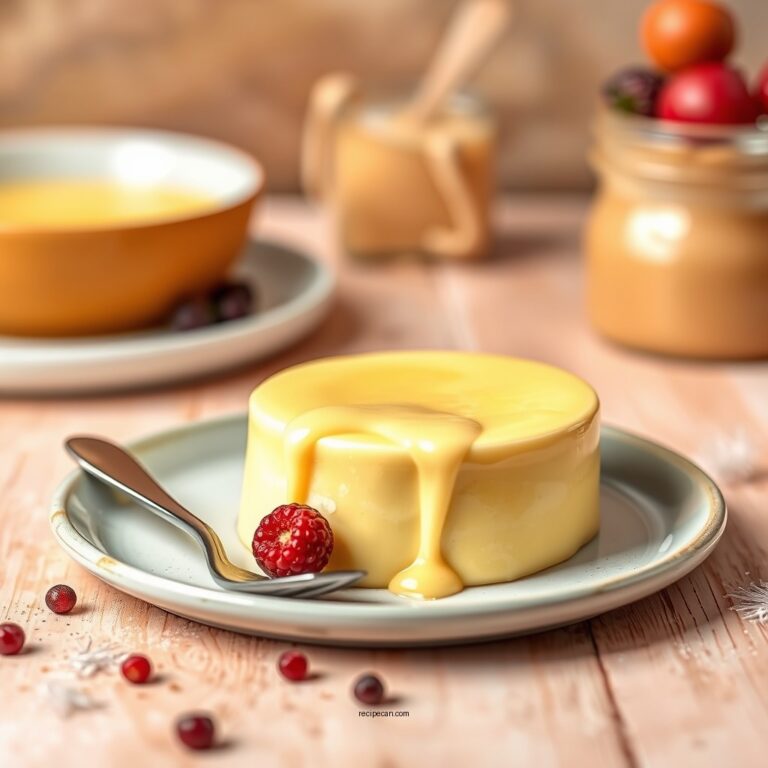
French toast custard is a delightful dish that transforms a classic breakfast into a rich, creamy experience. With just a few simple ingredients, you can create a custard mix that elevates your French toast to new heights. In this article, you’ll learn how to prepare this indulgent recipe, along with tips for perfecting your breakfast.
Understanding the Basics of French Toast Custard
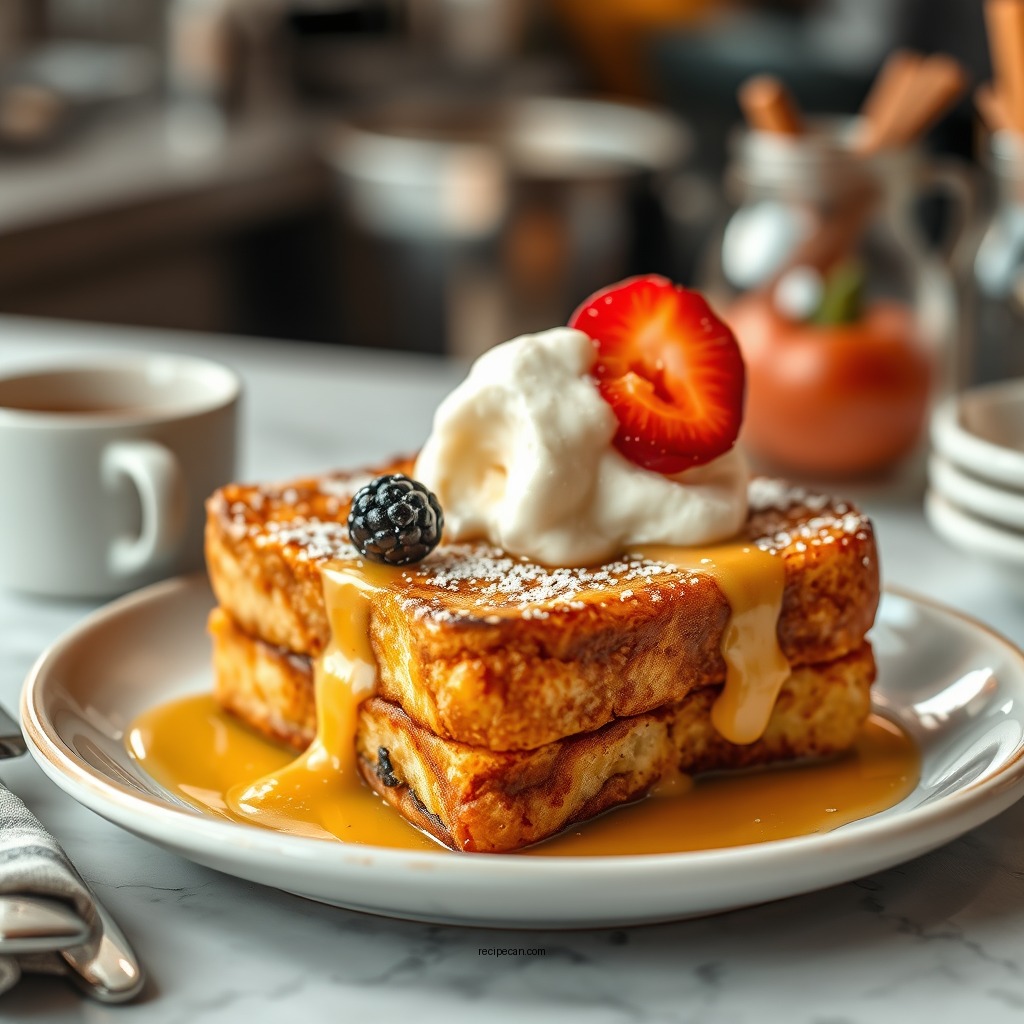
French toast custard combines eggs, milk, and spices, producing a rich and flavorful mixture that enhances the dish’s traditional appeal. The custard mixture not only provides a creamy texture but also allows the bread to soak up the flavors, resulting in a soft and decadent breakfast option. The beauty of this recipe lies in its simplicity and versatility; by adjusting the spices and types of bread, you can tailor it to fit your taste preferences or dietary needs. Whether you prefer a classic cinnamon flavor or something more adventurous, French toast custard is a canvas for culinary creativity.
Ingredients You’ll Need
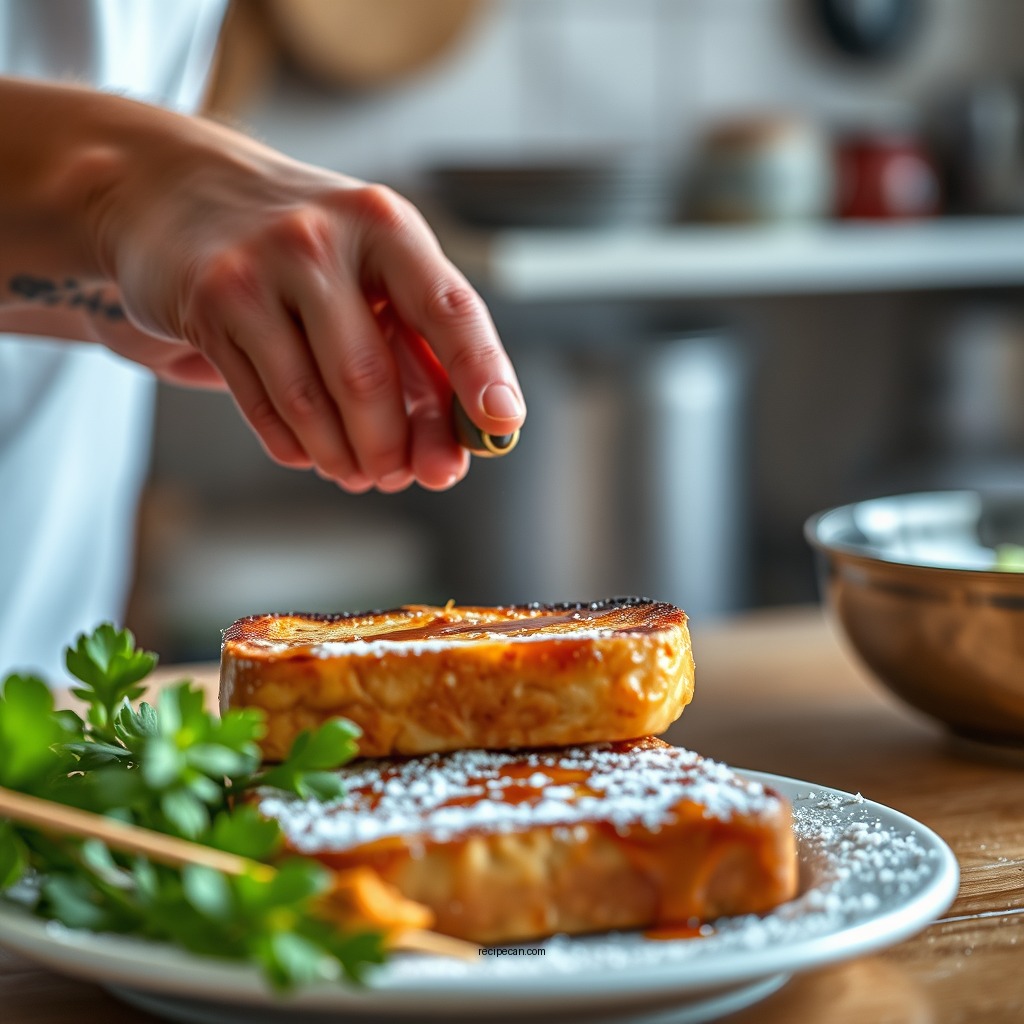
To create a delectable French toast custard, you will need the following ingredients:
– Eggs: 3-4 large eggs, depending on the number of servings desired. Eggs are the backbone of the custard, providing structure and richness.
– Milk or Cream: You can use whole milk for a creamy texture or opt for a lighter mix of milk and cream. The choice of dairy will affect the overall richness of your dish.
– Bread: Thick slices of brioche or challah are highly recommended. These types of bread have a soft texture that absorbs the custard well while maintaining a delightful chewiness.
Step-by-Step Preparation
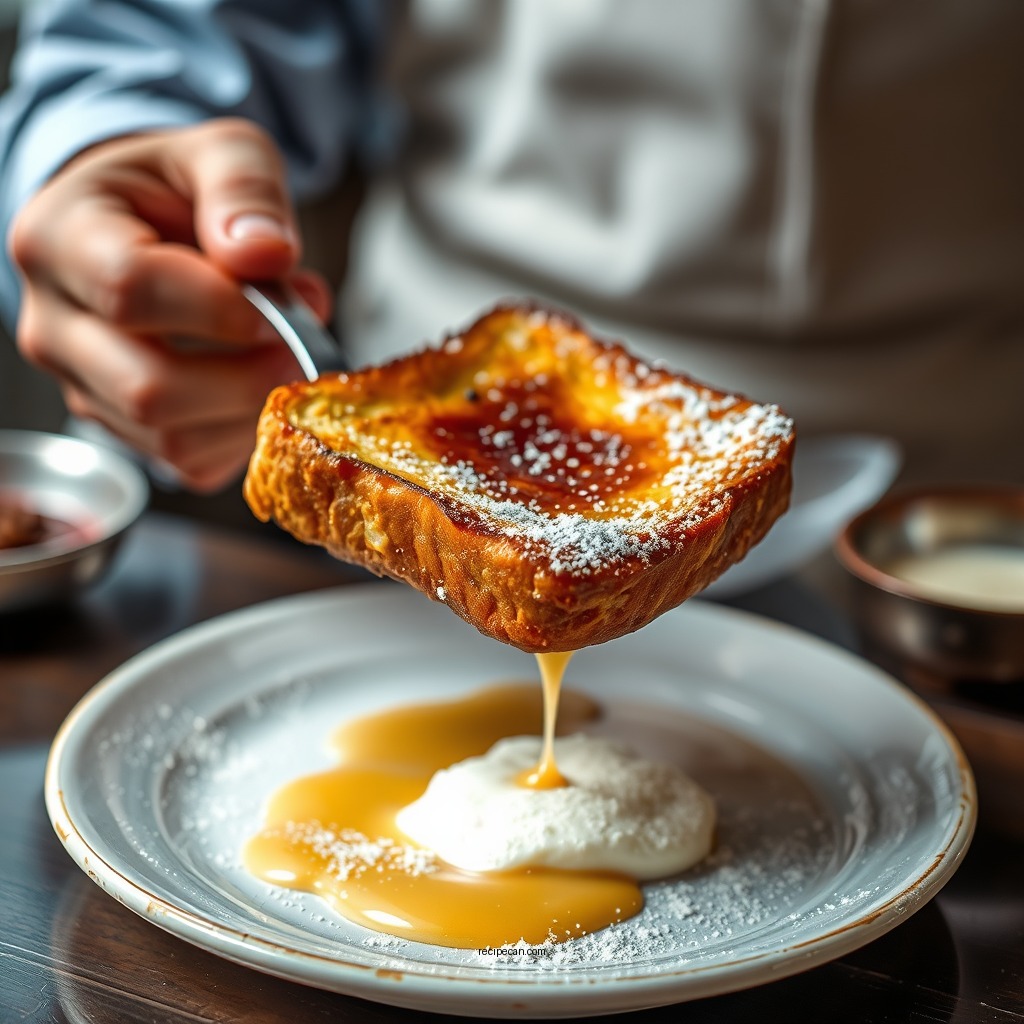
Preparing French toast custard is straightforward. Here’s how to do it:
1. Whisk Together Ingredients: In a large bowl, whisk together eggs, milk, and any desired spices such as cinnamon or vanilla extract. A pinch of salt can also enhance the flavors.
2. Prepare the Bread: Slice your bread into thick pieces, about 1 to 1.5 inches thick. This thickness ensures the bread can absorb enough custard without falling apart.
3. Soak the Bread: Dip each slice of bread into the custard mixture, ensuring an even coating. Be careful not to soak the bread for too long; a quick dip on each side is usually sufficient to prevent it from becoming overly soggy.
Cooking Methods for Perfect French Toast
There are two main methods for cooking French toast custard: pan-frying and baking. Each method has its benefits, and your choice may depend on your preference or the number of servings you are preparing.
1. Pan-frying: Heat a non-stick skillet or griddle over medium heat and add a small amount of butter or oil. Cook each slice for about 2-3 minutes per side or until golden brown and crispy. This method allows you to achieve a delightful crust while keeping the inside soft and custardy.
2. Baking: For a larger batch, consider baking. Preheat your oven to 350°F (175°C) and place the soaked bread slices in a greased casserole dish. Bake for 30-40 minutes, or until the top is golden and the custard is set. This method provides a hands-off approach, allowing you to prepare other breakfast items while it cooks.
Popular Types of Bread for French Toast Custard
| # | Type of Bread | Texture | Flavor | Absorption |
|---|---|---|---|---|
| 1 | Brioche | Soft and Fluffy | Rich and Buttery | High |
| 2 | Challah | Dense and Chewy | Slightly Sweet | High |
| 3 | French Bread | Crisp Outside | Mild Flavor | Moderate |
| 4 | Sourdough | Chewy and Tart | Sour Flavor | Moderate |
| 5 | Whole Wheat | Nutty and Dense | Earthy Flavor | Low |
| 6 | Rye Bread | Dense | Robust Flavor | Moderate |
Serving Suggestions for French Toast Custard
The serving options for French toast custard are nearly limitless, allowing you to create a breakfast that caters to any palate. Here are some popular ideas:
– Toppings: Fresh fruits such as strawberries, blueberries, or bananas add a burst of color and natural sweetness. Whipped cream can elevate the dish to a dessert-like experience, while a drizzle of maple syrup brings classic flavor.
– Add-ins: Consider adding nuts or chocolate chips to the custard mixture for a unique twist. Walnuts, pecans, or almonds can introduce a delightful crunch, while chocolate chips can make the dish feel indulgent.
– Spices and Flavorings: A sprinkle of powdered sugar on top not only enhances the presentation but adds a touch of sweetness. You can also infuse the custard with flavors like nutmeg or orange zest for a fragrant kick.
Tips for Customizing Your Recipe
Customization is key to making French toast custard your own. Here are some tips to experiment with:
– Bread Variations: Try different types of bread to achieve varied textures and flavors. For a healthier option, whole grain or gluten-free bread can be used, while artisan breads can add depth.
– Flavor Enhancements: Adding spices such as nutmeg or cardamom can provide warmth and complexity. You might also consider incorporating flavored extracts, like almond or coconut, to elevate the custard.
– Dietary Adjustments: For a dairy-free version, substitute the milk with almond, soy, or oat milk. Vegan options can be created by using flax eggs or aquafaba instead of traditional eggs.
Troubleshooting Common Issues
Even the most experienced cooks can run into problems. Here are some common challenges and how to solve them:
– Soggy French Toast: If your toast is soggy, it may be due to excessive soaking time in the custard mixture. Aim for a quick dip rather than a prolonged soak to maintain the ideal texture.
– Burnt Edges: To avoid burnt edges when pan-frying, monitor the heat closely. If the toast is browning too quickly, reduce the heat slightly. Additionally, make sure the pan is adequately heated before adding the bread.
Cooking Methods for French Toast Custard
Indulging in homemade French toast custard is easy and rewarding. With the right ingredients and techniques, you can create a breakfast that delights your taste buds. Try out this recipe and enjoy a delicious start to your day!
Frequently Asked Questions
What ingredients do I need for a classic French toast custard recipe?
To make a classic French toast custard, you will need eggs, milk, sugar, vanilla extract, and cinnamon. For the bread, thick slices of brioche or challah work best, as they absorb the custard mixture well and create a rich flavor.
How do I properly soak the bread for French toast custard?
To soak the bread for French toast custard, dip each slice into the custard mixture, ensuring both sides are coated. Allow the bread to soak for about 10-15 seconds on each side, but avoid soaking it too long to prevent it from becoming overly soggy.
Why is using custard in French toast recipes beneficial?
Using custard in French toast recipes enhances the texture and flavor, creating a creamier and richer dish. The combination of eggs and milk in the custard helps the bread to caramelize beautifully when cooked, resulting in a deliciously indulgent breakfast.
What is the best cooking method for French toast custard?
The best cooking method for French toast custard is to cook it on a skillet or griddle over medium heat. This allows for even cooking and a golden-brown exterior, while keeping the inside soft and custardy. Make sure to use a non-stick surface or a bit of butter to prevent sticking.
Which toppings pair well with French toast custard?
Toppings that pair well with French toast custard include fresh fruits like berries or bananas, a drizzle of maple syrup, whipped cream, or a sprinkle of powdered sugar. For added flavor, consider adding nuts or a dollop of yogurt to enhance the overall taste and presentation.
References
- French toast
https://en.wikipedia.org/wiki/French_toast - https://www.sciencedirect.com/topics/food-science/french-toast
https://www.sciencedirect.com/topics/food-science/french-toast - https://www.bbc.com/food/recipes/frenchtoast_13336
https://www.bbc.com/food/recipes/frenchtoast_13336 - NYT Cooking – Recipes and Cooking Guides From The New York Times
https://www.nytimes.com/recipe/french-toast - https://www.britannica.com/topic/french-toast
https://www.britannica.com/topic/french-toast - Google Scholar Google Scholar
https://scholar.google.com/scholar?q=french+toast+custard+recipe - Google Scholar Google Scholar
https://scholar.google.com/scholar?q=french+toast+recipe+custard - Google Scholar Google Scholar
https://scholar.google.com/scholar?q=french+toast+custard+method - https://www.ncbi.nlm.nih.gov/pmc/articles/PMC6550256/
https://www.ncbi.nlm.nih.gov/pmc/articles/PMC6550256/ - https://www.cdc.gov/nutrition/resources-publications/food-safety.html
https://www.cdc.gov/nutrition/resources-publications/food-safety.html