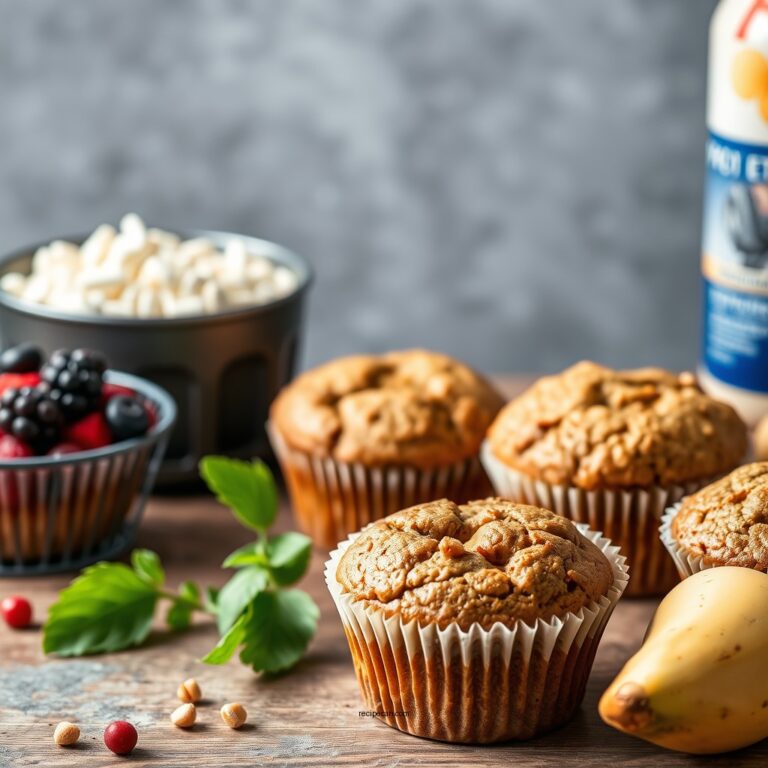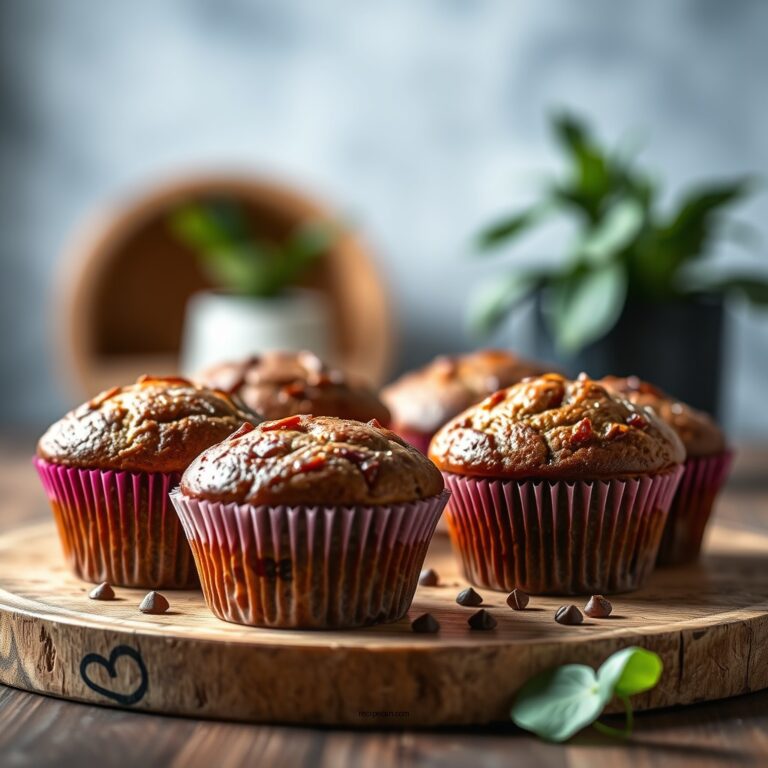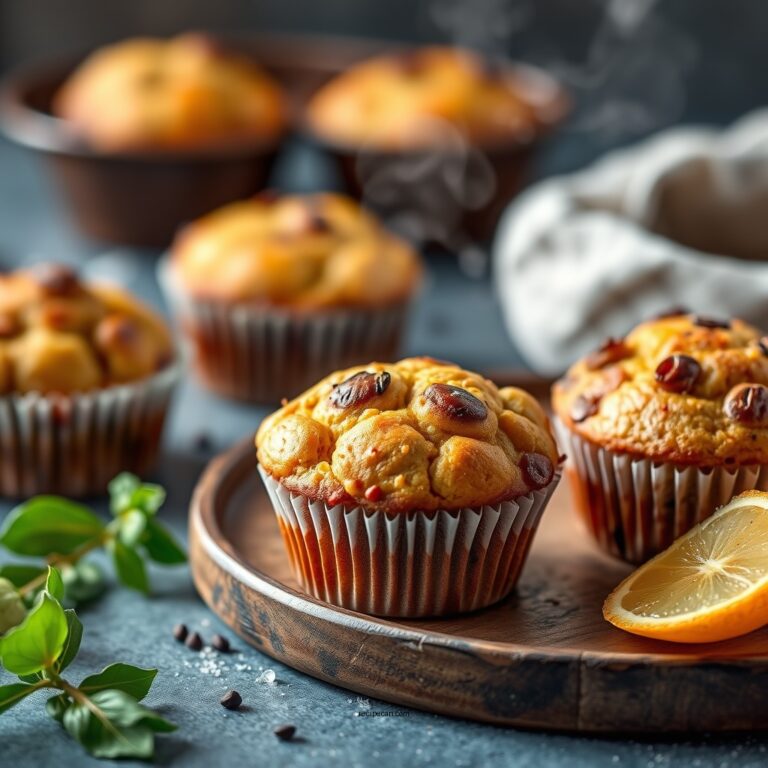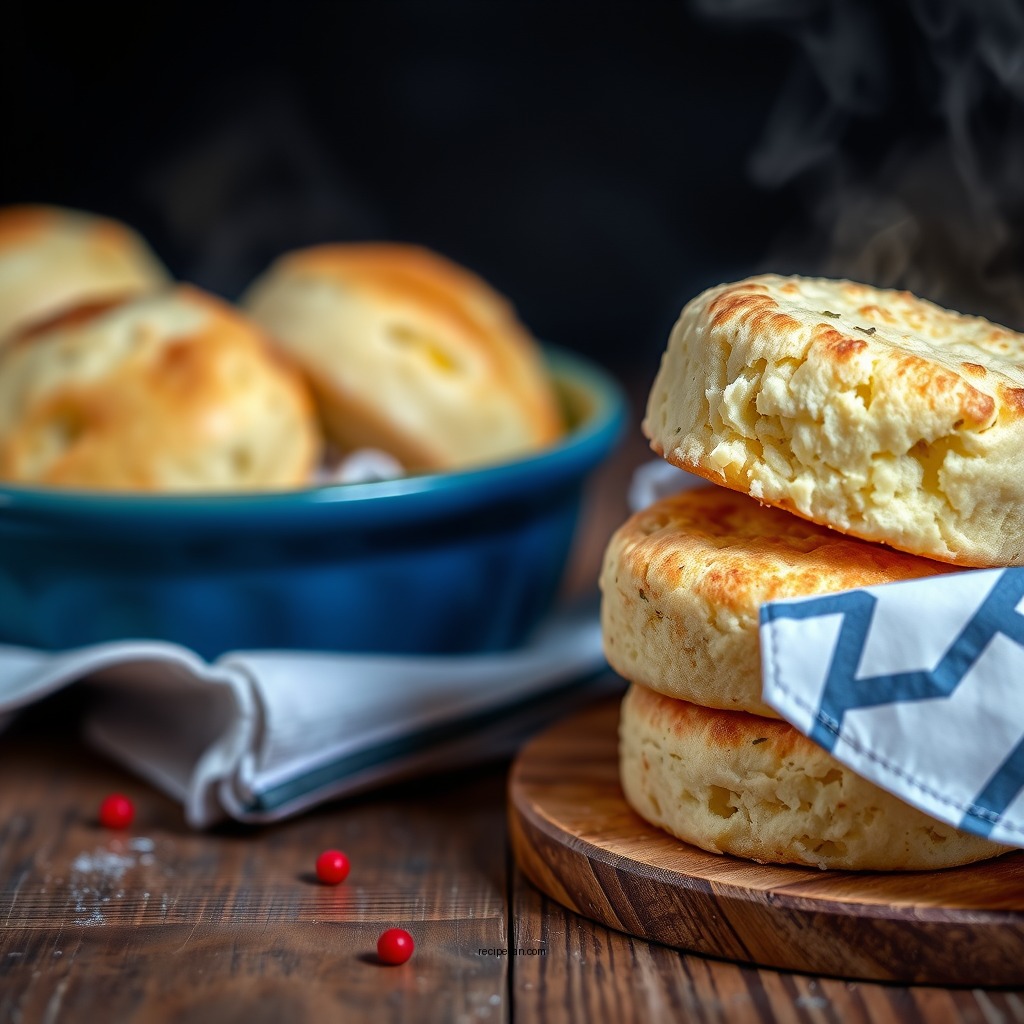
Making your own English muffins is simple and rewarding, and with this easy recipe, you can enjoy warm, homemade muffins in no time. This guide will walk you through the essential ingredients, provide step-by-step instructions, and share tips for achieving that perfect nooks and crannies texture that makes English muffins so delightful. Not only do homemade English muffins taste better than store-bought, but they also allow for customization to suit your personal preferences.
Essential Ingredients
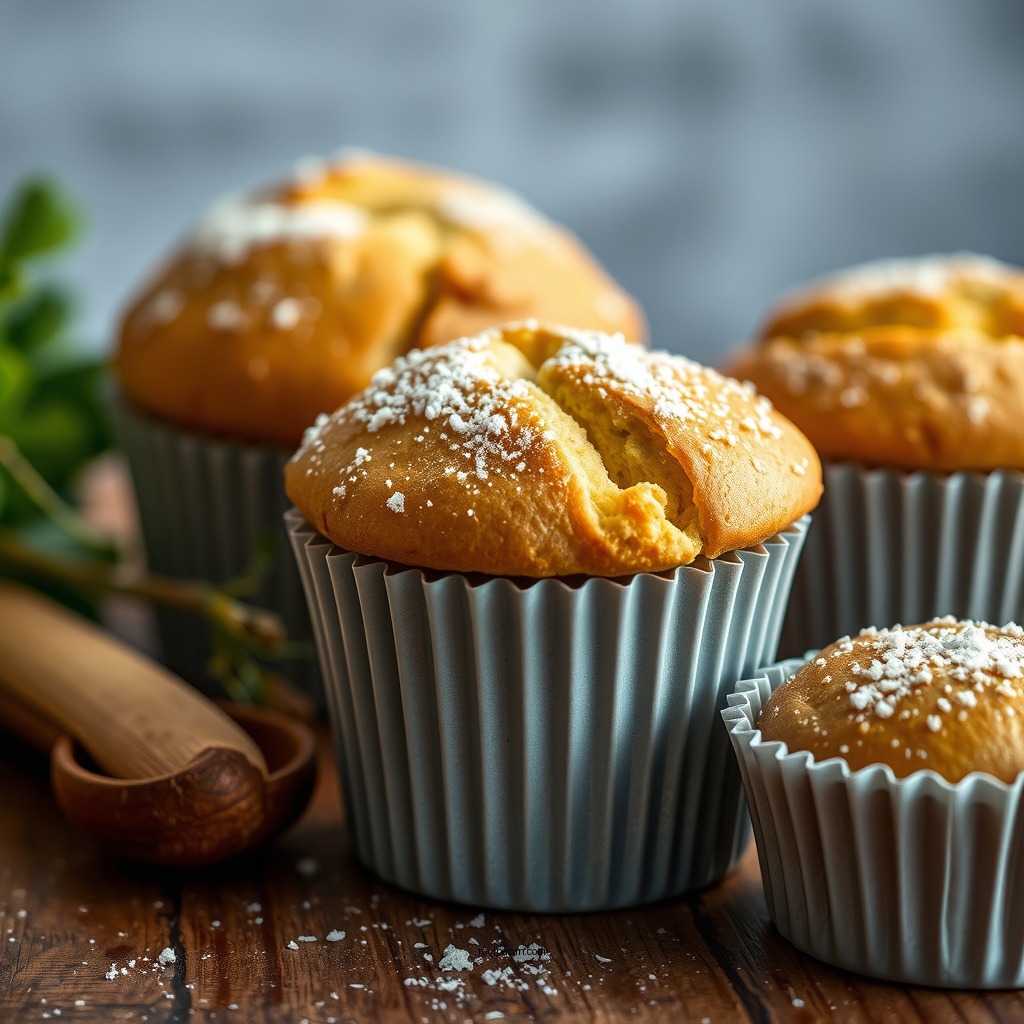
To create the perfect English muffins, it’s vital to gather the right ingredients. Each component plays a crucial role in the flavor and texture of the final product.
– Flour: Using high-protein bread flour is recommended for achieving the best texture. The higher protein content aids in gluten development, which gives the muffins their characteristic chewiness and structure.
– Yeast: You can use either active dry yeast or instant yeast for quick rising. Instant yeast is often preferred for its convenience, as it does not require proofing and can be mixed directly into the dry ingredients.
– Milk: Whole milk adds richness and moisture to the dough. It also enhances the flavor, making the muffins taste more indulgent. For a dairy-free option, you can substitute almond milk or oat milk.
Preparing the Dough

The preparation of the dough is a critical step in making delicious English muffins. Following the right techniques will ensure a successful outcome.
– Mixing: Start by combining the dry ingredients—flour, yeast, sugar, and salt—in a large mixing bowl. Gradually add the warm milk to the dry mixture, stirring until a shaggy dough forms. This initial mixing is essential for the yeast to start activating and for the ingredients to come together.
– Kneading: Transfer the dough onto a lightly floured surface and knead it for about 5-7 minutes. The goal is to achieve a smooth and elastic dough. Kneading activates the gluten, which provides structure to the muffins. You can perform a windowpane test by stretching a small piece of dough; if it stretches without tearing, it’s ready.
Rising Time
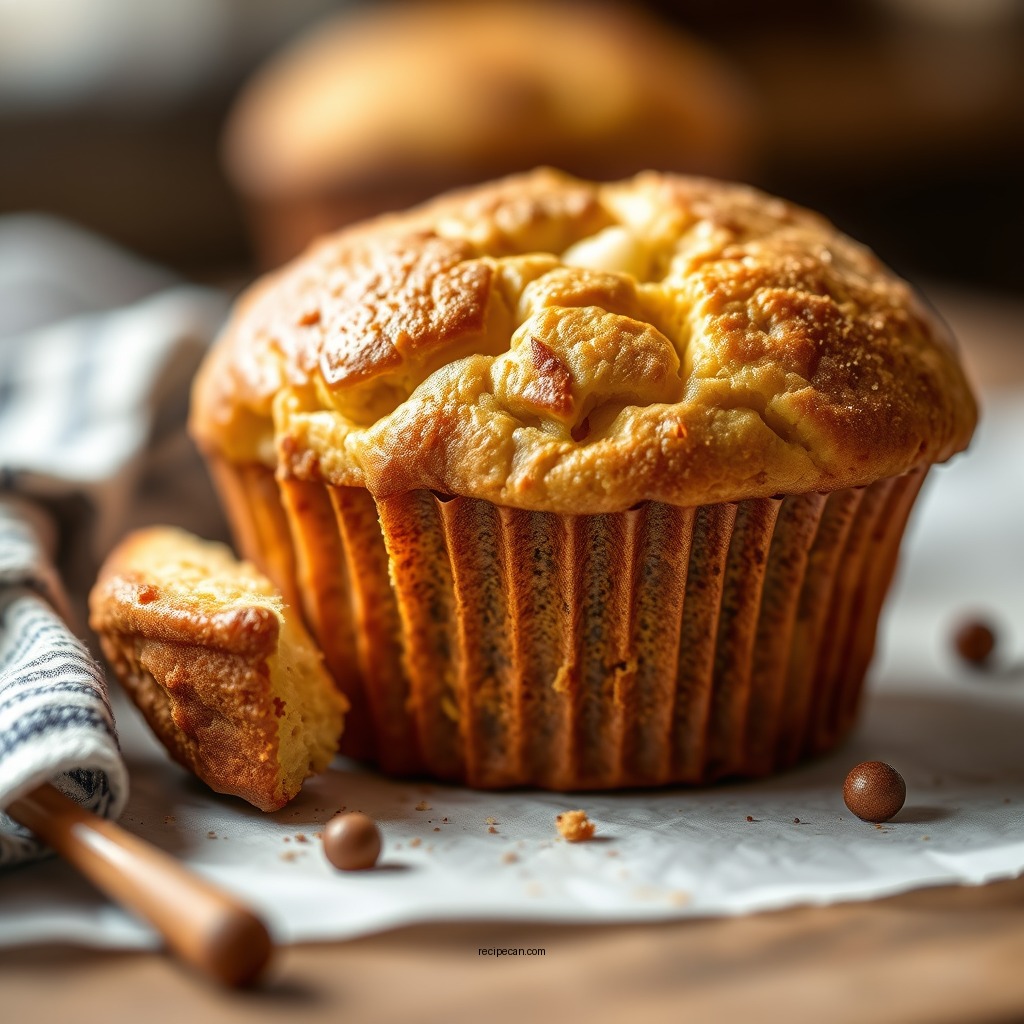
Allowing the dough to rise properly is crucial for developing flavor and achieving the desired texture.
– First Rise: Place the kneaded dough in a lightly greased bowl and cover it with a damp cloth. Allow it to rise in a warm place until it doubles in size, typically taking about 1-2 hours. This fermentation process allows the yeast to produce carbon dioxide, creating air pockets in the dough.
– Second Rise: After shaping the muffins, let them rise again for about 30 minutes. This second rise is essential for developing that light, airy texture that defines a good English muffin.
Cooking Methods
There are two primary methods for cooking English muffins, each yielding slightly different textures.
– Stovetop: Cooking muffins on a griddle or skillet over medium heat is a traditional method. It produces a golden-brown crust while keeping the inside soft and fluffy. Make sure to flip the muffins halfway through cooking to ensure even browning.
– Oven: Alternatively, you can bake the muffins in a preheated oven at 375°F (190°C) for about 15-20 minutes. Baking them provides a more uniform texture and a crustier exterior, which some people prefer.
Top 7 Ingredients for English Muffins
| # | Ingredient | Type | Purpose | Notes |
|---|---|---|---|---|
| 1 | Bread Flour | High-Protein | Structure | Best texture |
| 2 | Active Dry Yeast | Leavening | Rising | Quick rise |
| 3 | Whole Milk | Liquid | Moisture | Rich flavor |
| 4 | Sugar | Sweetener | Flavor | Enhances yeast activity |
| 5 | Salt | Seasoning | Flavor | Regulates fermentation |
| 6 | Butter | Fat | Flavor | Adds richness |
| 7 | Cornmeal | Coating | Texture | Prevents sticking |
Tips for Perfect Muffins
To ensure your English muffins turn out perfectly every time, consider implementing these expert tips.
– Use a ring mold: This helps maintain the shape while cooking, ensuring that the muffins rise evenly and maintain their round form. If you don’t have a ring mold, you can use a wide-mouth canning jar ring or cut-out pieces from aluminum foil.
– Don’t rush the rising: Proper fermentation enhances flavor and texture. If you are in a hurry, consider placing the dough in a slightly warm oven to speed up the rising process, but be cautious not to overheat and kill the yeast.
– Poke a hole: When shaping your muffins, poke a small hole in the center of each muffin with your finger. This allows for better heat distribution during cooking, ensuring that the inside cooks through evenly.
Serving Suggestions
Once your English muffins are baked, the possibilities for enjoying them are endless.
– Toasted: One of the simplest yet most delightful ways to enjoy English muffins is to toast them and spread with butter and your favorite jam or honey. The toasting process accentuates their texture and enhances the overall flavor.
– Savory: English muffins also serve as an excellent base for breakfast sandwiches. Layer with eggs, cheese, avocado, or even smoked salmon for a nutritious and satisfying meal. Additionally, they can be used as a base for classic dishes like Eggs Benedict, topped with poached eggs and hollandaise sauce.
Cooking Methods for English Muffins
Making your own English muffins at home is not only a fun and rewarding experience but also an opportunity to enjoy a fresh, customizable product. This recipe allows you to explore your baking skills while bringing the delightful taste of homemade muffins to your table. With the right ingredients, techniques, and tips, you can create English muffins that rival any store-bought option. So gather your ingredients and start baking your delicious English muffins today!
Frequently Asked Questions
What ingredients do I need for a basic English muffins recipe?
To make a basic English muffins recipe, you’ll need all-purpose flour, active dry yeast, warm water, milk, sugar, salt, and butter. These ingredients combine to create a soft and chewy texture that is essential for classic English muffins. Be sure to use fresh yeast for the best rise and flavor.
How do I properly prepare English muffins for cooking?
To prepare English muffins for cooking, start by mixing your dough until it’s smooth and elastic. After letting it rise until doubled in size, shape the dough into rounds and let them rest briefly. Cooking them on a griddle or skillet over medium heat allows for an even, golden-brown finish, ensuring they are cooked through without burning.
Why are my English muffins not rising properly?
If your English muffins aren’t rising properly, it could be due to expired yeast or improper fermentation temperatures. Ensure your yeast is fresh and activate it in warm water before adding it to your dough. Additionally, make sure to allow your dough to rise in a warm, draft-free area for optimal results.
What is the best way to store homemade English muffins?
The best way to store homemade English muffins is to let them cool completely and then place them in an airtight container or zip-top bag. They can be stored at room temperature for a few days or frozen for longer preservation. When ready to enjoy, simply toast them directly from the freezer for a fresh taste.
Which toppings are best for English muffins?
The best toppings for English muffins include classic choices like butter and jam, cream cheese, or even avocado for a healthier option. For a heartier meal, consider adding poached eggs, smoked salmon, or various cheeses. Experimenting with different toppings can elevate your English muffins into a gourmet treat.
References
- English muffin
https://en.wikipedia.org/wiki/English_muffin - https://www.bbc.co.uk/food/recipes/english_muffins_88089
https://www.bbc.co.uk/food/recipes/english_muffins_88089 - Maple-Pecan Bourbon Balls Recipe
https://www.nytimes.com/recipes/1019823/english-muffins.html - https://www.sciencedirect.com/topics/food-science/english-muffins
https://www.sciencedirect.com/topics/food-science/english-muffins - https://pubmed.ncbi.nlm.nih.gov/24414556/
https://pubmed.ncbi.nlm.nih.gov/24414556/ - English muffin | food | Britannica
https://www.britannica.com/topic/English-muffin - Google Scholar Google Scholar
https://scholar.google.com/scholar?q=english+muffins+recipe - Google Scholar Google Scholar
https://scholar.google.com/scholar?q=making+english+muffins - Google Scholar Google Scholar
https://scholar.google.com/scholar?q=english+muffins+history - https://www.nutrition.gov/topics/food-safety/food-safety-tips/food-safety-english-muffins
https://www.nutrition.gov/topics/food-safety/food-safety-tips/food-safety-english-muffins