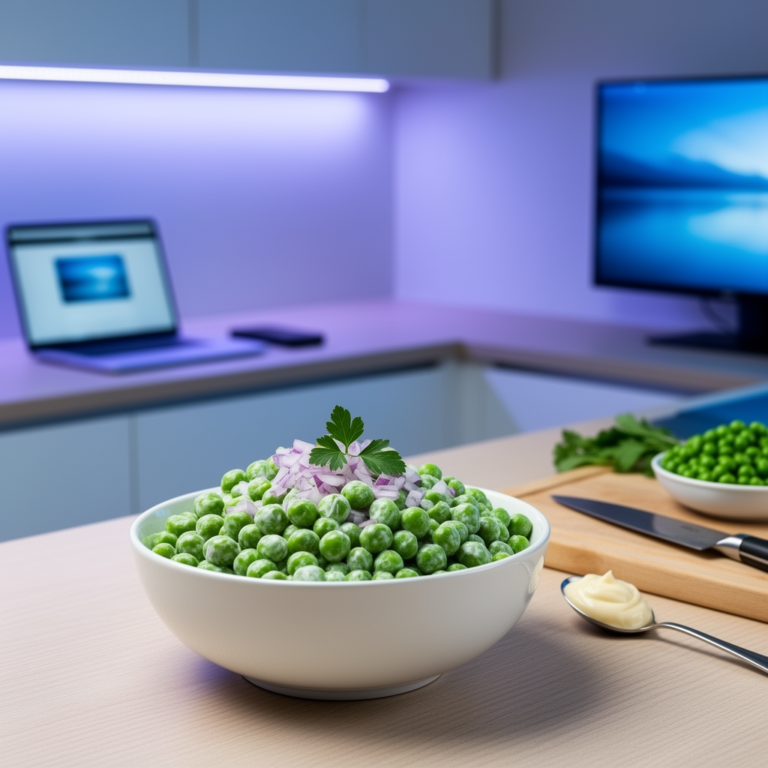
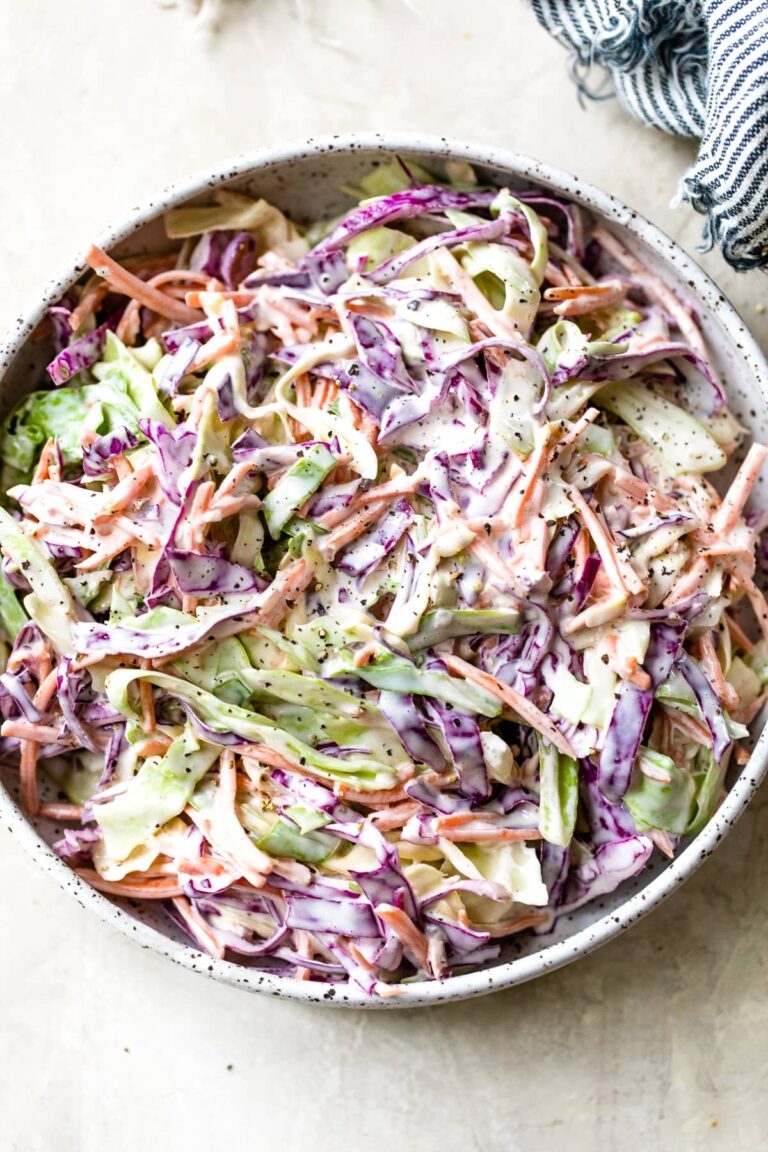
This easy egg-free mayonnaise recipe is the perfect solution for anyone seeking a creamy, delicious alternative without eggs. Ideal for those with allergies or dietary restrictions, this homemade version offers the same rich flavor and texture as traditional mayonnaise. Discover how to whip up this versatile condiment quickly and effortlessly, making it a staple in your kitchen. Say goodbye to store-bought options and elevate your meals with this simple recipe.
Making egg-free mayonnaise is simple and quick, allowing you to enjoy a creamy, delicious condiment without the use of eggs. In just a few minutes, you can whip up a vegan-friendly mayonnaise that’s perfect for sandwiches, salads, and dips. This recipe will guide you through the ingredients and steps needed to create your own egg-free mayonnaise, ensuring that you can indulge in this classic condiment while adhering to dietary preferences or restrictions.
Ingredients You’ll Need
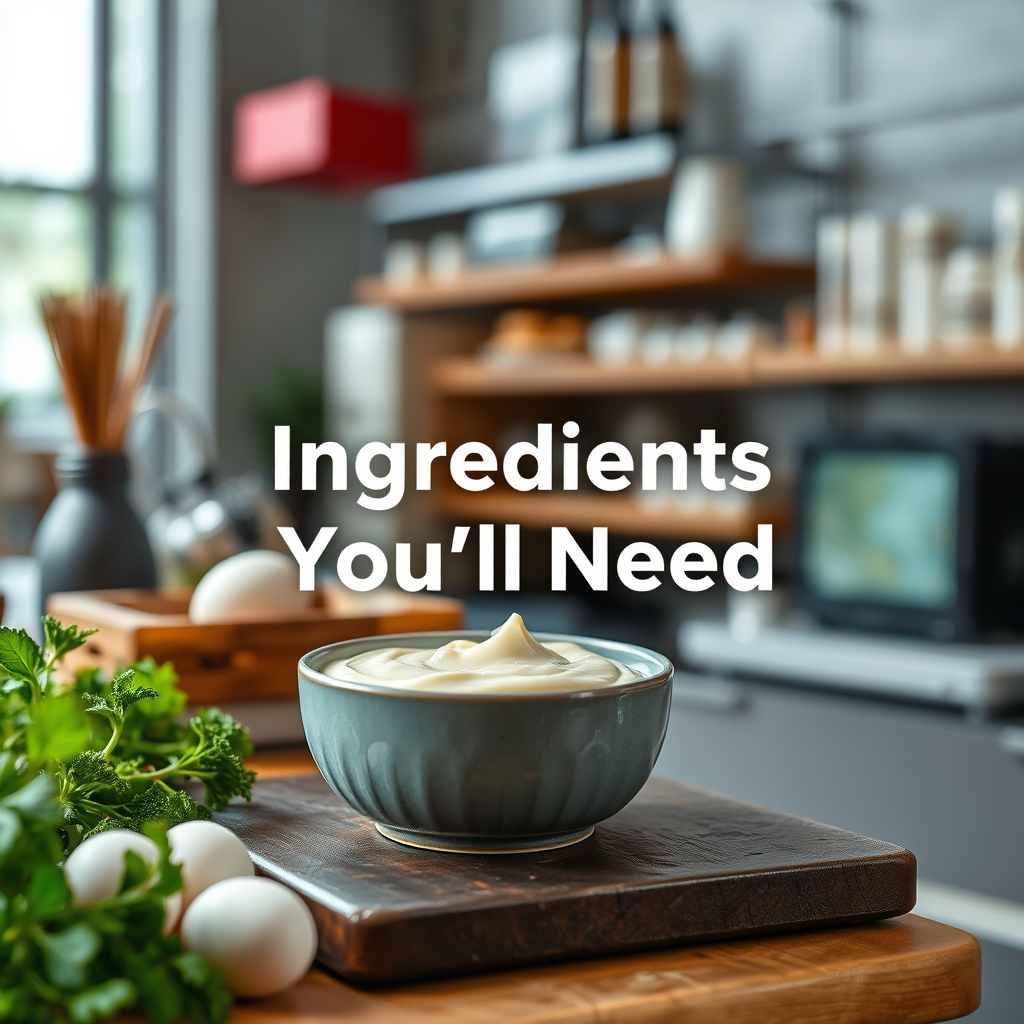
To make egg-free mayonnaise at home, you will need the following ingredients:
– 1/2 cup aquafaba (the liquid from canned chickpeas)
– 1 tablespoon Dijon mustard (or any mustard of your choice)
– 1 cup neutral oil (such as sunflower or canola oil)
– 1 tablespoon apple cider vinegar (for tanginess)
– Salt to taste (about 1/2 teaspoon)
Optional Ingredients for Flavor Variations
You can enhance the flavor of your egg-free mayonnaise with a variety of optional ingredients:
– 1-2 cloves garlic (minced, for a garlicky twist)
– Fresh herbs (such as dill, basil, or parsley)
– Spices (like smoked paprika or cayenne pepper for a kick)
– Lemon juice (for added acidity and brightness)
Step-by-Step Instructions

Creating your egg-free mayonnaise is not only easy but also quite enjoyable. Follow these detailed steps:
1. Prepare Your Ingredients: Make sure you have all your ingredients ready. If you’re using fresh garlic or herbs, chop them finely.
2. Combine Aquafaba and Mustard: In a tall mixing container or a blender, combine the aquafaba and Dijon mustard. Use an immersion blender or a standard blender to mix these until they are well combined and slightly frothy.
3. Add Oil Gradually: While blending, slowly drizzle in the neutral oil. This step is crucial; adding the oil too quickly can prevent emulsification. Aim for a consistent, thin stream while blending until the mixture starts to thicken.
4. Incorporate Vinegar and Salt: Once the mayonnaise has reached your desired thickness, add the apple cider vinegar and salt. Blend again until well combined. Taste and adjust seasoning as needed.
5. Check Consistency: If your mayonnaise is too thick, you can thin it out with a little water or more aquafaba. If it’s too thin, continue blending while gradually adding more oil.
Tips for Achieving the Right Consistency
– Temperature Matters: Ensure all ingredients are at room temperature for the best emulsification.
– Blending Tools: An immersion blender is ideal for this recipe as it allows you to control the blending process more easily, but a standard blender works just as well.
– Experiment: Don’t hesitate to adjust the oil to aquafaba ratio to achieve your preferred thickness.
Flavor Variations to Try

Egg-free mayonnaise is incredibly versatile, and you can customize it to suit your taste preferences. Here are some flavor variations:
– Garlic Aioli: Add minced garlic and a squeeze of lemon juice for a classic aioli.
– Herbed Mayonnaise: Blend in fresh herbs like dill or chives for a refreshing herbal flavor that works well in salads or as a dip.
– Spicy Mayonnaise: Incorporate sriracha or cayenne pepper for a spicy kick, perfect for sandwiches or as a condiment for grilled veggies.
– Sweet Mayonnaise: For a sweet twist, mix in a bit of maple syrup or honey (if not strictly vegan) and cinnamon, great for dressings or desserts.
Popular Flavor Variations for Egg-Free Mayonnaise
| Flavor Variation | Key Ingredients | Ideal For |
|---|---|---|
| Garlic Aioli | Garlic, lemon juice | Sandwiches, dips |
| Herbed Mayonnaise | Dill, chives | Salads, spreads |
| Spicy Mayonnaise | Sriracha, cayenne | Tacos, burgers |
| Sweet Mayonnaise | Maple syrup, cinnamon | Desserts, dressings |
Storage Tips for Your Mayonnaise
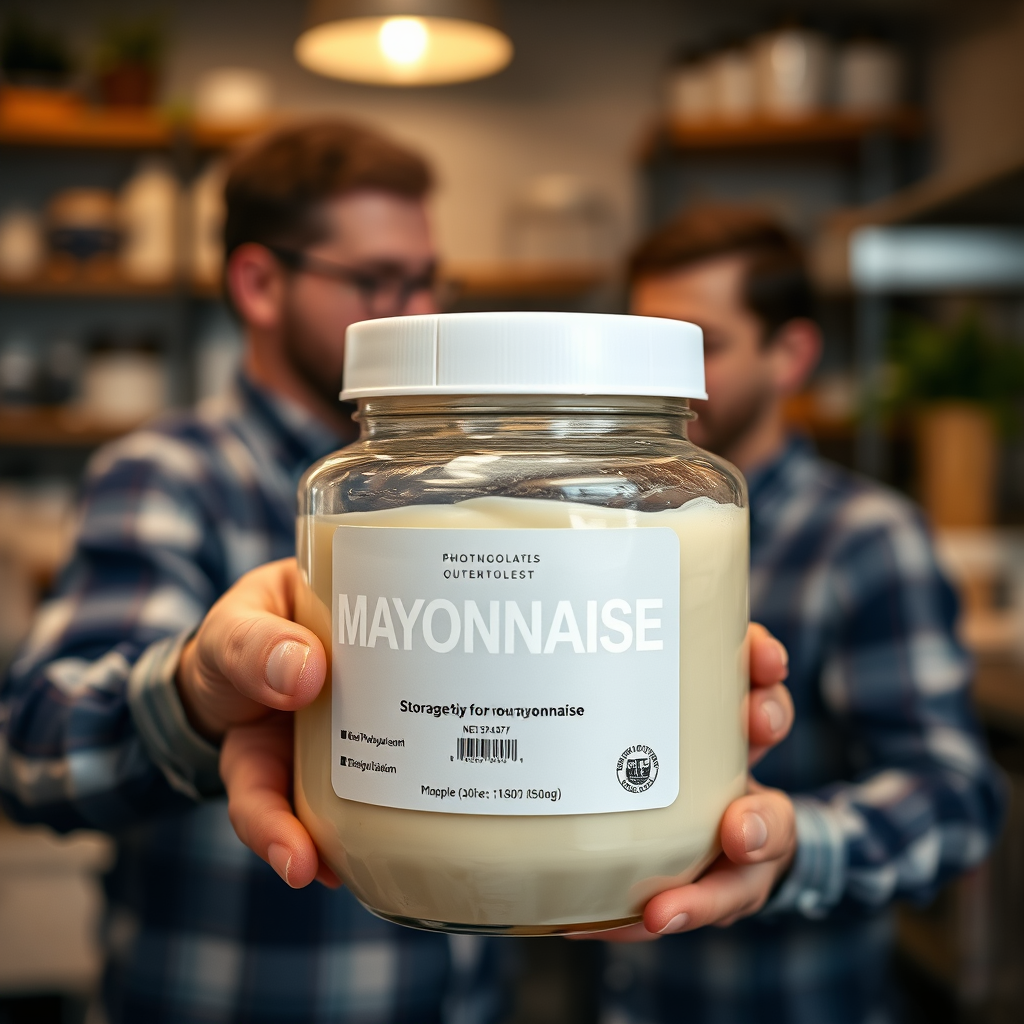
To ensure your egg-free mayonnaise stays fresh and delicious, proper storage is essential:
– Refrigeration: Store your mayonnaise in an airtight container in the refrigerator. This will help prevent spoilage and maintain its flavor.
– Shelf Life: Homemade egg-free mayonnaise typically lasts about 5-7 days in the fridge. Always check for any off smells or changes in color before use.
– Freezing: While it’s possible to freeze mayonnaise, the texture may change upon thawing. For best results, use it fresh.
Common Mistakes to Avoid

Even though making mayonnaise is straightforward, there are some common pitfalls to watch out for:
– Adding Oil Too Quickly: If you add the oil too fast, the mixture may not emulsify properly. Always start slowly and gradually increase the flow once you see it thickening.
– Using Cold Ingredients: Make sure your aquafaba and other ingredients are at room temperature for optimal emulsification.
– Over-Blending: Blending too long can lead to a grainy texture. Once you achieve the desired thickness, stop blending.
Troubleshooting Tips for Common Issues
– If the mayonnaise is too thin: Blend in more oil slowly until you reach the desired consistency.
– If it separates: Try re-blending the mixture while slowly adding a bit more aquafaba.
Nutritional Benefits of Egg-Free Mayonnaise
Using egg-free alternatives like aquafaba provides several nutritional benefits:
– Lower in Cholesterol: This mayonnaise is cholesterol-free, making it a healthier option for those concerned about heart health.
– Vegan-Friendly: Suitable for vegans or those with egg allergies, aquafaba mayonnaise allows everyone to enjoy a classic flavor.
– Rich in Protein: Aquafaba contains protein, thus adding nutritional value compared to traditional mayonnaise.
Comparison to Traditional Mayonnaise
When comparing egg-free mayonnaise to traditional mayonnaise, it’s evident that the former not only caters to various dietary needs but also often has fewer calories and less fat:
| Nutritional Component | Traditional Mayonnaise (1 tbsp) | Egg-Free Mayonnaise (1 tbsp) |
|————————-|———————————-|——————————-|
| Calories | 94 | 30 |
| Total Fat (g) | 10.5 | 3 |
| Saturated Fat (g) | 1.5 | 0.5 |
| Cholesterol (mg) | 5 | 0 |
| Protein (g) | 0.1 | 0.5 |
In conclusion, making egg-free mayonnaise at home is a straightforward process that opens up a world of culinary possibilities. With just a few simple ingredients and a little time, you can create a versatile and delicious condiment that suits a variety of dietary needs. Whether you stick to the classic recipe or experiment with different flavor variations, this egg-free mayonnaise is sure to elevate your meals. Don’t hesitate to try the recipe and share your experiences, along with any creative variations you come up with!
Frequently Asked Questions
What are the basic ingredients for an egg free mayonnaise recipe?
The basic ingredients for an egg free mayonnaise recipe typically include silken tofu or aquafaba (the liquid from canned chickpeas), mustard, lemon juice or vinegar, and oil. These ingredients blend together to create a creamy texture similar to traditional mayonnaise, making it a great alternative for those avoiding eggs.
How do I make egg free mayonnaise at home?
To make egg free mayonnaise at home, start by blending 1 cup of silken tofu or aquafaba with 1 tablespoon of mustard, 1 tablespoon of lemon juice, and a pinch of salt. Gradually add 1 cup of oil while blending until the mixture reaches a smooth and creamy consistency. Adjust the flavor with additional lemon juice or seasoning as desired.
Why should I consider using egg free mayonnaise instead of traditional mayonnaise?
Using egg free mayonnaise is a great choice for individuals with egg allergies, vegans, or those looking to reduce cholesterol intake. It offers a similar taste and texture to traditional mayonnaise without the use of eggs, making it a versatile condiment for salads, sandwiches, and dips.
What is the best oil to use for homemade egg free mayonnaise?
The best oil for homemade egg free mayonnaise is typically a neutral oil such as canola, sunflower, or grapeseed oil, as they won’t overpower the flavor. Olive oil can also be used for a richer taste, but it may alter the overall flavor profile, so consider your personal preference when choosing the oil.
Which kitchen appliances are best for making egg free mayonnaise?
For making egg free mayonnaise, a high-speed blender or a food processor works best as they can efficiently blend the ingredients to achieve a smooth consistency. An immersion blender can also be a convenient option, allowing you to mix the ingredients directly in the container, minimizing cleanup.
References
- https://en.wikipedia.org/wiki/Mayo_(food
https://en.wikipedia.org/wiki/Mayo_(food - Page Not Found – Site Help – Mayo Clinic
https://www.mayoclinic.org/healthy-lifestyle/nutrition-and-healthy-eating/expert-answers/what-is-mayonnaise/faq-20057951 - https://www.ncbi.nlm.nih.gov/pmc/articles/PMC7117406/
https://www.ncbi.nlm.nih.gov/pmc/articles/PMC7117406/ - https://www.ncbi.nlm.nih.gov/pmc/articles/PMC7762117/
https://www.ncbi.nlm.nih.gov/pmc/articles/PMC7762117/ - https://www.sciencedirect.com/topics/food-science/mayonnaise
https://www.sciencedirect.com/topics/food-science/mayonnaise - https://www.theguardian.com/lifeandstyle/2020/jul/22/how-to-make-egg-free-mayonnaise
https://www.theguardian.com/lifeandstyle/2020/jul/22/how-to-make-egg-free-mayonnaise - https://scholar.google.com/scholar?q=egg+free+mayonnaise+recipe Google Scholar
https://scholar.google.com/scholar?q=egg+free+mayonnaise+recipe - Google Scholar Google Scholar
https://scholar.google.com/scholar?q=vegan+mayonnaise+recipes - https://scholar.google.com/scholar?q=eggless+mayonnaise+nutritional+benefits Google Scholar
https://scholar.google.com/scholar?q=eggless+mayonnaise+nutritional+benefits - egg free mayonnaise recipe – Search results
https://en.wikipedia.org/wiki/Special:Search?search=egg+free+mayonnaise+recipe