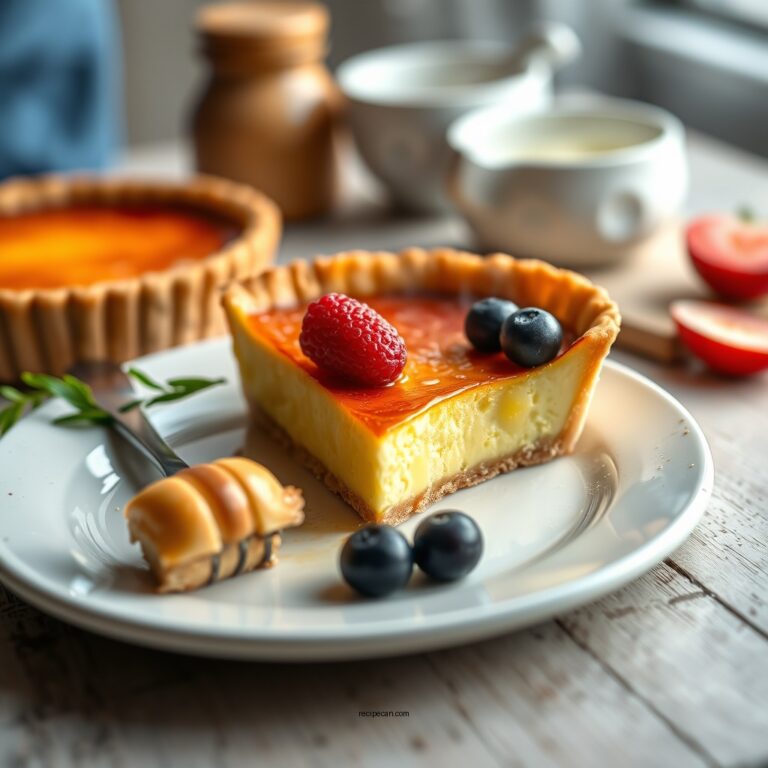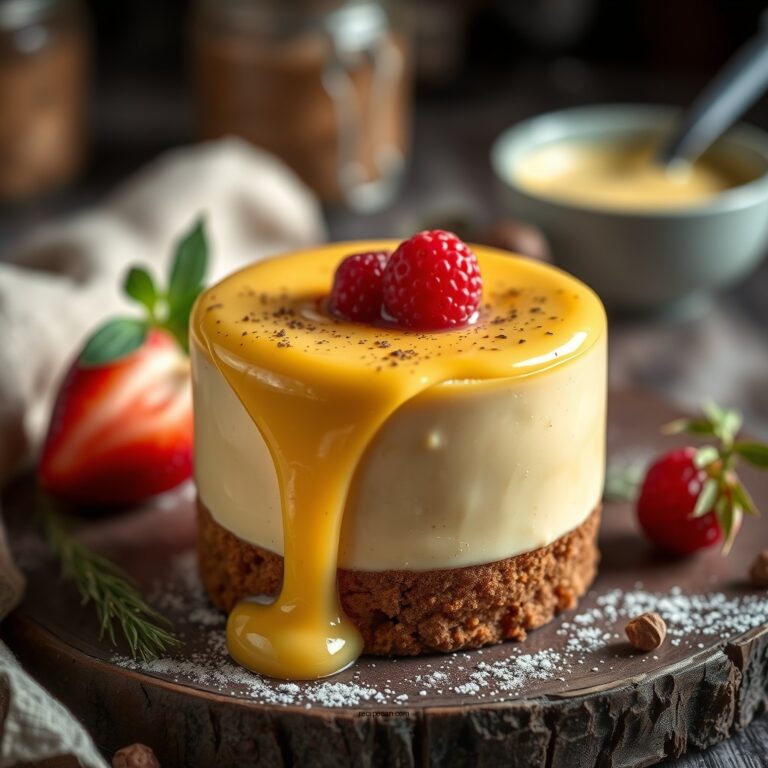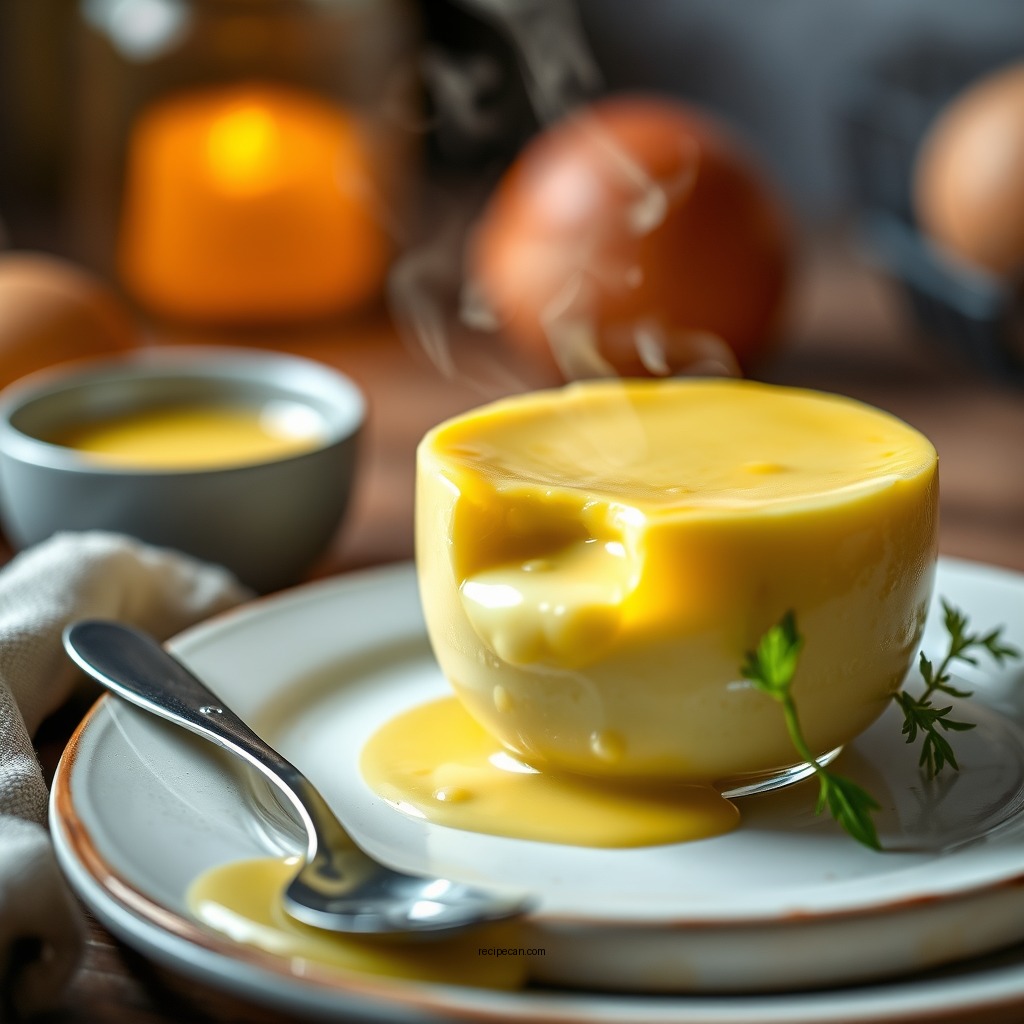
Egg custard is a simple yet delightful dessert that requires just a few basic ingredients and minimal effort. This creamy and smooth custard can be enjoyed on its own or used as a base for an array of other desserts. In this article, you’ll learn how to make a luscious egg custard that will impress guests and satisfy your sweet tooth.
Essential Ingredients for Egg Custard
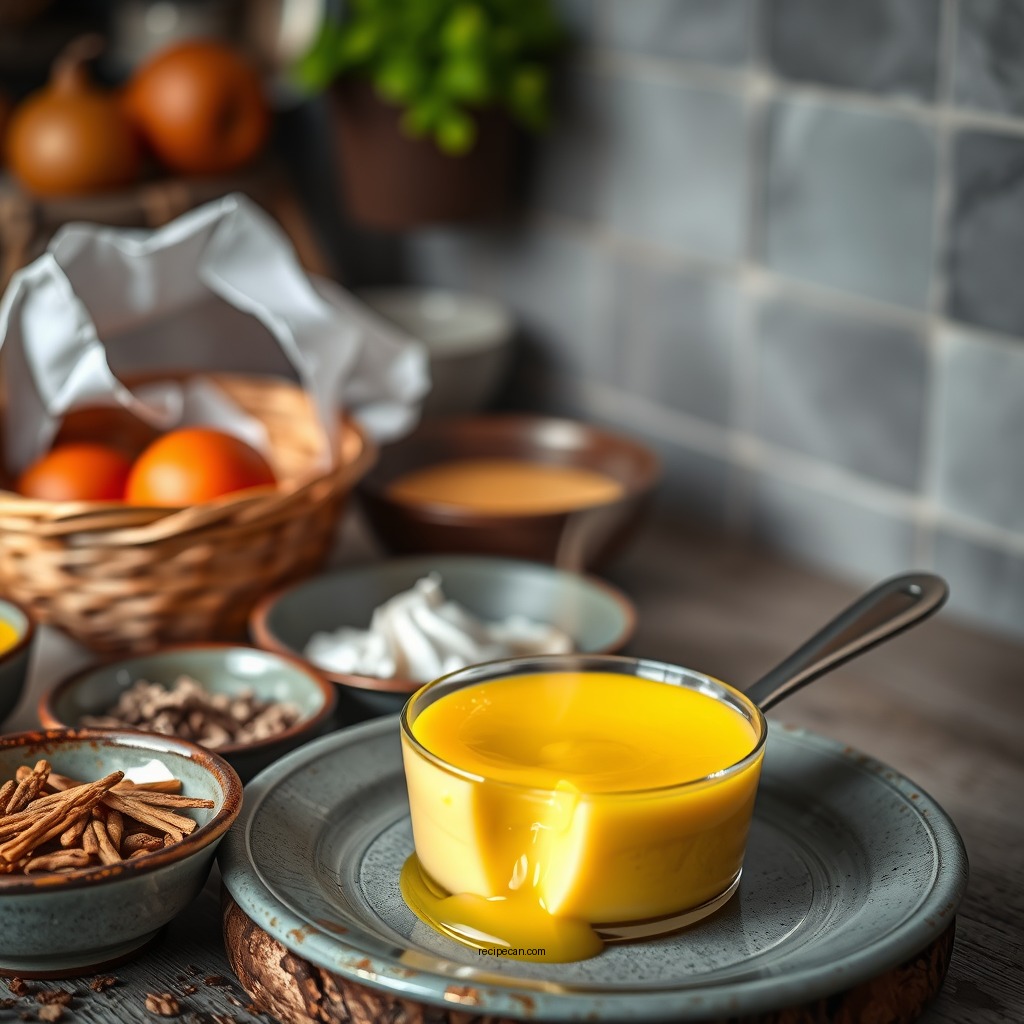
To create a perfect egg custard, you will need three essential ingredients, each contributing significantly to the dessert’s texture and flavor.
– Eggs: The backbone of the custard, eggs provide structure and richness. They are responsible for the custard’s creamy texture and help to thicken the mixture. Using fresh, high-quality eggs can make a noticeable difference in flavor and consistency.
– Milk or Cream: The choice between milk and cream will depend on the richness you desire. Whole milk yields a lighter custard, while heavy cream creates a more decadent and luxurious texture. You can also opt for a combination of both for a balanced custard.
– Sugar: Sugar not only sweetens the custard but also enhances its flavor. Granulated sugar is typically used, but you can experiment with alternatives like brown sugar or maple syrup for added depth.
Preparing the Custard Mixture

The preparation of the custard mixture is straightforward. Follow these steps for a smooth and creamy result:
– Whisk Together Eggs and Sugar: Start by cracking the eggs into a mixing bowl and adding the sugar. Using a whisk or an electric mixer, beat the mixture until it is well combined and slightly frothy. This process incorporates air, which will help create a light texture in the finished custard.
– Gradually Add Milk or Cream: Slowly pour in the milk or cream while continuously whisking. This gradual incorporation prevents the eggs from cooking too quickly and helps maintain a smooth consistency.
– Incorporate Flavorings: To elevate your custard, consider adding flavorings such as vanilla extract, nutmeg, or a splash of rum. These ingredients can add complexity and enhance the overall taste of your custard.
Cooking Methods for Egg Custard
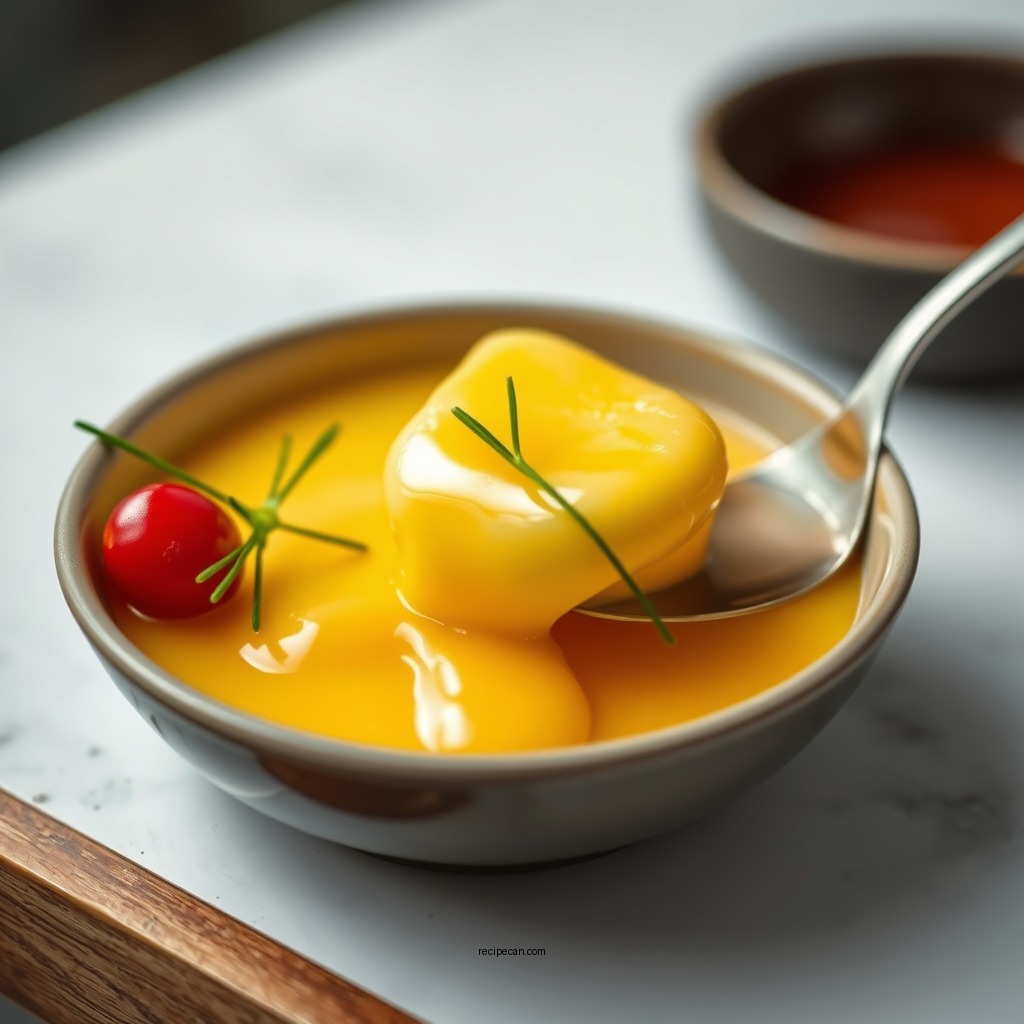
There are two primary methods for cooking egg custard: baking and stovetop. Each method yields slightly different textures, so choose based on your preference.
– Baking: For a traditional custard, pour the mixture into a baking dish and place it in a larger dish filled with hot water, creating a water bath. This method ensures even heat distribution and prevents the custard from curdling. Bake at a low temperature until the custard is set but still slightly jiggly in the center.
– Stovetop: If you prefer a quicker method, you can cook the custard on the stovetop. Use low heat and stir constantly to prevent the mixture from sticking to the bottom of the pan. Cook until it thickens and coats the back of a spoon. Be vigilant to avoid boiling, which can cause the eggs to scramble.
Egg Custard Cooking Methods Comparison
| # | Method | Time (minutes) | Texture | Difficulty |
|---|---|---|---|---|
| 1 | Baking | 40 | Creamy | Medium |
| 2 | Stovetop | 15 | Silky | Easy |
Tips for Achieving the Perfect Texture
To ensure your egg custard turns out perfectly every time, consider the following tips:
– Strain the Custard Mixture: Before cooking, strain the mixture through a fine sieve to eliminate any lumps or bubbles. This step results in an ultra-smooth custard that’s free of any unwanted textures.
– Monitor the Cooking Time: Overcooking can lead to a grainy custard due to the proteins in the eggs tightening. Keep a close eye on the cooking time, and remove the custard from heat as soon as it is thickened to your desired consistency.
– Use a Thermometer: To achieve the perfect custard, use a thermometer to check for doneness. A custard is ready when it reaches about 170°F (77°C). This temperature will ensure that the eggs are cooked through without scrambling.
Serving Suggestions
Egg custard can be served in various delightful ways, making it a versatile dessert option:
– Warm or Chilled: Depending on your preference, egg custard can be served warm right out of the oven or chilled in the refrigerator. Both temperatures offer unique experiences.
– Toppings: Enhance the flavor by topping your custard with whipped cream, fresh fruit like berries or bananas, or a sprinkle of cinnamon or nutmeg for added warmth and flavor.
– Creative Uses: Egg custard can also serve as a filling for tarts, pies, or trifles. Its versatility allows it to be incorporated into other dessert recipes, providing a rich and creamy base that complements various flavors.
Common Mistakes to Avoid
To ensure your egg custard is a success, avoid these common pitfalls:
– Skipping the Water Bath: When baking, neglecting the water bath can lead to uneven cooking and a custard that is either overcooked on the edges or undercooked in the center.
– Insufficient Whisking: Not whisking the eggs and sugar adequately can result in a lumpy custard. Ensure that the mixture is well combined before adding milk or cream.
– Overheating the Mixture: Cooking the custard mixture at too high a temperature can cause the eggs to scramble. Always use low heat and stir constantly for the best results.
Egg custard is a delicious and versatile dessert that can be made easily at home. Whether you choose to bake it or cook it on the stovetop, following these steps will help you create a smooth, creamy treat. Don’t hesitate to experiment with flavors and toppings to make it your own! Enjoy the delightful experience of creating and savoring this timeless dessert.
Frequently Asked Questions
What ingredients do I need for a basic egg custard recipe?
To make a basic egg custard, you will need eggs, sugar, milk, vanilla extract, and a pinch of salt. The typical ratio is about 2 large eggs for every cup of milk, combined with 1/2 cup of sugar and 1 teaspoon of vanilla for flavor. These simple ingredients create a smooth and creamy custard that can be enjoyed on its own or used in various desserts.
How do I properly bake egg custard to achieve the perfect texture?
To bake egg custard effectively, preheat your oven to 350°F (175°C) and use a water bath for even cooking. Pour the custard mixture into a baking dish, then place that dish in a larger pan filled with hot water. Bake for 45-60 minutes until the edges are set but the center is slightly jiggly, as it will continue to firm up as it cools.
Why did my egg custard turn out grainy?
A grainy texture in egg custard often results from cooking the mixture too quickly or at too high a temperature, which causes the eggs to curdle. To prevent this, always cook your custard over low to medium heat while continuously stirring, and ensure that you temper the eggs by gradually adding warm milk to them before combining them fully.
What is the best way to flavor egg custard?
The best way to flavor egg custard is by incorporating ingredients like vanilla extract, nutmeg, or lemon zest. For a richer taste, consider adding spices such as cinnamon or a splash of liqueur like rum or amaretto. Experimenting with these flavors can elevate your custard and complement its creamy texture beautifully.
Which dishes can I make using egg custard as a base?
Egg custard serves as a versatile base for various delicious dishes, including crème brûlée, flan, or even as a filling for pastries like tarts and pies. Additionally, you can use it to make bread pudding or serve it as a sweet sauce over fruits and cakes. Its creamy consistency makes it a perfect addition to many desserts.
References
- https://en.wikipedia.org/wiki/Custard
https://en.wikipedia.org/wiki/Custard - https://www.bbc.co.uk/food/recipes/eggcustard_68882
https://www.bbc.co.uk/food/recipes/eggcustard_68882 - NYT Cooking – Recipes and Cooking Guides From The New York Times
https://www.nytimes.com/recipes/1019654/egg-custard - https://www.jstor.org/stable/10.5325/jfcs.67.1.0001
https://www.jstor.org/stable/10.5325/jfcs.67.1.0001 - https://www.sciencedirect.com/topics/food-science/custard
https://www.sciencedirect.com/topics/food-science/custard - Custard | Definition, Ingredients, & Preparation | Britannica
https://www.britannica.com/topic/custard - Google Scholar Google Scholar
https://scholar.google.com/scholar?q=recipe+of+egg+custard - Google Scholar Google Scholar
https://scholar.google.com/scholar?q=custard+preparation+methods - https://pubmed.ncbi.nlm.nih.gov/?term=egg+custard
https://pubmed.ncbi.nlm.nih.gov/?term=egg+custard - https://www.ncbi.nlm.nih.gov/pmc/articles/PMC5801260/
https://www.ncbi.nlm.nih.gov/pmc/articles/PMC5801260/