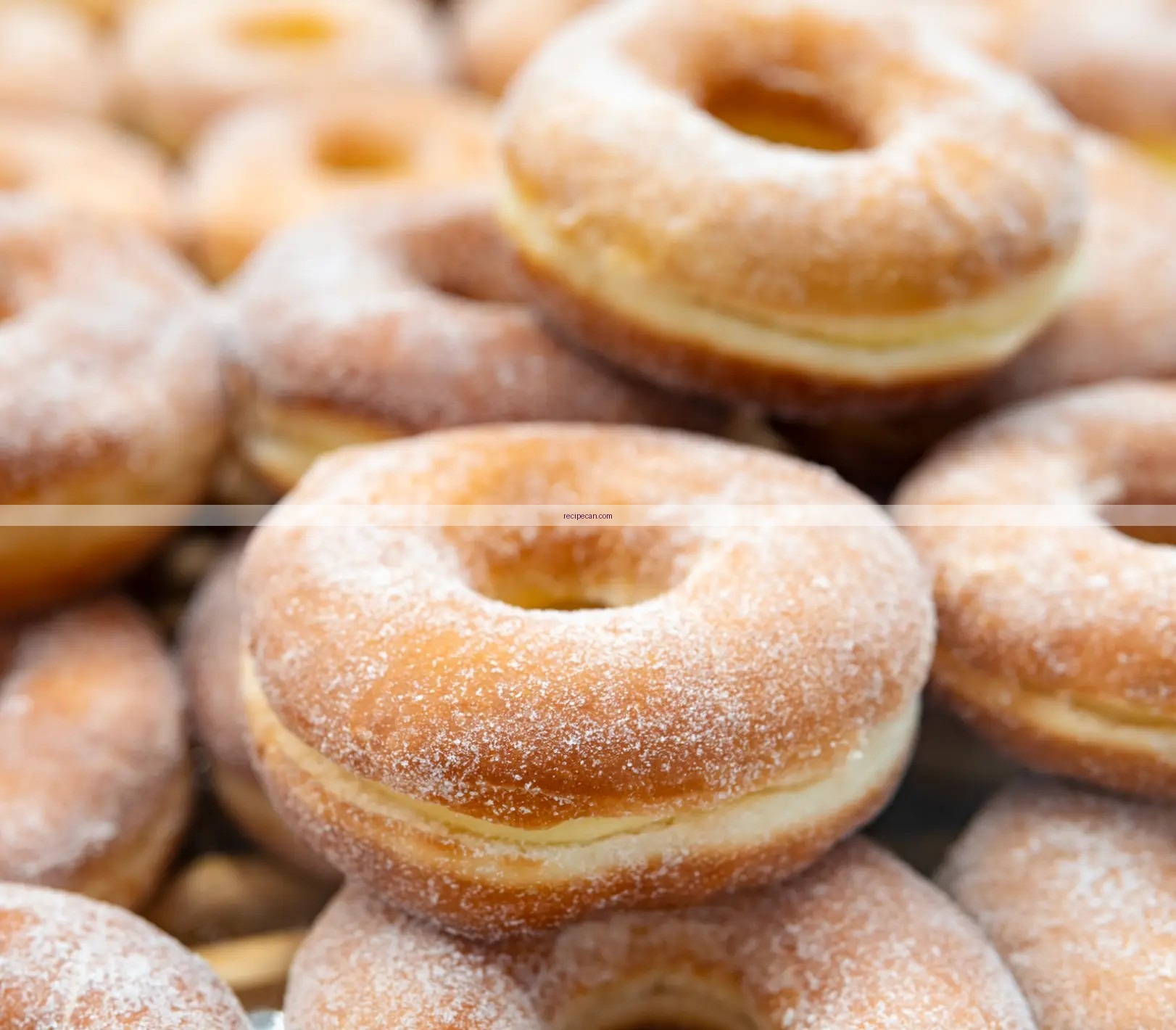
Making delicious homemade donuts starts with a simple dough recipe that anyone can master. This guide will help you create the perfect donut dough from scratch, ensuring fluffy and flavorful treats for any occasion. Whether you’re celebrating a birthday, hosting a brunch, or simply indulging in a sweet craving, these easy steps and tips will guide you through a delightful baking experience.
Ingredients You’ll Need

To create the perfect donut dough, you’ll need a few basic pantry staples. Here’s a comprehensive list of ingredients:
– Flour: All-purpose flour is ideal for a soft and chewy texture.
– Sugar: Granulated sugar adds sweetness and helps with browning.
– Yeast: Active dry yeast is essential for leavening the dough.
– Eggs: Eggs provide richness and structure to the dough.
– Milk: Warm milk helps to activate the yeast and makes the dough tender.
– Butter: Melted butter enriches the flavor and adds moisture.
Optional Flavorings
– Vanilla Extract: For a classic flavor.
– Nutmeg: Adds a warm, spicy note.
– Cinnamon: Perfect for those who enjoy a hint of spice in their donuts.
Preparing the Dough

The first step in making donut dough is to combine your dry ingredients. In a large mixing bowl, sift together the flour, sugar, yeast, and any spices you wish to incorporate, such as nutmeg or cinnamon. This ensures an even distribution of the yeast and flavorings.
Next, you will gradually mix in the wet ingredients. Warm your milk until it’s just about body temperature—this is crucial as too hot can kill the yeast. In a separate bowl, whisk the eggs and melted butter together before adding them to the flour mixture. Stir until a soft dough forms. The dough should be slightly sticky but manageable. If it’s too sticky, you can add a little more flour, but be cautious not to overdo it.
Kneading and Rising the Dough
Once your dough has come together, it’s time to knead. Transfer it to a floured surface and knead for about 5-10 minutes. This process is vital for developing gluten, which gives the donuts their structure and chewy texture. You should knead until the dough is smooth and elastic.
First Rise
After kneading, place the dough in a greased bowl, cover it with a clean kitchen towel or plastic wrap, and let it rise in a warm place. Allow it to double in size, which usually takes about 1-2 hours, depending on the temperature of your environment. A warm, draft-free area, such as an oven with the light on, is ideal for this process.
Top 7 Ingredients for Donut Dough (2024)
| # | Ingredient | Amount | Purpose | Nutritional Value |
|---|---|---|---|---|
| 1 | All-Purpose Flour | 4 cups | Structure | 455 cal/cup |
| 2 | Granulated Sugar | 1 cup | Sweetness | 774 cal/cup |
| 3 | Active Dry Yeast | 2.25 tsp | Leavening | 0 cal |
| 4 | Eggs | 2 large | Richness | 70 cal/egg |
| 5 | Whole Milk | 1 cup | Moisture | 146 cal/cup |
| 6 | Unsalted Butter | 1/2 cup | Flavor | 814 cal/cup |
| 7 | Vanilla Extract | 1 tsp | Flavor | 12 cal/tsp |
Shaping the Donuts
After the dough has risen, it’s time to shape your donuts. Start by rolling out the dough on a lightly floured surface to about ½ inch thick. This thickness ensures the donuts will rise properly during frying.
Cut the Donuts
Using a donut cutter or two round cookie cutters (one larger for the outer ring and one smaller for the hole), cut your donuts. Place them on a floured baking sheet, ensuring they don’t touch to allow for further rising.
Final Rise and Frying
Second Rise
Once shaped, allow the donuts to rise again for about 30 minutes. This second rise is critical for achieving a light and airy texture.
Frying Tips
Heat oil in a deep fryer or a large, heavy-bottomed pot to 375°F (190°C). To test if the oil is ready, drop a small piece of dough into the oil; it should sizzle and rise to the surface. Fry the donuts in batches, being careful not to overcrowd the pot. Cook each donut for about 1-2 minutes on each side or until they are golden brown. Use a slotted spoon to transfer them to a paper towel-lined plate to drain excess oil.
Donut Frying Times by Type (Seconds)
Glazing and Topping Your Donuts
After frying, it’s time to enhance your donuts with delicious toppings. A simple glaze can be made by combining powdered sugar and milk until you reach your desired consistency. Dip the tops of the warm donuts into the glaze, allowing the excess to drip off.
Explore Toppings
Consider adding sprinkles, chocolate ganache, or a dusting of cinnamon sugar for added flavor. You can also experiment with fillings like cream, custard, or fruit jams to create a variety of donut styles.
Storing and Serving Suggestions
To keep your leftover donuts fresh, store them in an airtight container at room temperature. They are best enjoyed within a day or two, but you can also freeze them for longer storage—just make sure to wrap them individually to prevent freezer burn.
Serving Ideas
Donuts pair wonderfully with coffee or hot chocolate, making them an excellent choice for breakfast or brunch. Alternatively, serve them at parties or gatherings to impress your guests with your homemade treats.
Summarizing the process of making homemade donut dough highlights how simple and rewarding it can be. Now that you have all the steps and tips, gather your ingredients and start baking! Enjoy the delightful experience of making your own donuts and impress your friends and family with your skills. With the right technique and a little practice, you can create a variety of donuts that are not only delicious but also a joy to make.
Frequently Asked Questions
What are the essential ingredients for a classic donut dough recipe?
A classic donut dough recipe typically includes all-purpose flour, sugar, yeast, milk, eggs, butter, and a pinch of salt. These ingredients work together to create a soft, fluffy texture that is key to a delicious donut. Make sure to use fresh yeast for the best rise and flavor.
How do I achieve the perfect texture in my donut dough?
To achieve the perfect texture in your donut dough, ensure you knead the dough thoroughly until it becomes smooth and elastic. Allowing the dough to rise properly in a warm environment is also crucial, as this helps develop the gluten structure and results in light and airy donuts.
Why did my donut dough not rise properly?
If your donut dough did not rise properly, it could be due to using expired yeast or not providing enough warmth during the fermentation process. Additionally, too much salt or sugar can inhibit yeast activity, so it’s important to measure ingredients accurately for the best results.
What is the best way to shape donuts from the dough?
The best way to shape donuts from the dough is to roll it out to about ½ inch thickness and use a round cutter to cut out the donuts. For traditional ring donuts, you can use a smaller cutter to create the hole in the center. Make sure to handle the dough gently to retain its airy texture.
Which cooking method is better for frying donuts: deep frying or pan frying?
Deep frying is generally the best method for frying donuts, as it ensures even cooking and a consistent texture. It allows the donuts to float and cook evenly on all sides, resulting in a perfect golden-brown exterior while keeping the inside soft and fluffy.
References
- Doughnut
https://en.wikipedia.org/wiki/Donut - https://www.bbc.com/food/recipes/doughnuts_2433
https://www.bbc.com/food/recipes/doughnuts_2433 - https://www.sciencedirect.com/science/article/pii/S2351978917301086
https://www.sciencedirect.com/science/article/pii/S2351978917301086 - https://www.nytimes.com/2020/08/19/dining/doughnut-recipe.html
https://www.nytimes.com/2020/08/19/dining/doughnut-recipe.html - Google Scholar Google Scholar
https://scholar.google.com/scholar?q=donut+dough+recipe - Google Scholar Google Scholar
https://scholar.google.com/scholar?q=traditional+donut+recipe - Doughnut | Definition, History, Types, & Origins | Britannica
https://www.britannica.com/topic/doughnut - https://www.cdc.gov/nutrition/food-safety.html
https://www.cdc.gov/nutrition/food-safety.html - https://www.pubmed.ncbi.nlm.nih.gov/24689993/
https://www.pubmed.ncbi.nlm.nih.gov/24689993/ - https://www.mayoclinic.org/healthy-lifestyle/nutrition-and-healthy-eating/expert-answers/doughnuts/faq-20058360
https://www.mayoclinic.org/healthy-lifestyle/nutrition-and-healthy-eating/expert-answers/doughnuts/faq-20058360