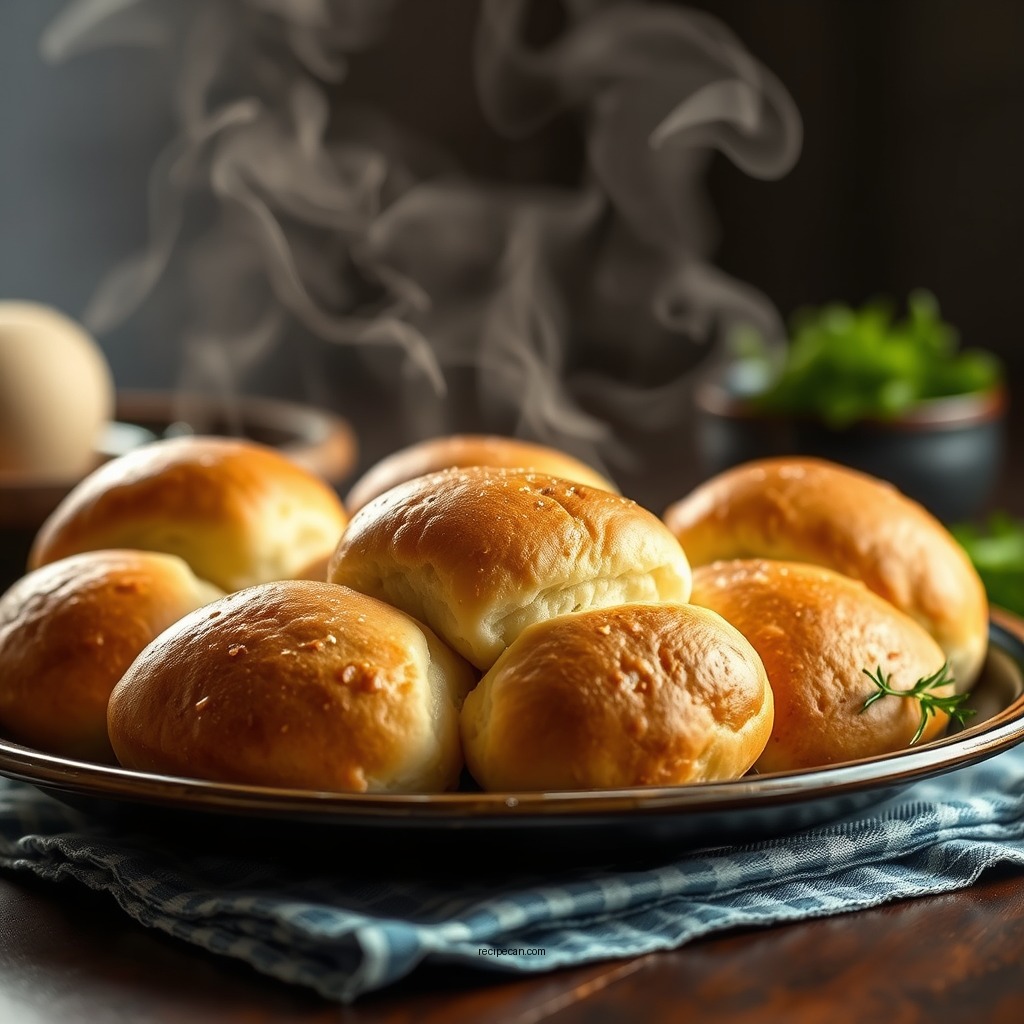
Making soft and fluffy dinner rolls at home is easier than you think. With just a few simple ingredients and some basic techniques, you can create delicious rolls that will impress your family and friends. This article will guide you through a straightforward recipe to achieve the perfect dinner rolls, ensuring that they are the highlight of your meal.
Dinner rolls are a beloved staple at many dining tables, serving as an accompaniment to a variety of dishes. Their soft texture and mild flavor complement everything from hearty stews to delicate salads. Crafting your own dinner rolls not only fills your home with an inviting aroma but also offers the satisfaction of creating something delightful from scratch. Let’s explore how to make these culinary delights!
Ingredients You’ll Need

To create the perfect batch of dinner rolls, you’ll need a few essential ingredients that are likely already in your pantry:
– All-purpose flour: This will serve as the foundation for your rolls. It provides the structure and is essential for creating that fluffy texture.
– Yeast, sugar, and warm water: The yeast is what makes the rolls rise, while the sugar feeds the yeast, aiding in fermentation. Warm water helps activate the yeast effectively.
– Milk and butter: These ingredients add richness and flavor to the rolls. Milk contributes to a tender crumb, while butter enriches the dough, making it softer and more flavorful.
The Mixing Process
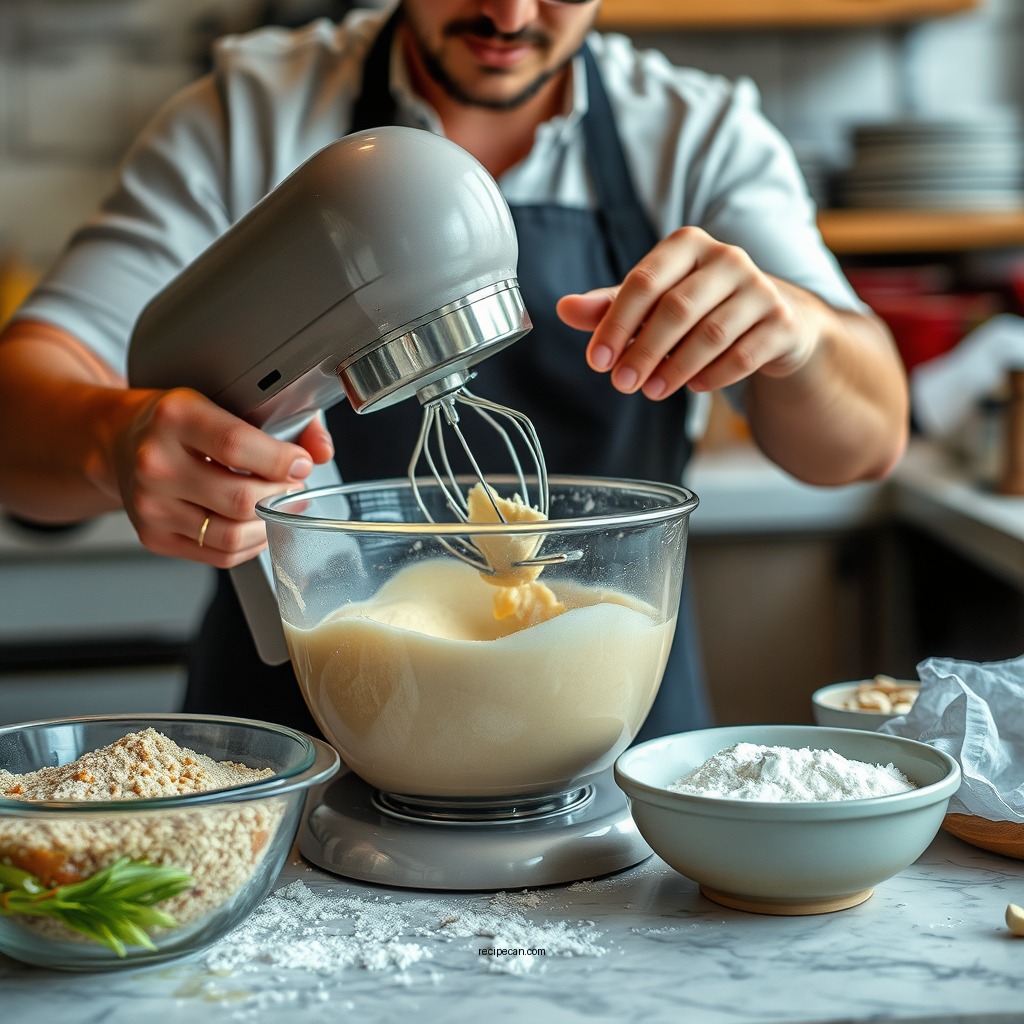
The first step in making your dinner rolls involves mixing the dry ingredients. Start by combining the all-purpose flour, yeast, and sugar in a large mixing bowl. Using a whisk helps to aerate the mixture and ensures that the yeast is evenly distributed.
Once your dry ingredients are well mixed, it’s time to add the wet ingredients. Gradually pour in the warm water and milk, mixing until a soft dough begins to form. It’s important to add the liquids slowly to avoid creating a sticky mess. The dough should be slightly tacky but manageable. If it feels too dry, add a little more warm water, and if it feels too wet, sprinkle in some additional flour.
Kneading the Dough
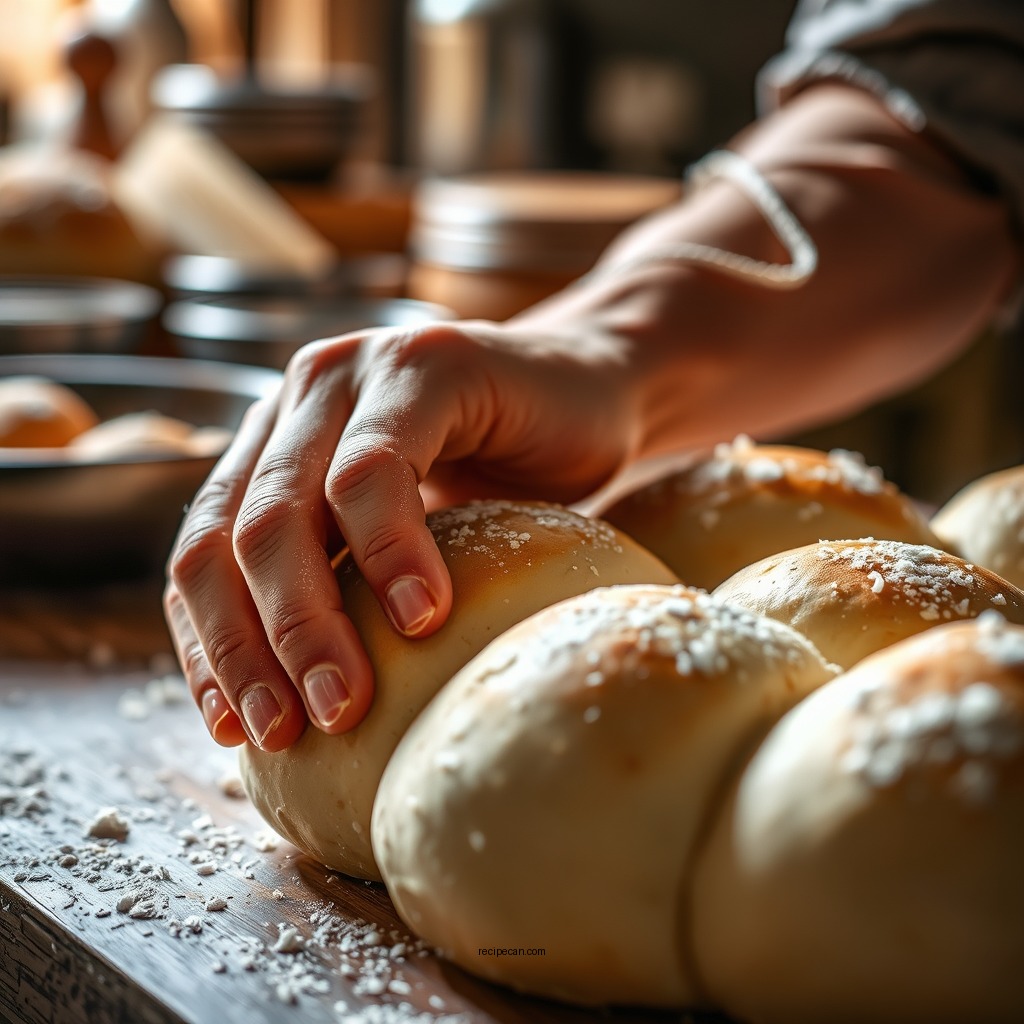
Kneading is a crucial step in developing the gluten structure of your dough, which contributes to the final texture of your rolls. Transfer the dough onto a floured surface and begin kneading it for about 8-10 minutes. You’re looking for a smooth and elastic consistency; the dough should bounce back when poked.
If you find that the dough is sticking to your hands or the work surface, lightly dust it with flour as needed. However, be careful not to over-flour, as this can lead to dense rolls. Proper kneading will ensure that your rolls have a light and airy texture.
First Rise: Letting the Dough Rest
After kneading, it’s time for the dough to rise. Place the kneaded dough in a greased bowl, turning it once to coat the surface lightly with oil. Cover the bowl with a clean kitchen towel or plastic wrap to keep the moisture in.
Let the dough rise in a warm area until it has doubled in size, which usually takes about 1 hour. The warmth activates the yeast, allowing it to produce carbon dioxide, which causes the dough to expand. If your kitchen is cool, you can place the bowl in a slightly warmed oven (turned off) to encourage rising.
Shaping the Rolls
Once the dough has risen, it’s time to shape the rolls. Start by gently punching down the dough to release any trapped air bubbles. This step is essential as it helps to create a finer crumb structure in your rolls.
Next, divide the dough into equal pieces using a bench scraper or sharp knife. Each piece should weigh about 1.5 ounces for standard-sized rolls. Shape each piece into a ball by tucking the edges underneath to create a smooth surface on top. Repeat this process until all pieces are shaped.
Second Rise: Preparing for Baking
After shaping the rolls, place them in a greased baking dish, ensuring they are spaced appropriately to allow for expansion. Cover the dish again and let the rolls rise for a second time, which typically takes about 30 minutes. This second rise is crucial for achieving a light and fluffy texture.
During this time, preheat your oven to 375°F (190°C) so that it is ready for baking once the rolls have completed their second rise.
Baking and Serving the Rolls
When the rolls have puffed up beautifully, it’s time to bake them. Carefully place the baking dish in the preheated oven and bake for about 15-20 minutes, or until the tops are golden brown. The internal temperature of the rolls should reach around 190°F (88°C) for optimal doneness.
As soon as they come out of the oven, brush the tops with melted butter to enhance both flavor and appearance. This finishing touch not only adds richness but also gives the rolls a lovely sheen.
By following these steps, you’ll create mouthwatering dinner rolls that are perfect for any meal. Enjoy them fresh out of the oven or store them for later!
Top 7 Ingredients for Dinner Rolls (Nutritional Value per 100g)
| # | Ingredient | Calories | Carbs (g) | Protein (g) | Fat (g) |
|---|---|---|---|---|---|
| 1 | All-Purpose Flour | 364 | 76 | 10 | 1 |
| 2 | Sugar | 387 | 100 | 0 | 0 |
| 3 | Yeast | 325 | 67 | 36 | 1 |
| 4 | Milk | 42 | 5 | 3 | 1 |
| 5 | Butter | 717 | 0.1 | 0.9 | 81 |
| 6 | Salt | 0 | 0 | 0 | 0 |
| 7 | Egg (Optional) | 155 | 1.1 | 13 | 11 |
Dinner Rolls Baking Time Comparison
Now that you have the easy recipe for dinner rolls, gather your ingredients and get baking! These rolls are sure to become a favorite at your table. Not only can they complement your meals, but they also offer a delightful aroma and comfort that only homemade bread can provide. Enjoy your baking experience and savor the delicious results!
Frequently Asked Questions
What are the key ingredients for a classic dinner rolls recipe?
A classic dinner rolls recipe typically includes all-purpose flour, yeast, sugar, milk, butter, and eggs. The combination of these ingredients creates a soft and fluffy texture that is perfect for complementing any meal. For best results, use fresh yeast and high-quality flour to enhance the flavor and rise of your rolls.
How long does it take to make dinner rolls from scratch?
Making dinner rolls from scratch usually takes about 2 to 3 hours, including preparation, rising time, and baking. The dough needs to rise for about 1 hour before shaping, and then again for about 30 minutes after shaping. Baking time typically ranges from 15 to 20 minutes, so plan accordingly to enjoy fresh, homemade rolls.
Why did my dinner rolls turn out dense instead of fluffy?
Dense dinner rolls can result from several factors, such as using expired yeast, not allowing the dough to rise long enough, or adding too much flour. Ensure your yeast is active by testing it in warm water with sugar before mixing it into the dough. Additionally, be mindful of flour measurements and only add enough to achieve a soft, slightly sticky dough.
What is the best method for shaping dinner rolls?
The best method for shaping dinner rolls involves dividing the dough into equal portions, then rolling each piece into a smooth ball. Gently tuck the edges underneath to create a taut surface, which helps the rolls hold their shape while rising and baking. Properly shaped rolls will ensure an even rise and a beautiful presentation on your dinner table.
Which types of flour are best for making dinner rolls?
All-purpose flour is commonly used for making dinner rolls due to its balanced protein content, which provides good structure without being too heavy. For a lighter texture, you can also consider using bread flour, which has a higher protein content that promotes better gluten development. Experimenting with a mix of both flours can yield delightful results in your dinner rolls.
References
- https://en.wikipedia.org/wiki/Roll_(bread
https://en.wikipedia.org/wiki/Roll_(bread - https://www.nytimes.com/recipes/1019835/dinner-rolls.html
https://www.nytimes.com/recipes/1019835/dinner-rolls.html - https://www.sciencedirect.com/topics/agricultural-and-biological-sciences/dinner-rolls
https://www.sciencedirect.com/topics/agricultural-and-biological-sciences/dinner-rolls - https://www.britannica.com/topic/dinner-roll
https://www.britannica.com/topic/dinner-roll - Google Scholar Google Scholar
https://scholar.google.com/scholar?q=dinner+rolls+recipe - Google Scholar Google Scholar
https://scholar.google.com/scholar?q=baking+dinner+rolls - https://pubmed.ncbi.nlm.nih.gov/?term=dinner+rolls+recipe
https://pubmed.ncbi.nlm.nih.gov/?term=dinner+rolls+recipe - https://www.ncbi.nlm.nih.gov/pmc/articles/PMC6519501/
https://www.ncbi.nlm.nih.gov/pmc/articles/PMC6519501/ - https://www.verywellfit.com/what-are-dinner-rolls-5180390
https://www.verywellfit.com/what-are-dinner-rolls-5180390 - dinner rolls recipe – Search results
https://en.wikipedia.org/wiki/Special:Search?search=dinner+rolls+recipe