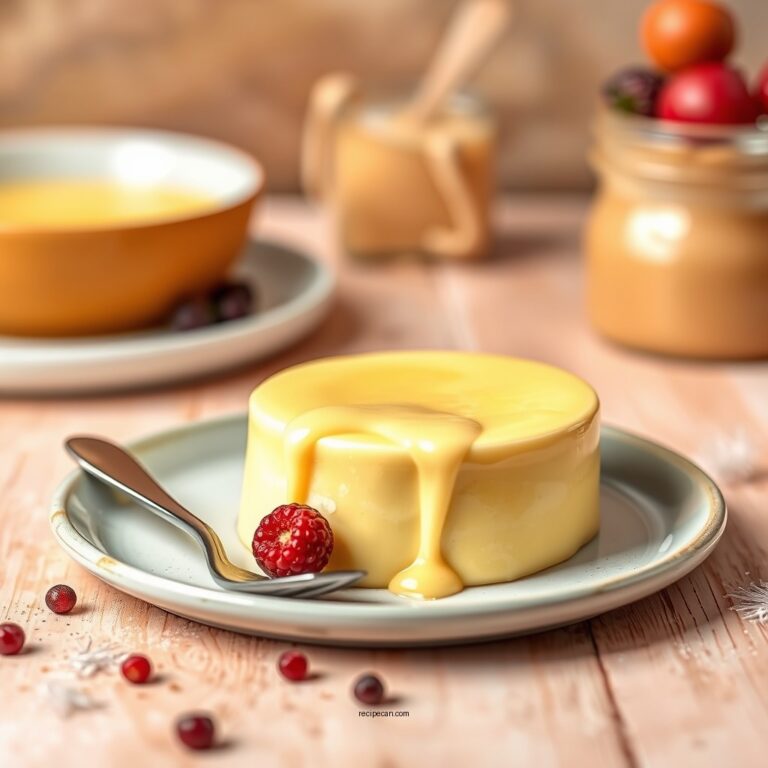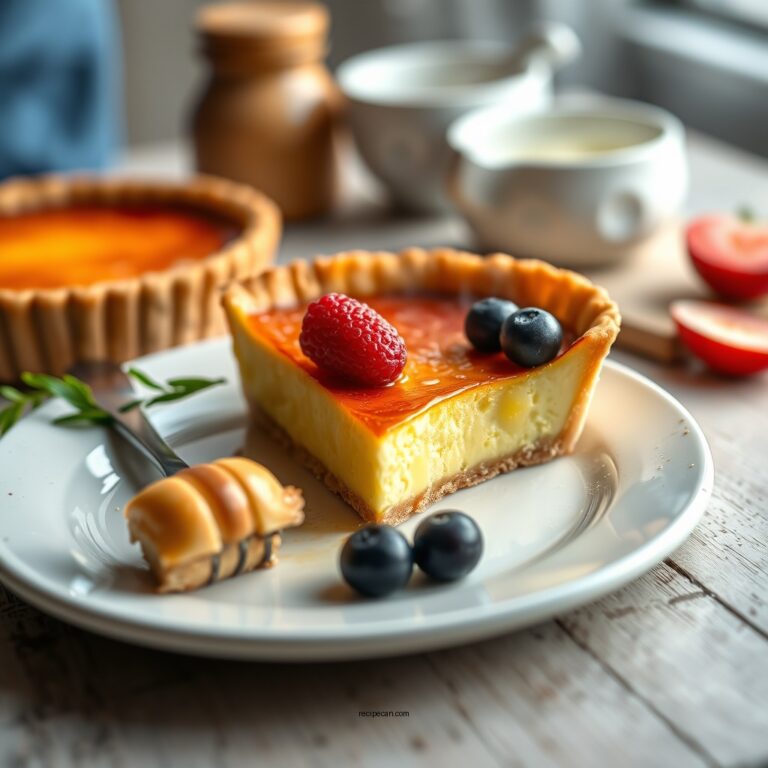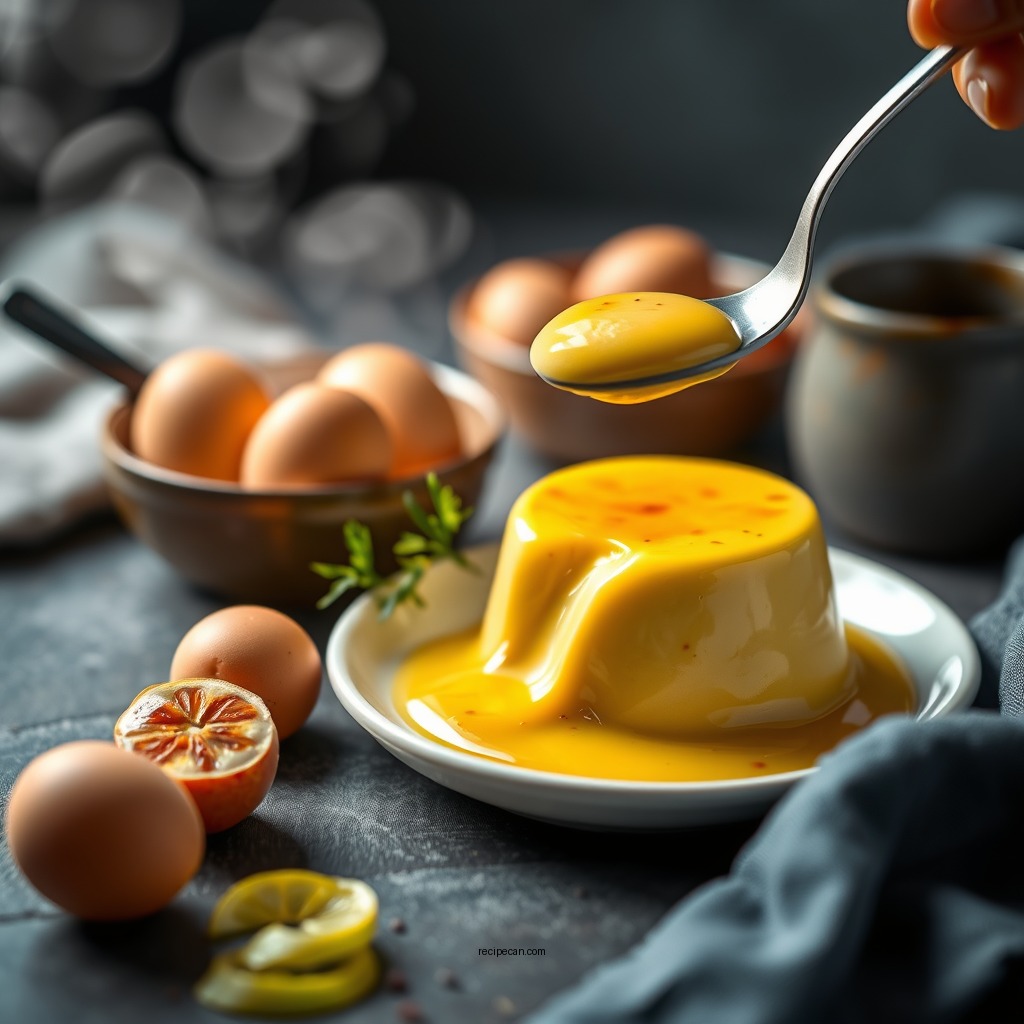
Making custard with eggs is straightforward and rewarding. In just a few steps, you can create a rich, creamy dessert that pairs perfectly with a variety of dishes. This article will guide you through the process, ensuring you achieve a delicious custard every time. Whether you are looking to impress guests or simply enjoy a comforting dessert at home, mastering custard is a valuable culinary skill that opens the door to numerous possibilities.
Understanding Custard and Its Varieties
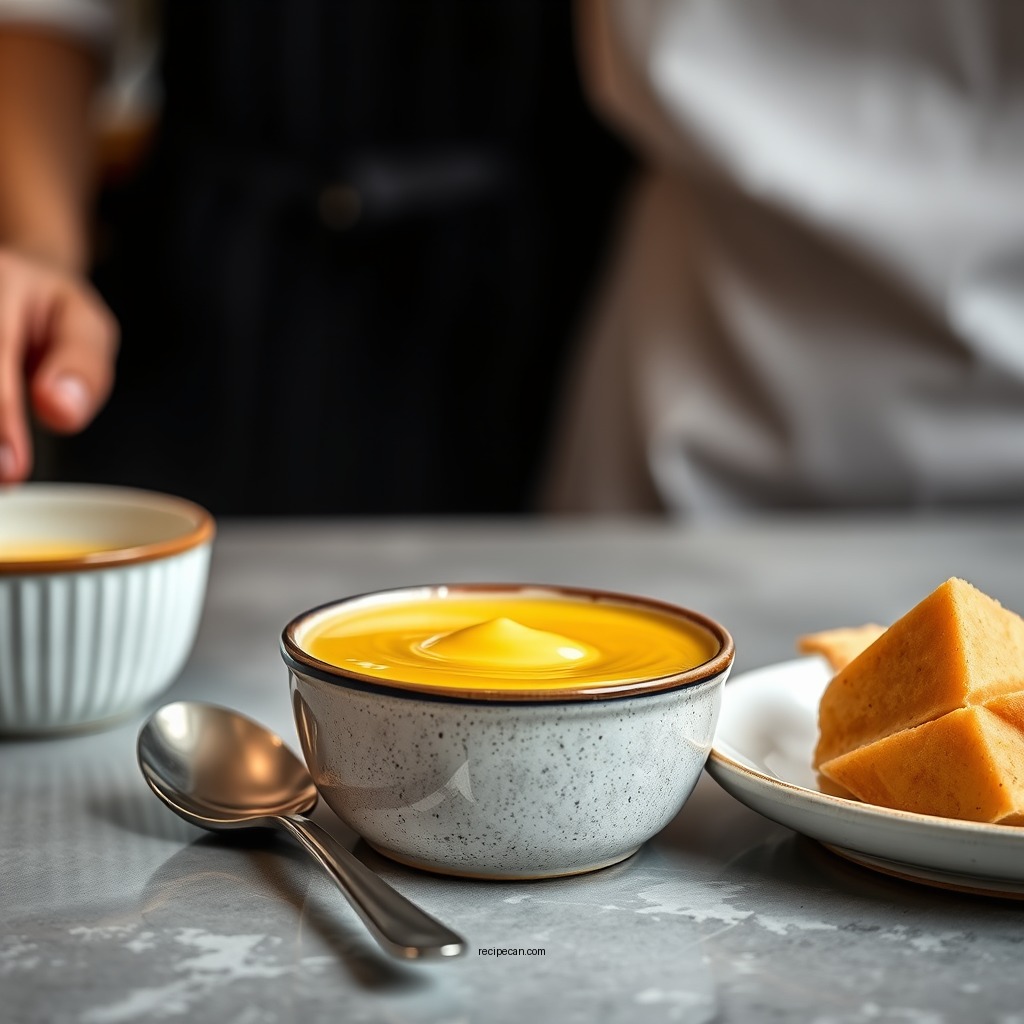
Custard is a mixture of eggs, milk, and sugar that can be baked or stirred, resulting in a versatile dessert enjoyed in many cultures. The texture and flavor of custard largely depend on the method of preparation and the proportions of its ingredients. There are two main types of custard: stirred custard and baked custard.
Stirred custard, such as crème anglaise, is typically cooked on the stovetop and has a smooth, pourable consistency. It is often used as a sauce for desserts like cakes or puddings. On the other hand, baked custard, like flan or crème brûlée, is set in the oven, resulting in a firm texture that can be sliced. Understanding these distinctions allows you to choose the right type of custard for your dish and occasion.
Essential Ingredients for Custard
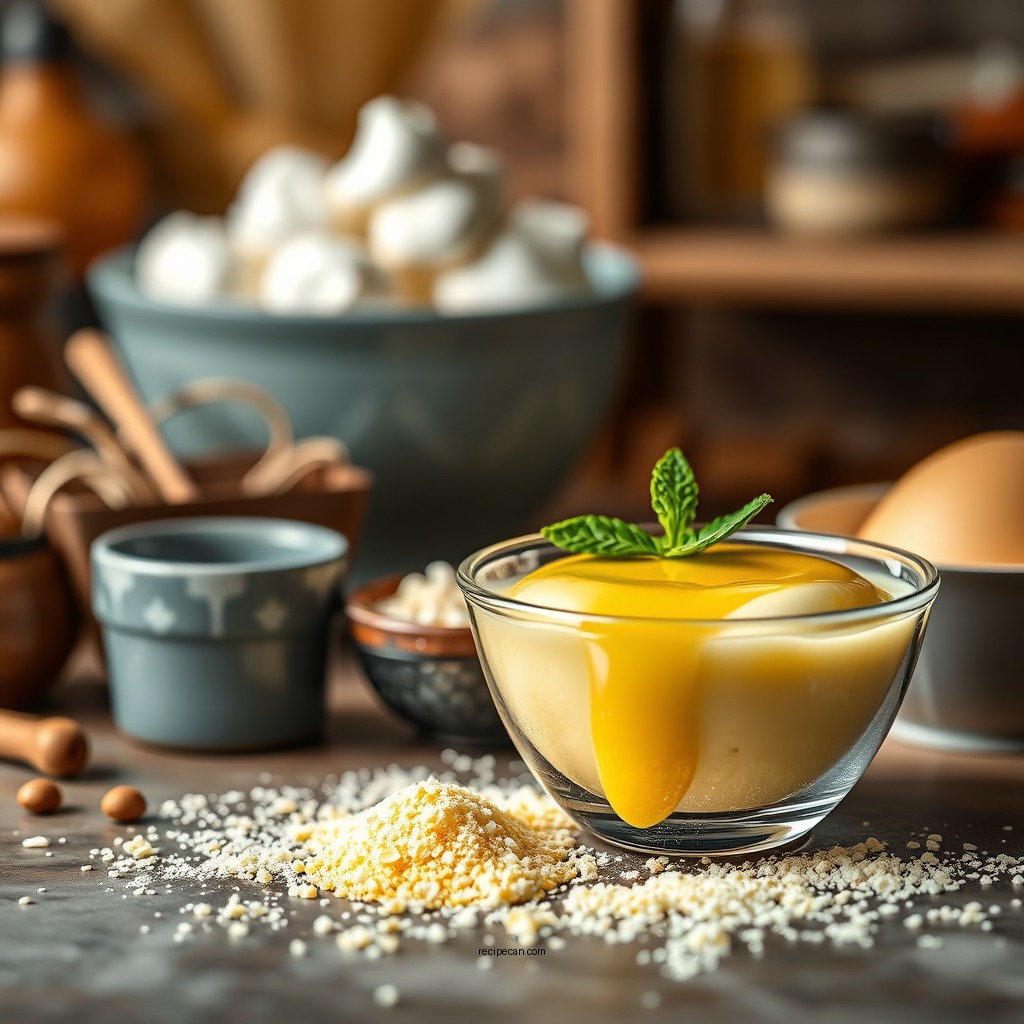
The fundamental ingredients for making custard are simple yet crucial for achieving the desired flavor and texture.
– Eggs: The star ingredient of custard, eggs provide both structure and richness. Whole eggs or egg yolks are typically used, depending on the recipe. Egg yolks contribute to a silkier texture, while whole eggs can make the custard a bit lighter.
– Milk or Cream: The choice between milk and cream can dramatically affect the creaminess of your custard. Whole milk will yield a lighter custard, while heavy cream lends a richer flavor and a velvety texture.
– Sugar: Sugar balances the flavors of the custard and adds sweetness. The amount can be adjusted to personal taste, and alternative sweeteners can be used for those with dietary restrictions.
Step-by-Step Custard Preparation
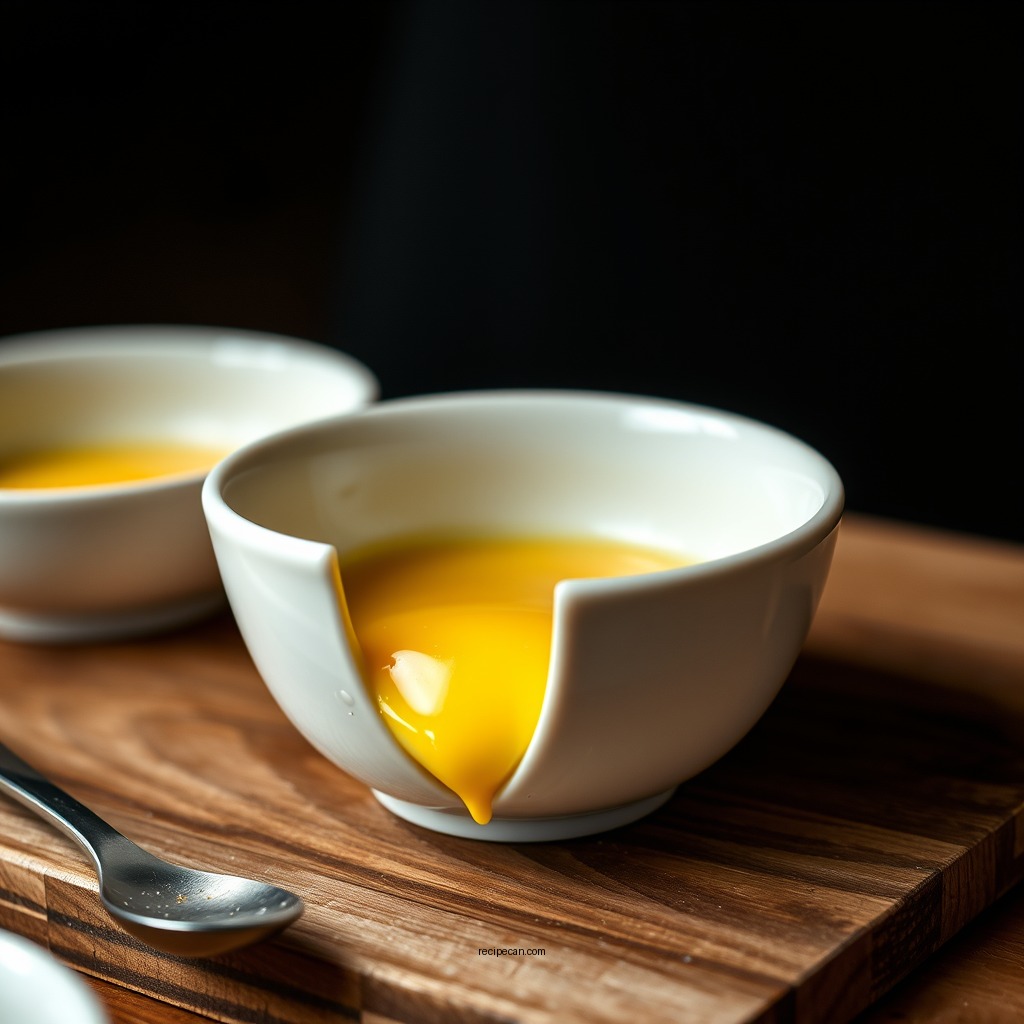
Creating custard is a rewarding endeavor that requires attention to detail:
1. Whisking: Begin by whisking together your eggs and sugar in a bowl until the mixture becomes fluffy and pale. This aeration helps to create a light texture once cooked.
2. Heating: Gradually heat your milk or cream in a saucepan over medium heat, careful not to let it boil. The goal is to warm it just enough to dissolve the sugar and enhance the flavors.
3. Tempering: Slowly temper the warm milk or cream into the egg mixture. This is done by adding small amounts of the heated liquid to the eggs while whisking constantly. This process prevents the eggs from scrambling, ensuring a smooth custard.
4. Cooking: Once combined, pour the mixture back into the saucepan and cook over low heat, stirring constantly until it thickens and coats the back of a spoon. This process usually takes around 10 minutes.
Cooking Methods for Custard
There are two primary methods for cooking custard: stovetop and oven. Each method yields different textures and flavors.
Stovetop Method
– Cook the mixture over low heat, stirring constantly until it thickens. This method allows for quick adjustments if the custard becomes too thick, as you can easily incorporate more liquid.
Oven Method
– For a baked custard, pour the mixture into a baking dish and place it in a water bath. This allows for gentle, even cooking and prevents the custard from curdling. Bake until the custard is set around the edges but still slightly jiggly in the center.
Here’s a quick comparison of these methods:
Stovetop vs. Oven Custard Cooking Methods
| Method | Time Required | Texture | Difficulty |
|---|---|---|---|
| Stovetop | 10-15 mins | Creamy, Pourable | Easy |
| Oven | 30-45 mins | Firm, Sliceable | Moderate |
Tips for Perfect Custard
Achieving the perfect custard requires attention to detail. Here are some essential tips to help you succeed:
1. Quality Ingredients: Use fresh, high-quality eggs for the best flavor and texture. Organic or free-range eggs can significantly enhance the taste of your custard.
2. Straining: After mixing your ingredients, strain the mixture through a fine sieve before cooking. This ensures a smooth custard without lumps and removes any curdled egg bits.
3. Temperature Control: Always cook custard over low heat to prevent curdling. If using the stovetop method, be patient and stir constantly.
4. Storage: If making custard ahead of time, store it in an airtight container in the refrigerator. Custard can last for up to three days when properly stored.
Flavor Variations and Serving Suggestions
One of the best aspects of custard is its versatility. You can easily customize it with various flavors:
– Vanilla Extract: A classic addition that enhances the custard’s overall flavor profile. Use pure vanilla extract for the best results.
– Citrus Zest: Lemon or orange zest can add a refreshing touch to your custard, elevating its taste.
– Chocolate: For chocolate lovers, incorporating melted chocolate or cocoa powder can create a decadent dessert.
When it comes to serving, custard can be enjoyed warm or chilled. Pair it with fresh fruits, cakes, or pastries for an elevated dessert experience. For a delightful twist, consider serving it alongside a slice of pie or drizzled over a warm brownie.
Conclusion
Creating a delicious custard with eggs is easy and can significantly elevate your dessert game. By understanding the various types of custard, utilizing high-quality ingredients, and following precise cooking techniques, you can master this classic dessert. Whether you choose to create a creamy crème anglaise or a firm flan, the possibilities are endless. Experiment with flavors and serving options to find your perfect custard creation, and enjoy this timeless treat!
Frequently Asked Questions
What ingredients do I need for a basic custard recipe with eggs?
To make a basic custard recipe with eggs, you’ll need the following ingredients: 2 cups of milk or cream, 4 large eggs, 1/2 cup of granulated sugar, 1 teaspoon of vanilla extract, and a pinch of salt. These simple ingredients come together to create a rich and creamy custard that can be used in various desserts.
How do I prevent my custard from curdling while cooking?
To prevent your custard from curdling, it’s essential to cook it over low to medium heat and stir constantly. Additionally, tempering the eggs by gradually adding a small amount of hot milk to them before combining with the rest of the mixture can help stabilize the custard and ensure a smooth texture.
Why is my custard recipe with eggs too runny?
If your custard is too runny, it may not have been cooked long enough or at a high enough temperature to thicken properly. Make sure to cook the custard until it reaches a temperature of around 170°F (77°C) and coats the back of a spoon. If you’re still having trouble, consider adding a thickening agent like cornstarch.
What is the best way to store leftover custard?
The best way to store leftover custard is to place it in an airtight container and refrigerate it promptly. Custard can typically be stored in the refrigerator for up to three days. Be sure to cover the surface with plastic wrap to prevent a skin from forming.
Which type of milk is best for making custard with eggs?
For making custard, whole milk or heavy cream is generally the best choice, as they provide a rich and creamy texture. If you’re looking for a lighter option, you can use 2% milk, but the resulting custard may be less decadent. Each type of milk will influence the flavor and consistency of your custard, so choose according to your preference.
References
- Custard
https://en.wikipedia.org/wiki/Custard - https://www.bbc.co.uk/food/recipes/custard_13094
https://www.bbc.co.uk/food/recipes/custard_13094 - https://www.seriouseats.com/vanilla-custard-recipe-5112950
https://www.seriouseats.com/vanilla-custard-recipe-5112950 - https://www.sciencedirect.com/topics/agricultural-and-biological-sciences/custard
https://www.sciencedirect.com/topics/agricultural-and-biological-sciences/custard - Custard egg prepared not frozen foods
https://www.nutritionvalue.org/Custard%2C%20egg%2C%20prepared%2C%20not%20frozen_nutritional_value.html - Google Scholar Google Scholar
https://scholar.google.com/scholar?q=custard+recipe+egg - Google Scholar Google Scholar
https://scholar.google.com/scholar?q=custard+egg+nutrition - Google Scholar Google Scholar
https://scholar.google.com/scholar?q=custard+preparation+techniques - https://en.wikipedia.org/wiki/Special:Search?search=custard+recipe+egg
https://en.wikipedia.org/wiki/Special:Search?search=custard+recipe+egg - https://www.ncbi.nlm.nih.gov/search/research-articles/?term=custard+recipe+egg
https://www.ncbi.nlm.nih.gov/search/research-articles/?term=custard+recipe+egg