Creating a delicious custard is simpler than you might think. With just a few basic ingredients and straightforward steps, you can whip up a rich and creamy custard that can serve as a dessert on its own or a versatile base for other dishes. In this article, you’ll learn the essentials for making the perfect custard at home.
Understanding Custard Basics
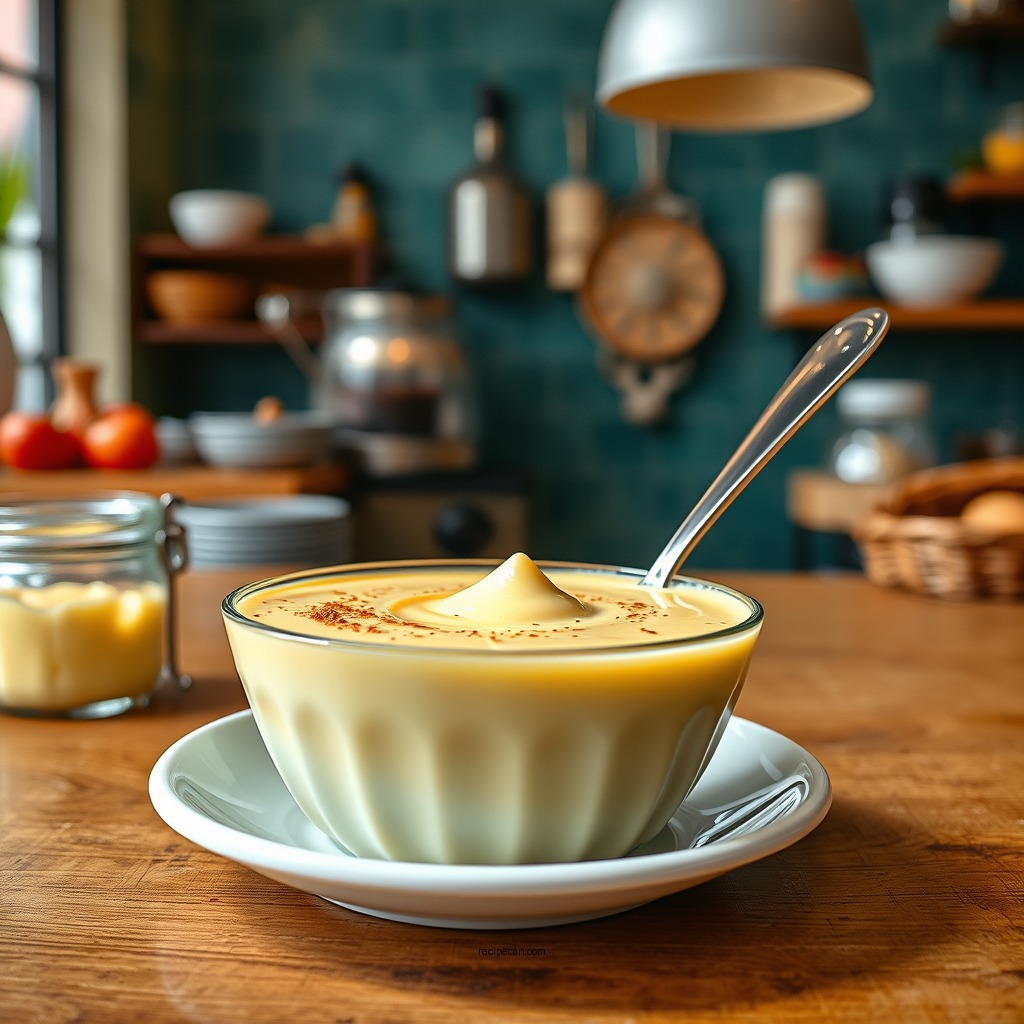
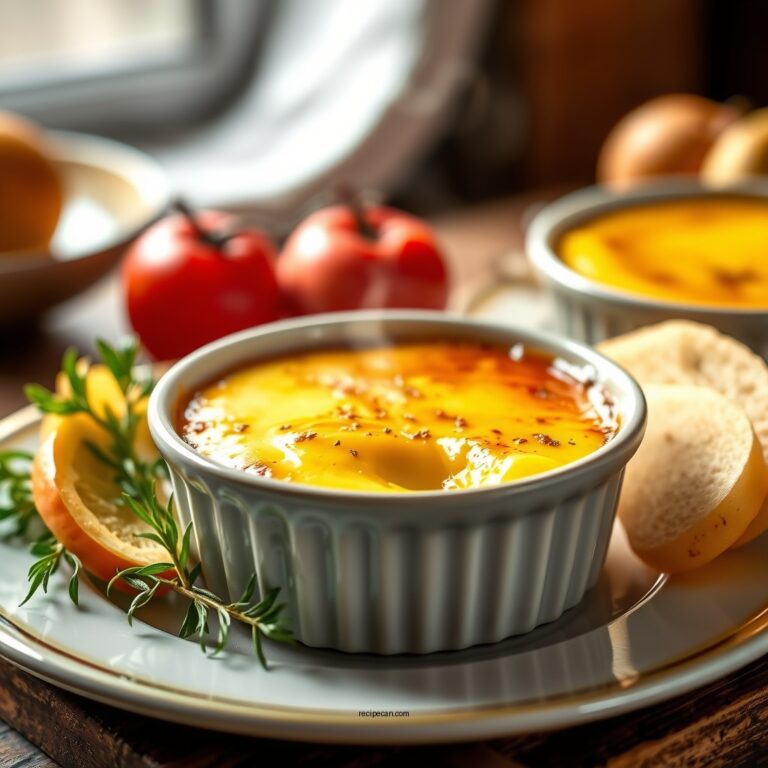
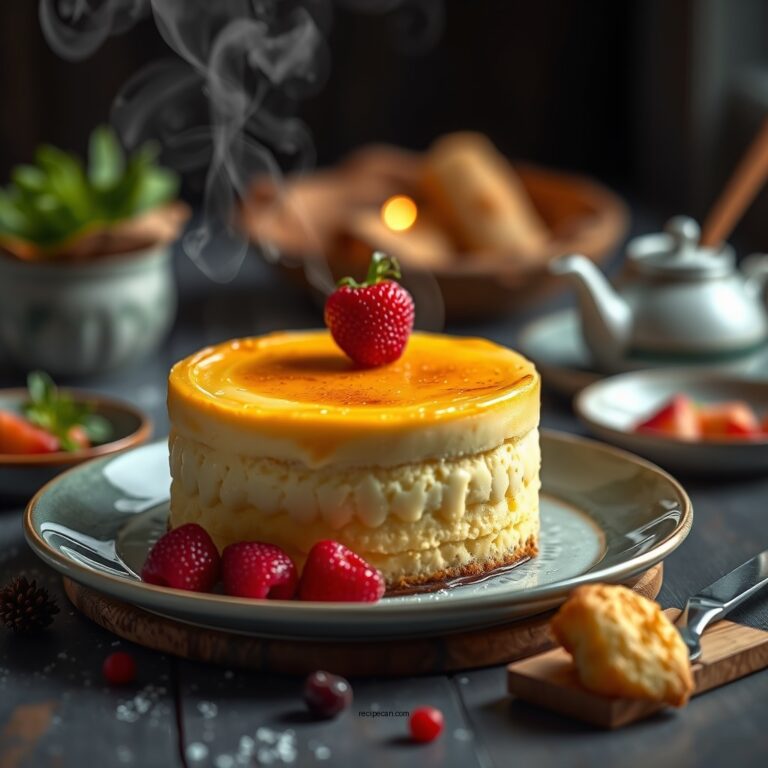
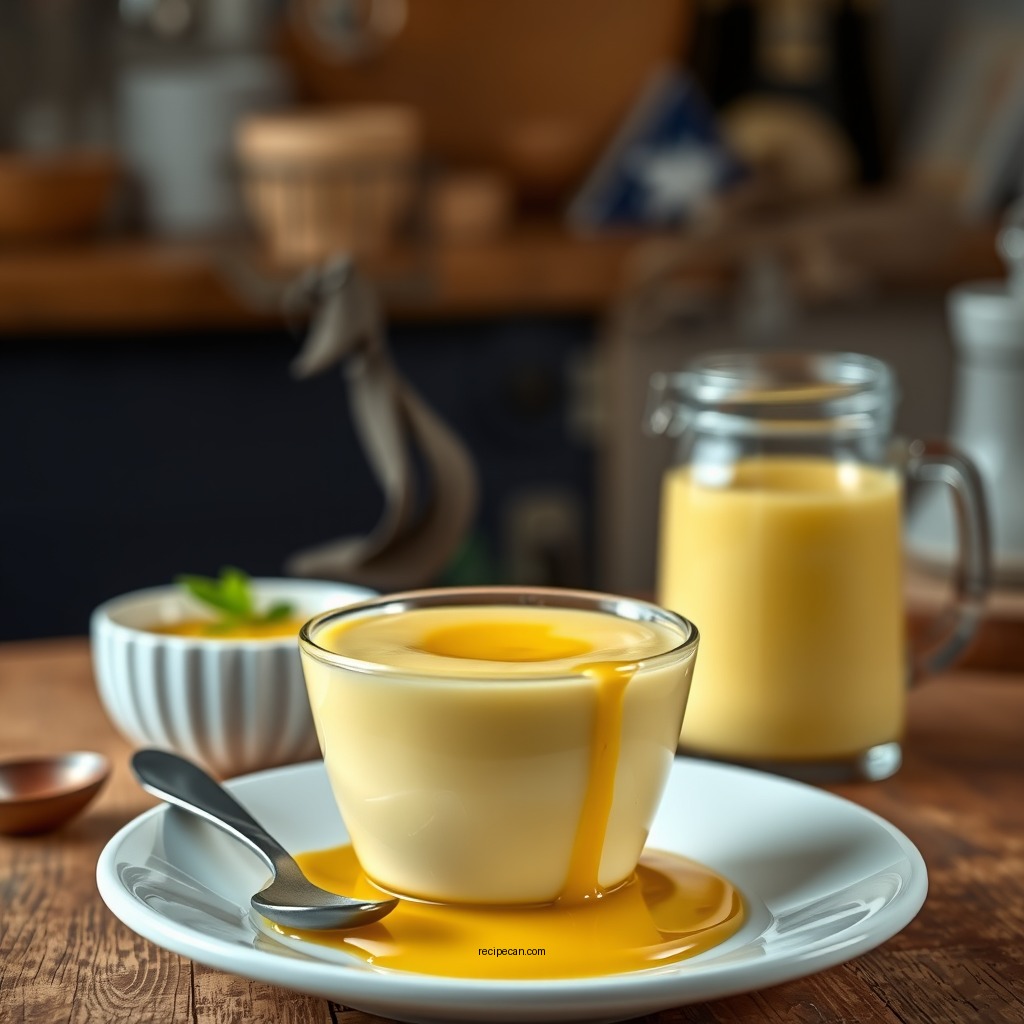
Custard is a classic dessert known for its creamy texture and luxurious flavor. It is typically made from eggs, milk, and sugar, which together create a smooth and velvety consistency. The beauty of custard lies in its simplicity, yet it can be transformed into various desserts or served on its own. There are two main types of custard: baked custard and stirred custard. Baked custard is usually set in the oven and has a firmer texture, often used in recipes like flan or crème brûlée. Stirred custard, on the other hand, is cooked on the stovetop and is more fluid, perfect for pouring over cakes or serving in cups.
Essential Ingredients for Custard
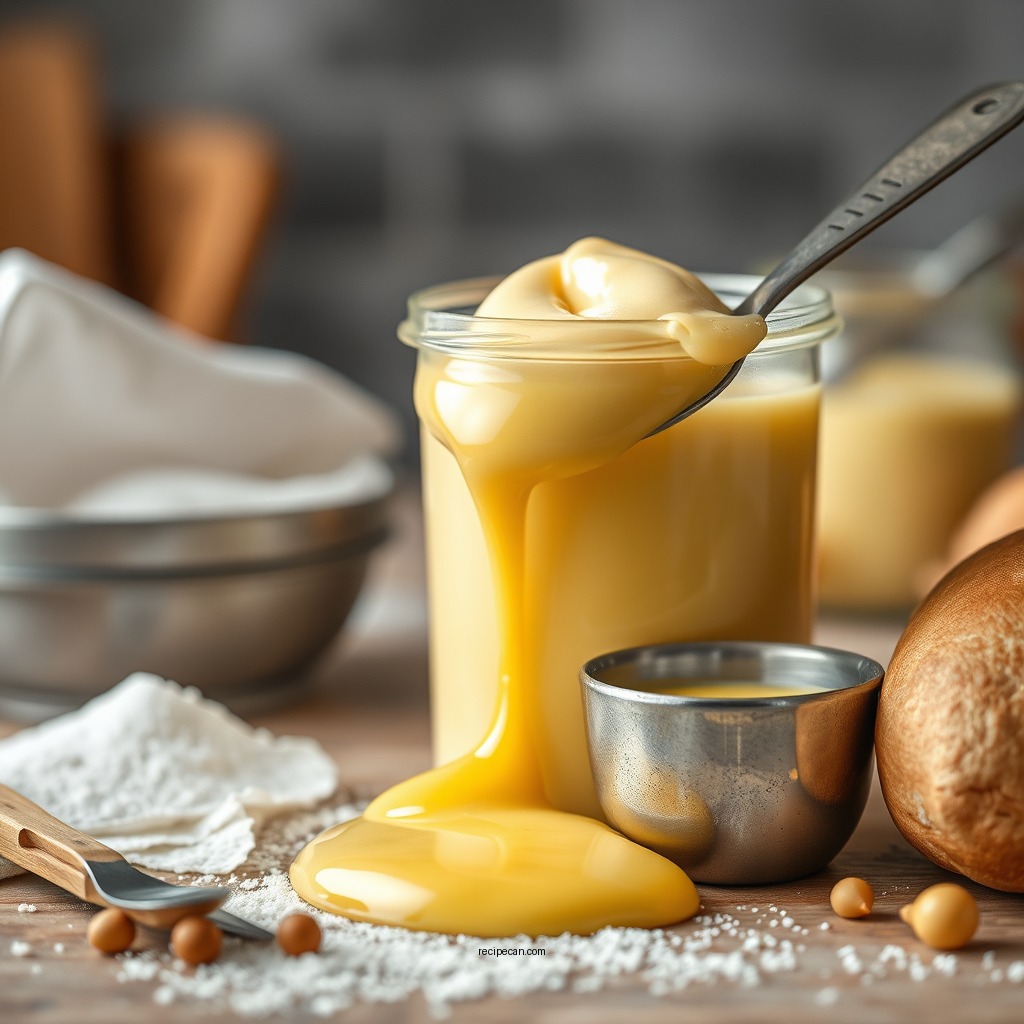
To achieve the best results when making custard, it’s crucial to use high-quality ingredients. Here are the essentials:
– Eggs: The primary ingredient that provides structure and richness to custard. Fresh, high-quality eggs are recommended as they will enhance the custard’s flavor and texture.
– Milk or Cream: This ingredient adds creaminess and flavor. While whole milk can offer a balanced taste, using heavy cream will yield a richer custard. You can also mix both for a perfect blend of creaminess and lightness.
– Sugar: This ingredient balances the flavors of the custard. While granulated sugar is commonly used, you can experiment with brown sugar or even honey for a different flavor profile. Adjust the amount of sugar based on your sweetness preference.
Step-by-Step Instructions to Make Custard
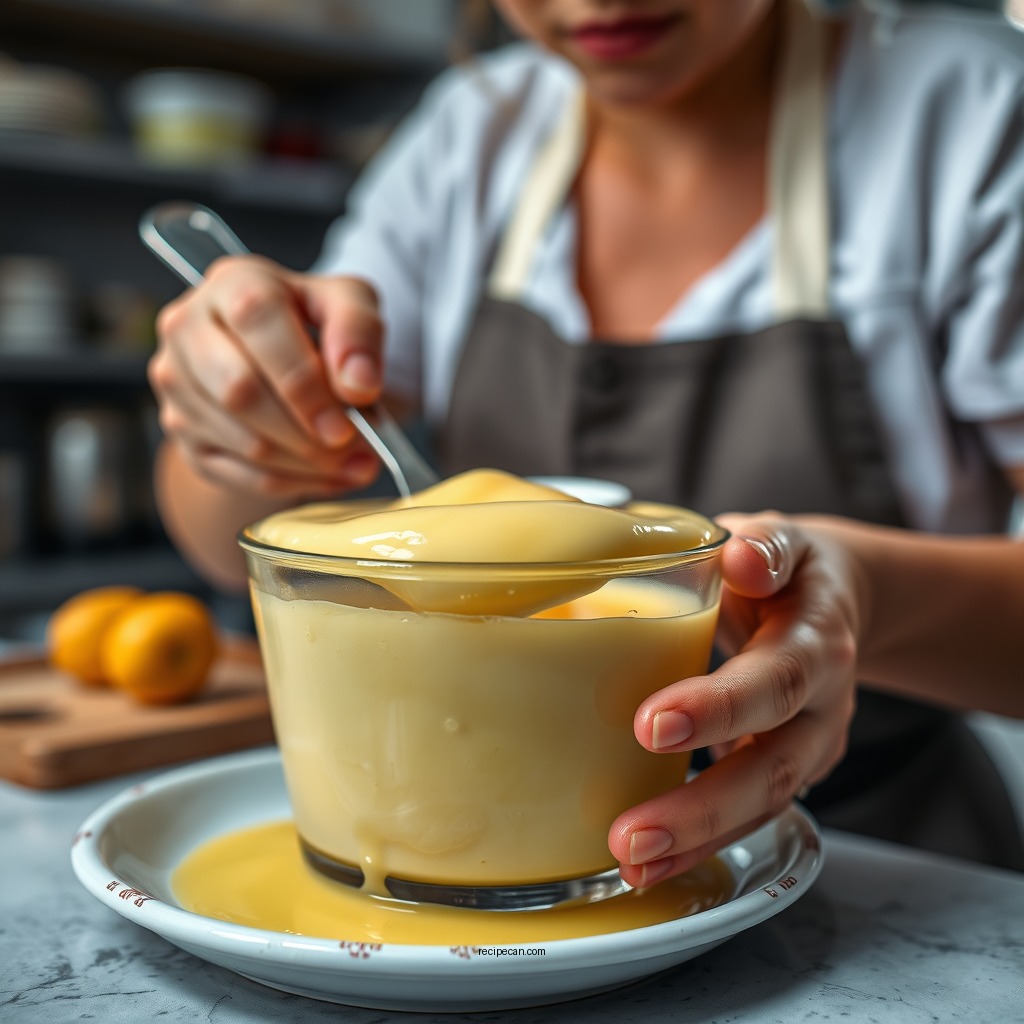
Making custard at home is a straightforward process that can be accomplished in just a few steps. Here’s how to do it:
1. Whisk Eggs and Sugar: In a mixing bowl, crack the eggs and add the sugar. Whisk them together until the mixture is fully combined and slightly frothy.
2. Heat the Milk or Cream: In a saucepan, gradually heat the milk or cream over low to medium heat. Stir occasionally to prevent it from scorching. The milk should be warm but not boiling.
3. Temper the Eggs: Slowly pour the warm milk into the egg mixture while constantly whisking. This process, known as tempering, will prevent the eggs from curdling. It’s essential to add the milk gradually to ensure a smooth custard.
4. Cook the Mixture: Return the mixture to the saucepan and cook on low heat, stirring continuously with a wooden spoon or spatula. The custard is ready when it thickens enough to coat the back of the spoon.
5. Strain and Cool: Once thickened, strain the custard through a fine-mesh sieve to remove any cooked egg bits. Allow it to cool before serving or refrigerating.
Essential Ingredients for Custard
| # | Ingredient | Quantity Per Batch | Notes |
|---|---|---|---|
| 1 | Eggs | 4 large | Fresh, high-quality |
| 2 | Milk | 2 cups | Whole milk recommended |
| 3 | Cream | 1/2 cup | Optional for richness |
| 4 | Sugar | 1/2 cup | Adjust to taste |
| 5 | Vanilla Extract | 1 teaspoon | For flavor |
| 6 | Salt | 1/4 teaspoon | Enhances flavor |
| 7 | Nutmeg (optional) | Pinch | For garnish |
Common Mistakes to Avoid
When making custard, several common pitfalls can lead to less-than-ideal results. Here are a few mistakes to avoid:
– Overheating: Cooking custard at too high a temperature can cause the eggs to curdle, resulting in a grainy texture. Always use low to medium heat and be patient during the cooking process.
– Improper Tempering: One of the most critical steps in custard-making is tempering the eggs. If you add the hot milk too quickly without whisking, it can scramble the eggs instead of creating a smooth mixture. Always add the milk gradually while whisking continuously.
– Not Straining the Mixture: Skipping the straining step can leave you with a custard that has bits of cooked egg in it. Straining through a fine-mesh sieve ensures a silky-smooth texture.
Flavor Variations for Your Custard
Once you have mastered the basic custard recipe, you can experiment with various flavors to suit your palate. Here are some delightful variations:
– Vanilla: The classic custard flavor. Add vanilla extract or scrape a vanilla bean into the milk for an intense flavor.
– Chocolate: To create a chocolate custard, fold in melted chocolate or cocoa powder after cooking. This rich variation is a favorite among chocolate lovers.
– Fruit: Incorporate pureed fruits like mango, strawberries, or raspberries for a refreshing twist on the traditional custard. You can also use fruit zest for added flavor.
– Spices: Adding spices like cinnamon, nutmeg, or cardamom can provide a warm, comforting flavor. A pinch of sea salt can also enhance the sweetness.
Serving Suggestions for Custard
Custard can be served in numerous ways, catering to different occasions and preferences. Here are some suggestions:
– Warm or Chilled: Custard can be enjoyed either warm or chilled. Serve it in individual cups topped with whipped cream or fresh fruit for a delightful presentation.
– As a Dessert Base: Use custard as a base for other desserts. It pairs beautifully as a layer in trifles, served alongside cakes, or as a filling in pastries like éclairs or tarts.
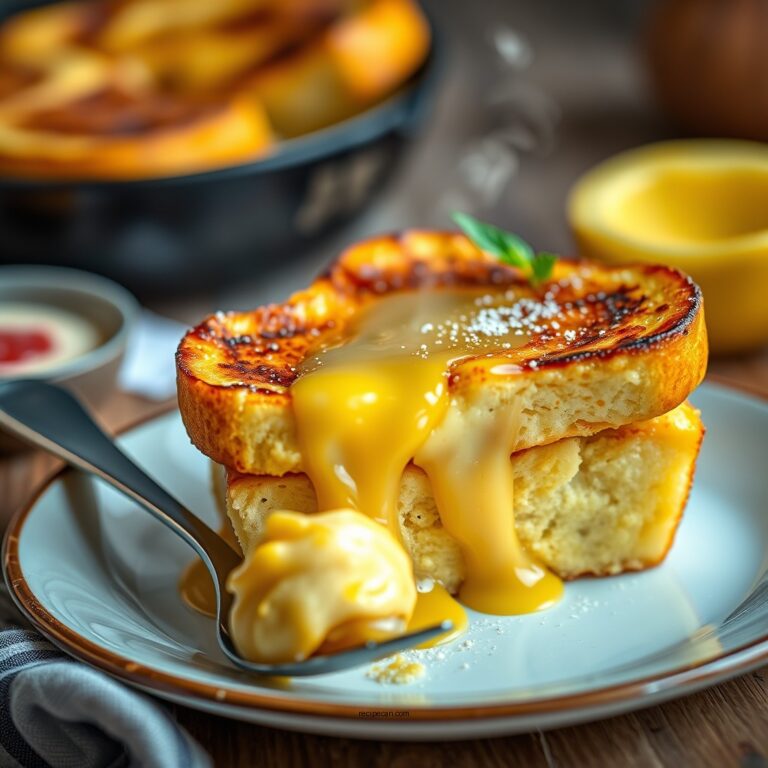
– With Sauces: Drizzle caramel or chocolate sauce over the custard for an indulgent treat. Alternatively, a berry coulis can add a refreshing contrast.
Flavor Variations of Custard
Conclusion
Making custard at home is a rewarding culinary endeavor that allows for creativity and personalization. With just a few essential ingredients and simple steps, you can create a delicious and versatile dessert that can be enjoyed in numerous ways. By understanding the basics, avoiding common mistakes, and experimenting with flavors, you can elevate your custard-making skills to new heights. So why not gather your ingredients, try out this easy custard recipe, and share your delightful results with family and friends? Happy cooking!
Frequently Asked Questions
What are the basic ingredients for a custard recipe?
The basic ingredients for a custard recipe include eggs, sugar, milk or cream, and vanilla extract. These simple ingredients come together to create a rich, creamy texture that can be used in various desserts, including tarts, puddings, and sauces.
How do you prevent custard from curdling while cooking?
To prevent custard from curdling, it’s important to cook it slowly over low heat and continuously stir the mixture. Additionally, tempering the eggs by gradually adding warm milk to them before mixing them into the rest of the custard will help ensure a smooth consistency and avoid cooking the eggs too quickly.
Why is my custard not thickening properly?
If your custard is not thickening properly, it may be due to insufficient cooking time or incorrect ratios of eggs to liquid. Make sure to cook the custard until it reaches a temperature of about 170°F (77°C) and consider adding an additional egg yolk to increase thickness if needed.
What is the best way to cool custard after cooking?
The best way to cool custard after cooking is to transfer it to a clean bowl and place it in an ice bath, stirring gently to speed up the cooling process. This method not only helps prevent the formation of a skin on the surface but also ensures that the custard maintains its creamy texture.
Which types of custard recipes can I make for specific desserts?
You can make various types of custard recipes for specific desserts, such as pastry cream for éclairs and cream puffs, or crème brûlée for a rich, caramelized dessert. Each type of custard has unique preparation methods and ingredient ratios, enabling you to tailor your recipe to suit the dessert you wish to create.
References
- Custard
https://en.wikipedia.org/wiki/Custard - Custard | Definition, Ingredients, & Preparation | Britannica
https://www.britannica.com/topic/custard - https://www.ncbi.nlm.nih.gov/pmc/articles/PMC6491236/
https://www.ncbi.nlm.nih.gov/pmc/articles/PMC6491236/ - https://www.sciencedirect.com/topics/food-science/custard
https://www.sciencedirect.com/topics/food-science/custard - Patau Syndrome – StatPearls – NCBI Bookshelf
https://www.ncbi.nlm.nih.gov/books/NBK538347/ - Google Scholar Google Scholar
https://scholar.google.com/scholar?q=custard+recipe - Google Scholar Google Scholar
https://scholar.google.com/scholar?q=custard+nutrition - Google Scholar Google Scholar
https://scholar.google.com/scholar?q=custard+history - https://www.foodsafety.gov/food-safety-charts/food-safety-in-the-kitchen
https://www.foodsafety.gov/food-safety-charts/food-safety-in-the-kitchen - https://www.healthline.com/nutrition/what-is-custard
https://www.healthline.com/nutrition/what-is-custard