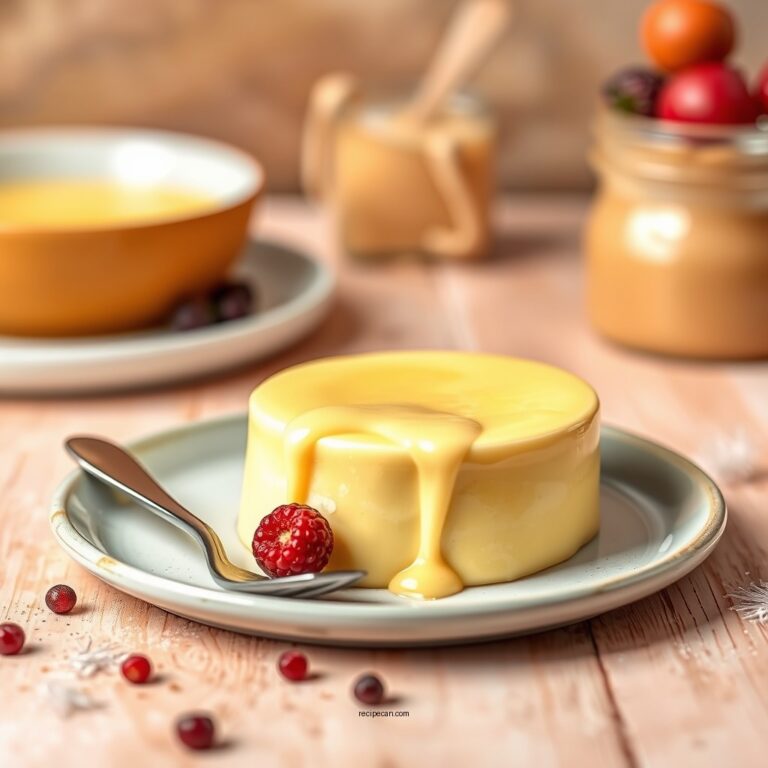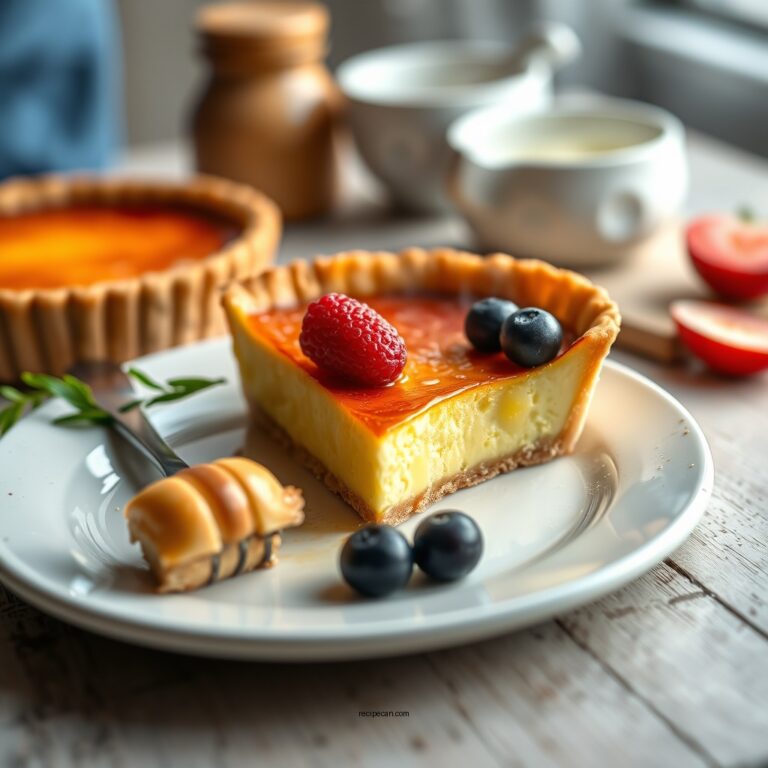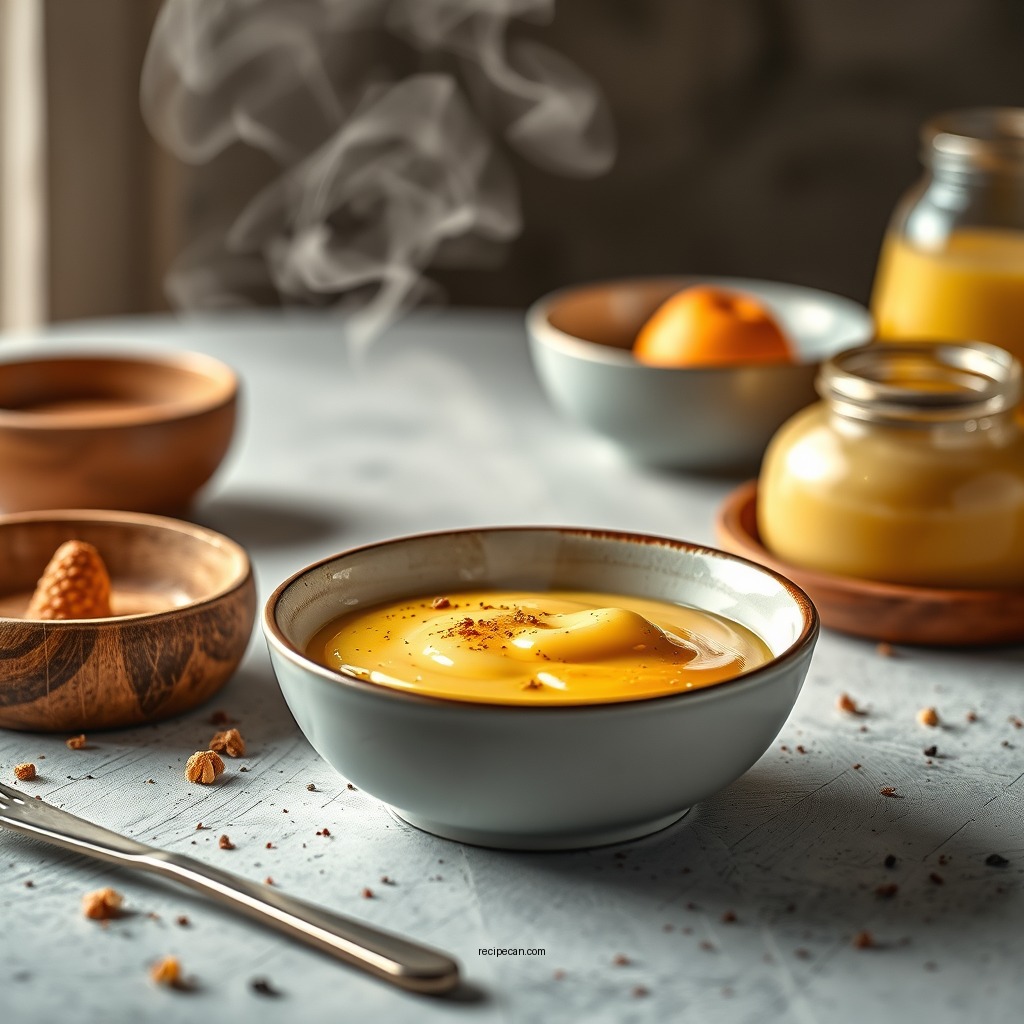
Making custard at home is simple and rewarding, and you can enjoy a creamy dessert in just a few steps. This easy custard recipe will guide you through the process, ensuring a rich and velvety texture that elevates any dessert. By the end of this article, you’ll be ready to impress your family and friends with your homemade custard.
Ingredients You’ll Need
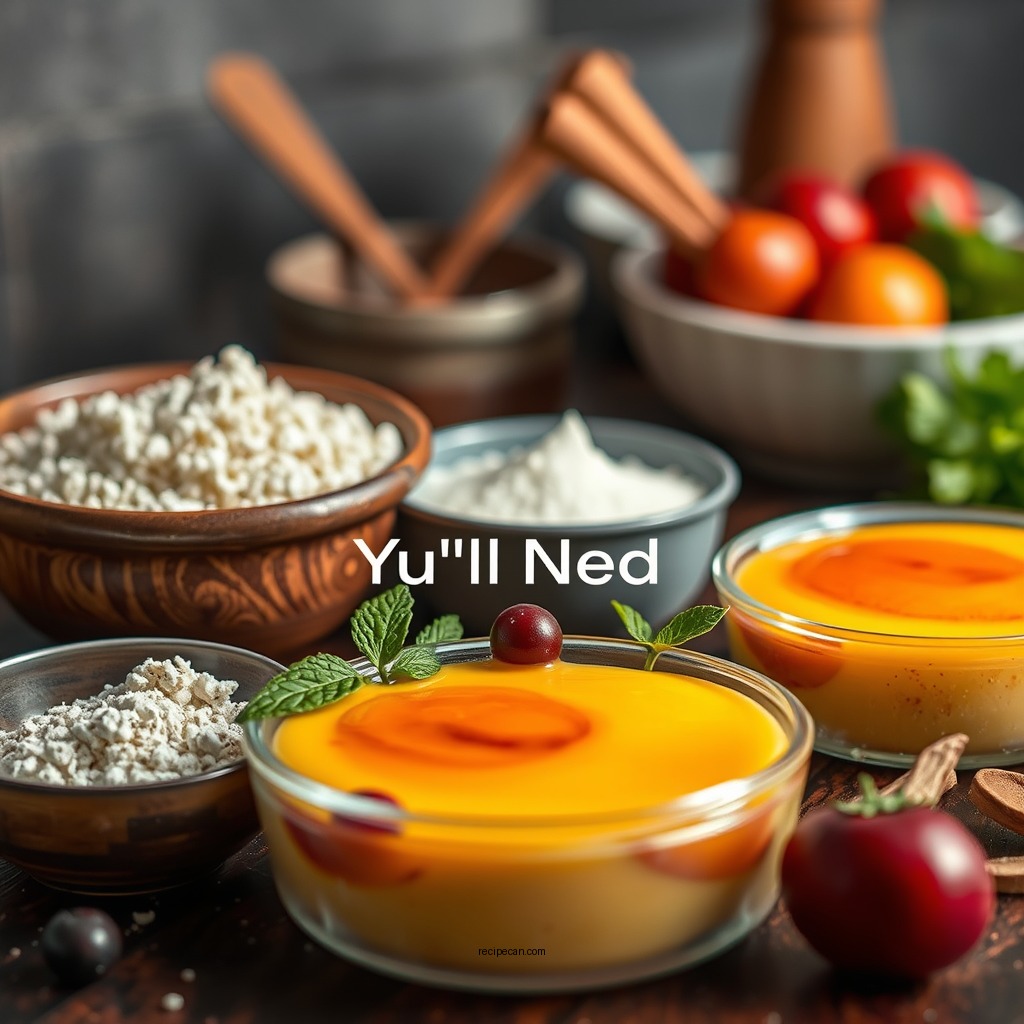
To create a delicious custard, it’s essential to gather the right ingredients. The quality of these ingredients directly impacts the flavor and texture of your final dish. Here’s what you will need:
– Milk or cream: Choose between whole milk for a lighter custard or heavy cream for a richer one. You can also combine both to achieve a balance of creaminess and flavor.
– Sugar: Granulated sugar is the traditional choice, but you can experiment with alternatives like brown sugar for a caramelized note or natural sweeteners like honey or maple syrup.
– Eggs: Fresh large eggs are crucial for providing the structure and richness of the custard. The yolks contribute to the creamy texture, while the whites are often left out in classic custard recipes.
– Flavorings: While vanilla extract is the most common flavoring, feel free to get creative. You can add nutmeg for warmth, chocolate for decadence, or even citrus zest for a refreshing twist.
Preparing Your Custard Base
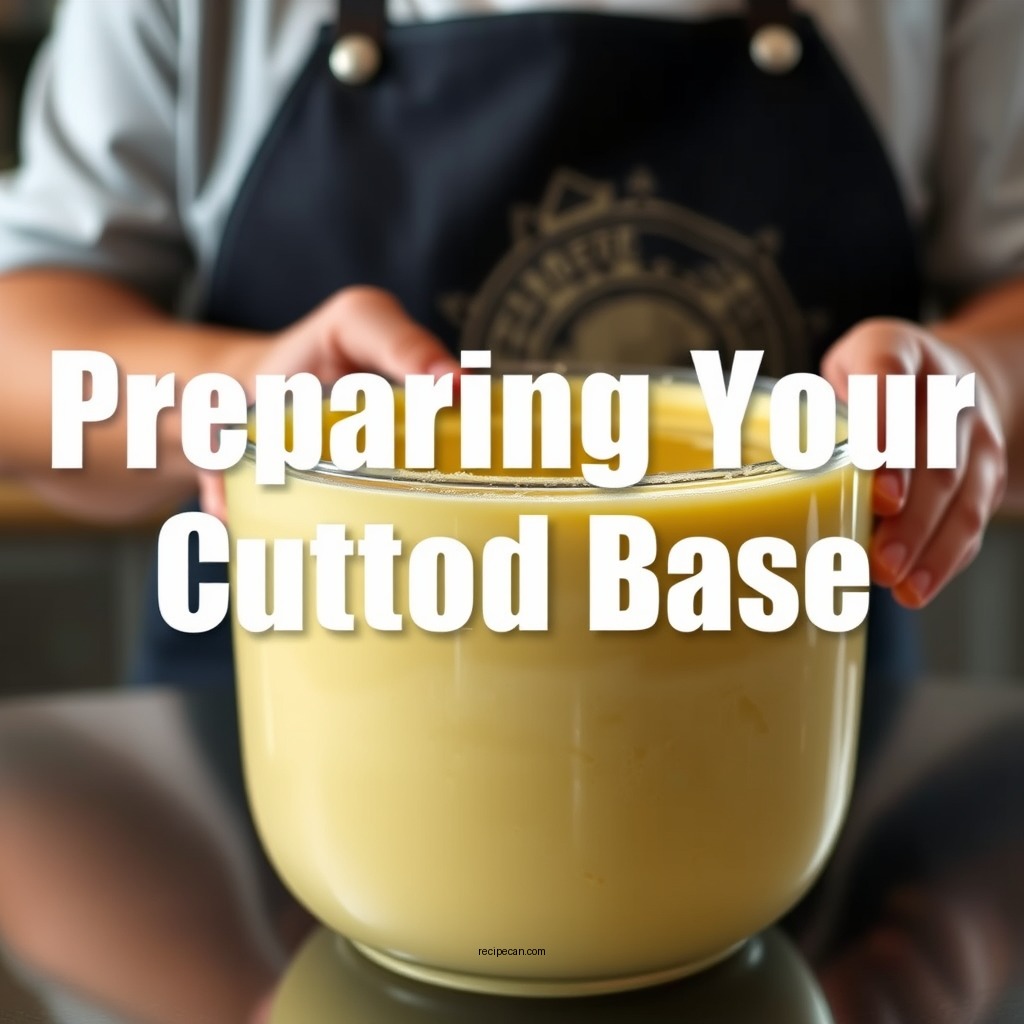
The preparation of your custard base is key to achieving a smooth and creamy finish. Here’s how to do it:
– Whisk the eggs and sugar: In a mixing bowl, whisk the eggs and sugar together until the mixture is smooth and pale. This process incorporates air and helps create a light texture. Be careful not to overbeat, as this can lead to a grainy texture.
– Heat the milk: In a saucepan, gently warm your milk or cream over medium heat. Stir occasionally to prevent the milk from scalding. It’s important not to let it boil, as high temperatures can curdle the mixture.
– Combine: Once the milk is warmed, gradually pour it into the egg mixture while whisking continuously. This technique, known as tempering, prevents the eggs from cooking too quickly and scrambling.
Cooking the Custard
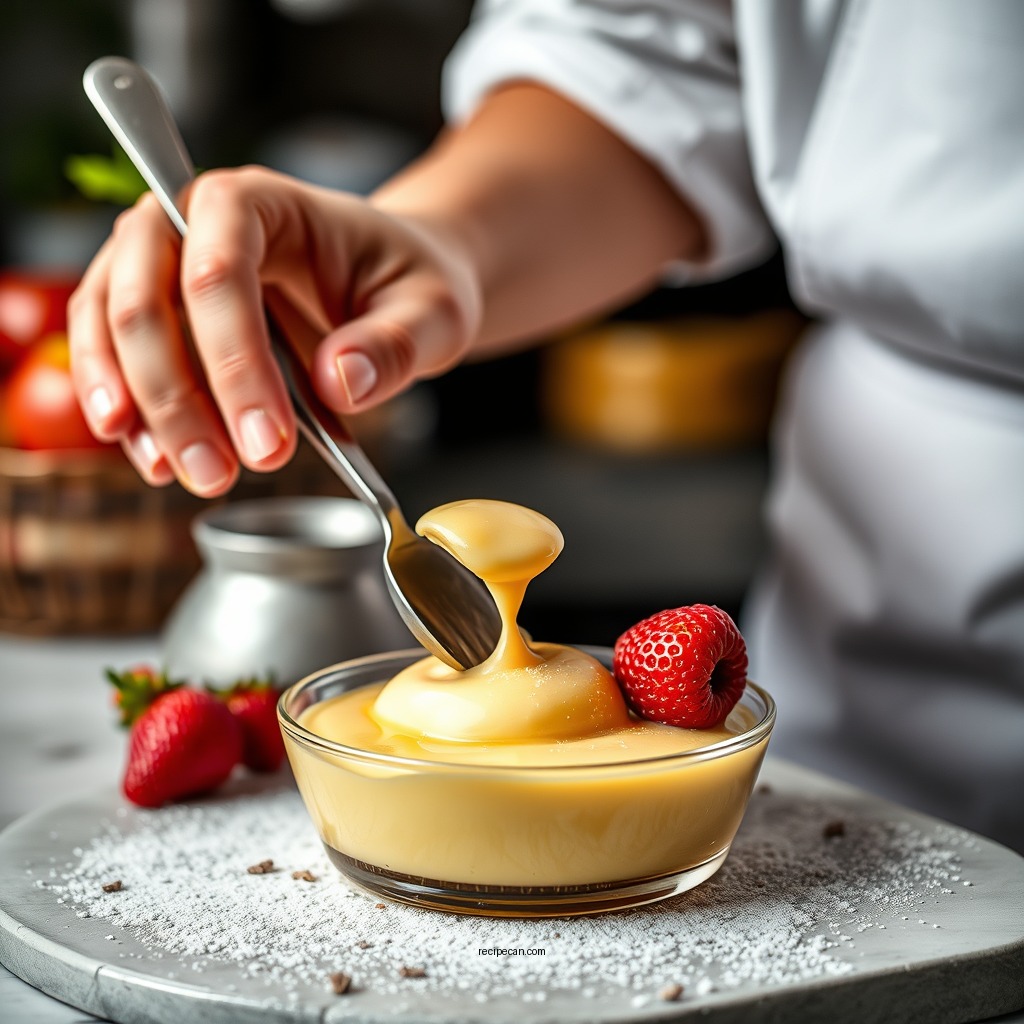
Cooking your custard properly is essential for achieving the desired silky texture. Follow these steps:
– Use a double boiler: A double boiler setup allows for gentle heating, reducing the risk of scrambling the eggs. If you don’t have one, you can create a makeshift one using a heatproof bowl over a saucepan of simmering water.
– Stir constantly: As the custard cooks, stir it continuously with a spatula or wooden spoon. This helps distribute the heat evenly and ensures that the custard thickens uniformly.
– Check for doneness: The custard is ready when it thickens enough to coat the back of a spoon. You can test this by dipping the spoon into the custard and running your finger down the back; if the line stays clear, it’s done. The ideal temperature for custard is around 170°F (77°C).
Top 7 Custard Varieties Around the World
| # | Custard Type | Country | Main Ingredients | Popularity Rating |
|---|---|---|---|---|
| 1 | Crème Brûlée | France | Eggs, cream, sugar | ★★★★★ |
| 2 | Pastry Cream | Italy | Eggs, milk, sugar | ★★★★☆ |
| 3 | Custard Tart | UK | Eggs, cream, pastry | ★★★★☆ |
| 4 | Flan | Spain | Eggs, milk, caramel | ★★★★☆ |
| 5 | Egg Custard | USA | Eggs, milk, sugar | ★★★☆☆ |
| 6 | Dulce de Leche Custard | Mexico | Eggs, milk, caramel | ★★★★☆ |
| 7 | Panna Cotta | Italy | Cream, gelatin, sugar | ★★★★☆ |
Cooling and Storing
Proper cooling and storage of your custard are important to maintain its quality and flavor. Here are some tips:
– Strain the custard: Once cooked, pour the custard through a fine mesh sieve into a clean bowl. This step removes any coagulated egg bits, ensuring a smooth texture.
– Chill in the refrigerator: Allow the custard to cool to room temperature before covering it with plastic wrap or transferring it to an airtight container. Cooling can take a couple of hours, but overnight chilling enhances the flavor.
– Storage tips: Homemade custard can be stored in the refrigerator for up to 3 days. To prevent a skin from forming on the surface, press plastic wrap directly onto the custard before refrigerating.
Serving Suggestions
Now that you have your homemade custard ready, consider these delightful serving suggestions to elevate your dessert experience:
– Classic pairings: Serve the custard alone, garnished with a sprinkle of nutmeg or cinnamon. Alternatively, pair it with fresh fruit like berries or sliced peaches for a refreshing contrast.
– Creative uses: Use custard as a filling for pastries like éclairs or tarts. It also makes an excellent base for ice cream, where it can be churned to create a creamy dessert treat.
– Garnishing ideas: Add a touch of elegance by topping your custard with whipped cream, chocolate shavings, or even a drizzle of caramel or berry sauce.
Popular Custard Recipes and Their Prep Time
Troubleshooting Common Issues
Even the best cooks can encounter a few hiccups when making custard. Here are some common issues and how to resolve them:
– Custard is too runny: If your custard doesn’t thicken as expected, it likely needs more time on the heat. Return it to the heat and continue stirring until it reaches the desired consistency.
– Scrambled eggs: This unfortunate event can occur if the egg mixture is cooked at too high a temperature. Always use low heat and keep stirring to prevent the eggs from cooking too quickly.
– Overcooked custard: Timing is crucial. If your custard thickens too much, it may result in a grainy texture. Always monitor the cooking time closely to avoid over-thickening.
Homemade custard is an easy and versatile dessert that can elevate any meal. With just a few ingredients and some simple techniques, you can create a delicious treat that everyone will love. So gather your ingredients and start whipping up this delightful custard today!
Frequently Asked Questions
What are the essential ingredients for a basic custard recipe?
A basic custard recipe typically requires eggs, milk, sugar, and vanilla extract. The eggs act as a thickening agent, while the milk provides a creamy texture. It’s important to use high-quality ingredients to achieve the best flavor and consistency in your custard.
How do you prevent your custard from curdling while cooking?
To prevent your custard from curdling, it’s crucial to cook it gently over low heat and stir continuously. This helps distribute the heat evenly and prevents the eggs from cooking too quickly. Additionally, tempering the eggs by gradually adding warm milk can help avoid sudden temperature changes that lead to curdling.
Why is my custard too runny, and how can I fix it?
If your custard is too runny, it may not have been cooked long enough or at a high enough temperature. To fix it, return the custard to low heat and continue cooking while stirring until it thickens. You can also add a bit of cornstarch mixed with water to help achieve the desired thickness.
What is the best way to serve custard for dessert?
The best way to serve custard for dessert is chilled, either on its own or as a base for other desserts like pies or trifles. You can garnish it with fresh fruits, nuts, or a drizzle of chocolate sauce to enhance its flavor and presentation. For a delightful twist, serve it in individual ramekins for an elegant touch.
Which types of custard recipes are popular for baking?
Popular custard recipes for baking include crème brûlée, flan, and custard pies like pumpkin or pecan pie. These recipes often combine the creamy texture of custard with a baked crust or a caramelized top, creating a delicious contrast of flavors. Each recipe has unique characteristics that make them favorites in dessert menus.
References
- Custard
https://en.wikipedia.org/wiki/Custard - Custard | Definition, Ingredients, & Preparation | Britannica
https://www.britannica.com/topic/custard - Custard nutrition facts and analysis.
https://www.nutritionvalue.org/Custard_nutritional_value.html - Google Scholar Google Scholar
https://scholar.google.com/scholar?q=custard+recipe - Google Scholar Google Scholar
https://scholar.google.com/scholar?q=custard+history - https://www.sciencedirect.com/topics/food-science/custard
https://www.sciencedirect.com/topics/food-science/custard - https://pubmed.ncbi.nlm.nih.gov/30076437/
https://pubmed.ncbi.nlm.nih.gov/30076437/ - https://www.ncbi.nlm.nih.gov/pmc/articles/PMC5117024/
https://www.ncbi.nlm.nih.gov/pmc/articles/PMC5117024/ - https://www.ncbi.nlm.nih.gov/pmc/articles/PMC4457626/
https://www.ncbi.nlm.nih.gov/pmc/articles/PMC4457626/ - https://www.cdc.gov/nutrition/index.html
https://www.cdc.gov/nutrition/index.html