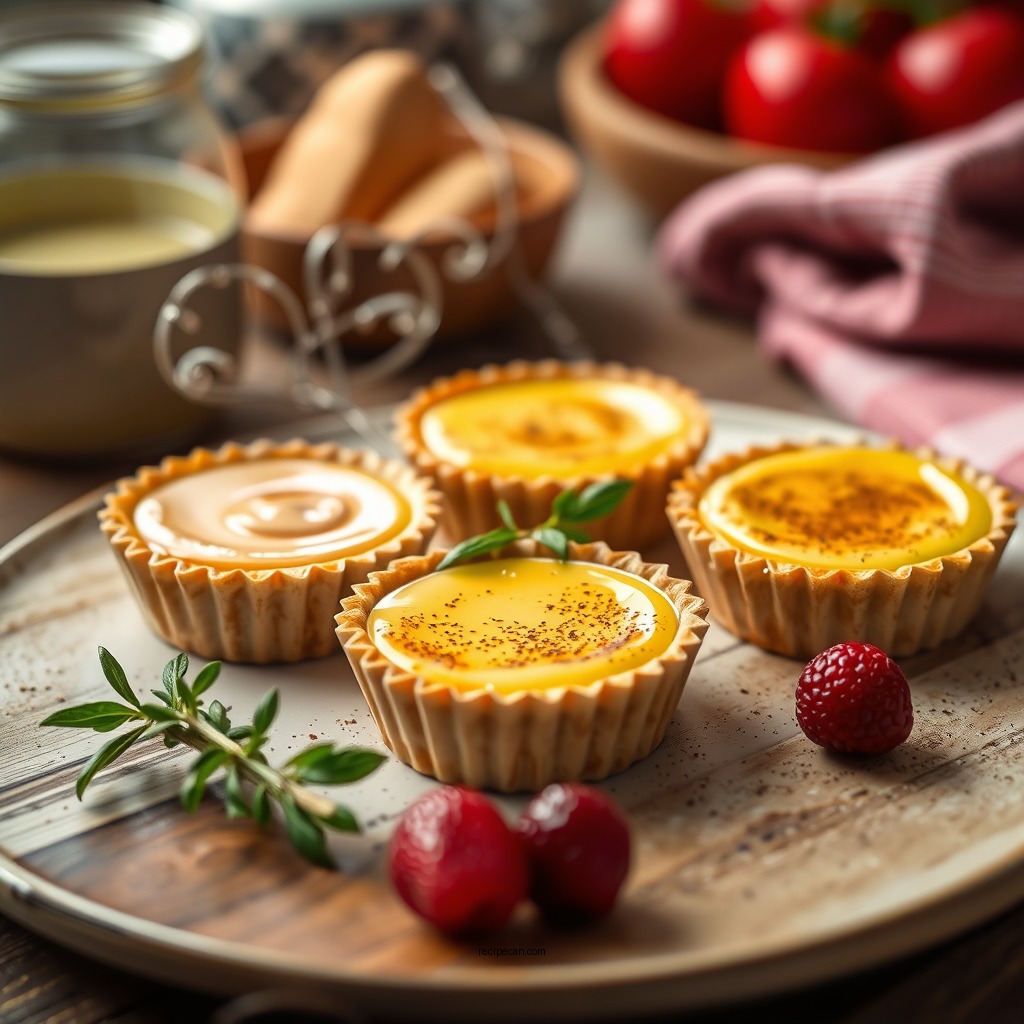
Creating a smooth and creamy custard for tarts is simpler than you might think. With a few basic ingredients and straightforward techniques, you can craft a delicious custard that elevates your tarts to a new level. In this article, you’ll learn how to make custard from scratch, including essential tips for preparation, cooking, and flavor variations.
Ingredients You Will Need
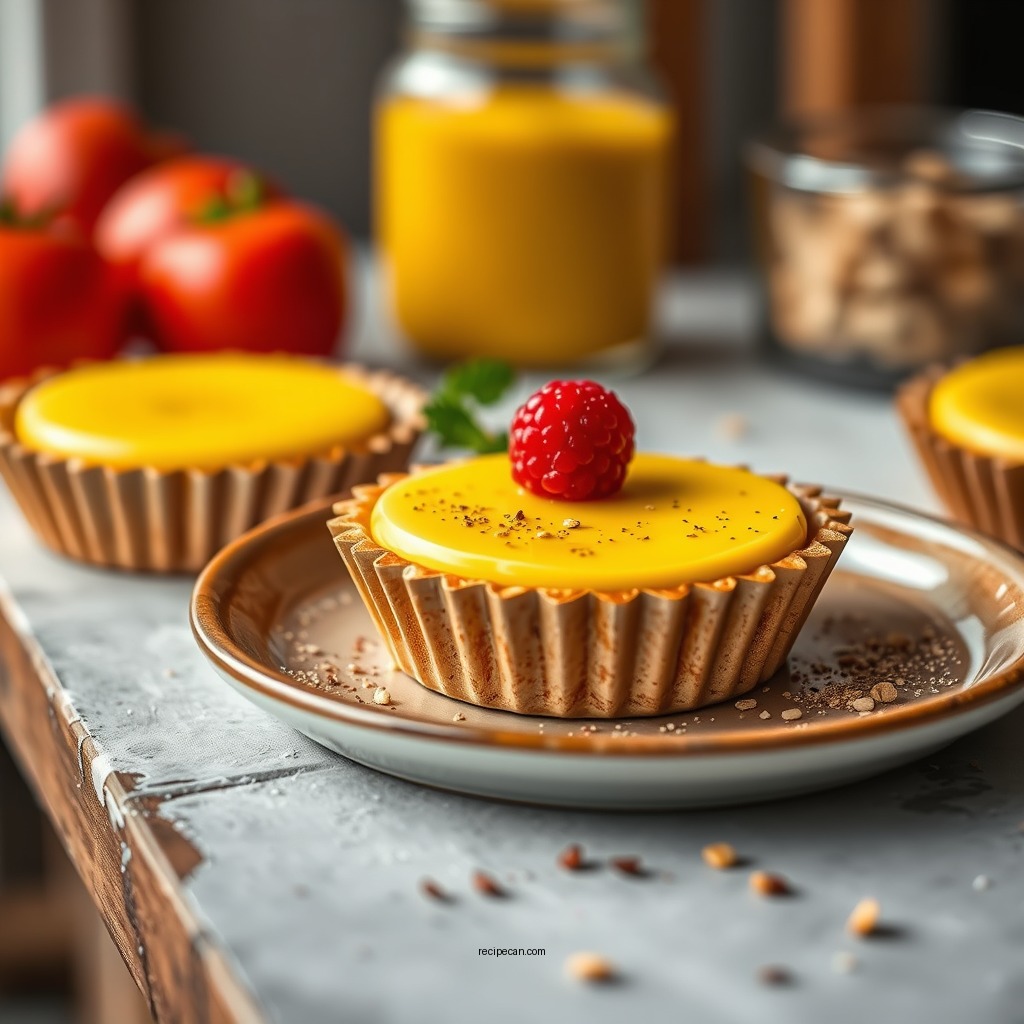
To make a delightful custard for tarts, you only need a handful of ingredients. Each plays a crucial role in achieving the right flavor and texture.
– Eggs: Essential for creating the custard base, eggs provide structure and richness. They also help in thickening the mixture when heated.
– Sugar: Adds sweetness; you can adjust the amount based on your taste preference. Choose between granulated, powdered, or brown sugar for different flavor profiles.
– Milk or Cream: The liquid component that gives richness to the custard. Whole milk or heavy cream can be used based on how creamy you want your custard to be.
Preparing the Custard Mixture

The first step in making custard is to prepare the mixture correctly, which sets the foundation for a smooth custard.
– Whisk together the eggs and sugar until combined: In a bowl, combine the eggs and sugar, whisking until the mixture is pale and slightly frothy. This ensures the sugar is well incorporated and helps in aerating the mixture.
– Gradually add milk or cream while whisking to avoid curdling: Slowly pour in the milk or cream, continuing to whisk. This gradual incorporation helps to temper the eggs, preventing them from cooking too quickly.
Cooking the Custard
Cooking the custard properly is crucial to achieving the desired consistency without scrambling the eggs.
– Use a double boiler or a saucepan on low heat for even cooking: If you have a double boiler, it’s the best method to prevent direct heat from cooking the eggs too fast. If not, a heavy-bottomed saucepan will work; just keep the heat low.
– Stir continuously to ensure the custard thickens without scrambling: Use a wooden spoon or a spatula, stirring constantly. The custard is ready when it coats the back of the spoon and holds a line when you run your finger through it.
Custard Cooking Methods Comparison
| # | Method | Temperature Control | Time Required | Ease of Use |
|---|---|---|---|---|
| 1 | Double Boiler | Excellent | 10-15 mins | Easy |
| 2 | Saucepan | Good | 8-12 mins | Moderate |
| 3 | Oven | Fair | 20-30 mins | Difficult |
Cooling and Straining the Custard
Once the custard has thickened, the next steps are crucial for achieving a velvety texture.
– Once thickened, remove from heat and let it cool briefly: Allow the custard to sit for a minute or two off the heat. This will help reduce the cooking process and prevent overcooking.
– Strain through a sieve to achieve a smooth texture: Pour the custard through a fine sieve into a clean bowl. This step removes any clumps or bits of cooked egg, resulting in a silky custard.
Filling Your Tart
Filling your tart with custard requires a bit of preparation to ensure the best results.
– Pre-bake your tart shell for a crispy base: Blind-bake the tart shell at 350°F (175°C) until lightly golden. This step prevents the crust from becoming soggy when you add the custard.
– Pour the cooled custard into the tart shell and smooth the top: Carefully pour the custard into the pre-baked shell, using a spatula to smooth the surface.
Flavor Variations and Add-Ins
To personalize your custard and match it with various tart flavors, consider these variations.
– Add vanilla extract for classic flavor or citrus zest for a fresh twist: Vanilla bean paste or extract adds a timeless flavor, while zest from lemons or oranges introduces brightness.
– Consider incorporating chocolate or coffee for a decadent touch: Melted chocolate can be whisked into the custard for richness, and espresso powder provides a sophisticated coffee flavor.
Serving Suggestions
To enhance your custard tart’s presentation and flavor, consider these serving options.
– Chill the tart in the refrigerator before serving for the best texture: Allow the tart to chill for at least two hours to help the custard set further, ensuring clean slices.
– Garnish with fresh fruits or whipped cream for added appeal: Top the tart with seasonal fruits like berries or a dollop of whipped cream to create a visually appealing dessert.
Custard Flavor Preference (Survey 2024)
Now that you have a simple custard recipe for your tarts, why not give it a try? Experiment with different flavors and toppings, and impress your friends and family at your next gathering! With just a few ingredients and careful attention to the cooking process, you can master this essential pastry element and create delicious desserts that will be the highlight of any occasion.
Frequently Asked Questions
What ingredients do I need for a basic custard for tarts recipe?
A basic custard for tarts typically requires eggs, sugar, milk or cream, and a flavoring such as vanilla extract. You may also need a pinch of salt to enhance the flavors. Ensure to use fresh ingredients for the best texture and taste.
How do I prevent my custard from curdling when making tarts?
To prevent curdling, it’s essential to temper the eggs by slowly adding a warm mixture of milk and sugar to them while whisking continuously. Additionally, cook the custard over low heat and stir constantly. Using a double boiler can also help maintain a gentle temperature.
Why is my custard for tarts too runny after baking?
A runny custard may result from undercooking or not incorporating enough eggs, as eggs provide structure. Ensure that you bake the tart until the custard is just set, and it should slightly jiggle in the center; it will firm up as it cools.
What is the best method for cooling custard before pouring it into tarts?
The best method for cooling custard is to transfer it to a bowl set over an ice bath, stirring occasionally to prevent a skin from forming. This technique quickly brings down the temperature without compromising the texture, ensuring a smooth filling for your tarts.
Which type of milk is best for custard in tarts: whole, skim, or cream?
Whole milk or heavy cream is best for making custard for tarts, as they provide a rich, creamy texture and flavor. Skim milk may result in a thinner custard that lacks the indulgent richness typically desired in tart fillings.
References
- Custard
https://en.wikipedia.org/wiki/Custard - https://www.bbc.co.uk/food/recipes/custard_82825
https://www.bbc.co.uk/food/recipes/custard_82825 - https://www.nytimes.com/2017/04/05/dining/custard-recipe.html
https://www.nytimes.com/2017/04/05/dining/custard-recipe.html - https://www.sciencedirect.com/topics/food-science/custard
https://www.sciencedirect.com/topics/food-science/custard - Custard | Definition, Ingredients, & Preparation | Britannica
https://www.britannica.com/topic/custard - Google Scholar Google Scholar
https://scholar.google.com/scholar?q=custard+for+tarts+recipe - Google Scholar Google Scholar
https://scholar.google.com/scholar?q=custard+recipe - Google Scholar Google Scholar
https://scholar.google.com/scholar?q=custard+dessert+recipes - https://www.nichd.nih.gov/health/topics/nutrition/Pages/default.aspx
https://www.nichd.nih.gov/health/topics/nutrition/Pages/default.aspx - https://www.cdc.gov/nutrition/index.html
https://www.cdc.gov/nutrition/index.html