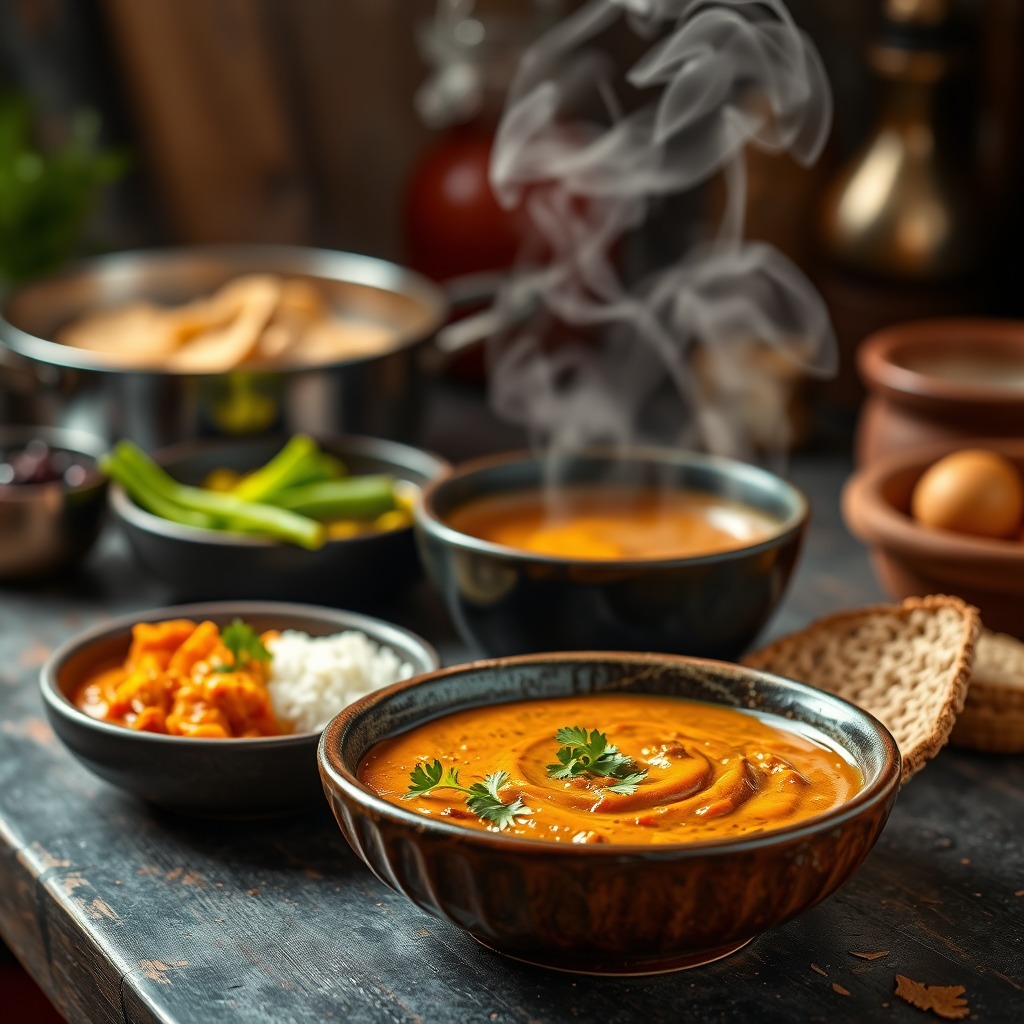
Creating a delicious curry sauce at home is not only simple but also rewarding, allowing you to elevate your meals effortlessly. This article will walk you through the essential steps to prepare a basic yet flavorful curry sauce that pairs wonderfully with chicken, vegetables, or lentils. With the right ingredients and techniques, you can customize this sauce to suit your palate perfectly.
Understanding the Ingredients
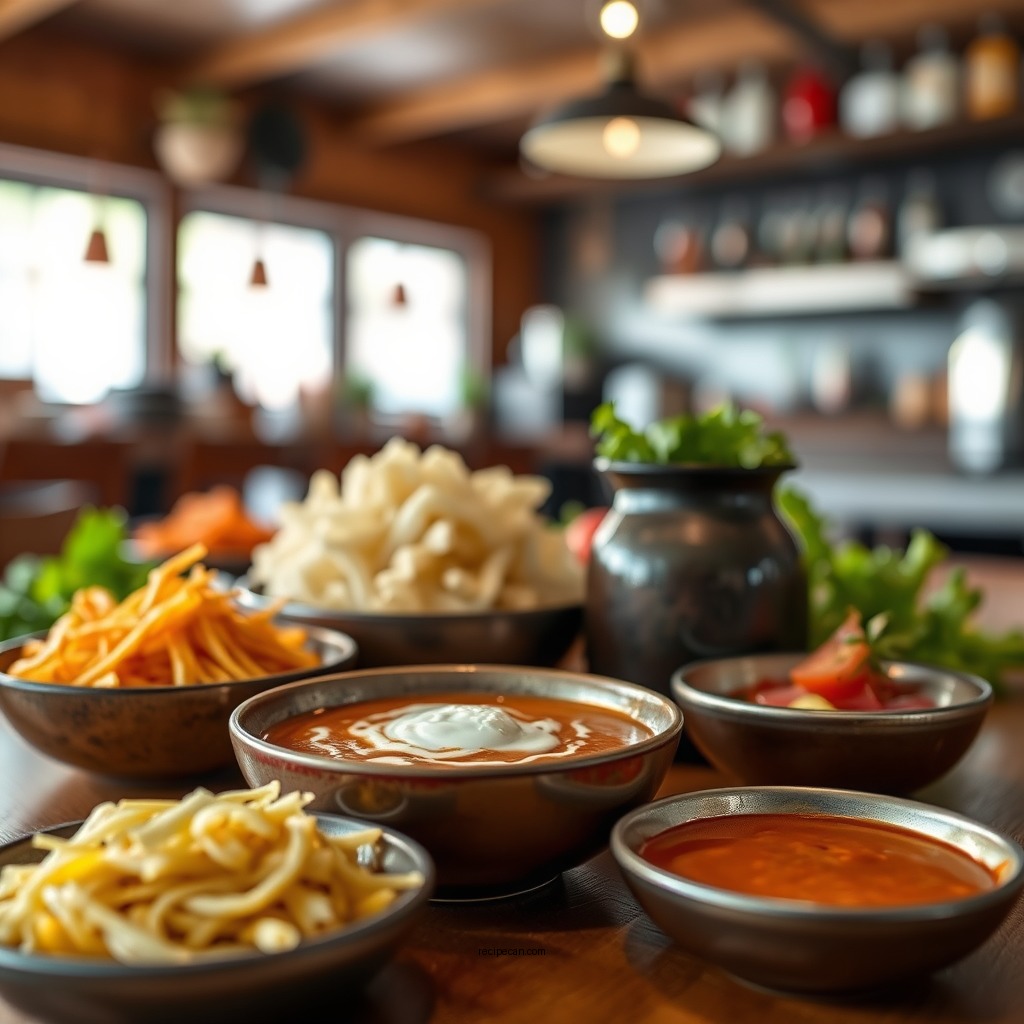
To craft a remarkable curry sauce, understanding the core ingredients is crucial. The backbone of any curry sauce lies in a blend of spices, with turmeric, cumin, and coriander being essential players.
– Turmeric: This golden spice not only adds a vibrant color but also imparts an earthiness and warmth that is synonymous with curry.
– Cumin: Known for its nutty and peppery flavor, cumin enhances the depth of the dish and balances the sweetness of other ingredients.
– Coriander: With a slightly citrusy note, coriander rounds out the flavor profile, providing a refreshing contrast to the earthiness of turmeric and cumin.
In addition to these spices, the use of coconut milk or yogurt is key to achieving a rich, creamy texture. Coconut milk offers a subtle sweetness and velvety mouthfeel, making it a popular choice in many curry recipes. Alternatively, yogurt can add a tangy twist while also thickening the sauce, contributing to a delightful creaminess.
Preparing Your Base
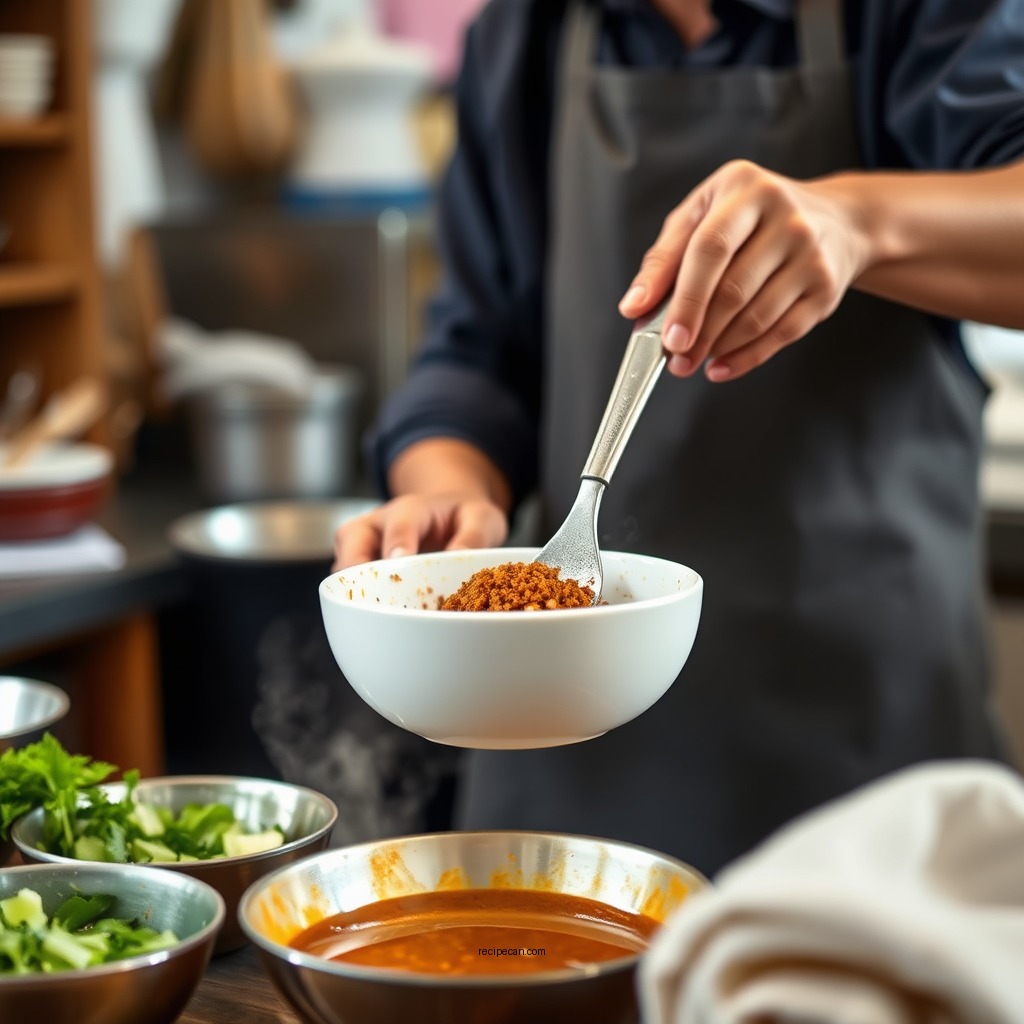
The foundation of a great curry sauce begins with the base, often made from sautéed onions and garlic.
1. Sautéing Onions: Start by heating oil in a pan and adding finely chopped onions. Cook them until they are soft and translucent, which typically takes about 5-7 minutes. This step is vital as it releases the natural sugars in the onions, creating a sweet and savory base.
2. Adding Garlic and Ginger: Once the onions are ready, add minced garlic and ginger. Sauté for an additional minute to infuse the oil with their aromatic qualities.
3. Toasting Spices: Before adding liquids, it’s essential to toast your spices briefly in the oil. This process enhances their aroma and flavor, making them more pronounced in the final sauce. Simply add your ground spices to the pan and stir for about 30 seconds until they become fragrant.
Customizing Your Curry Sauce
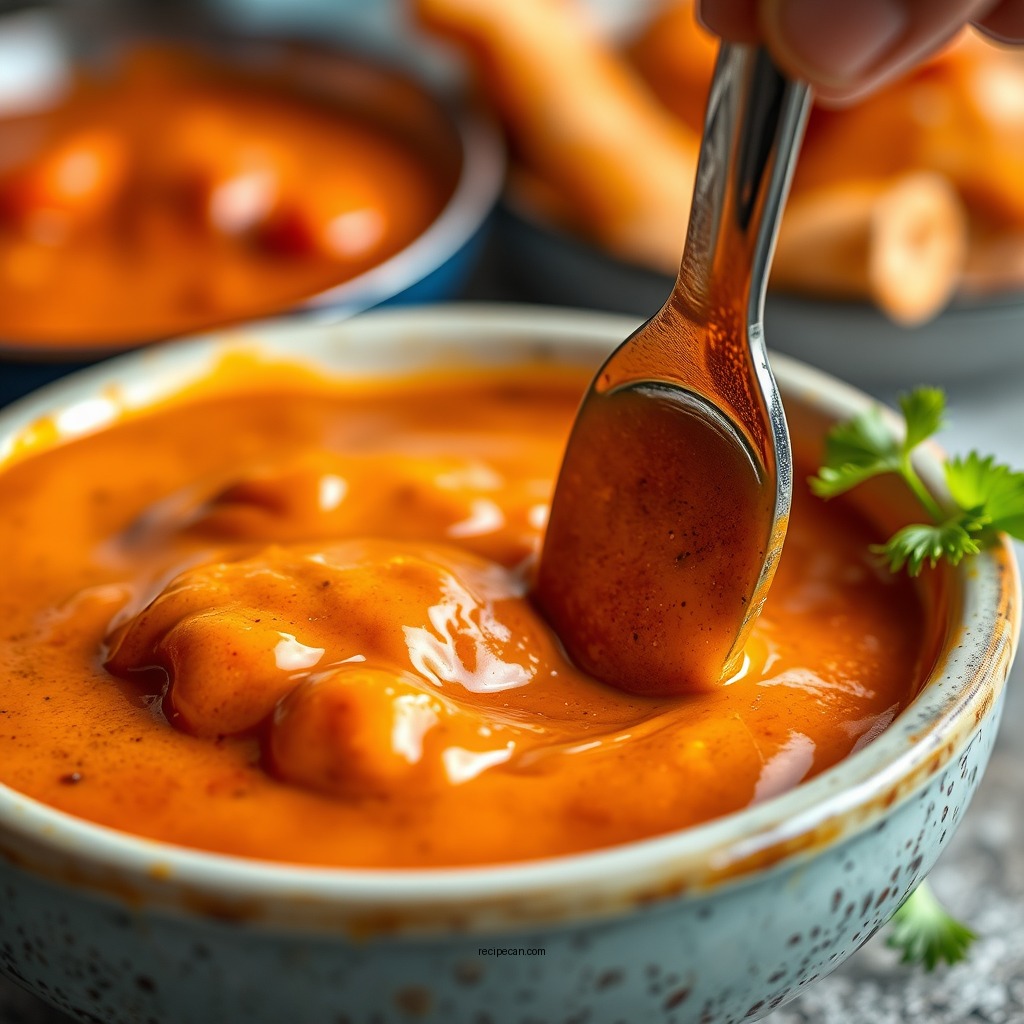
One of the most enjoyable aspects of making curry sauce is the ability to customize it according to your taste preferences.
– Adding Heat: If you enjoy a spicy kick, consider incorporating fresh chili peppers or red chili flakes. Start with a small amount and adjust based on your heat tolerance.
– Balancing Flavors: Sometimes, a touch of sweetness can balance the heat and acidity in your sauce. Adding a teaspoon of sugar or honey can enhance the overall flavor profile.
– Fresh Herbs: To introduce freshness, fold in chopped cilantro or basil just before serving. These herbs not only add a burst of flavor but also brighten up the dish visually.
Flavor Profile Comparison Table
Flavor Profile Comparison of Curry Sauce Variations
| # | Feature | Mild | Medium | Spicy |
|---|---|---|---|---|
| 1 | Turmeric Flavor | Low | Moderate | High |
| 2 | Cumin Aroma | Low | High | Very High |
| 3 | Heat Level | 1/10 | 5/10 | 10/10 |
| 4 | Creaminess | High (Yogurt) | Moderate (Coconut Milk) | Moderate |
| 5 | Sweetness | High | Moderate | Low |
Cooking Techniques
Once your ingredients are prepped, the next step involves cooking techniques that will help you develop the flavors fully.
1. Simmering the Sauce: After combining your sautéed base and spices with coconut milk or yogurt, allow the sauce to simmer. A gentle simmer for about 20-30 minutes helps meld the flavors. Keep the temperature low to prevent the sauce from boiling, which can alter the texture.
2. Adjusting Consistency: Depending on your personal preference, you can adjust the sauce’s consistency. If you prefer a thicker sauce, simmer it longer to reduce liquid. For a thinner sauce, add a splash of vegetable or chicken broth until you reach your desired consistency.
Curry Sauce Popularity Bar Chart
Curry Sauce Popularity by Type (2024)
Serving Suggestions
Curry sauce is incredibly versatile and can enhance a variety of dishes. Here are some serving suggestions to consider:
– With Rice: Serve your curry sauce over a bed of fluffy basmati or jasmine rice. The rice absorbs the sauce, making for a satisfying meal.
– With Naan Bread: Use warm naan to scoop up the curry sauce, offering a delightful combination of textures.
– As a Marinade: Marinate chicken or vegetables in the curry sauce for a few hours before grilling or roasting to infuse the flavors deeply.
– Dipping Sauce: Use the curry sauce as a dipping sauce for appetizers like samosas or spring rolls, bringing a unique flavor to your starter course.
Storing and Reheating
If you find yourself with leftover curry sauce, proper storage can extend its shelf life.
– Refrigeration: Store the curry sauce in an airtight container in the refrigerator for up to 4-5 days.
– Freezing: For longer storage, you can freeze the sauce in freezer-safe containers for up to 3 months. Be sure to leave some space for expansion.
– Reheating: When reheating, use a gentle heat on the stove and stir frequently to maintain the sauce’s texture and flavor. If the sauce is too thick, add a splash of water or broth to reach the desired consistency.
By following these guidelines, you can enjoy your homemade curry sauce in multiple meals throughout the week, making it a convenient and delicious option for busy days.
In this article, you’ve discovered how to create an easy and delicious curry sauce that can complement a variety of dishes. By following the steps outlined above, you can customize your sauce to suit your taste preferences, ensuring each meal is flavorful and satisfying. Try making your own curry sauce today, and explore the endless possibilities it brings to your cooking!
Frequently Asked Questions
What are the essential ingredients for a basic curry sauce recipe?
A basic curry sauce recipe typically includes onions, garlic, ginger, tomatoes, and a variety of spices such as cumin, coriander, turmeric, and garam masala. You can also add coconut milk or yogurt for creaminess and depth of flavor. These ingredients serve as the foundation for many curry dishes, allowing you to customize the sauce to your taste.
How do I thicken my curry sauce if it’s too watery?
To thicken your curry sauce, you can use a variety of methods. One effective way is to simmer the sauce uncovered for a longer period, allowing the excess liquid to evaporate. Alternatively, you can mix in a cornstarch slurry or add ground nuts, such as cashews or almonds, to achieve a thicker consistency without compromising flavor.
Why is my curry sauce lacking flavor and how can I enhance it?
If your curry sauce lacks flavor, it may be due to undercooked spices or insufficient seasoning. To enhance the flavor, try toasting the spices in oil before adding other ingredients, as this releases their essential oils. Additionally, incorporating a splash of acidity, like lemon juice or vinegar, can brighten the overall taste of the curry sauce.
Which type of curry sauce is best for chicken dishes?
A coconut curry sauce is often the best choice for chicken dishes, as its creamy texture complements the meat beautifully. Additionally, a tomato-based curry sauce infused with spices like cumin and coriander can provide a rich flavor profile that pairs well with chicken. Experimenting with both types can lead to delicious results.
What is the best way to store leftover curry sauce?
To store leftover curry sauce, allow it to cool completely before transferring it to an airtight container. It can be refrigerated for up to four days or frozen for up to three months. When reheating, add a splash of water or coconut milk to restore the sauce’s consistency and prevent it from drying out.
References
- Curry
https://en.wikipedia.org/wiki/Curry - https://www.bbc.co.uk/food/recipes/curry_22733
https://www.bbc.co.uk/food/recipes/curry_22733 - https://www.sciencedirect.com/topics/food-science/curry
https://www.sciencedirect.com/topics/food-science/curry - https://www.nutrition.gov/topics/nutrition-overview/healthy-eating-recipe-resources
https://www.nutrition.gov/topics/nutrition-overview/healthy-eating-recipe-resources - https://www.ncbi.nlm.nih.gov/pmc/articles/PMC6313449/
https://www.ncbi.nlm.nih.gov/pmc/articles/PMC6313449/ - Curry | Ingredients, Indian Cuisine, & History | Britannica
https://www.britannica.com/topic/curry - https://www.theguardian.com/food/2020/jul/23/vegetable-curry-recipe
https://www.theguardian.com/food/2020/jul/23/vegetable-curry-recipe - https://scholar.google.com/scholar?q=curry+sauce+recipe Google Scholar
https://scholar.google.com/scholar?q=curry+sauce+recipe - Google Scholar Google Scholar
https://scholar.google.com/scholar?q=traditional+curry+sauce+recipe - https://en.wikipedia.org/wiki/Special:Search?search=curry+sauce+recipe
https://en.wikipedia.org/wiki/Special:Search?search=curry+sauce+recipe