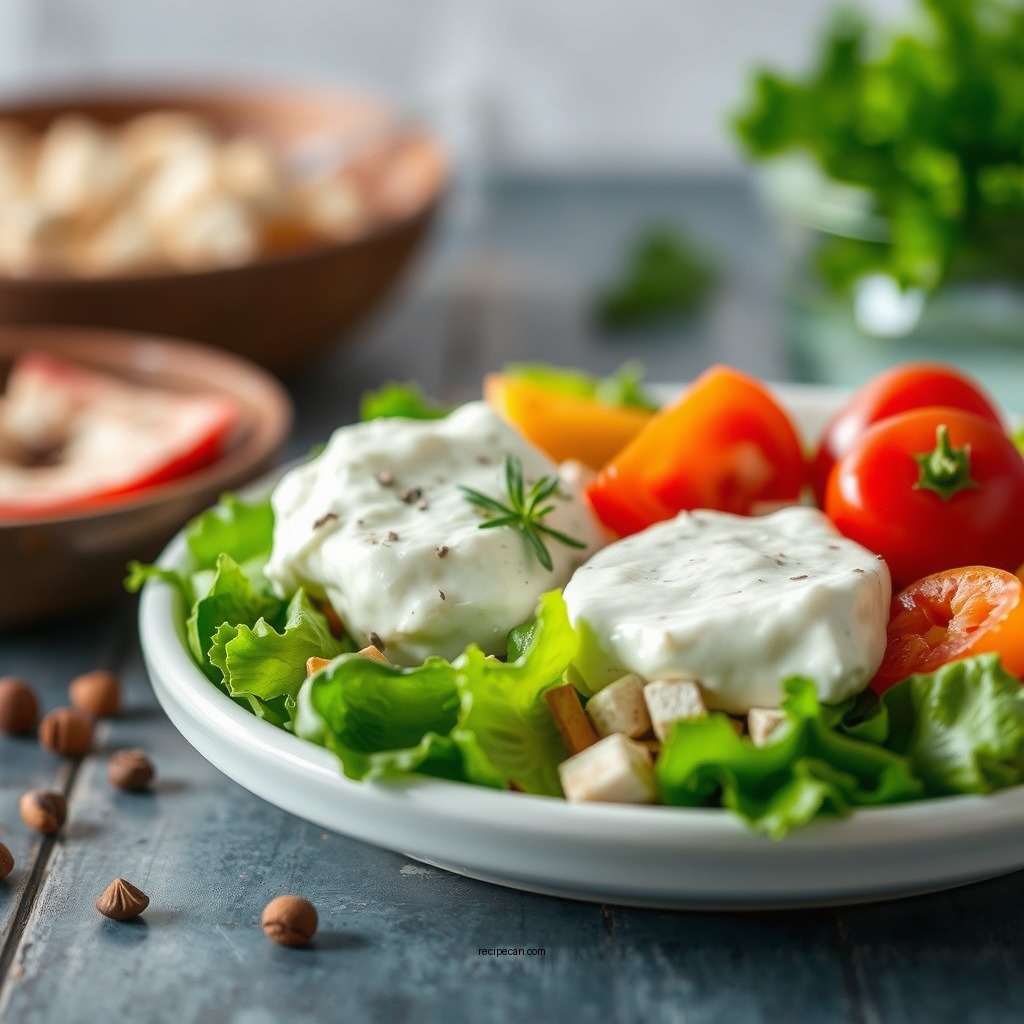
Cottage cheese salad dressing is a creamy, nutritious option that adds flavor to any salad without the guilt of traditional dressings. This dressing not only enhances the taste of your salads but also packs a protein punch, making it a smart choice for health-conscious individuals. In this article, you’ll discover a simple recipe that combines cottage cheese with fresh herbs and spices to create a delicious dressing that elevates your salads while providing added nutritional benefits.
Ingredients You’ll Need
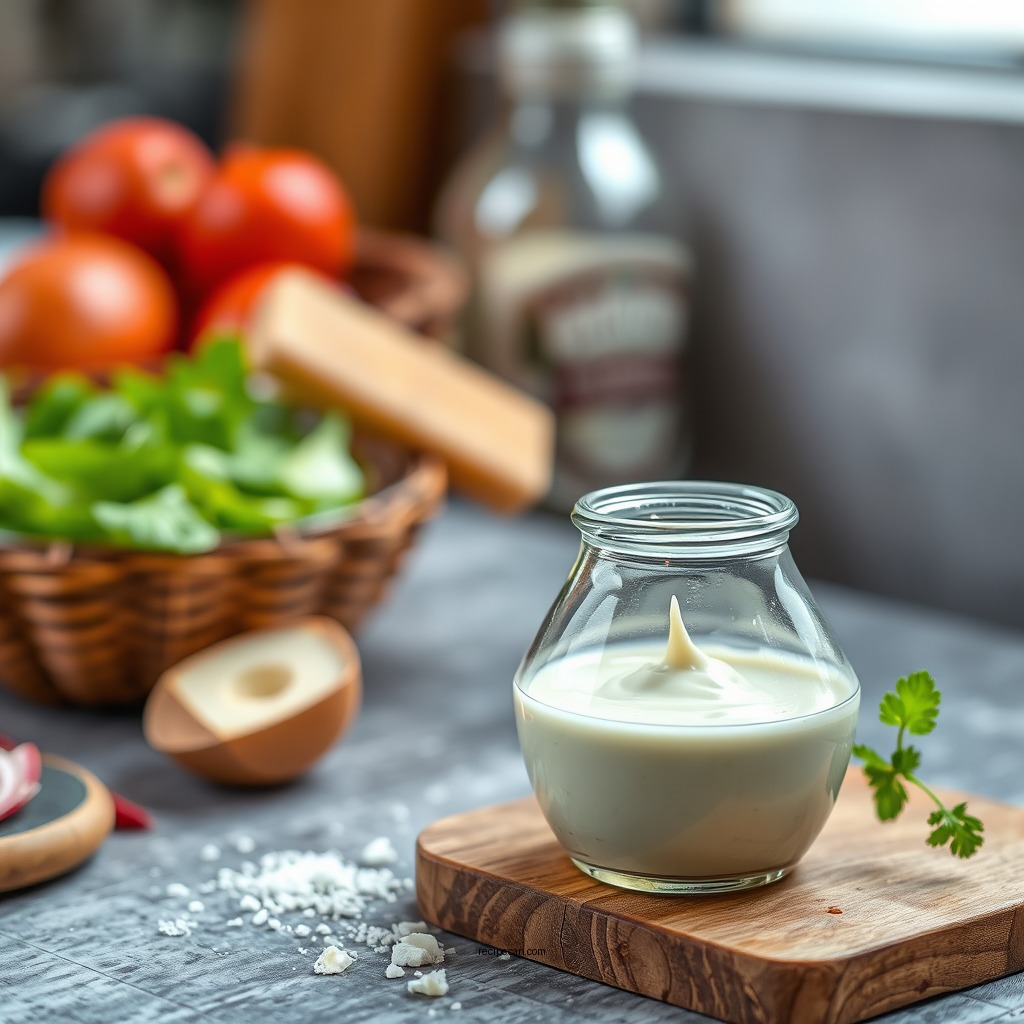
To make a delightful cottage cheese salad dressing, you will need the following ingredients:
– Cottage Cheese: You can choose either low-fat or regular cottage cheese based on your dietary preferences. Cottage cheese is high in protein and low in fat, making it a versatile ingredient for your dressing.
– Fresh Herbs: Herbs like dill, parsley, or chives add a fresh, vibrant flavor to the dressing. Fresh herbs not only enhance the taste but also provide additional nutrients.
– Seasonings: Basic seasonings such as salt, pepper, and garlic powder are essential for flavoring your dressing. You can adjust the amounts to suit your taste.
Step-by-Step Instructions
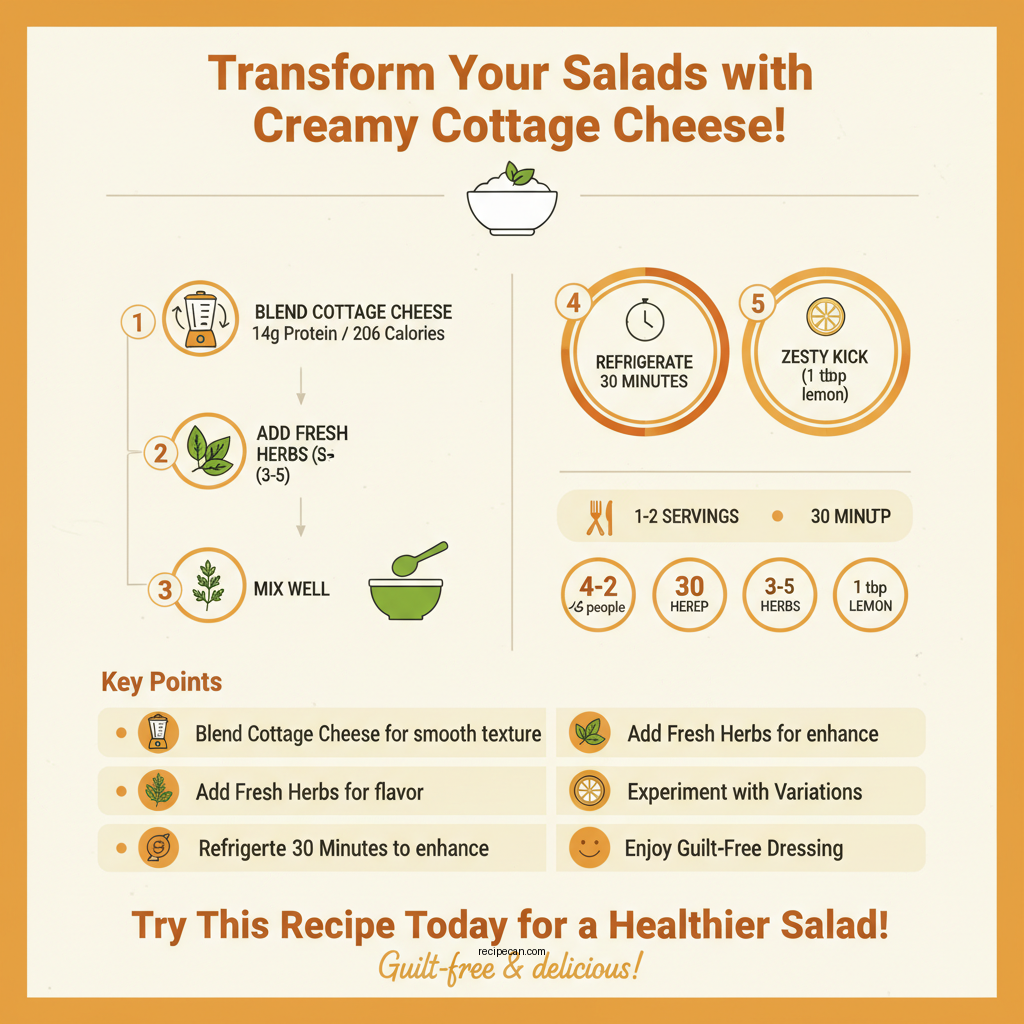

Creating your cottage cheese salad dressing is a straightforward process. Follow these steps to make it perfectly creamy and flavorful:
1. Blend the Cottage Cheese: Start by placing your cottage cheese in a blender or food processor. Blend until smooth to achieve a creamy texture. This step is crucial for eliminating any lumps, ensuring your dressing is silky.
2. Add Fresh Herbs and Seasonings: Once the cottage cheese is smooth, add your choice of fresh herbs and seasonings. Start with a small amount of each and adjust to your preference. Mixing in herbs like dill can create a unique flavor profile that complements various types of salads.
3. Mix Well and Refrigerate: After combining all ingredients, mix well to ensure an even consistency. Cover the dressing and refrigerate for at least 30 minutes. This resting period allows the flavors to meld together, resulting in a more robust taste.
Variations and Add-Ins

To keep your cottage cheese salad dressing exciting and tailored to your palate, try these variations and add-ins:
– Incorporate Lemon Juice: Adding lemon juice can give your dressing a zesty kick. The acidity works well to balance the creaminess of the cottage cheese.
– Diced Vegetables: Incorporating diced vegetables like cucumbers or bell peppers can add texture and crunch to your dressing. This makes it not only a dressing but also a flavorful dip.
– Experiment with Different Herbs: Don’t hesitate to try different herbs such as basil or cilantro for a unique flavor twist. Each herb brings its character, transforming the dressing into something new.
Nutritional Comparison of Cottage Cheese Salad Dressing vs. Traditional Dressings (per 2 tbsp)
| # | Dressing Type | Calories | Protein | Fat | Carbs |
|---|---|---|---|---|---|
| 1 | Cottage Cheese Dressing | 30 | 5g | 1g | 3g |
| 2 | Ranch Dressing | 145 | 1g | 15g | 2g |
| 3 | Caesar Dressing | 150 | 1g | 16g | 2g |
| 4 | Italian Dressing | 80 | 0g | 9g | 2g |
| 5 | Balsamic Vinaigrette | 90 | 0g | 9g | 3g |
| 6 | Thousand Island Dressing | 140 | 1g | 15g | 3g |
| 7 | Blue Cheese Dressing | 150 | 1g | 16g | 2g |
Health Benefits of Cottage Cheese Dressing
Choosing cottage cheese salad dressing over traditional options comes with a range of health benefits:
– High in Protein: Cottage cheese is renowned for its high protein content, which promotes satiety and helps with muscle repair. A serving of cottage cheese dressing can provide a significant amount of your daily protein needs.
– Lower in Calories: Compared to traditional dressings, which often contain high levels of fats and sugars, cottage cheese dressing is considerably lower in calories. This makes it an excellent choice for those looking to maintain or lose weight.
– Rich in Calcium: Cottage cheese is a good source of calcium, essential for bone health. Incorporating this dressing into your diet can help you meet your calcium requirements conveniently.
Serving Suggestions
Cottage cheese salad dressing is versatile and can be used in various ways:
– Drizzle over Salads: A simple way to enjoy this dressing is to drizzle it over a bed of mixed greens or spinach. It complements the fresh vegetables beautifully and enhances their flavors.
– As a Dip: Use the dressing as a dip for raw vegetables or whole grain crackers. This not only adds flavor but also makes for a nutritious snack option.
– Accompaniment for Proteins: Pair your cottage cheese dressing with grilled chicken or fish for a complete meal. The creaminess of the dressing balances well with the savory flavors of grilled meats.
Benefits of Cottage Cheese Dressing Compared to Traditional Dressings
Tips for Storing Your Dressing
To keep your cottage cheese salad dressing fresh and delicious, consider these storage tips:
– Airtight Container: Store the dressing in an airtight container to prevent it from absorbing odors from the refrigerator and to maintain its freshness.
– Shelf Life: For optimal freshness, consume the dressing within 3-5 days. While it may last longer, the quality and taste may diminish over time.
– Stir Before Use: Since the dressing may separate when stored, be sure to stir well before each use to restore its creamy consistency.
Cottage cheese salad dressing is not only easy to make but also a healthy alternative to traditional dressings. By following the simple recipe and suggestions provided, you can enjoy a nutritious and flavorful addition to your meals. Don’t hesitate to experiment with flavors and find your perfect blend! The versatility and health benefits make this dressing a must-try for anyone looking to enhance their salad experience while maintaining a balanced diet.
Frequently Asked Questions
What are the key ingredients for a cottage cheese salad dressing recipe?
A basic cottage cheese salad dressing recipe typically includes cottage cheese, Greek yogurt, lemon juice, garlic powder, and herbs like dill or parsley. For added flavor, you can incorporate ingredients such as mustard, honey, or vinegar. This combination not only enhances the taste but also provides a creamy texture that complements various salads.
How can I make a low-calorie cottage cheese salad dressing?
To create a low-calorie cottage cheese salad dressing, start with low-fat or fat-free cottage cheese as your base. Blend it with fresh herbs, lemon juice, and a splash of apple cider vinegar for tanginess. This simple recipe is nutritious and can be easily customized with spices for added flavor while keeping the calorie count low.
Why should I consider using cottage cheese in salad dressings?
Using cottage cheese in salad dressings is a great way to add protein and creaminess without excessive fat or calories. It serves as a healthier alternative to traditional creamy dressings, making your salads more filling and nutritious. Additionally, cottage cheese offers a unique taste that can enhance the overall flavor profile of your salad.
What is the best way to store homemade cottage cheese salad dressing?
The best way to store homemade cottage cheese salad dressing is in an airtight container in the refrigerator. It can typically last for about 5-7 days. To maintain its freshness, make sure to stir it well before each use, as some separation may occur due to the ingredients settling.
Which salads pair best with cottage cheese salad dressing?
Cottage cheese salad dressing pairs wonderfully with a variety of salads, particularly those that feature fresh vegetables like cucumbers, tomatoes, and leafy greens. It also complements fruit salads and grain salads, such as quinoa or barley, by adding a creamy texture and protein boost. Experimenting with different salad combinations can elevate your meals while keeping them healthy.
References
- Cottage cheese
https://en.wikipedia.org/wiki/Cottage_cheese - https://www.ncbi.nlm.nih.gov/pmc/articles/PMC5411374/
https://www.ncbi.nlm.nih.gov/pmc/articles/PMC5411374/ - https://www.mayoclinic.org/healthy-lifestyle/nutrition-and-healthy-eating/in-depth/cottage-cheese/art-20046781
https://www.mayoclinic.org/healthy-lifestyle/nutrition-and-healthy-eating/in-depth/cottage-cheese/art-20046781 - https://www.cdc.gov/nutrition/resources-publications/healthy-eating.html
https://www.cdc.gov/nutrition/resources-publications/healthy-eating.html - https://www.health.harvard.edu/staying-healthy/the-benefits-of-cottage-cheese
https://www.health.harvard.edu/staying-healthy/the-benefits-of-cottage-cheese - https://www.sciencedirect.com/topics/food-science/cottage-cheese
https://www.sciencedirect.com/topics/food-science/cottage-cheese - Google Scholar Google Scholar
https://scholar.google.com/scholar?q=cottage+cheese+salad+dressing+recipe - Google Scholar Google Scholar
https://scholar.google.com/scholar?q=cottage+cheese+health+benefits - Google Scholar Google Scholar
https://scholar.google.com/scholar?q=cottage+cheese+nutrition+recipe - https://en.wikipedia.org/wiki/Special:Search?search=cottage+cheese+salad+dressing+recipe
https://en.wikipedia.org/wiki/Special:Search?search=cottage+cheese+salad+dressing+recipe
