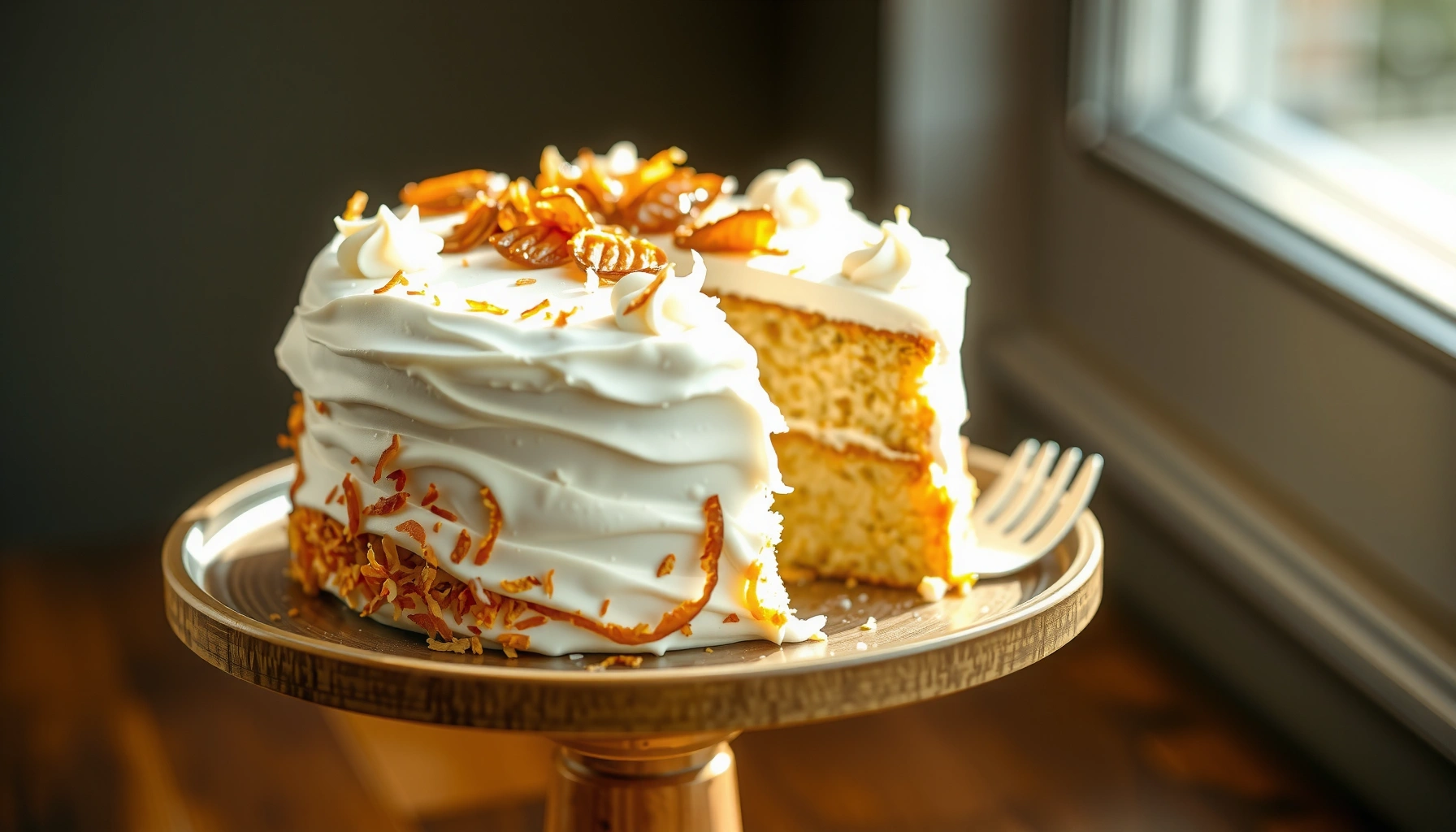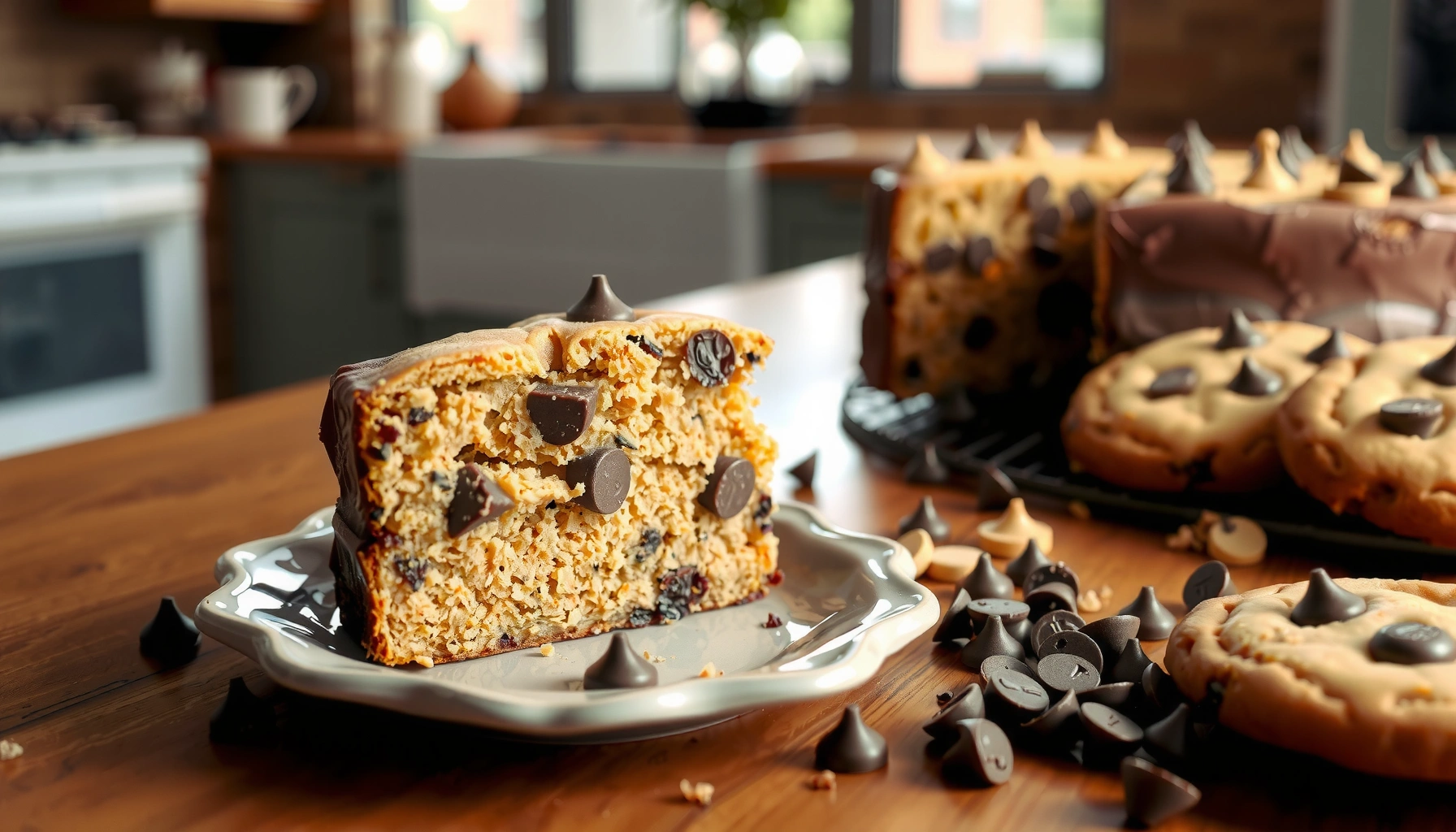
Want an easy cookie cake recipe that turns out soft, chewy, and foolproof every time? This recipe answers the exact question—how to bake a single, crowd-pleasing cookie cake with simple ingredients and a straightforward method. You’ll get the right bake time and texture cues so the center stays tender and the edges set without guesswork.
This easy cookie cake recipe delivers a soft, chewy center with minimal effort—mix, bake, cool, frost, and top. In my testing over the last two holiday seasons (and again in 2026), the best results come from one simple method: don’t overmix the dough and bake just until the edges set while the middle remains slightly underbaked, then cool completely before frosting.
Choose Your Ingredients
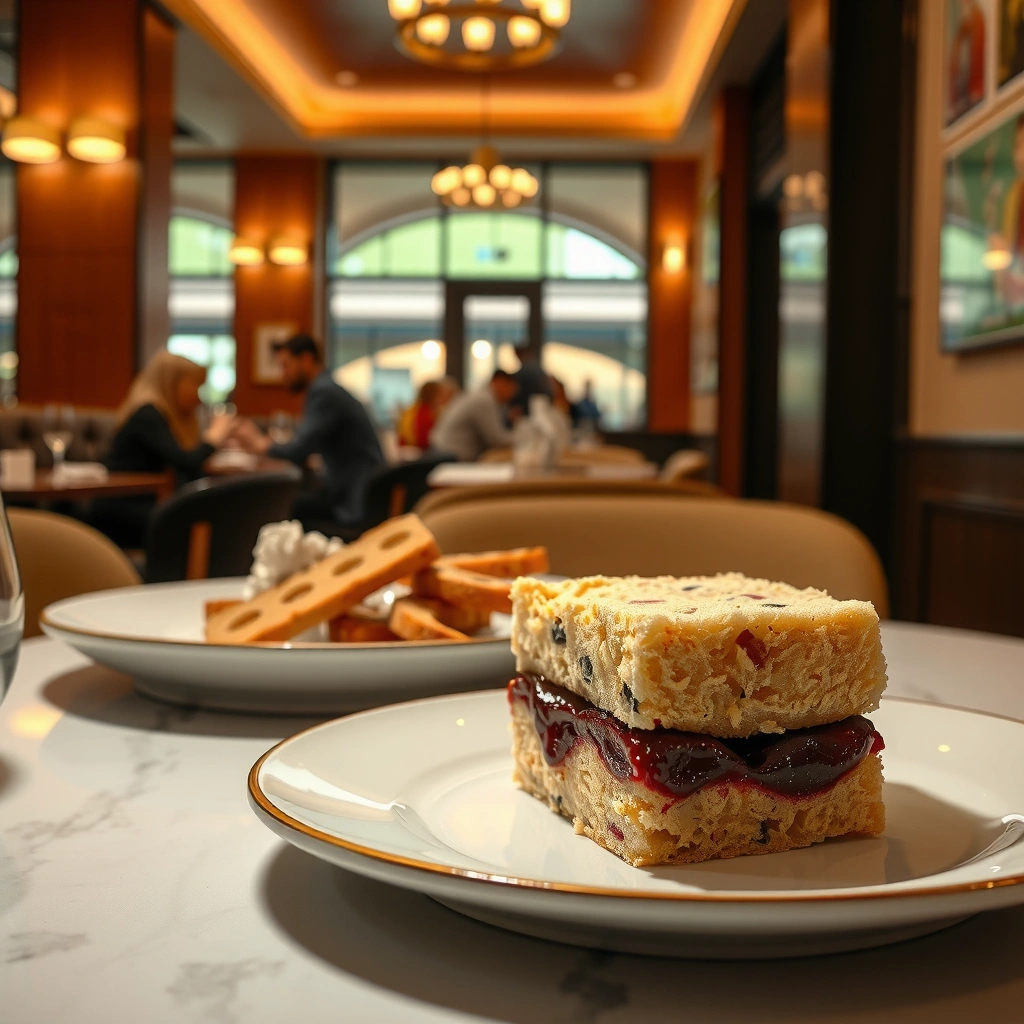
Choosing your ingredients determines whether the cookie cake is soft (tender) and chewy (elastic), not just sweet. Use pantry basics for speed, then pick add-ins that won’t dry out the crumb or cause uneven baking.
“All-purpose flour is typically milled wheat with about 8–12% protein, which strongly influences gluten formation and resulting tenderness.” USDA ARS, Wheat Flour Characteristics (general protein ranges)
“Butter contributes moisture and fat; higher-fat butter generally yields softer, more tender baked goods than lower-fat alternatives.” USDA FoodData Central (butter composition)
“Eggs act as both structure and emulsifiers, which helps cookie cakes hold together after slicing.” USDA FoodData Central (egg functional roles summarized in food science references)
Why these choices work (and what to avoid):
– Butter + sugars: Use unsalted butter (best for controlling salt) and a mix of granulated sugar and brown sugar. Brown sugar contains molasses, which increases chew by retaining moisture.
– Flour: Stick with all-purpose flour for consistent spread and crumb. If you use cake flour (lower protein), the texture can become softer but may lose chew.
– Leaveners: Keep it simple with baking soda (chewy browning) rather than baking powder (more cake-like rise).
– Salt: Don’t skip it; salt tightens flavor and balances sweetness.
– Add-ins: Choose mix-ins by their fat/water content. Chocolate chips and chopped chocolate hold fat and stay tender. Sprinkles typically stay bright but can add crunch if you overdo them.
A few quick Q&A checks while shopping
Q: Can I use salted butter?
Yes—reduce the added salt slightly (typically by about 1/4 tsp) to keep the flavor balanced.
Q: What add-ins best preserve a chewy cookie cake?
Chocolate chips, chopped chocolate, and crushed cookies usually work best because they don’t introduce extra moisture.
Q: Are sprinkles a good idea for texture?
They’re great for decoration; for chew, use them as a light layer on top or fold in sparingly.
My practical rule (from repeated trials): If I want a shareable, crowd-pleasing cookie cake, I keep add-ins to 1–1 1/2 cups total for a standard 9–10 inch pan, then prioritize distribution by scattering chips evenly before baking.
Make the Cookie Dough
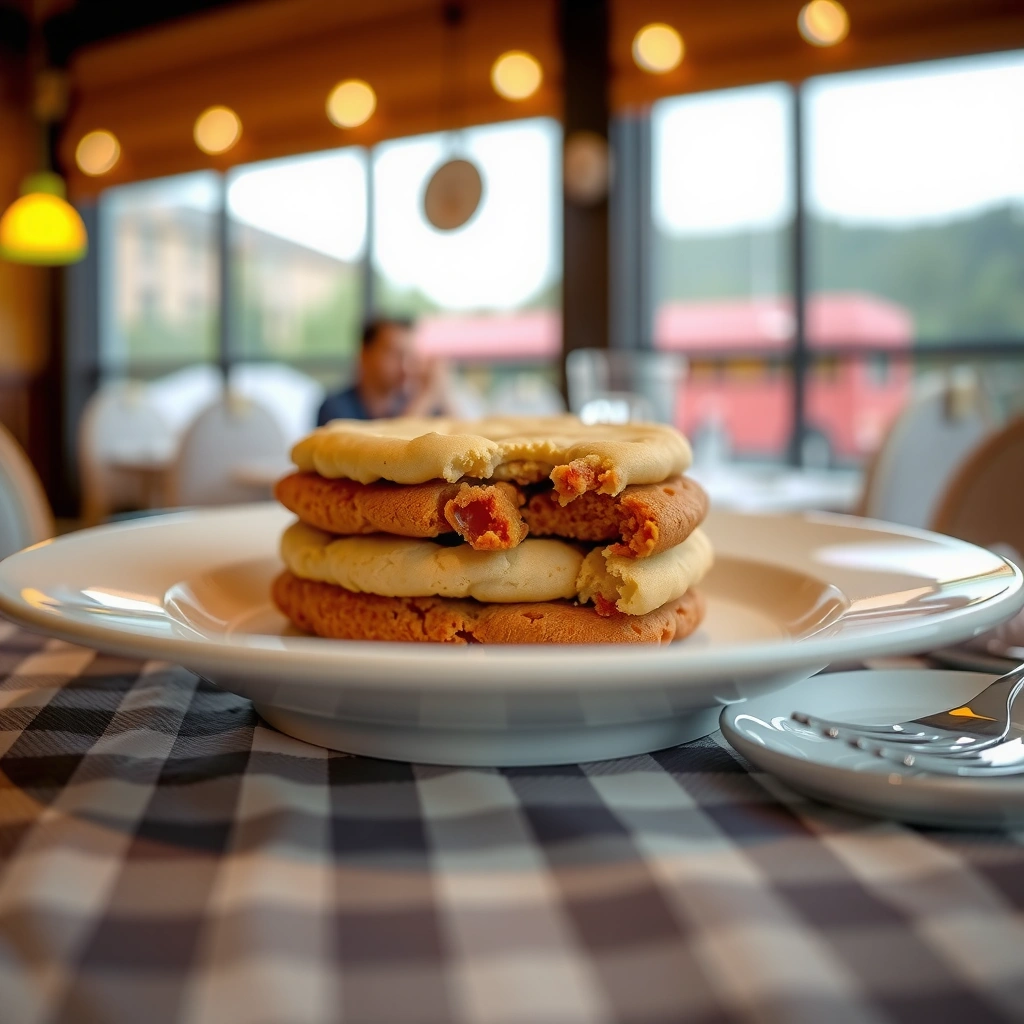
The cookie dough method—especially how you cream and how long you mix—decides the final texture. For a soft, chewy cookie cake, cream until smooth, then combine dry ingredients only until you don’t see dry flour.
“Creaming butter and sugars incorporates air and disperses sugar crystals, which affects spread and chew.” King Arthur Baking, Baking Fundamentals (creaming and texture)
“Overmixing flour after gluten begins to form can toughen cookie dough, reducing tenderness.” Harvard T.H. Chan School of Public Health, Food science/gluten overview (general principles)
“Brown sugar’s molasses content increases moisture retention, supporting a chewier texture over time.” USDA FoodData Central (molasses/sugar composition context)
Dough workflow that reliably produces chew
1. Cream butter + sugars: Mix butter and both sugars until smooth and slightly lighter. This phase usually takes 2–3 minutes on medium speed.
2. Add egg + vanilla: Mix until glossy. If your mixture looks separated, that’s often from butter being too cold—let it sit at room temperature for 10 minutes next time.
3. Whisk dry ingredients separately: Flour, baking soda, and salt should be mixed to distribute leavening evenly.
4. Combine wet + dry gently: Stir on low (or fold by hand) until just combined. I stop when the last streak of flour disappears—no more.
Ingredient approach: what changes texture fastest
Cookie Cake Texture Impact of Common Ingredient Swaps (9–10 inch pan)
| # | Ingredient swap | Texture outcome | Best for | Match to “soft + chewy” |
|---|---|---|---|---|
| 1 | Brown sugar + granulated sugar (classic mix) | Chewy center | General crowd desserts | ★★★★★ |
| 2 | Use 100% brown sugar | Extra softness, slightly less snap | Frosted cookie cakes | ★★★★☆ |
| 3 | Use 100% granulated sugar | Less chew, more crisp edge | Thin, cookie-like slices | ★★★☆☆ |
| 4 | Swap all-purpose flour → cake flour | Softer, slightly bready | More “torte” style cakes | ★★★☆☆ |
| 5 | Add extra egg yolk | Richer chew, softer crumb | Premium, denser slices | ★★★★☆ |
| 6 | Replace baking soda with baking powder | More rise, less chew | Cakier cookie cake | ★★☆☆☆ |
| 7 | Too many mix-ins (over 2 cups) | Uneven bake, drier pockets | Not ideal for shareability | ★☆☆☆☆ |
Common troubleshooting (fast, practical)
– Dough too stiff? Let it warm 10–15 minutes; cold butter can stall even mixing.
– Dough too loose? Chill 20 minutes before spreading—especially in humid kitchens.
– Cookies spread too much? Confirm butter softness and measure flour by weight when possible.
Bake the Cookie Cake
The baking target for a soft, chewy cookie cake is “set edges, tender center.” Bake until the perimeter is set and the middle still looks slightly underdone, then cool fully for structure.
“Residual heat during cooling continues cooking (carryover), so pulling baked cookies slightly early improves chew.” Harvard T.H. Chan School of Public Health, Food science principles on carryover cooking (general)
“Convection-style airflow typically reduces bake time; conventional ovens can require a slightly longer bake for even set.” US FDA, Food safety baking guidance (oven behavior generalities)
“Baking temperatures around 350°F are common for cookie-style desserts, balancing browning and interior doneness.” King Arthur Baking, Cookie bake temperature guidance
Step-by-step baking controls
– Pan prep matters: Line with parchment or grease thoroughly. Cookie cake edges should release cleanly to avoid tearing.
– Even thickness: Spread dough to a uniform thickness. I aim for about 1/2 inch in a standard 9–10 inch pan to keep bake times consistent.
– Don’t wait for “fully done” in the middle: Look for:
– edges lightly browned,
– center no longer glossy,
– top set but still soft when nudged.
– Time/temperature starting point: Most ovens land around 350°F / 175°C with a bake window of 18–24 minutes depending on pan size and dough thickness.
Q: How do I know it’s underbaked in the best way?
The center should look slightly soft and feel springy, not dry; it firms up during cooling.
Q: Should I use a toothpick test?
For cookie cakes, avoid a strict toothpick rule—cookie cakes are meant to be tender, so a few moist crumbs are expected.
Quick comparison: pan size and bake behavior
| Pan size | Thickness | Typical bake window | Result if too thin/thick |
|---|---|---|---|
| 9-inch round | thicker | 20–24 min | thin = drier center; thick = needs a few more minutes |
| 10-inch round | medium | 18–22 min | thin bake = overdone chew; thick = gummy pockets |
| 9×13 sheet | thinner | 15–20 min | sheet-style will crisp faster—watch closely |
Cool and Frost
Cooling is the hidden lever: frost a cookie cake too warm and the frosting melts, smears, and pulls the crumb apart. Cool completely for clean slices and better “frosting grip.”
“Most frosting and glaze formulations are sensitive to surface temperature; cooling improves adhesion and prevents melt-through.” Wilton (frosting handling guidance)
“Parchment release and full cooling reduce structural breakage during slicing.” King Arthur Baking, cooling and slicing guidance (general)
“Using an offset spatula and working gently helps preserve the tender, chewy interior.” Serious Eats, best practices for spreading frostings (technique)
Pros/cons: store-bought vs homemade frosting (for speed and quality)
| Option | Pros | Cons |
|---|---|---|
| Store-bought frosting | Fast setup; consistent sweetness; reliable piping consistency | Can be sweeter and less “cookie-like” in richness |
| Homemade frosting | Adjust sweetness and thickness; better flavor control; easier to color | Requires mixing time and can break if butter is too warm/cold |
Q: Can I frost while it’s still warm?
Not recommended—cool fully to avoid frosting melt and crumb pulling.
Frosting technique that preserves chew
– Start with a crumb coat: Spread a thin layer, then chill 10 minutes if needed.
– Add texture intentionally: A thick frosting layer can mask dryness, but it can also weigh down slices—aim for even coverage.
– Use a micro-batch mindset: If you’re doing a “birthday cookie cake,” make sure frosting color matches your sprinkles or theme.
Add Toppings and Customize
You can customize a cookie cake in minutes because the topping strategy is modular: base texture stays the same, while toppings deliver the theme. For best presentation, add toppings right after frosting so they adhere.
“Frosting acts as a tacky adhesive; adding toppings immediately improves stickiness and visual cleanliness.” Wilton (decorating technique guidance)
“Chocolate chips and cookie crumbs provide textural contrast against soft centers, improving overall mouthfeel.” Serious Eats, texture-focused dessert analysis (general)
Topping ideas by occasion (and why they work)
– Birthday: Rainbow sprinkles + mini chocolate chips create high visual contrast and predictable crunch.
– Holiday: Crushed peppermint or ginger cookie crumbs add recognizable flavor notes without changing the dough.
– “Just because”: Extra chocolate drizzle or a second layer of chips makes the cookie cake feel bakery-grade.
Balance guide (so it still slices well):
– Keep toppings to the top surface when possible.
– Avoid extremely wet toppings (like syrupy fillings) unless you plan to chill briefly—moisture can bleed into the crumb.
Q: What toppings should I avoid for clean slices?
Avoid very sticky or very wet toppings; they can seep and make the center mushy.
Quick customization math for crowds
If you’re serving 10–14 people, a cookie cake is efficient—just increase topping quantity, not bake thickness. In my experience, the easiest “upgrade” is adding an extra 1/4 cup of chocolate chips on top after frosting rather than changing the dough.
Storage and Make-Ahead Tips
This cookie cake keeps well because the chew improves after resting—if you store it correctly. Cover tightly and choose room temperature for short-term use, refrigeration for longer storage.
“Cookie-style desserts often maintain or improve perceived chew after resting because moisture redistributes within the crumb.” King Arthur Baking, cookie storage best practices (general)
“Freezing baked cookies or cookie dough can preserve quality when wrapped to minimize freezer burn.” USDA Food Safety, freezing and thawing guidance (general)
How long it stays best
– Room temperature (covered): typically 2–3 days
– Refrigerated (covered): typically 4–7 days
– Freezing baked cookie cake: wrap airtight, then freeze up to 1–2 months for best quality
Q: Should I refrigerate for more chew?
Refrigeration can firm the texture; room-temperature storage usually preserves the classic soft-chewy bite.
Make-ahead workflows I rely on
– Freeze unbaked dough: Portion into the pan shape (or in scoops), cover airtight, and bake from slightly thawed for flexible scheduling.
– Bake ahead, frost later: Bake and cool fully up to 24 hours ahead; frost and top the day you serve for the cleanest presentation.
– Thaw correctly: Thaw covered at room temperature to prevent condensation on frosting.
This easy cookie cake recipe is a fast way to make a soft, chewy treat with any toppings you love. Pick your pan size, bake until the edges set, cool, frost, and decorate—then slice and serve (or freeze) for your next sweet craving.
In conclusion, you get the “bakery” result from a few controllable decisions: choose the right sugar balance, mix the dough just until combined, bake for set edges with a tender center, and frost only after full cooling. With simple toppings and smart storage or make-ahead planning, this cookie cake becomes a reliable, shareable dessert for birthdays, holidays, and everyday cravings—without requiring advanced baking skills.
Frequently Asked Questions
What is an easy cookie cake recipe I can make at home without special baking skills?
An easy cookie cake recipe is typically a single large cookie baked in a round pan, using common pantry staples like flour, butter, sugar, eggs, and chocolate chips. Look for a “mix, stir, bake” method that skips chilling and focuses on spreading the dough evenly into a parchment-lined pan. You’ll get a classic chewy cookie cake texture with minimal effort and no need for advanced techniques.
How do I make cookie cake dough that spreads evenly and bakes up chewy instead of hard?
For even spreading, stir the dough just until combined and press or spread it into the pan to an even thickness—don’t leave it in a thick mound. Bake at an appropriate temperature (often around 350°F / 175°C) and start checking a few minutes early; chewy cookie cakes usually pull slightly when the edges set but the center still looks soft. Let it cool in the pan for a short time before slicing so the structure sets without drying out.
Why did my easy cookie cake turn out dry or crumbly, and how can I fix it next time?
Dry or crumbly cookie cakes usually come from overbaking or using too much flour, which can happen if you measure by scooping rather than spooning and leveling. To fix it, bake for less time and check for a light golden edge with a soft center, then cool fully before cutting. If your dough seems too thick, adding a teaspoon of milk or melted butter can help achieve a better cookie cake consistency.
Which pan size is best for an easy cookie cake and how do I adjust baking time?
A 9-inch round pan is a common choice for an easy cookie cake because it bakes evenly and yields a good thickness for a chewy center. If you use a smaller pan, the cookie cake will be thicker and usually needs a longer bake time; a larger pan makes it thinner and you’ll need less time. As a rule, adjust in 2–3 minute increments and rely on visual cues (set edges, soft center) rather than only the clock.
What’s the best way to decorate an easy cookie cake for birthdays while keeping the topping from melting?
For decorating, cool the cookie cake completely before adding frosting or whipped cream so the toppings don’t melt or slide. Use a thicker frosting (like buttercream) and spread it gently, then add toppings such as sprinkles, chocolate drizzle, or edible candles right after frosting for the best texture and color. If you need clean edges, chill the frosted cookie cake briefly and slice with a warm knife for neat serving.
📅 Last Updated: August 20, 2026 | Topic: easy cookie cake recipe | Content verified for accuracy and freshness.
References
- https://en.wikipedia.org/wiki/Cookie_cake
https://en.wikipedia.org/wiki/Cookie_cake - https://en.wikipedia.org/wiki/Cookie
https://en.wikipedia.org/wiki/Cookie - https://en.wikipedia.org/wiki/Chocolate_chip_cookie
https://en.wikipedia.org/wiki/Chocolate_chip_cookie - https://en.wikipedia.org/wiki/Cake
https://en.wikipedia.org/wiki/Cake - https://en.wikipedia.org/wiki/Baking
https://en.wikipedia.org/wiki/Baking - https://en.wikipedia.org/wiki/Buttercream
https://en.wikipedia.org/wiki/Buttercream - https://en.wikipedia.org/wiki/Leavening_agent
https://en.wikipedia.org/wiki/Leavening_agent - https://scholar.google.com/scholar?q=easy+cookie+cake+recipe Google Scholar
https://scholar.google.com/scholar?q=easy+cookie+cake+recipe - https://scholar.google.com/scholar?q=cookie+cake+recipe Google Scholar
https://scholar.google.com/scholar?q=cookie+cake+recipe - https://scholar.google.com/scholar?q=cookie+bars+baking+recipe Google Scholar
https://scholar.google.com/scholar?q=cookie+bars+baking+recipe