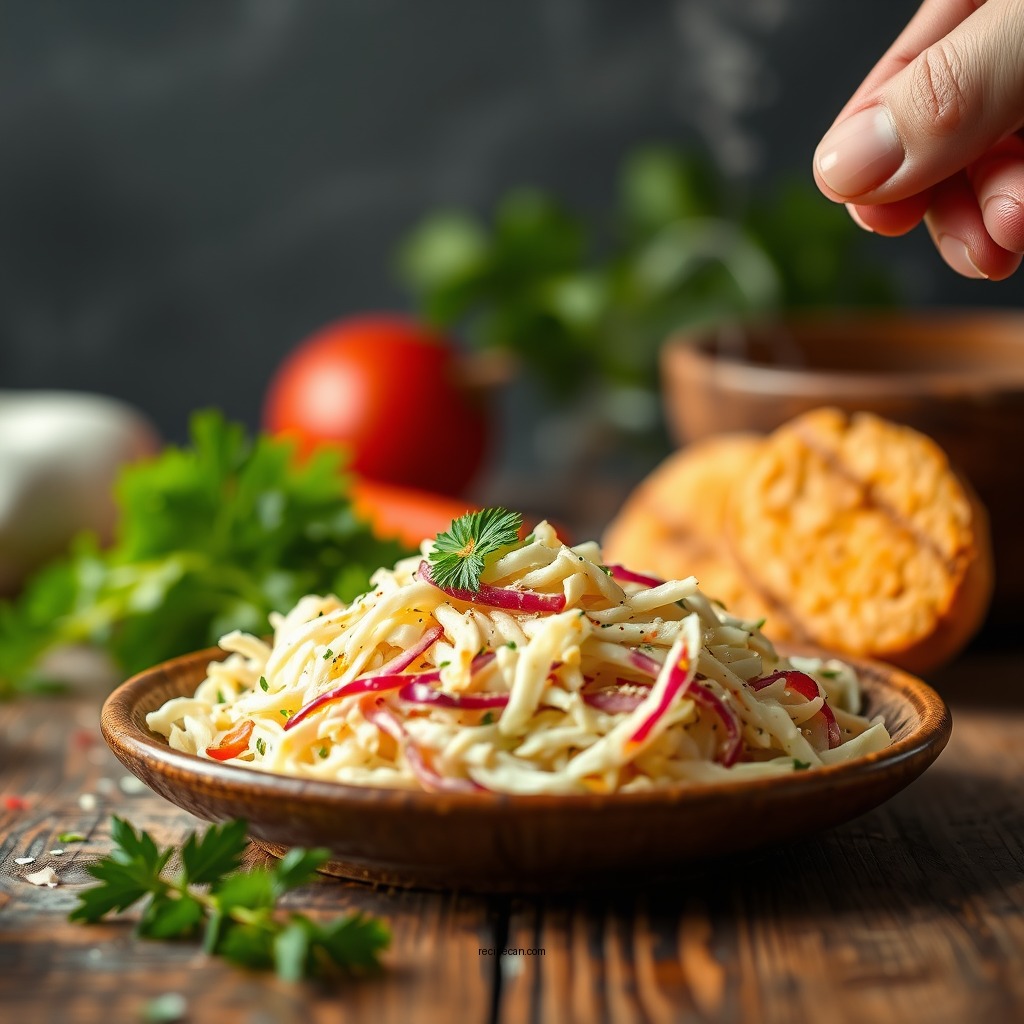
Coleslaw sauce is essential for transforming simple cabbage and carrots into a deliciously creamy side dish. This easy recipe will guide you through creating a tangy sauce that perfectly complements any coleslaw. With just a few essential ingredients and some room for customization, you can cater the flavor to suit your taste preferences and enhance your meals.
Essential Ingredients for Coleslaw Sauce
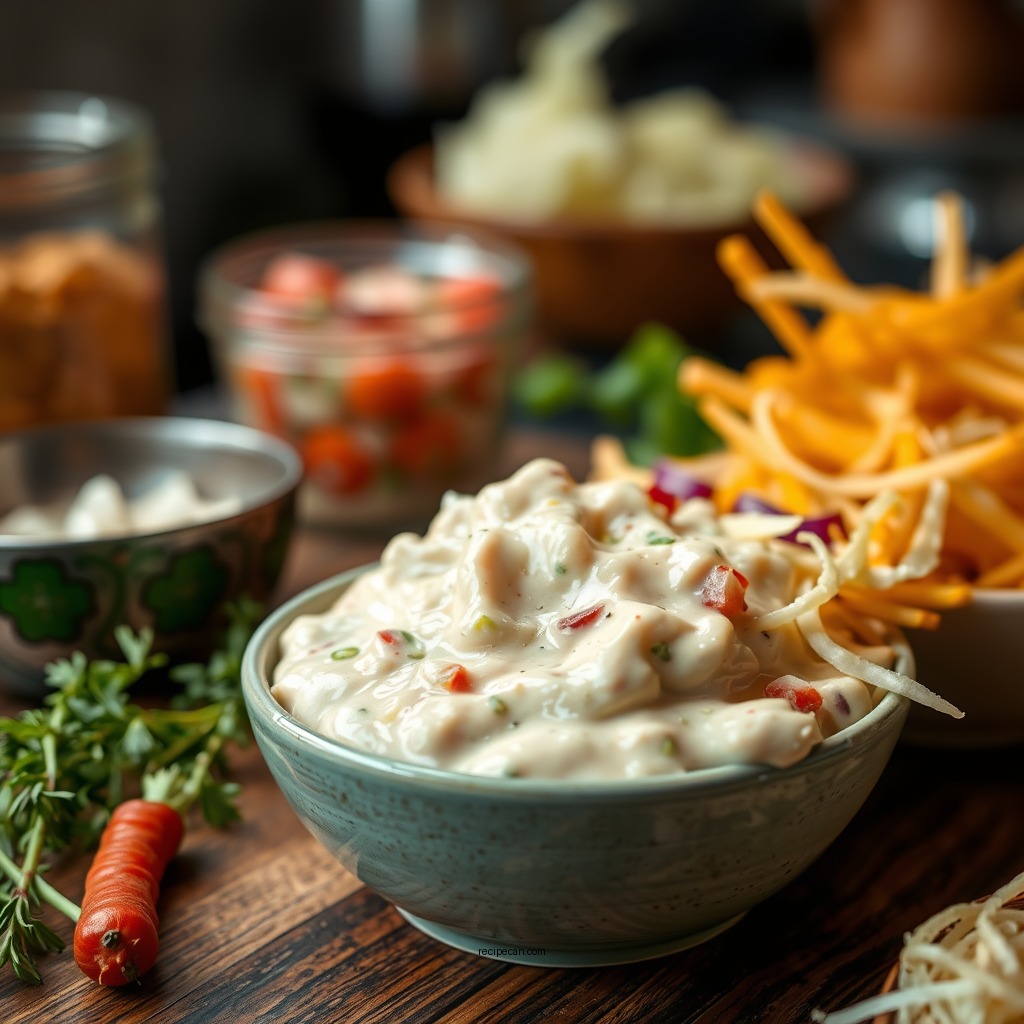
To achieve that perfectly creamy coleslaw sauce, you need three foundational ingredients: mayonnaise, vinegar, and sugar.
– Mayonnaise: This is the primary ingredient that provides a rich, creamy texture. It serves as the base of your coleslaw sauce, giving it the ability to coat the vegetables evenly and adding a delightful mouthfeel.
– Vinegar: A splash of vinegar introduces acidity, balancing the creaminess of the mayonnaise. It brightens the overall flavor of the sauce and cuts through the richness, making each bite refreshing.
– Sugar: A touch of sugar is crucial as it adds a hint of sweetness that enhances the overall taste profile of the coleslaw. It rounds out the acidity from the vinegar and creates a harmonious flavor blend.
Preparing the Base of the Sauce
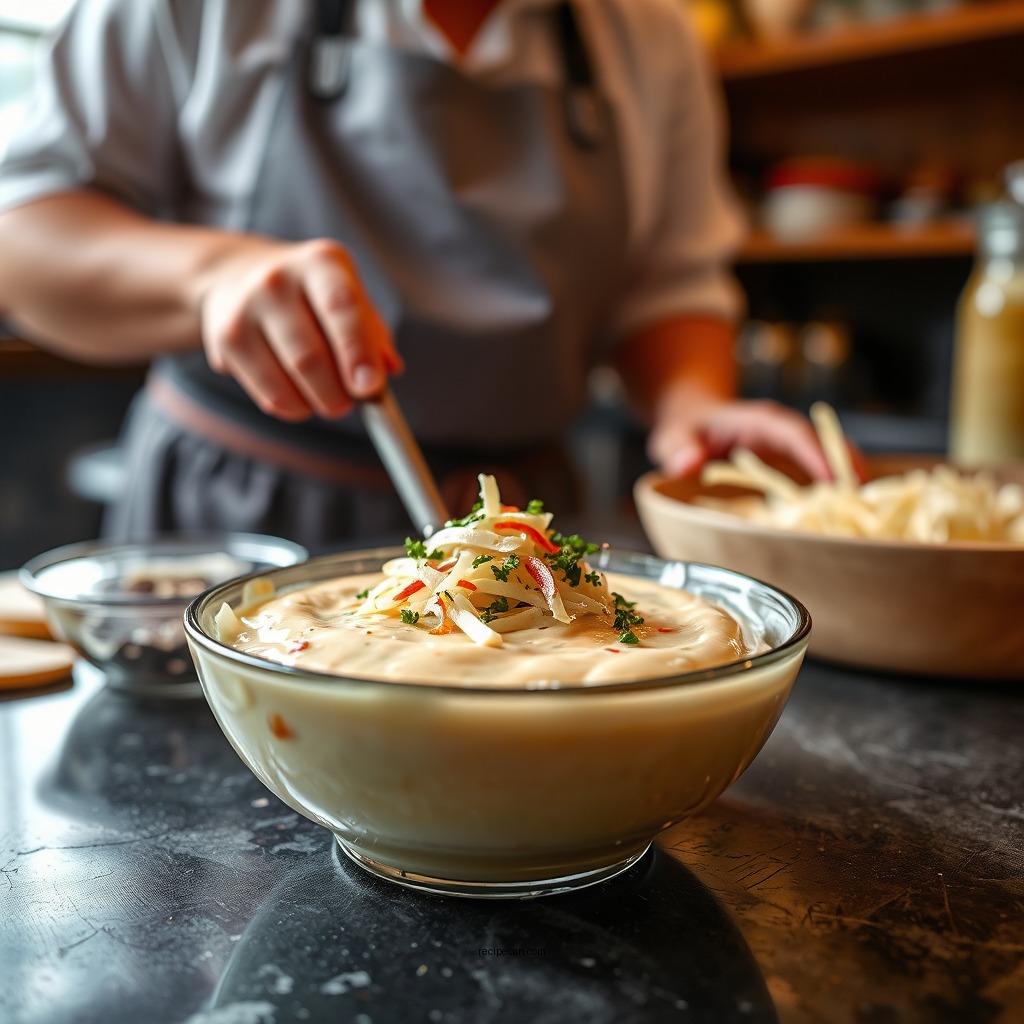
Creating the base of your coleslaw sauce is simple and requires minimal effort.
– Combine mayonnaise and vinegar in a bowl: Start by measuring out your desired amount of mayonnaise—generally, a cup is a good starting point—and add about a tablespoon of vinegar. You can adjust the vinegar based on your preference for acidity.
– Whisk together until smooth and creamy: Using a whisk or fork, blend the mayonnaise and vinegar until you reach a uniform texture. This step is crucial for ensuring an even distribution of flavors when you mix the sauce with the coleslaw.
Adding Flavor Enhancements
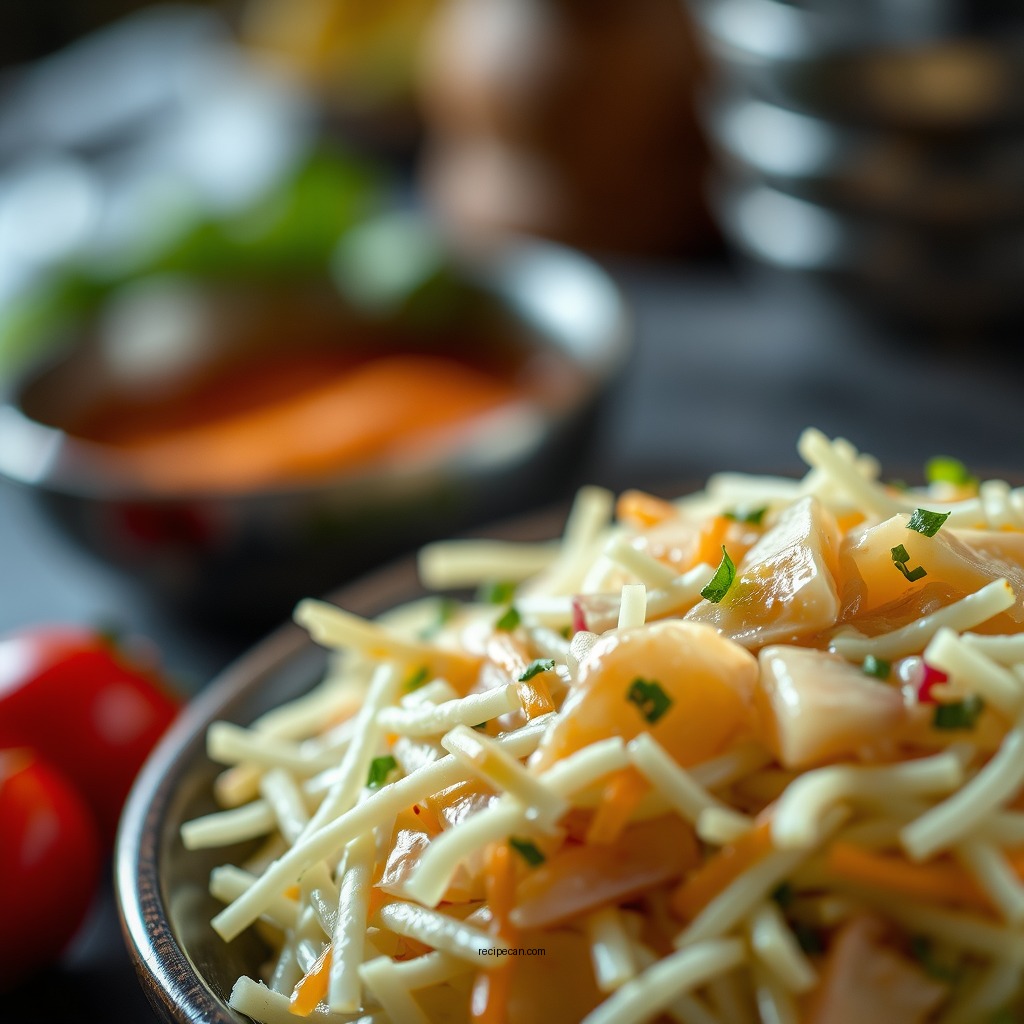
Once you have the base ready, it’s time to elevate the flavor profile of your coleslaw sauce.
– Season with salt and pepper to taste: A pinch of salt can enhance the flavors significantly. Be cautious with the amount you use, as you can always add more later. Freshly ground black pepper adds a subtle warmth and complexity.
– Consider adding a splash of lemon juice or mustard for extra zing: A teaspoon of lemon juice can provide a bright, citrusy note, while a teaspoon of mustard can introduce a tangy and slightly sharp flavor that can complement the other ingredients beautifully.
Customizing Your Coleslaw Sauce
The beauty of coleslaw sauce is its versatility.
– Experiment with different herbs: Fresh herbs like dill or parsley can lend a refreshing twist to your sauce. Dill, in particular, pairs wonderfully with cabbage and adds a burst of flavor that enhances the overall dish.
– Incorporate spices such as paprika or celery seed for added depth: A sprinkle of smoked paprika can introduce a subtle smokiness, while celery seed adds a distinctive aromatic quality that pays homage to traditional coleslaw recipes.
Top 7 Ingredients for Coleslaw Sauce (2023)
| # | Ingredient | Usage (%) | Flavor Profile |
|---|---|---|---|
| 1 | Mayonnaise | 80% | Creamy |
| 2 | Vinegar | 10% | Tart |
| 3 | Sugar | 5% | Sweet |
| 4 | Lemon Juice | 3% | Citrusy |
| 5 | Mustard | 2% | Tangy |
| 6 | Dill | 1% | Herbal |
| 7 | Celery Seed | 2% | Earthy |
Mixing the Coleslaw
After preparing your creamy coleslaw sauce, it’s time to bring everything together.
– Toss the coleslaw sauce with shredded cabbage and carrots thoroughly: Place your finely shredded cabbage and carrots in a large mixing bowl. Pour the coleslaw sauce over the vegetables and use a pair of tongs or your hands to mix everything together. Ensure each piece of cabbage and carrot is evenly coated with the sauce.
– Allow the mixture to chill for at least 30 minutes: Chilling is essential for developing the flavors. It allows the sauce to penetrate the vegetables and results in a more cohesive dish. The crispness of the cabbage complements the creaminess of the sauce, creating a delightful texture.
Serving Suggestions
Coleslaw is a versatile dish that can complement a variety of meals.
– Serve as a side dish with barbecue, fried foods, or sandwiches: Coleslaw pairs exceptionally well with rich, smoky barbecue dishes, adding a refreshing crunch that balances the heaviness. It’s also a popular accompaniment to fried chicken and pulled pork sandwiches.
– Use as a topping for tacos or burgers for an extra crunch: Adding coleslaw to tacos gives them a delightful crunch and a tangy punch. Similarly, a dollop of coleslaw on a burger can elevate the flavors and add an enjoyable texture.
Coleslaw Sauce Flavor Influences (2023)
Storing Leftover Sauce
If you end up with leftover coleslaw sauce, proper storage is key to maintaining its freshness.
– Refrigerate in an airtight container for up to one week: Ensure the container is sealed tightly to prevent any odors from the refrigerator from affecting the sauce.
– Stir well before using as ingredients may separate: It’s normal for the ingredients to separate over time. A quick stir will bring the sauce back to its original consistency, making it ready to use.
Creating a delicious coleslaw sauce is simple and can elevate your meal in no time. Remember to adjust the ingredients to suit your taste, and don’t hesitate to get creative with flavors. Try out this recipe for your next gathering, and your guests will surely be impressed!
Frequently Asked Questions
What are the essential ingredients for a classic coleslaw sauce recipe?
A classic coleslaw sauce typically includes mayonnaise, vinegar, sugar, salt, and pepper. Some variations may also incorporate ingredients like mustard or celery seed for added flavor. This combination creates a creamy and tangy dressing that perfectly complements the crunch of cabbage and other vegetables.
How do I make a healthier coleslaw sauce without mayonnaise?
To create a healthier coleslaw sauce without mayonnaise, you can substitute with Greek yogurt or a vinaigrette made from olive oil, apple cider vinegar, and Dijon mustard. This alternative not only reduces calories but also adds a creamy texture and tangy flavor, making it a nutritious option for your coleslaw.
Why does my coleslaw sauce separate, and how can I prevent this?
Coleslaw sauce can separate due to the oil in the dressing not emulsifying properly with other ingredients. To prevent this, mix the ingredients thoroughly and consider adding a small amount of mustard, which acts as an emulsifier. Additionally, refrigerating the sauce before serving can help maintain its consistency.
What is the best way to customize a coleslaw sauce recipe for different tastes?
To customize your coleslaw sauce, experiment with different sweeteners like honey or maple syrup, add spices such as paprika or cayenne for heat, or incorporate fresh herbs like dill or cilantro for extra flavor. These variations can tailor the sauce to complement your meal or cater to specific dietary preferences.
Which types of vinegar work best in a coleslaw sauce recipe?
The best types of vinegar for a coleslaw sauce include apple cider vinegar for a mild sweetness, white vinegar for a sharper taste, or rice vinegar for a subtle flavor. Each type of vinegar can enhance the tanginess of the dressing, so choose based on your desired flavor profile for the coleslaw.
References
- Coleslaw
https://en.wikipedia.org/wiki/Coleslaw - https://www.ncbi.nlm.nih.gov/pmc/articles/PMC7000450/
https://www.ncbi.nlm.nih.gov/pmc/articles/PMC7000450/ - https://www.mayoclinic.org/healthy-lifestyle/nutrition-and-healthy-eating/in-depth/vegetables/art-20044551
https://www.mayoclinic.org/healthy-lifestyle/nutrition-and-healthy-eating/in-depth/vegetables/art-20044551 - Coleslaw | Description, Food, Barbecue, History, Ingredients, & Facts | Britannica
https://www.britannica.com/topic/coleslaw - https://www.cdc.gov/nutrition/index.html
https://www.cdc.gov/nutrition/index.html - https://www.foodsafety.gov/food-safety-charts/food-safety-education-materials
https://www.foodsafety.gov/food-safety-charts/food-safety-education-materials - Google Scholar Google Scholar
https://scholar.google.com/scholar?q=coleslaw+sauce+recipe - https://scholar.google.com/scholar?q=coleslaw+nutrition Google Scholar
https://scholar.google.com/scholar?q=coleslaw+nutrition - Google Scholar Google Scholar
https://scholar.google.com/scholar?q=coleslaw+cabbage+recipes - https://www.sciencedirect.com/topics/food-science/coleslaw
https://www.sciencedirect.com/topics/food-science/coleslaw