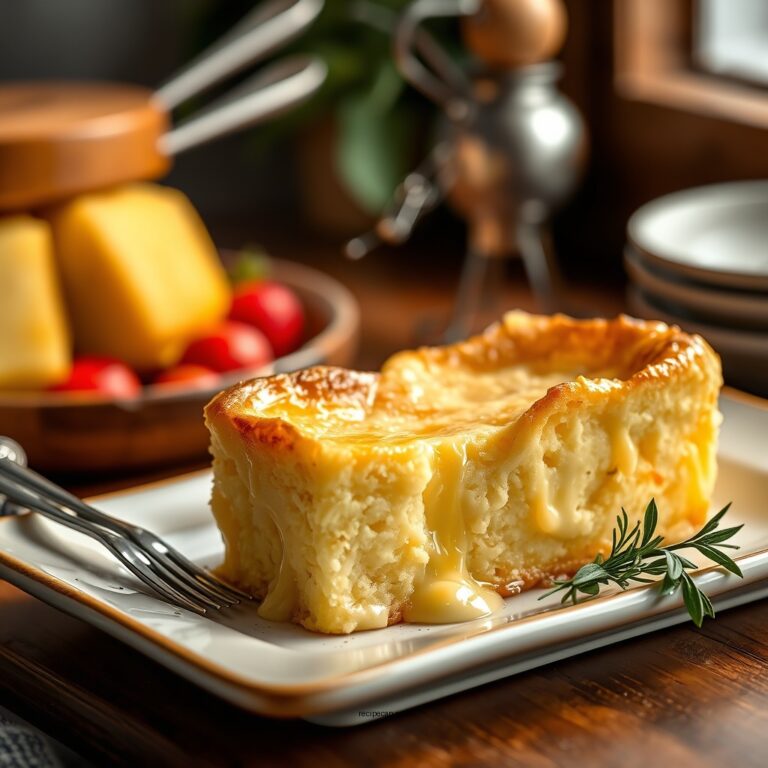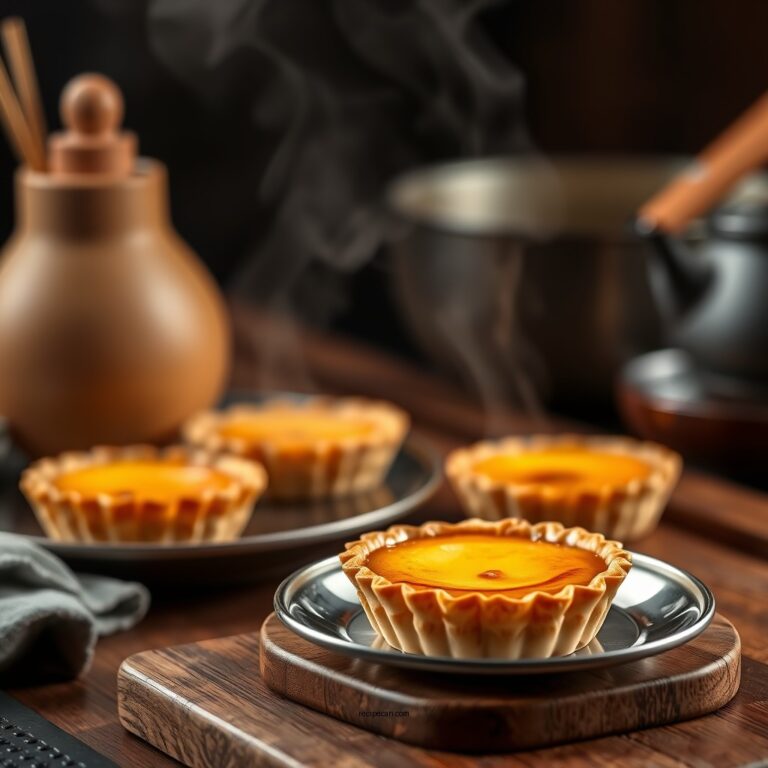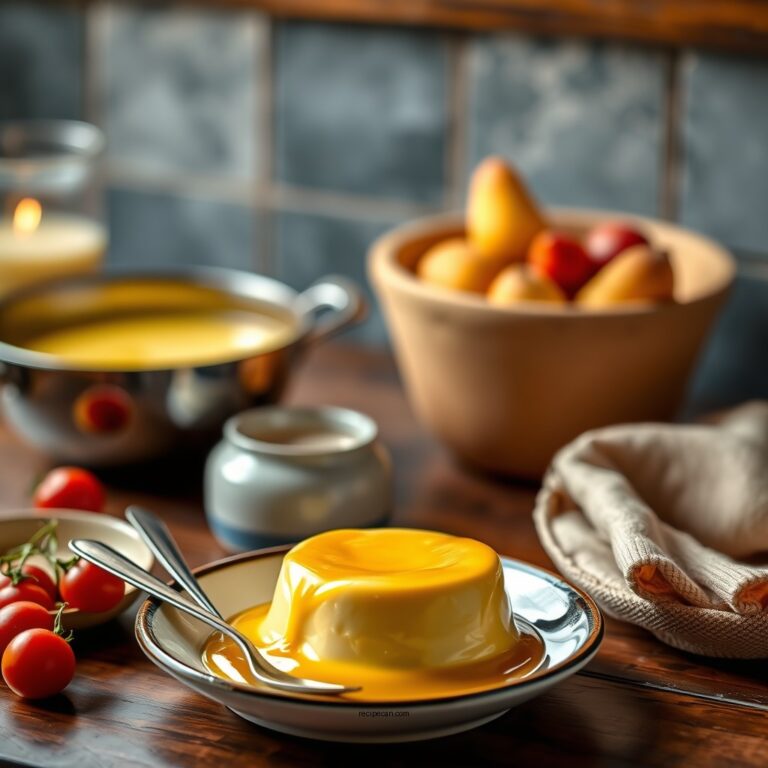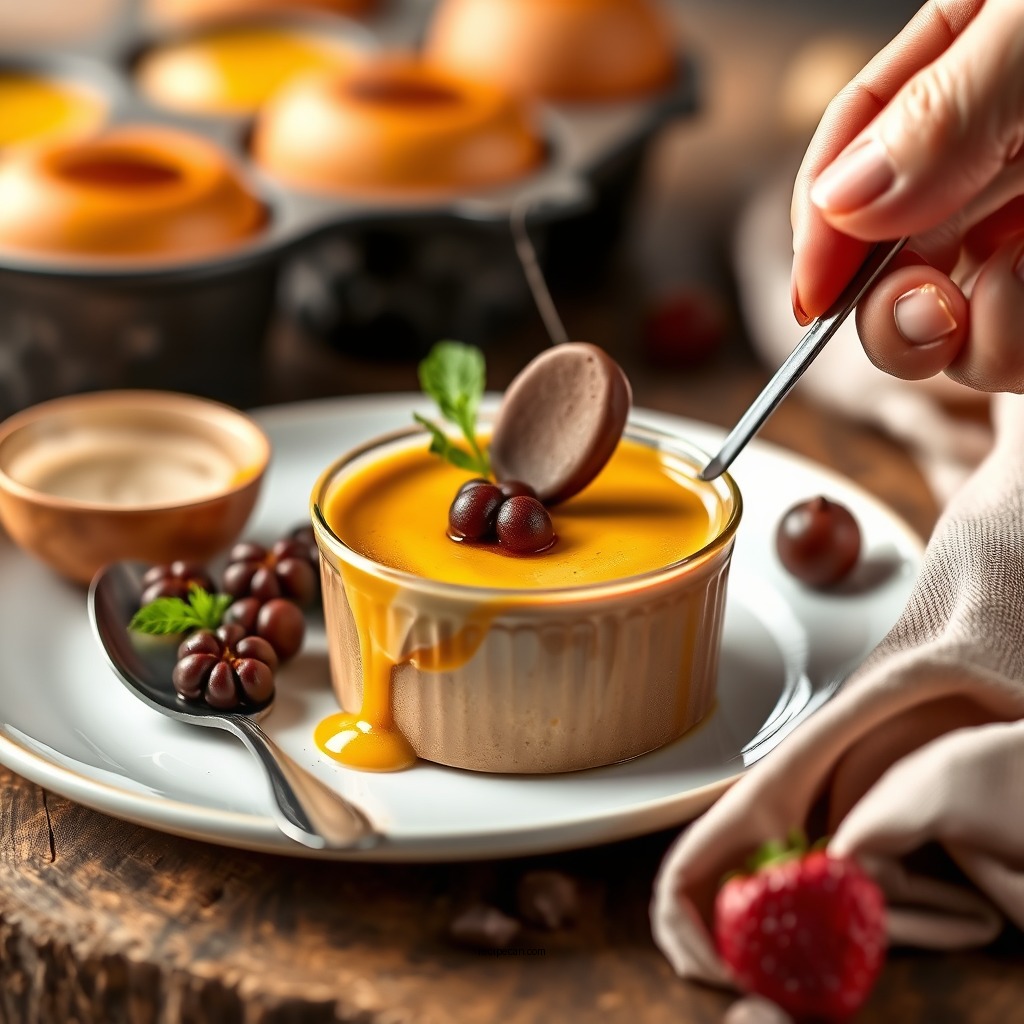
Indulging in a rich and creamy chocolate egg custard is easier than you think! This delightful dessert combines the smooth texture of custard with the decadent flavor of chocolate, making it a perfect treat for any occasion. In this article, you’ll learn how to create this delicious dessert step-by-step, along with tips to enhance your custard-making skills. Whether you’re a novice in the kitchen or an experienced baker looking for a new recipe to impress, this easy chocolate egg custard will satisfy your sweet cravings.
Ingredients Needed for Chocolate Egg Custard
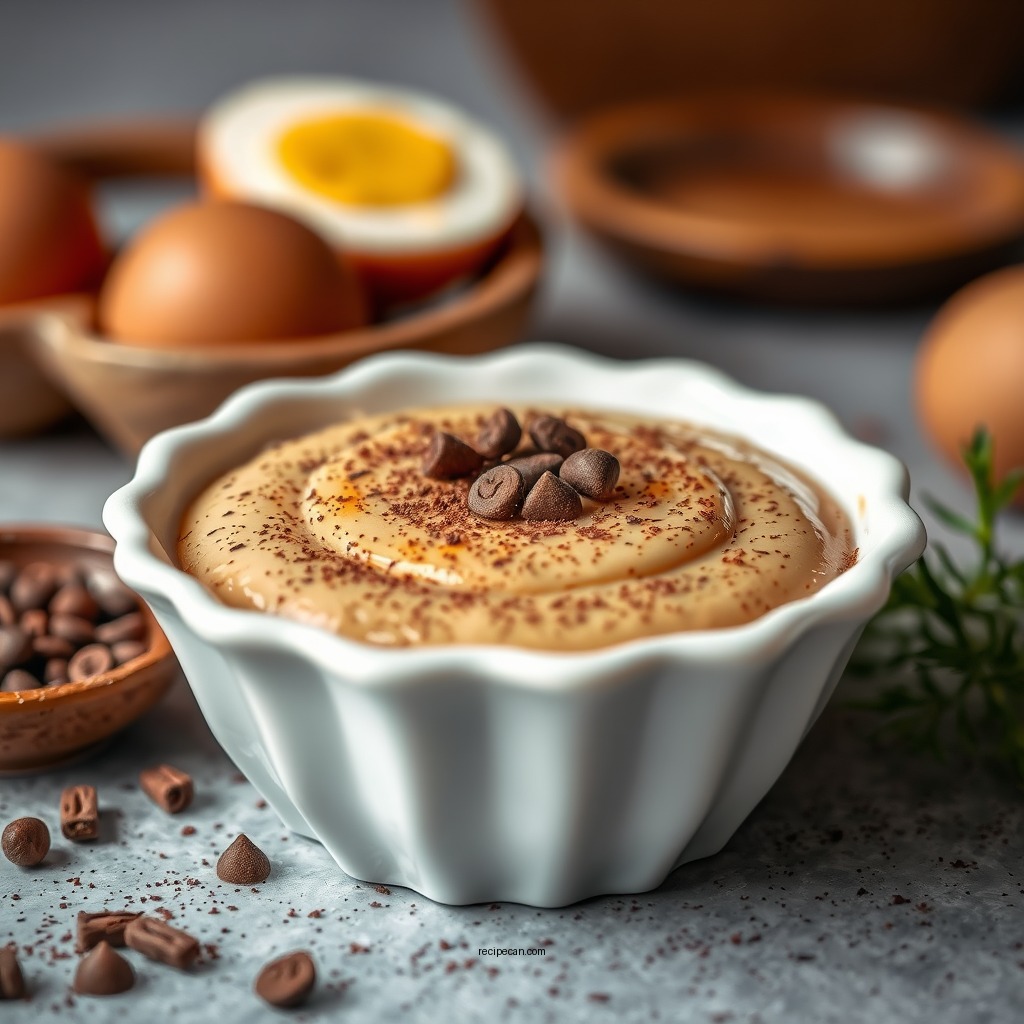
To create a luscious chocolate egg custard, you will need a variety of essential ingredients. Here’s a detailed list to get you started:
– Eggs: 3 large eggs are essential for providing structure and richness.
– Milk: 2 cups of whole milk adds creaminess and balances the chocolate flavor.
– Sugar: ½ cup granulated sugar helps sweeten the custard and balances the bitterness of the cocoa.
– Cocoa Powder: ½ cup unsweetened cocoa powder is the star ingredient that imparts that deep chocolate flavor.
– Salt: A pinch of salt enhances the overall flavor profile.
– Vanilla Extract: 1 teaspoon of pure vanilla extract (optional but highly recommended) adds depth and aroma.
– Chocolate Chips: ½ cup of semi-sweet chocolate chips can be added for an extra chocolatey bite.
Feel free to customize this recipe by adding optional ingredients such as a splash of espresso for a mocha twist or a sprinkle of cinnamon for an aromatic touch. These variations can elevate the flavor profile and make each custard unique.
Step-by-Step Preparation Guide

Making chocolate egg custard can be broken down into simple steps. Follow these instructions for a successful outcome:
1. Preheat the Oven: Begin by preheating your oven to 325°F (160°C). This temperature will ensure gentle cooking.
2. Mix the Ingredients: In a mixing bowl, whisk together the eggs and sugar until light and frothy. Gradually add the milk, cocoa powder, salt, and vanilla extract, mixing well until all ingredients are fully combined and smooth.
3. Add Chocolate Chips: If you’re using chocolate chips, gently fold them into the mixture at this stage. This will allow them to melt during baking, creating pockets of gooey chocolate.
4. Strain the Mixture: For an ultra-smooth custard, strain the mixture through a fine mesh sieve into a large measuring cup or bowl. This step helps remove any lumps from the cocoa powder or cooked egg bits.
5. Prepare the Baking Dish: Pour the custard mixture into ramekins or a baking dish, ensuring they are evenly filled.
Cooking Techniques for Perfect Custard

There are two primary methods for cooking custard: the double boiler method and direct stovetop cooking.
Double Boiler Method
Using a double boiler allows for gentle cooking, reducing the risk of curdling the eggs. Fill the bottom pot with water and bring it to a simmer. Place your custard mixture in the top pot and stir continuously until it thickens, which usually takes about 10-15 minutes.
Direct Stovetop Cooking
If you prefer a faster method, you can cook the custard directly on the stovetop. Use a medium heat setting and stir constantly to prevent the eggs from scrambling. Aim to achieve a custard that coats the back of a spoon — this indicates it has thickened properly.
Tip: Always keep stirring! This is crucial to prevent the eggs from curdling, ensuring a silky-smooth custard.
Chocolate Egg Custard Ingredient Breakdown
| # | Ingredient | Amount | Calories (approx.) |
|---|---|---|---|
| 1 | Eggs | 3 large | 210 |
| 2 | Whole Milk | 2 cups | 300 |
| 3 | Sugar | ½ cup | 400 |
| 4 | Cocoa Powder | ½ cup | 100 |
| 5 | Salt | Pinch | 0 |
| 6 | Vanilla Extract | 1 tsp | 12 |
| 7 | Chocolate Chips | ½ cup | 400 |
Baking and Cooling Process
Once you’ve prepared the custard mixture, it’s time to bake it to perfection:
– Baking Temperature: Place the filled ramekins in a baking dish filled with hot water, creating a water bath. This method helps cook the custard evenly. Bake in the preheated oven for about 30-35 minutes until the custard is just set but still slightly jiggly in the center.
– Cooling: After baking, remove the ramekins from the water bath and allow them to cool at room temperature for about 10 minutes. Then, transfer them to the refrigerator and chill for at least 2 hours before serving. This cooling period helps the custard firm up and enhances its flavor.
Serving Suggestions and Variations
Your chocolate egg custard is versatile and can be served in various delightful ways. Here are some suggestions:
1. Garnishing: Top each serving with a dollop of freshly whipped cream, a sprinkle of cocoa powder, or shaved chocolate. Fresh berries such as raspberries or strawberries also add a refreshing contrast to the rich custard.
2. Flavor Variations: Experiment with different flavors by adding a teaspoon of peppermint extract for a minty twist, or replace the cocoa powder with matcha powder for a unique green tea custard.
3. Layered Desserts: Consider layering the custard with crushed cookies or cake for a more elaborate dessert presentation.
Common Mistakes to Avoid
When making chocolate egg custard, there are several common pitfalls to watch out for:
– Overcooking: Custards can curdle if overcooked. Always keep a close eye on the baking time and test for doneness. The custard should be set but still jiggle slightly in the center.
– Not Stirring Enough: During the cooking phase, inadequate stirring can lead to uneven cooking and curdled bits. Stir continuously, especially when cooking on the stovetop.
– Skipping the Straining Step: Not straining the mixture can result in a grainy texture. Always strain to ensure smoothness.
– Incorrect Oven Temperature: Using an oven that is too hot can cook the custard too quickly, leading to a compromised texture. Using an oven thermometer can help ensure accuracy.
If your custard doesn’t set properly, it may be due to undercooking. Place it back in the oven for a few more minutes, and it should firm up.
Chocolate Egg Custard Cooking Techniques Effectiveness
Your chocolate egg custard is now ready to impress! This recipe is not just straightforward but also allows for creativity in serving and flavoring. Share this delightful dessert with family and friends or keep it all to yourself for a sweet treat anytime you desire! Enjoy the rich, chocolatey goodness of this custard, and don’t hesitate to explore variations that suit your taste preferences. Happy baking!
Frequently Asked Questions
What are the key ingredients for a chocolate egg custard recipe?
The key ingredients for a chocolate egg custard recipe typically include eggs, milk or cream, sugar, cocoa powder or melted chocolate, and vanilla extract. These ingredients combine to create a rich and creamy custard base that highlights the chocolate flavor, making it a delicious dessert choice.
How do I ensure my chocolate egg custard sets properly?
To ensure your chocolate egg custard sets properly, it’s important to gently heat the mixture over a water bath or double boiler, stirring continuously to avoid curdling. Additionally, tempering the eggs by slowly adding the hot mixture to them before combining can help prevent scrambling and achieve a smooth custard texture.
Why is my chocolate egg custard grainy, and how can I fix it?
A grainy texture in chocolate egg custard is often caused by overheating the mixture or not properly tempering the eggs. To fix it, you can strain the custard through a fine-mesh sieve to remove any lumps, or you can blend it to achieve a smoother consistency before chilling.
What is the best way to serve chocolate egg custard?
The best way to serve chocolate egg custard is chilled, either in individual ramekins or as a larger dish. You can enhance the presentation by garnishing it with whipped cream, chocolate shavings, or fresh berries, adding both visual appeal and complementary flavors to your dessert.
Which chocolate works best for a chocolate egg custard recipe?
For a chocolate egg custard recipe, high-quality semi-sweet or dark chocolate is recommended as it provides a deep, rich flavor without being overly sweet. Cocoa powder can also be used for a lighter custard, but using real chocolate offers a creamier texture and enhanced taste in the final dessert.
References
- Custard
https://en.wikipedia.org/wiki/Custard - https://www.sciencedirect.com/topics/agricultural-and-biological-sciences/chocolate
https://www.sciencedirect.com/topics/agricultural-and-biological-sciences/chocolate - https://www.ncbi.nlm.nih.gov/pmc/articles/PMC6368227/
https://www.ncbi.nlm.nih.gov/pmc/articles/PMC6368227/ - NYT Cooking – Recipes and Cooking Guides From The New York Times
https://www.nytimes.com/recipes/1019316/chocolate-custard - https://www.theguardian.com/food/2020/jun/09/chocolate-custard-recipe
https://www.theguardian.com/food/2020/jun/09/chocolate-custard-recipe - Google Scholar Google Scholar
https://scholar.google.com/scholar?q=chocolate+egg+custard+recipe - Google Scholar Google Scholar
https://scholar.google.com/scholar?q=chocolate+custard - Google Scholar Google Scholar
https://scholar.google.com/scholar?q=custard+recipes - https://www.britannica.com/topic/custard-dessert
https://www.britannica.com/topic/custard-dessert - chocolate egg custard recipe – Search results
https://en.wikipedia.org/wiki/Special:Search?search=chocolate+egg+custard+recipe