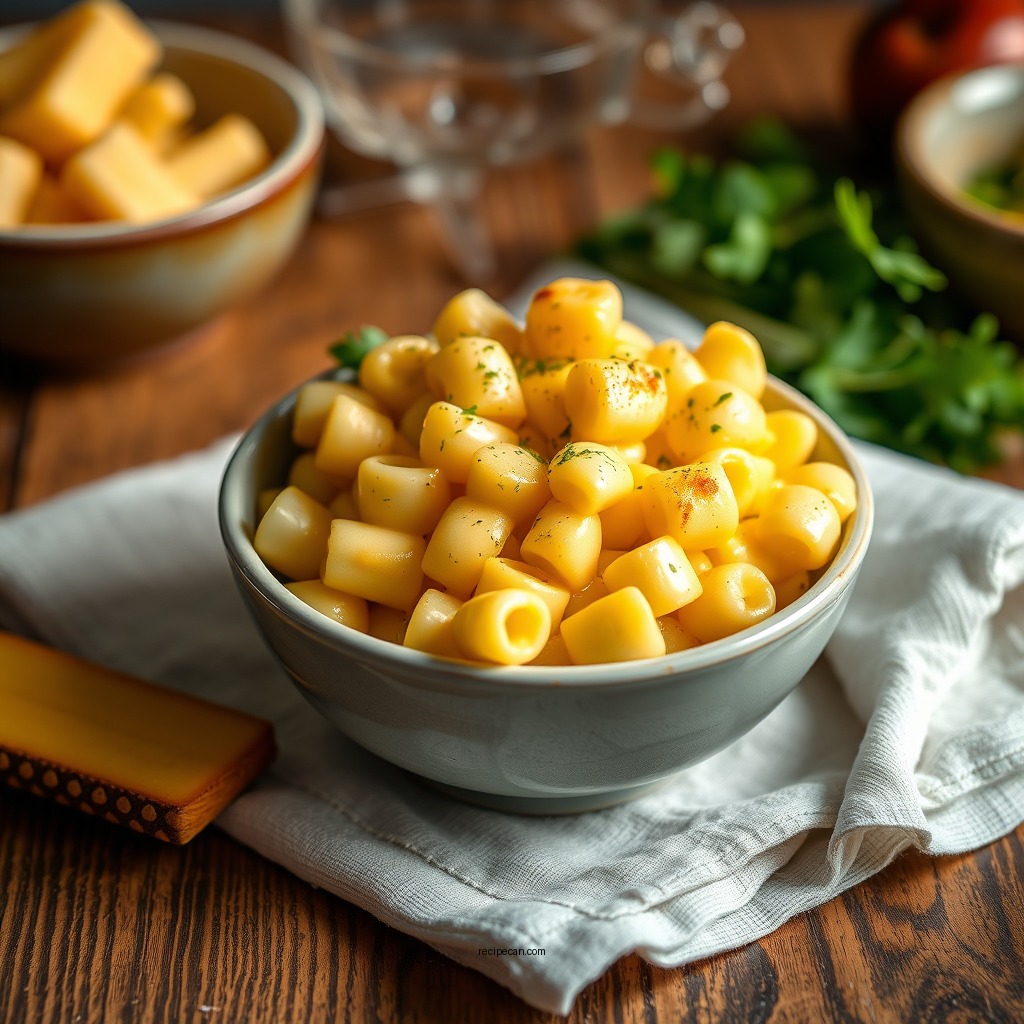
Making a creamy and delicious cheese sauce for mac and cheese is simple and rewarding. In just a few steps, you can whip up a rich sauce that will elevate your dish from ordinary to extraordinary. This recipe will guide you through the ingredients and methods to create the perfect cheese sauce that pairs beautifully with your pasta, ensuring a satisfying and indulgent meal.
Ingredients You’ll Need

To make a perfect cheese sauce for your mac and cheese, you will need a few essential ingredients that contribute to its creamy texture and rich flavor:
– Cheese: The type of cheese you choose is crucial. A combination of sharp cheddar for its flavor and mozzarella for its melting qualities usually works best. You can also experiment with Gruyère or Fontina for a gourmet twist.
– Milk or Cream: Whole milk will give you a rich sauce, while heavy cream will enhance the creaminess even further. You can also use a mix of both to achieve the desired consistency.
– Butter and Flour: These two ingredients are essential for creating a roux, which acts as a thickening agent for the sauce. Unsalted butter is preferred so you can control the saltiness in your sauce.
Preparing the Roux
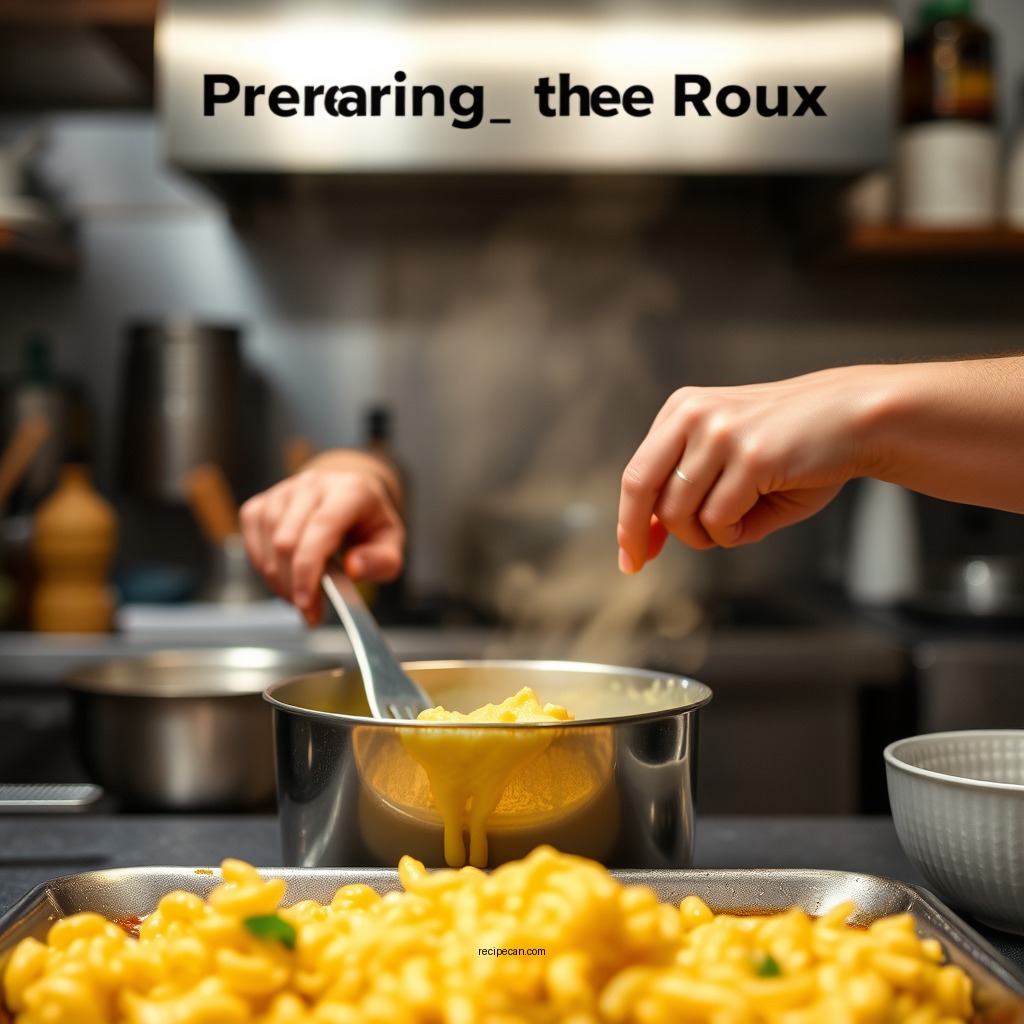
Creating a roux is a fundamental step in making a cheese sauce. Here’s how to do it properly:
1. Melt Butter: In a medium saucepan over medium heat, melt 4 tablespoons of unsalted butter. It should be completely melted but not browned.
2. Add Flour: Once the butter is melted, whisk in ¼ cup of all-purpose flour. Continue whisking for about 1-2 minutes until the mixture is smooth and forms a paste. This process helps to cook out the raw flour taste and creates a base for your cheese sauce.
Making the Cheese Sauce
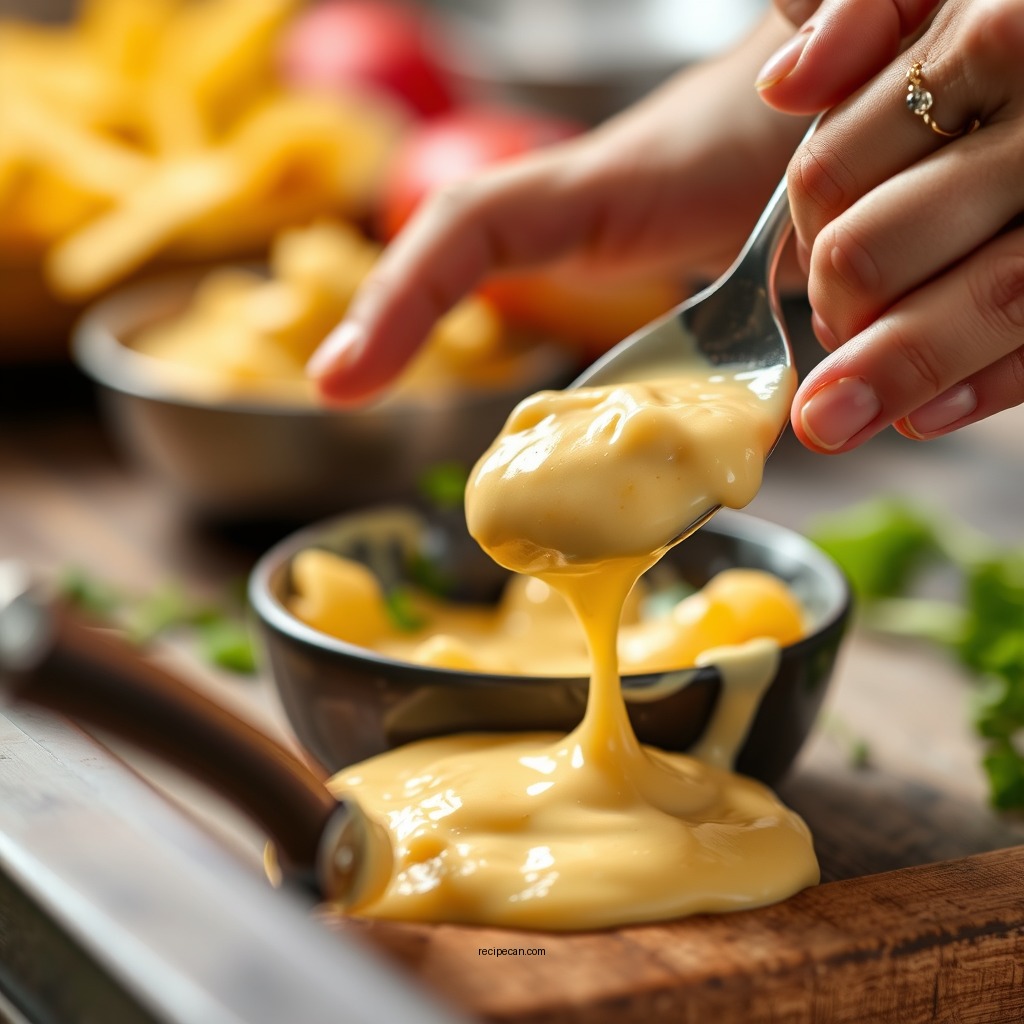
Now that your roux is ready, it’s time to turn it into a cheese sauce:
1. Whisk in Milk or Cream: Gradually add 2 cups of milk or cream to the roux, whisking continuously. This will help to prevent lumps from forming. Keep whisking until the mixture thickens, which should take about 5-7 minutes.
2. Add Cheese: Once your sauce is thick and bubbling, lower the heat and stir in 2 cups of your chosen cheese mix. Continue stirring until the cheese has fully melted and the sauce is creamy and smooth.
Top Cheese Varieties for Cheese Sauce (2024)
| # | Cheese Type | Melt Quality | Flavor Profile | Best Usage |
|---|---|---|---|---|
| 1 | Cheddar | Excellent | Sharp, Nutty | Mac & Cheese |
| 2 | Mozzarella | Good | Mild, Creamy | Pasta Dishes |
| 3 | Gruyère | Excellent | Nutty, Sweet | Gourmet Mac & Cheese |
| 4 | Fontina | Good | Rich, Creamy | Creamy Sauces |
| 5 | Parmesan | Moderate | Salty, Sharp | Toppings |
| 6 | American | Good | Mild, Creamy | Classic Dishes |
| 7 | Cream Cheese | Excellent | Rich, Tangy | Cheese Sauces |
Seasoning Your Sauce
While cheese is the star of the show, proper seasoning can transform a good cheese sauce into a great one. Here’s how to season your sauce effectively:
– Salt and Pepper: Start with a pinch of salt and freshly ground black pepper. Taste as you go to ensure you don’t over-season.
– Additional Spices: To elevate the flavor further, consider adding spices like paprika for a smoky touch or garlic powder for depth. A dash of nutmeg can also add warmth and complexity to the sauce.
Tips for the Best Cheese Sauce
To achieve the best results in your cheese sauce, consider these essential tips:
– Freshly Grated Cheese: Always opt for freshly grated cheese rather than pre-shredded varieties, as they often contain anti-caking agents that can inhibit melting.
– Temperature Control: Heat is crucial. Do not overheat your cheese sauce as this can cause the fats to separate, resulting in a grainy texture. Keep the heat low and stir frequently.
– Consistency: If your sauce becomes too thick, you can thin it out by whisking in a little more milk or cream until you achieve your desired consistency.
Variations to Try
Once you master the basic cheese sauce, don’t hesitate to explore variations that can add unique flavors and textures to your mac and cheese:
– Cheese Combinations: Mix different cheeses such as aged gouda or blue cheese for distinct flavors. Each combination will bring a new depth to your dish.
– Add-Ins: For added texture, incorporate cooked bacon, sautéed mushrooms, or vegetables like spinach and broccoli into the sauce. These additions not only enhance flavor but also add nutritional value.
Best Types of Cheese for Mac and Cheese (2024)
With these simple steps, you can create a velvety cheese sauce that will make your mac and cheese the star of the meal. Don’t hesitate to experiment with flavors and ingredients to make it your own! Enjoy the process of creating a dish that not only satisfies but also delights. The comfort of homemade mac and cheese is truly unparalleled, making every bite a delightful experience.
Frequently Asked Questions
What are the best cheeses to use for a creamy cheese sauce for mac and cheese?
The best cheeses for a creamy cheese sauce for mac and cheese include sharp cheddar, Gruyère, and mozzarella. Sharp cheddar provides a robust flavor, while Gruyère adds a nutty taste and mozzarella contributes to the creaminess. Combining these cheeses can create a rich and flavorful sauce that enhances your mac and cheese dish.
How do I make a simple cheese sauce for mac and cheese from scratch?
To make a simple cheese sauce for mac and cheese, start by melting butter in a saucepan and whisk in an equal amount of flour to create a roux. Gradually add milk while whisking to avoid lumps, then cook until thickened. Finally, stir in your chosen cheeses until melted and smooth, seasoning with salt and pepper to taste.
Why does my cheese sauce for mac and cheese turn out grainy?
A grainy cheese sauce usually results from overheating the cheese or using low-quality cheese products. To prevent this, make sure to melt the cheese over low heat and avoid boiling the sauce. Using freshly grated cheese instead of pre-shredded varieties can also help achieve a smoother texture.
What is the best way to thicken a cheese sauce for mac and cheese?
The best way to thicken a cheese sauce for mac and cheese is to use a roux made from equal parts flour and butter, cooked together before adding milk. Alternatively, you can add a cornstarch slurry or reduce the sauce by simmering it gently to achieve a thicker consistency. Adjusting the amount of cheese added can also naturally thicken the sauce.
Which seasonings should I add to elevate my cheese sauce for mac and cheese?
To elevate your cheese sauce for mac and cheese, consider adding seasonings like garlic powder, onion powder, or paprika for depth of flavor. A touch of mustard powder or a dash of hot sauce can add a pleasant zing, while freshly cracked black pepper enhances the overall taste. Experimenting with herbs like thyme or parsley can also bring a unique twist to your sauce.
References
- Macaroni and cheese
https://en.wikipedia.org/wiki/Macaroni_and_cheese - https://www.food.umn.edu/recipes/macaroni-and-cheese
https://www.food.umn.edu/recipes/macaroni-and-cheese - https://www.sciencedirect.com/topics/food-science/cheese-sauce
https://www.sciencedirect.com/topics/food-science/cheese-sauce - https://www.ncbi.nlm.nih.gov/pmc/articles/PMC4997773/
https://www.ncbi.nlm.nih.gov/pmc/articles/PMC4997773/ - https://www.bbc.co.uk/food/recipes/macaroni_and_cheese_47382
https://www.bbc.co.uk/food/recipes/macaroni_and_cheese_47382 - NYT Cooking – Recipes and Cooking Guides From The New York Times
https://www.nytimes.com/recipes/1019818-macaroni-and-cheese.html - https://www.verywellfit.com/mac-and-cheese-nutrition-facts-4106329
https://www.verywellfit.com/mac-and-cheese-nutrition-facts-4106329 - https://scholar.google.com/scholar?q=cheese+sauce+recipe+for+mac+and+cheese Google Scholar
https://scholar.google.com/scholar?q=cheese+sauce+recipe+for+mac+and+cheese - Google Scholar Google Scholar
https://scholar.google.com/scholar?q=macaroni+and+cheese+recipes - https://scholar.google.com/scholar?q=cheese+sauce+nutritional+value Google Scholar
https://scholar.google.com/scholar?q=cheese+sauce+nutritional+value