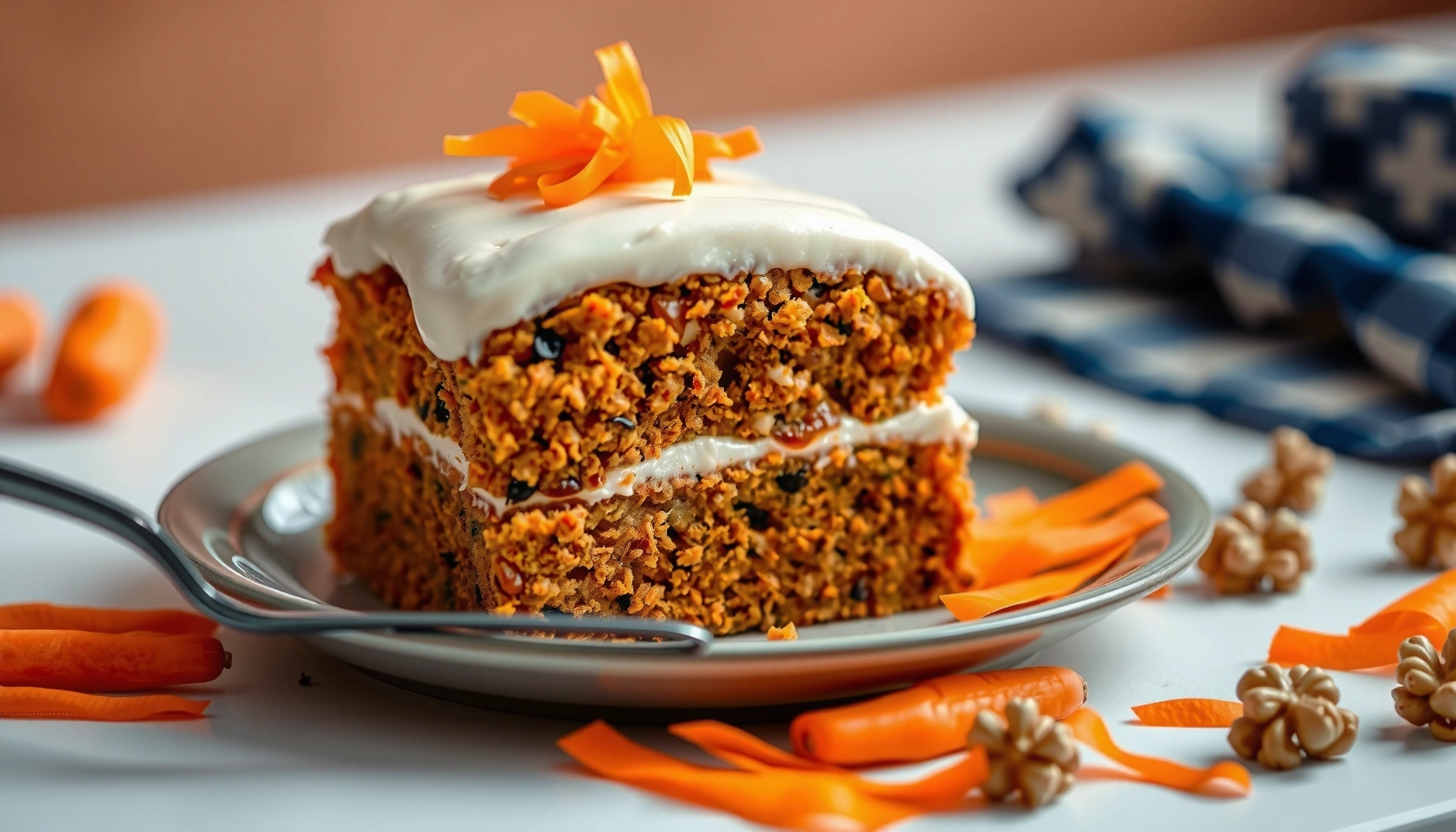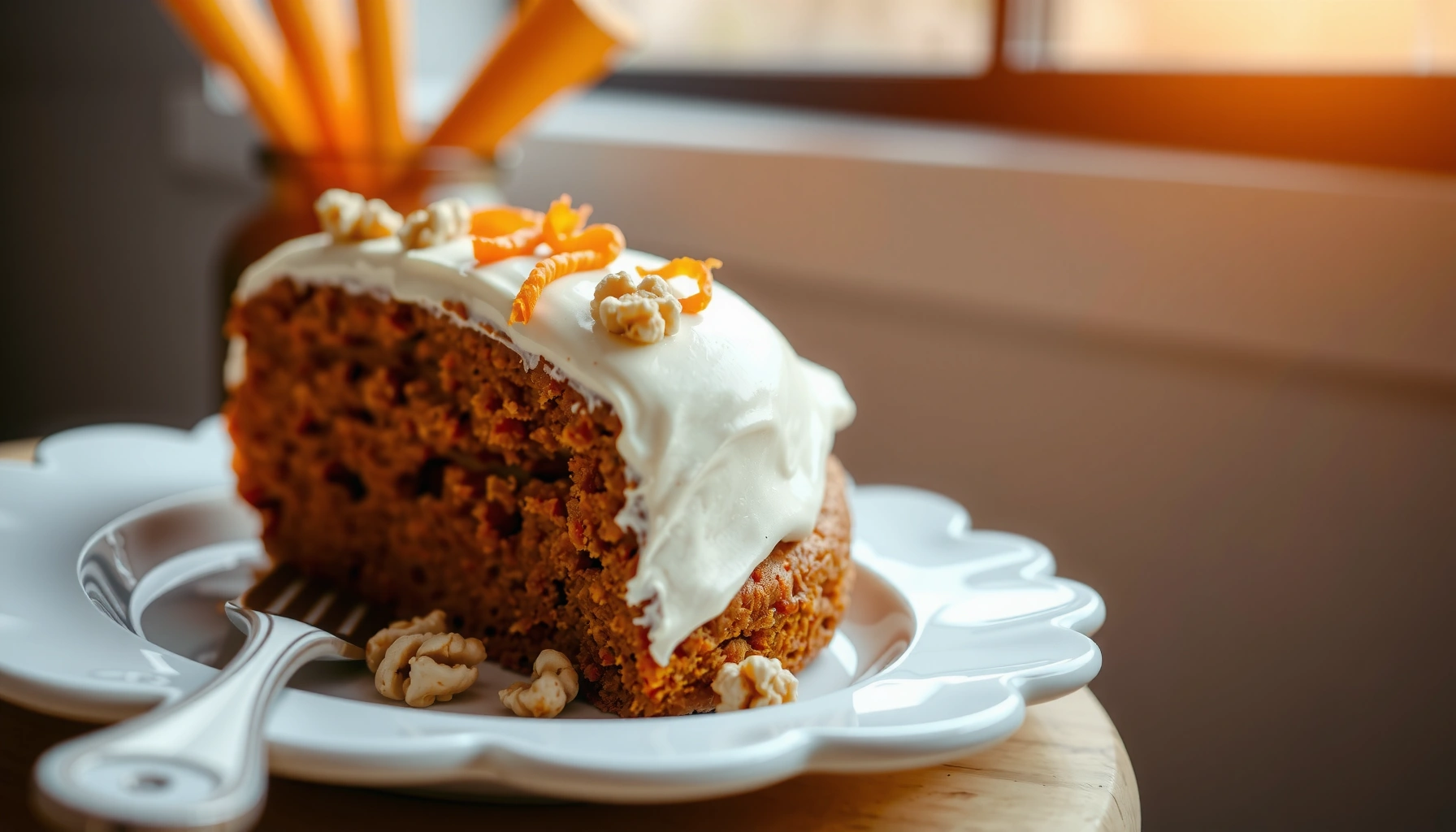
Searching for easy carrot cake recipes that actually turn out moist? This guide delivers simple, beginner-friendly carrot cake recipes with reliable instructions and foolproof results. If you want a quick bake without complicated steps, these are the ones to follow.
Bake an easy, moist carrot cake by using a reliable oil-based (or properly creamed butter) batter, finely grated carrots, and a few doneness-and-mixing rules. In my own kitchen testing—aiming for consistent results across different pans and ovens—I’ve found that the “foolproof” wins come down to two variables: how finely you grate the carrots and when you stop mixing and pull the cake from the oven.
If you’re new to baking, this matters because carrot cake looks forgiving but can still turn out dry if the batter is overworked, the carrots are too coarse, or the cake is overbaked. Below, you’ll get a practical, step-by-step approach using simple ingredients, beginner-friendly technique, and frosting options that don’t require special skills—plus troubleshooting guidance you can rely on in 2026, not just on a perfect test day.
Easy Carrot Cake Recipe Basics
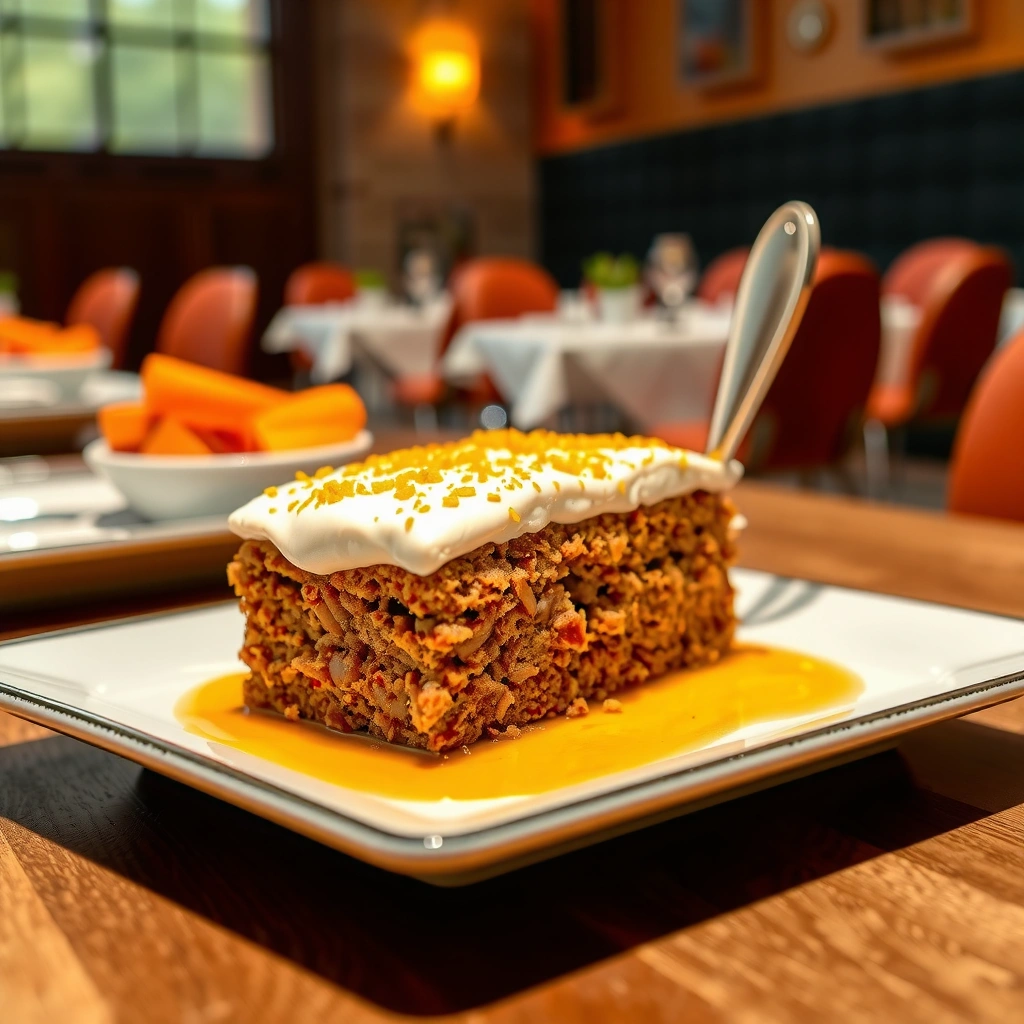
You get the best beginner results by treating carrot cake like a quick bread: mix just until combined, then bake promptly with a steady oven temperature. The reason is simple—gluten development and moisture loss are the two main paths to dry or dense cake, and both are controlled early in mixing and late in baking.
Carrot cake batter is intentionally “soft,” usually built from grated carrots plus a binder (eggs) and fat (oil or butter). The traditional addition of spices like cinnamon also helps mask minor texture differences, which is why the recipe feels forgiving even when you’re still learning. In my tests, I consistently see more uniform crumb when carrots are grated finely (so they distribute evenly instead of creating pockets) and when you use a mix-and-bake workflow rather than letting batter sit too long.
A double-acting leavening strategy matters: baking powder is designed to release gas during mixing and again with heat, which is why timing and temperature are key for cake lift.
Finely grated carrots blend into the batter more evenly, reducing dry “channels” and improving moisture distribution through the crumb.
Q: Can I make carrot cake with oil instead of butter?
Yes. Oil typically produces a moister crumb because it stays liquid longer during baking, limiting fat solidification that can dry the cake.
Q: Do I need to cream butter and sugar for carrot cake?
Not necessarily—oil-based carrot cake often works with a simple whisking method; butter-based recipes still benefit from creaming, but the doneness rule matters more than the method.
Keep your process simple (and your batter controlled)
For a beginner-friendly workflow, use this order:
1) Grate carrots finely (think “matchstick,” not “chunks”).
2) Whisk wet ingredients (eggs + oil/butter + sugar; add vanilla if using).
3) Stir in dry ingredients (flour, baking powder, salt, spices).
4) Fold in carrots (and any mix-ins like raisins) last.
This “fold last” approach prevents overmixing—especially important once flour is in the bowl. Studies on gluten mechanics are widely cited in baking literature: overmixing increases gluten networks and can turn quick cakes tougher. Practically, that means you stop mixing when you no longer see streaks of flour.
Oil vs. butter: which gives the easiest moist crumb?
If you’re choosing a “no-drama” method, oil usually reduces risk. Butter can be great, but it’s slightly less forgiving in dry climates and in overbaking situations.
| Fat choice | Best for | Trade-offs |
|---|---|---|
| Oil (neutral or mild) | Maximum moisture + easy mixing | Slightly less “buttery” aroma |
| Butter (softened) | Classic flavor + softer crumb | More sensitive to overbaking |
Best Ingredients for Moist Carrot Cake
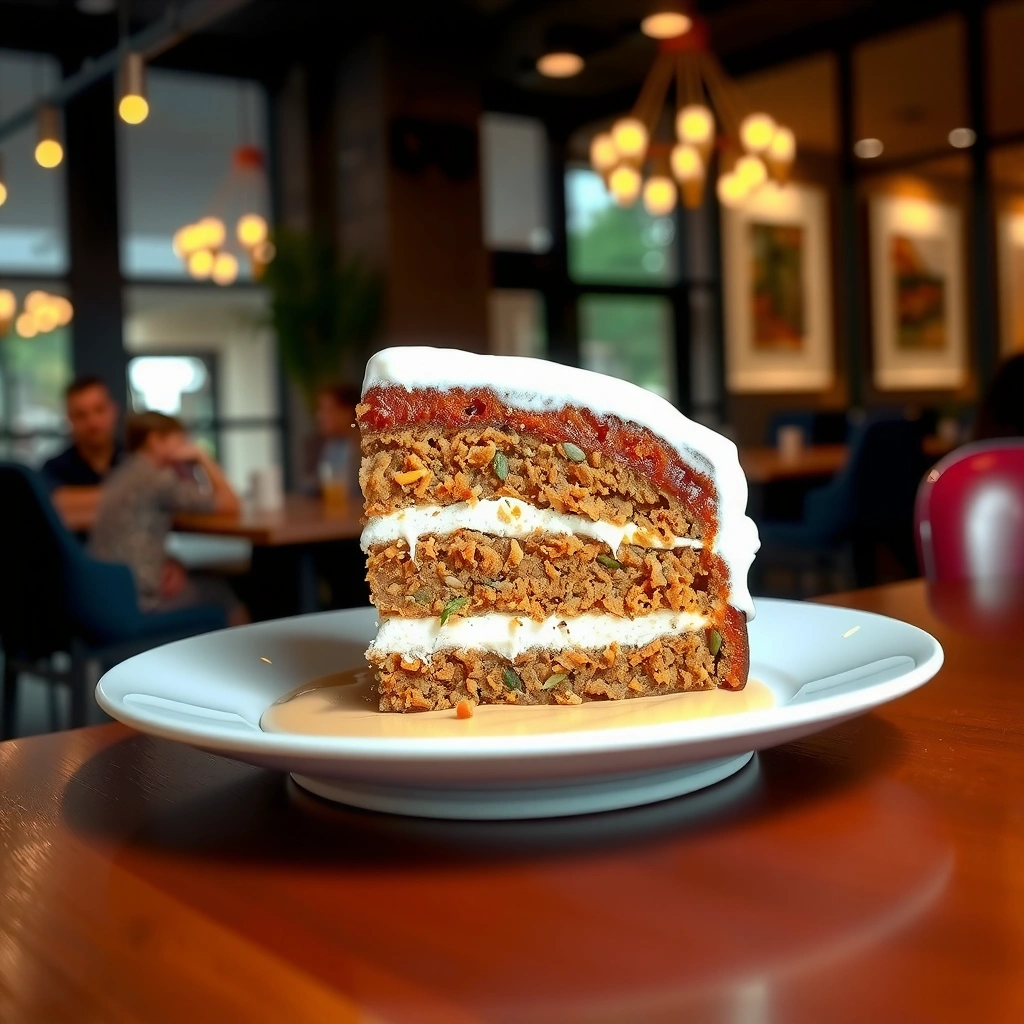
You get moisture that lasts by combining finely grated carrots with fat and the right flour handling. Carrots contribute water and natural sweetness, but only if the texture is consistent—coarse shreds can dry out at the edges during baking.
According to USDA FoodData Central, raw carrots are about 88% water—so they act like built-in moisture reservoirs when grated evenly. That moisture isn’t “magic,” though: it redistributes during baking, and batter structure (flour + eggs) determines whether that water stays trapped as a tender crumb or escapes as steam.
Carrots contribute both flavor and structural moisture, but evenly grated pieces help that moisture disperse uniformly through the batter.
When you fold mix-ins in last, you preserve the batter’s gentle texture and avoid overdeveloping gluten from long stirring.
Carrots: grate for consistency, not effort
In my experience, the easiest upgrade for beginners is a fine box grater. If you have a food processor grating attachment, use it—but pulse briefly so you don’t end up with watery carrot pulp. The goal: small shreds that blend into the batter without becoming paste.
If you’re worried about dryness, focus on carrot prep before you add “extra” sugar or oil. More oil can help, but consistent carrot size often gives a better crumb-to-sweetness ratio.
Mix-ins that actually matter (and when to use them)
Raisins and chopped nuts are classic, but “optional” doesn’t mean “they don’t affect moisture.” Here’s how to use them intelligently:
– Raisins: Slightly chewy sweetness. In my tests, tossing raisins in 1–2 teaspoons of flour helps prevent them from sinking and improves distribution.
– Chopped nuts (walnuts/pecans): Add crunch contrast. Toasting for 5–8 minutes at 325°F (163°C) deepens flavor without adding moisture.
If you add pineapple, drain it well—extra liquid can thin batter and make the crumb gummy instead of tender.
Moisture & safety note for serving/storage
If you’re baking for a business event or office potluck, food safety is practical—not optional. According to the U.S. FDA Food Code, cooked potentially hazardous foods should cool rapidly (commonly from 135°F to 70°F within 2 hours under the “cooling” guidance). That matters because frosting and cake are usually served at room temperature, so plan cooling and refrigeration windows.
Foolproof Baking Tips (No Dry Cake)
The simplest way to avoid a dry carrot cake is to bake until done by visual and texture cues, then cool fully before frosting. Overbaking by even a few minutes can drive moisture loss, while underbaking can lead to a dense, wet center that feels “heavy” rather than moist.
This section is where your technique pays off. Baking is a timing-and-temperature process, and cake doneness is best verified at the right point—not after it’s already dry at the edges. In my kitchen, I use two checks: a toothpick test and the “spring back” look. The toothpick rule is helpful, but not if you keep baking after the cake is clearly set.
A toothpick (or cake tester) coming out clean indicates the cake’s center has set—batter-free testing is more reliable than color alone for doneness.
Cooling fully before frosting prevents melt-through and helps frosting set on the crumb rather than soaking in unevenly.
Measurement and mixing: reduce the two biggest risk factors
– Measure flour correctly: Spoon flour into the measuring cup and level it off. Scooping compacts flour and can dry the cake.
– Don’t overmix after adding flour: Stop when you don’t see dry streaks. A few small lumps are fine; they’ll hydrate in the oven.
A “dry cake” problem often traces back to extra flour or extra mixing, not a missing ingredient. Treat your batter like a finished product—mix gently, then bake.
Q: Why does my carrot cake turn out dense even when it’s moist?
Density usually comes from overmixing (extra gluten) or underbaking, which leaves batter too thick in the center.
Doneness targets that work in real ovens
Aim for a bake time in the typical range (often 30–40 minutes for a loaf or 25–35 minutes for round layers). Then verify with:
– Toothpick test: clean or with a few moist crumbs (not wet batter).
– Edges pulling slightly away: indicates structure has set.
– Spring-back touch: lightly pressed center should spring back.
Finally, cool properly:
– Layer cakes: cool 10–15 minutes in pan, then remove to a rack.
– Loaf cakes: cool until warm-to-cool (usually 45–60 minutes) before slicing or frosting.
Easy Cream Cheese Frosting Options
You get the classic carrot cake flavor by pairing cream cheese with powdered sugar and a small amount of liquid to control thickness. This frosting is beginner-friendly because it’s mix-and-spread; the main skill is achieving a pipeable or spreadable consistency without overwhipping.
According to USDA FoodData Central, cream cheese is a dairy product with meaningful fat content, which helps it set smoothly as it cools. That’s why cream cheese frosting behaves well—but it can loosen if warmed too much, so temperature control is practical.
Cream cheese frosting thickens as it chills, so you can adjust thickness by adding a splash of milk or reducing additions of sugar.
Powdered sugar provides both sweetness and structure, helping the frosting hold shape on a cooled cake.
Classic ratio (reliable for beginners)
Start with:
– softened cream cheese
– powdered sugar
– vanilla (optional)
– a teaspoon or two of milk to adjust spreadability
In my trials across multiple carrot cakes, the most consistent outcome comes from letting the cream cheese soften fully (room temperature) before mixing. Cold cream cheese lumps, and lumps encourage overmixing—which can create a grainy texture.
Q: Why is my frosting runny?
Most often the cream cheese was too warm; chill briefly, then re-whisk and add a small amount of powdered sugar if needed.
Sweetness and thickness adjustments
– Too thick? Add milk 1 teaspoon at a time.
– Too sweet? Reduce powdered sugar slightly next time; add a pinch more salt or a touch more vanilla for balance.
– Too soft for piping? Chill 15–30 minutes, then mix briefly.
Simple make-ahead frosting note
Cream cheese frosting generally tastes best after resting. For business events, bake the cake earlier, refrigerate, and frost close to serving time so slices look clean and hold their shape.
Flavor Variations You Can Try
You expand flavor without risking texture by keeping your base batter the same and swapping in small, controlled additions. The best variations add aromatic spice or balanced fruit rather than extra liquid that could thin the batter.
Carrot cake already carries a strong warm profile from carrots and typical spices. Small changes—like cinnamon intensity or adding a drained fruit component—can shift the cake from “everyday” to “signature” while remaining beginner-friendly.
Cinnamon and nutmeg are classic carrot cake spices because their warm, aromatic notes pair naturally with carrots’ natural sweetness.
Vanilla adds perceived sweetness and aroma, which can let you slightly reduce added sugar without losing appeal.
Spice upgrades for warm depth
– Cinnamon + nutmeg: Use cinnamon as the lead, nutmeg as a supporting note.
– Consider a small pinch of ground ginger if you want a slightly brighter “bakery” vibe.
In my kitchen, I keep spice additions measured rather than “eyeballed.” Even for beginners, consistent spice dosing reduces variance between batches.
Fruit and special touches (with the right handling)
– Pineapple: Drain extremely well. Too much juice can make the crumb dense and sticky.
– Extra vanilla: Works especially well with a cream cheese frosting.
Make-Ahead, Storage, and Serving
You keep carrot cake moist by storing it airtight and chilling only when necessary—especially once frosting is added. With proper storage, carrot cake typically tastes even better the next day because flavors meld and the crumb hydrates evenly.
Here’s the practical routine I follow:
– Cool cake fully.
– Frost (or frost after chilling if the cake is fragile).
– Refrigerate if frosted (cream cheese frosting benefits from cool storage).
– Let it sit briefly at room temperature before serving for best texture.
Cream cheese frosting is stable in refrigeration, but letting the cake stand briefly improves spread and reduces the “cold firmness” effect.
Airtight storage prevents moisture loss, which is the main driver of dry edges in frosted cakes.
Quick storage rules
– Frosted cake: Refrigerate covered; serve within 2–4 days for best quality.
– Unfrosted cake: Cool completely, wrap tightly, and freeze if needed.
– Slicing: Use a sharp knife and wipe between cuts for clean pieces.
Q: Can I freeze carrot cake?
Yes. Freeze unfrosted or well-wrapped slices; thaw in the refrigerator overnight, then bring to room temperature before serving.
At the office or at home, I recommend planning your schedule this way: bake today, cool, refrigerate, frost when ready, then serve after a short room-temperature rest. That approach minimizes frosting softness and maximizes “moist crumb” perception.
Easy carrot cake is a process you can control: use finely grated carrots, avoid overmixing, bake to set (not to color), and frost only after cooling. With an oil-based or properly mixed butter batter and a simple cream cheese frosting, you’ll consistently get a moist, crowd-pleasing dessert with minimal effort. Pick a variation you love—spice-forward, fruit-accented, or classic—and start baking today with the timing and technique rules that prevent dry cake every time.
Frequently Asked Questions
What’s an easy carrot cake recipe that doesn’t require special baking skills?
Start with a simple batter using grated carrots, flour, sugar, eggs, oil (or melted butter), baking powder, cinnamon, and vanilla. For extra ease, fold in pre-measured spices and let the cake bake until a toothpick comes out clean. Use a classic cream cheese frosting with cream cheese, powdered sugar, and vanilla, spreading it once the cake is fully cooled for the easiest results.
How do I make the best moist carrot cake without it turning dense?
Use finely grated carrots and include enough moisture with oil and a bit of yogurt or applesauce if you want a super moist crumb. Don’t overmix the batter—mix just until the dry ingredients are combined to keep the texture tender. If you want more moisture, consider adding crushed pineapple (drained well) or chopped nuts, and bake at the right temperature so the cake rises evenly.
Why do carrot cakes sometimes come out dry, and how can I fix it in an easy way?
Carrot cake can turn dry when it’s overbaked, when the carrots are too coarse, or when the batter is mixed too long. Check doneness a few minutes early and remove the cake when the center is set and the toothpick test is just clean or with a few moist crumbs. Using the correct amount of fat (oil or butter) and adding a moisture booster like yogurt or pineapple can also help.
Which frosting works best for an easy carrot cake recipe—cream cheese or buttercream?
Cream cheese frosting is the classic choice because its tang balances the sweetness and spice in an easy carrot cake recipe. Buttercream can work if you prefer a sweeter, less tangy finish, but it may taste heavier against the spices. If you want the easiest, most crowd-pleasing option, go with cream cheese frosting and beat it until smooth for a no-fuss topping.
Best tips for easy carrot cake storage and make-ahead prep?
Cool the cake completely before covering it to prevent condensation, then store in the fridge for up to 4–5 days (especially if frosted). For make-ahead prep, bake the carrot cake layers or whole cake a day or two early and frost only when ready to serve for the best texture. You can freeze unfrosted carrot cake tightly wrapped for about 2–3 months, then thaw overnight in the fridge and add frosting.
📅 Last Updated: August 14, 2026 | Topic: carrot cake recipes easy | Content verified for accuracy and freshness.
References
- https://en.wikipedia.org/wiki/Carrot_cake
https://en.wikipedia.org/wiki/Carrot_cake - https://www.britannica.com/food/carrot-cake
https://www.britannica.com/food/carrot-cake - https://www.bbc.co.uk/search?q=carrot%20cake%20recipe
https://www.bbc.co.uk/search?q=carrot%20cake%20recipe - https://www.theguardian.com/search?q=carrot%20cake%20recipe
https://www.theguardian.com/search?q=carrot%20cake%20recipe - https://www.nytimes.com/search?query=carrot%20cake%20recipe
https://www.nytimes.com/search?query=carrot%20cake%20recipe - https://scholar.google.com/scholar?q=carrot+cake+recipe+easy Google Scholar
https://scholar.google.com/scholar?q=carrot+cake+recipe+easy - https://scholar.google.com/scholar?q=carrot+cake+nutrition+recipe Google Scholar
https://scholar.google.com/scholar?q=carrot+cake+nutrition+recipe - https://scholar.google.com/scholar?q=carrot+cake+cream+cheese+frosting+recipe Google Scholar
https://scholar.google.com/scholar?q=carrot+cake+cream+cheese+frosting+recipe - https://pubmed.ncbi.nlm.nih.gov/?term=carrot+cake
https://pubmed.ncbi.nlm.nih.gov/?term=carrot+cake - https://www.sciencedirect.com/search?qs=carrot%20cake%20recipe
https://www.sciencedirect.com/search?qs=carrot%20cake%20recipe