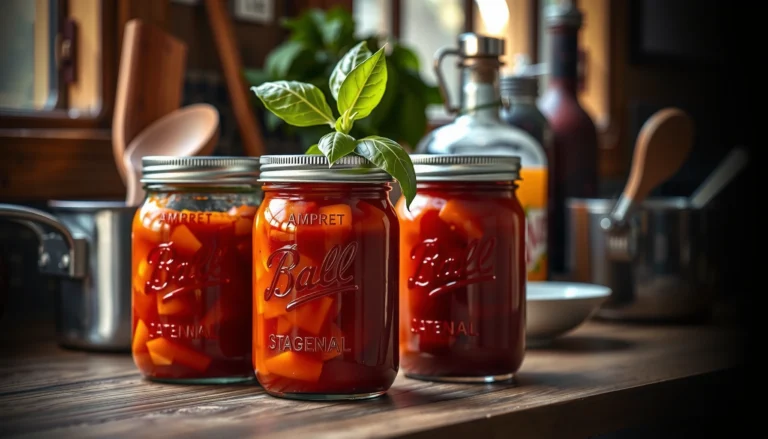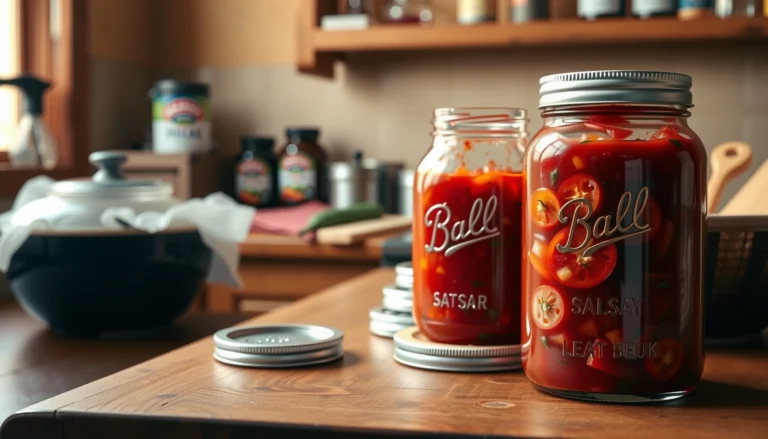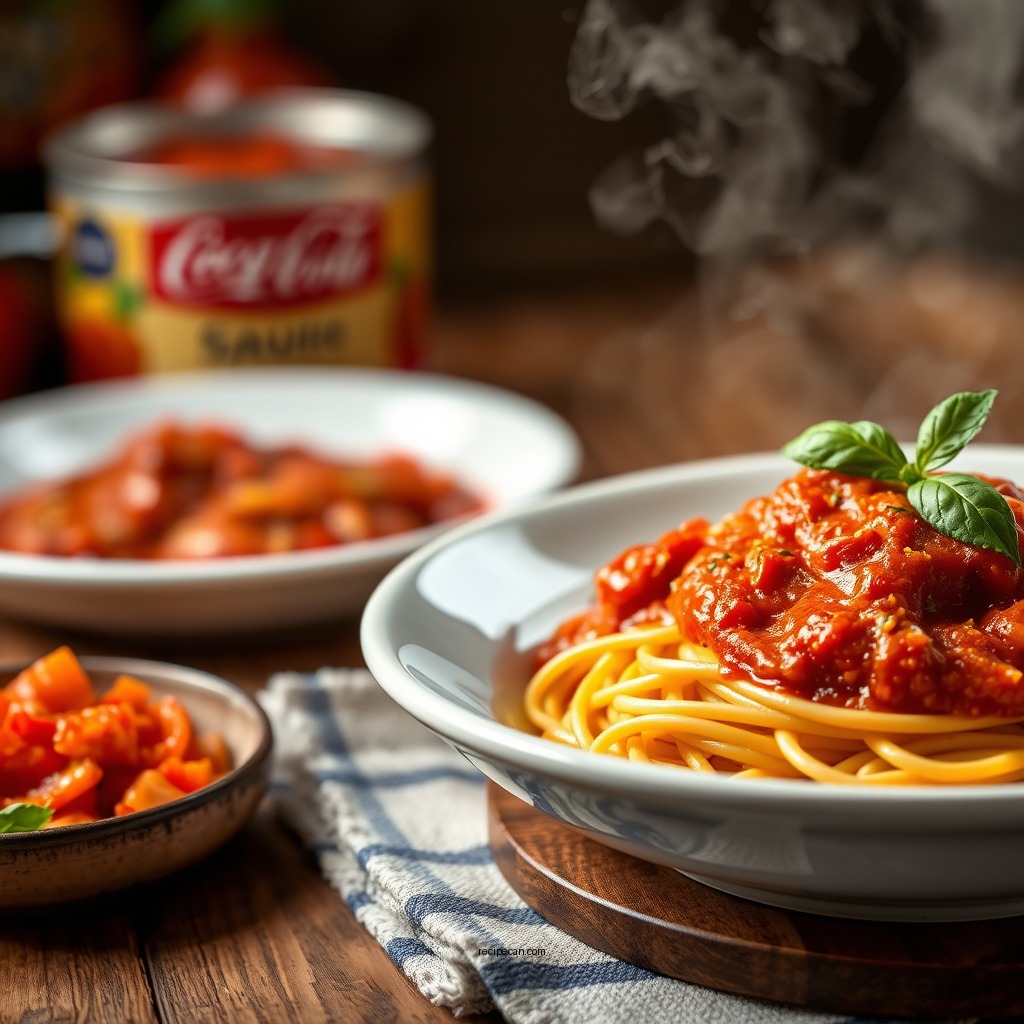
Making your own canned spaghetti sauce at home is not only easy but also yields a rich and flavorful product that can compete with store-bought varieties. By using simple, quality ingredients from your pantry, you can create a versatile sauce that enhances your pasta dishes, pizzas, and much more. This guide will take you through each step, ensuring you produce a delicious spaghetti sauce that is both satisfying and satisfying to your culinary ambitions.
Ingredients You’ll Need
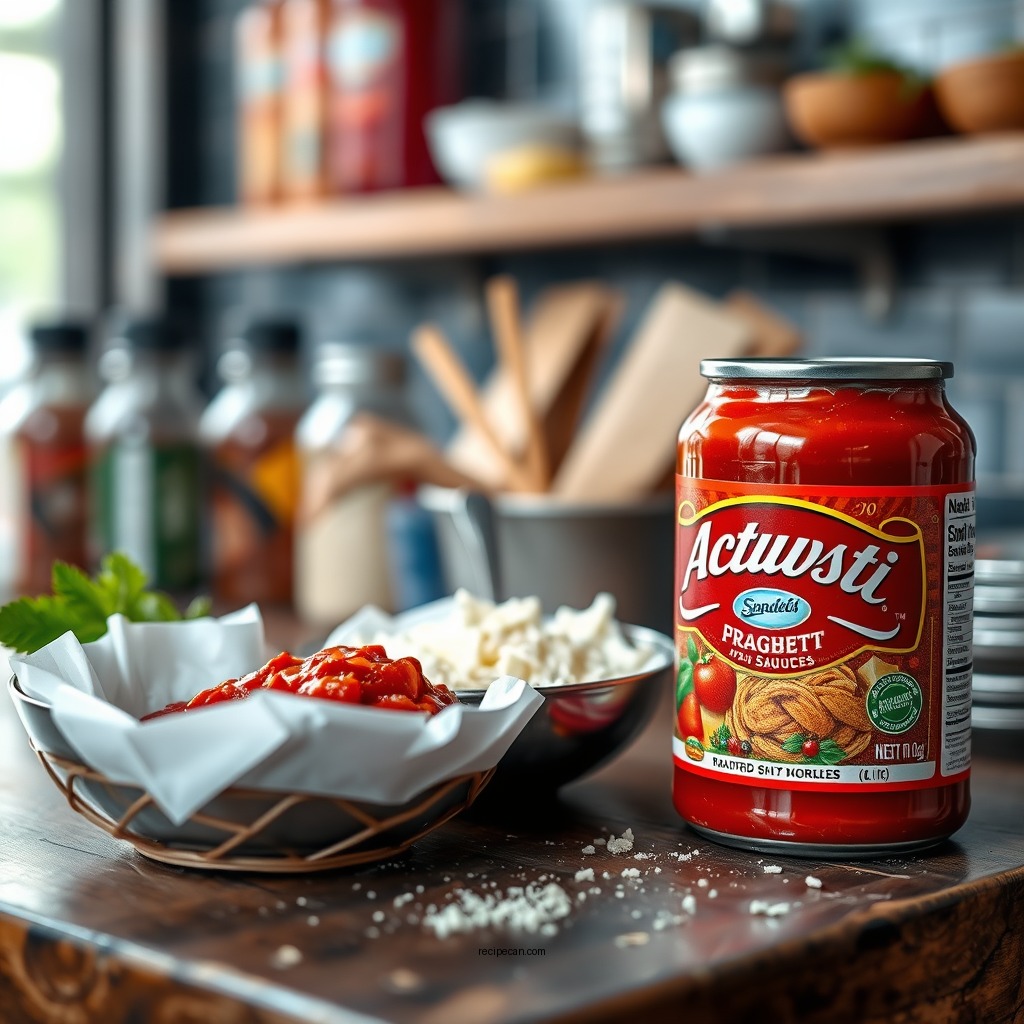
To craft a delicious homemade canned spaghetti sauce, you’ll need the following essential ingredients:
– Canned Tomatoes: Opt for whole or crushed tomatoes. Look for brands that use high-quality, vine-ripened tomatoes without added preservatives.
– Garlic: Fresh garlic cloves provide a robust flavor that enhances the sauce. You can adjust the amount based on your preference.
– Onion: A medium yellow or white onion adds sweetness and depth to the sauce.
– Olive Oil: Extra virgin olive oil is ideal for sautéing your vegetables and adds a fruity flavor.
– Herbs: Dried oregano, basil, and thyme are traditional choices, but feel free to experiment with fresh herbs for a brighter taste.
– Salt and Pepper: Essential for seasoning and balancing the flavors.
– Sugar (optional): A pinch can help to cut acidity, especially if using canned tomatoes that may be overly tangy.
When selecting canned tomatoes, look for those that are labeled as organic or non-GMO. Brands that pack their tomatoes in juice rather than puree often yield a fresher taste.
Preparing Your Ingredients
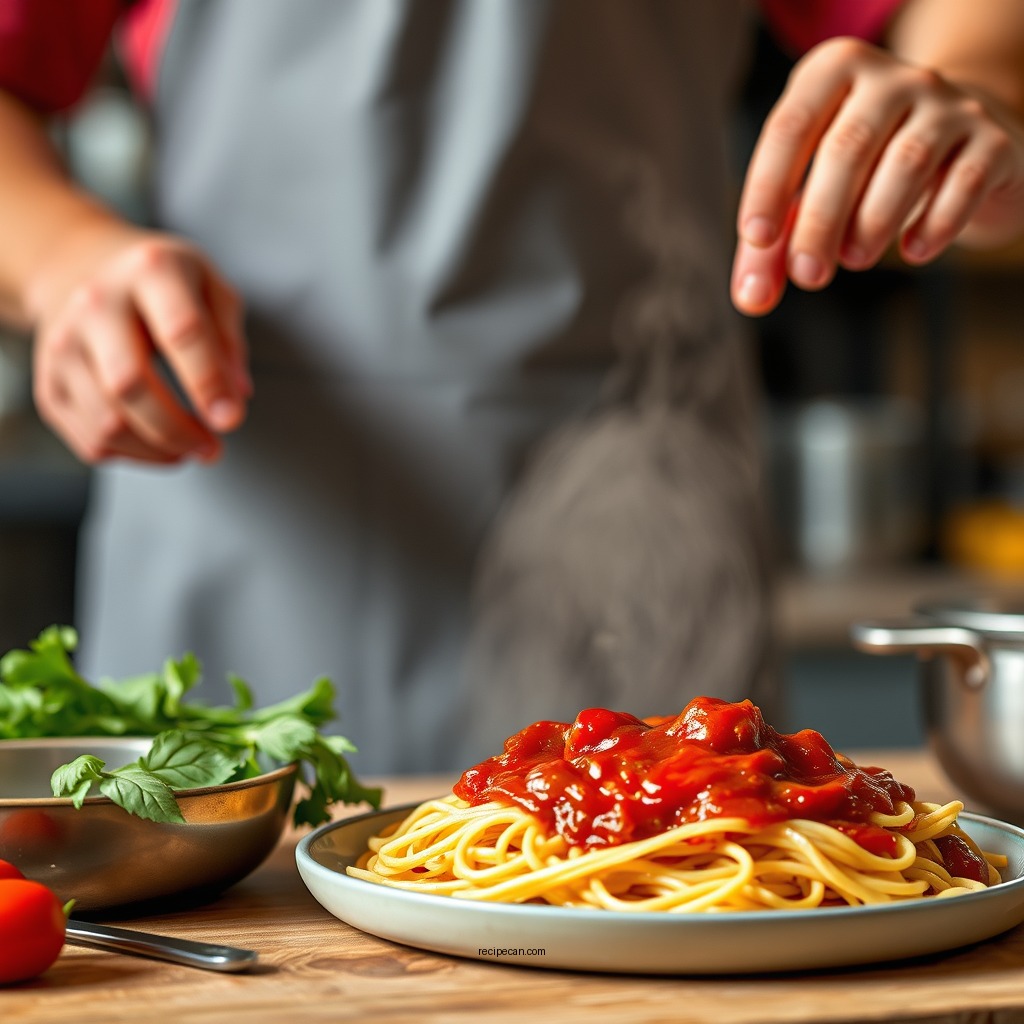
Preparation is key to a successful sauce. Follow these steps to ensure your ingredients are ready:
1. Chop Vegetables: Dice your onion and mince the garlic finely. This allows the flavors to meld seamlessly.
2. Measure Herbs and Spices: Use measuring spoons to ensure you add the right amounts of herbs and spices. A balanced flavor profile is essential, and measuring helps avoid overpowering the sauce.
3. Organize Your Workspace: Having everything prepped and within reach makes the cooking process smoother and more enjoyable.
Accurate measurements are crucial, particularly when seasoning. Start with less and adjust to taste as the sauce simmers.
Cooking the Sauce
Now it’s time to bring your ingredients together:
1. Sauté the Aromatics: Heat 2 tablespoons of olive oil in a large saucepan over medium heat. Add the diced onion and cook until translucent (about 5 minutes). Add the minced garlic and sauté for an additional minute, ensuring it doesn’t burn.
2. Add Tomatoes: Pour in your canned tomatoes, crushing them slightly with a wooden spoon if using whole tomatoes. Stir to combine.
3. Season the Sauce: Add your dried herbs, salt, and pepper. If using sugar, add it now to balance the acidity.
4. Simmer: Bring the mixture to a gentle simmer. Reduce the heat to low and let it cook uncovered for 30 to 45 minutes, stirring occasionally. This process allows the flavors to develop fully.
The longer you simmer, the richer the flavor becomes, but be cautious of overcooking, which can lead to a bitter taste.
Top Ingredients for Homemade Spaghetti Sauce
| # | Ingredient | Flavor Profile | Quality Assessment |
|---|---|---|---|
| 1 | Canned Tomatoes | Rich, Sweet | High |
| 2 | Garlic | Savory, Pungent | High |
| 3 | Onion | Sweet, Mild | High |
| 4 | Olive Oil | Fruity, Rich | High |
| 5 | Dried Herbs | Earthy, Savory | Medium |
| 6 | Sugar | Sweet | Low |
Enhancing the Flavor
To elevate your canned spaghetti sauce, consider these enhancements:
– Red Wine: Adding a splash of red wine while the sauce simmers introduces depth and complexity. Choose a wine that you enjoy drinking.
– Fresh Herbs: If you have access to fresh basil or parsley, adding them just before serving gives a vibrant and fresh taste.
– Adjusting Consistency: If your sauce is too thick, add a bit of vegetable or chicken broth to reach the desired consistency. Conversely, if it’s too thin, let it simmer a bit longer to reduce the liquid.
Experimenting with flavors is part of the fun!
Storing and Preserving
To ensure your spaghetti sauce remains fresh:
– Canning: If you want to can your sauce, follow proper canning methods to avoid spoilage. Use sterilized jars and process them in a boiling water bath for safety.
– Refrigeration: Store leftover sauce in an airtight container in the refrigerator for up to a week.
– Freezing: For longer storage, freeze the sauce in portions. Use freezer-safe containers or bags, ensuring to leave space for expansion.
Proper storage techniques will allow you to enjoy your sauce at a later date while maintaining its delicious flavor.
Serving Suggestions
Your homemade canned spaghetti sauce can be enjoyed in various ways:
– Classic Pasta: Toss it with spaghetti or your favorite pasta for a simple and comforting meal.
– Pizza: Use the sauce as a base for homemade pizza, adding your choice of toppings.
– Lasagna: Layer it between sheets of pasta with cheese for a hearty lasagna.
– Meatballs: Serve it over meatballs for a classic Italian-American dish.
These suggestions are just a starting point; feel free to get creative!
Troubleshooting Common Issues
Even the best cooks can encounter challenges. Here are some common issues and solutions:
– Too Acidic: If your sauce is too acidic, a pinch of sugar can help balance it out. You can also add a small amount of baking soda, but be cautious as it can alter the flavor.
– Bitterness: This can often arise from overcooked garlic. If this happens, consider adding a bit of sugar to counteract the bitterness.
– Consistency Problems: If your sauce is too thick, simply add water or broth. If it’s too thin, let it simmer longer to reduce excess liquid.
With these troubleshooting tips, you can ensure your sauce is consistently delicious.
In summary, making your own canned spaghetti sauce at home is an easy and rewarding process. With just a few quality ingredients and some patience, you can create a sauce that enhances a variety of dishes. The versatility of this sauce allows for numerous adaptations and uses, ensuring it never goes to waste. Enjoy your culinary journey and share your homemade creations with family and friends!
Frequently Asked Questions
What ingredients do I need for a basic canned spaghetti sauce recipe?
A basic canned spaghetti sauce recipe typically requires canned tomatoes, olive oil, garlic, onion, and a mix of herbs like basil and oregano. You can also add sugar to balance the acidity of the tomatoes and salt and pepper to taste. For added flavor, consider including red pepper flakes or a splash of red wine.
How can I enhance the flavor of my canned spaghetti sauce?
To enhance the flavor of your canned spaghetti sauce, sauté onions and garlic in olive oil before adding the canned tomatoes. You can also incorporate fresh herbs, such as basil or parsley, and spices like Italian seasoning or red pepper flakes for an extra kick. Simmering the sauce longer allows the flavors to meld together beautifully.
Why is my canned spaghetti sauce too watery, and how can I thicken it?
A watery canned spaghetti sauce can result from using too much canned tomato juice or not cooking it long enough. To thicken the sauce, let it simmer uncovered for a while to reduce the liquid, or add a small amount of tomato paste or cornstarch mixed with water to achieve the desired consistency.
What is the best way to store homemade canned spaghetti sauce?
The best way to store homemade canned spaghetti sauce is to let it cool completely before transferring it to airtight glass jars or containers. You can refrigerate the sauce for up to a week or freeze it for up to three months. Ensure you leave some headspace in the jars if freezing to allow for expansion.
Which type of canned tomatoes is best for spaghetti sauce?
The best type of canned tomatoes for spaghetti sauce are whole peeled tomatoes, crushed tomatoes, or San Marzano tomatoes for their rich flavor. Whole tomatoes can be crushed by hand or blended for a smoother sauce, while crushed tomatoes provide a ready-to-use option. Look for high-quality brands without added preservatives for the best taste.
References
- Tomato sauce
https://en.wikipedia.org/wiki/Spaghetti_sauce - https://www.health.harvard.edu/staying-healthy/how-to-make-a-basic-tomato-sauce
https://www.health.harvard.edu/staying-healthy/how-to-make-a-basic-tomato-sauce - https://www.nytimes.com/2020/08/19/dining/tomato-sauce-recipe.html
https://www.nytimes.com/2020/08/19/dining/tomato-sauce-recipe.html - https://www.journalofethnicfoods.com/article/S2352-0245(20)30034-6/fulltext
https://www.journalofethnicfoods.com/article/S2352-0245(20)30034-6/fulltext - Google Scholar Google Scholar
https://scholar.google.com/scholar?q=canned+spaghetti+sauce+recipe - Google Scholar Google Scholar
https://scholar.google.com/scholar?q=homemade+spaghetti+sauce+health - https://www.sciencedirect.com/science/article/pii/S2352022417300138
https://www.sciencedirect.com/science/article/pii/S2352022417300138 - https://www.foodsafety.gov/food-safety-charts/home-canning-safety
https://www.foodsafety.gov/food-safety-charts/home-canning-safety - Page Not Found – Site Help – Mayo Clinic
https://www.mayoclinic.org/healthy-lifestyle/nutrition-and-healthy-eating/expert-answers/canned-foods/faq-20058367 - canned spaghetti sauce recipe – Search results
https://en.wikipedia.org/wiki/Special:Search?search=canned+spaghetti+sauce+recipe