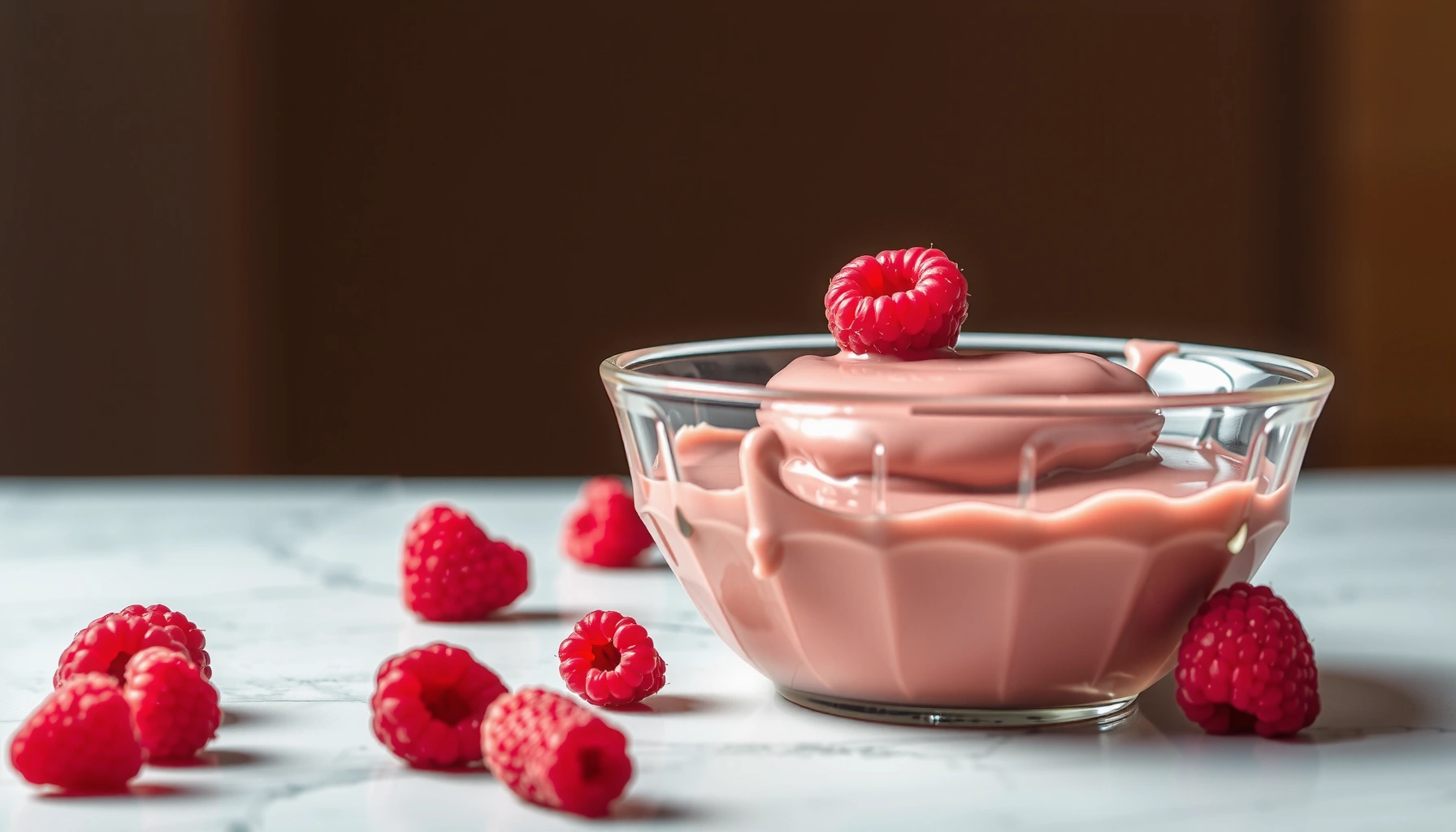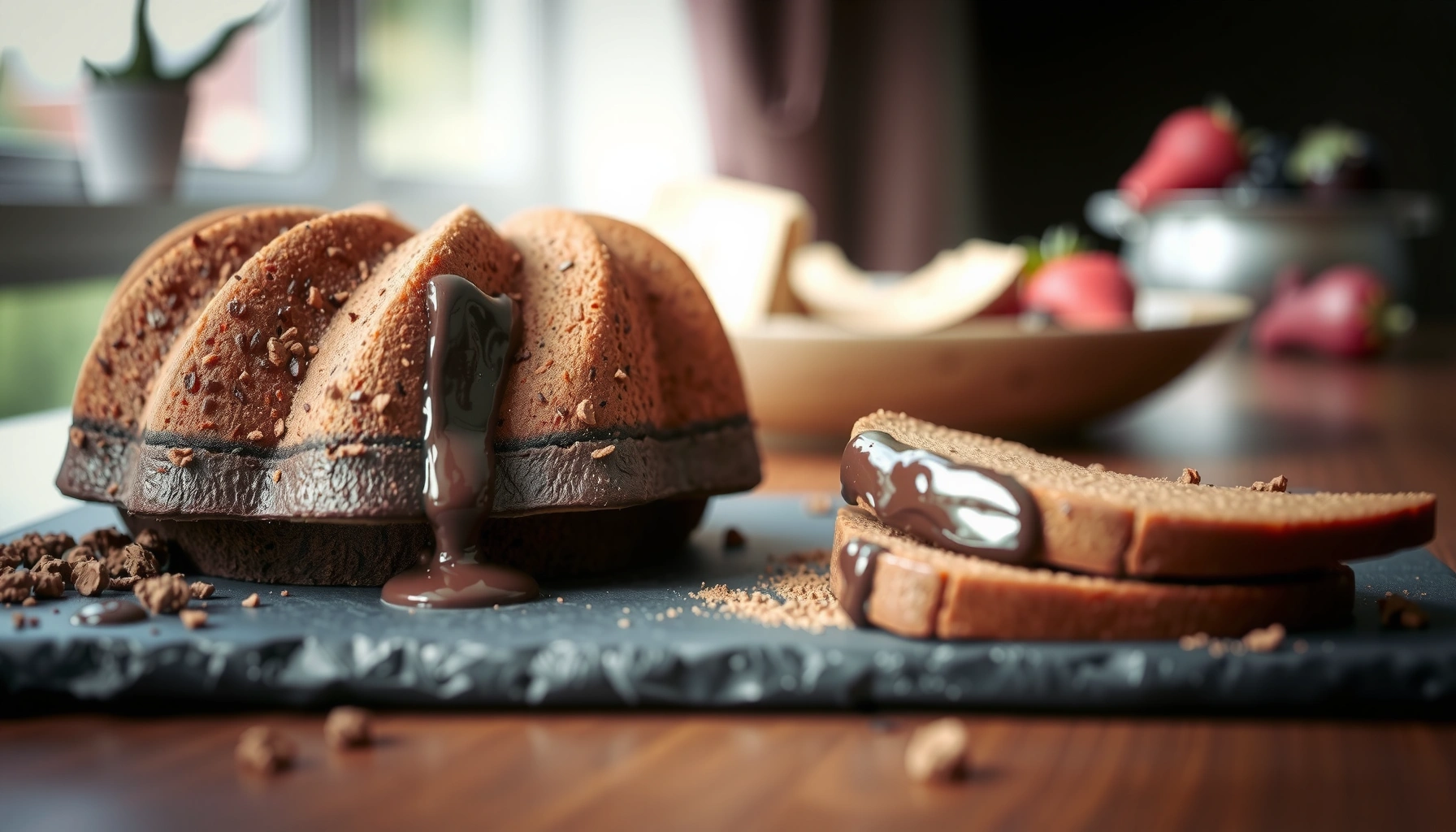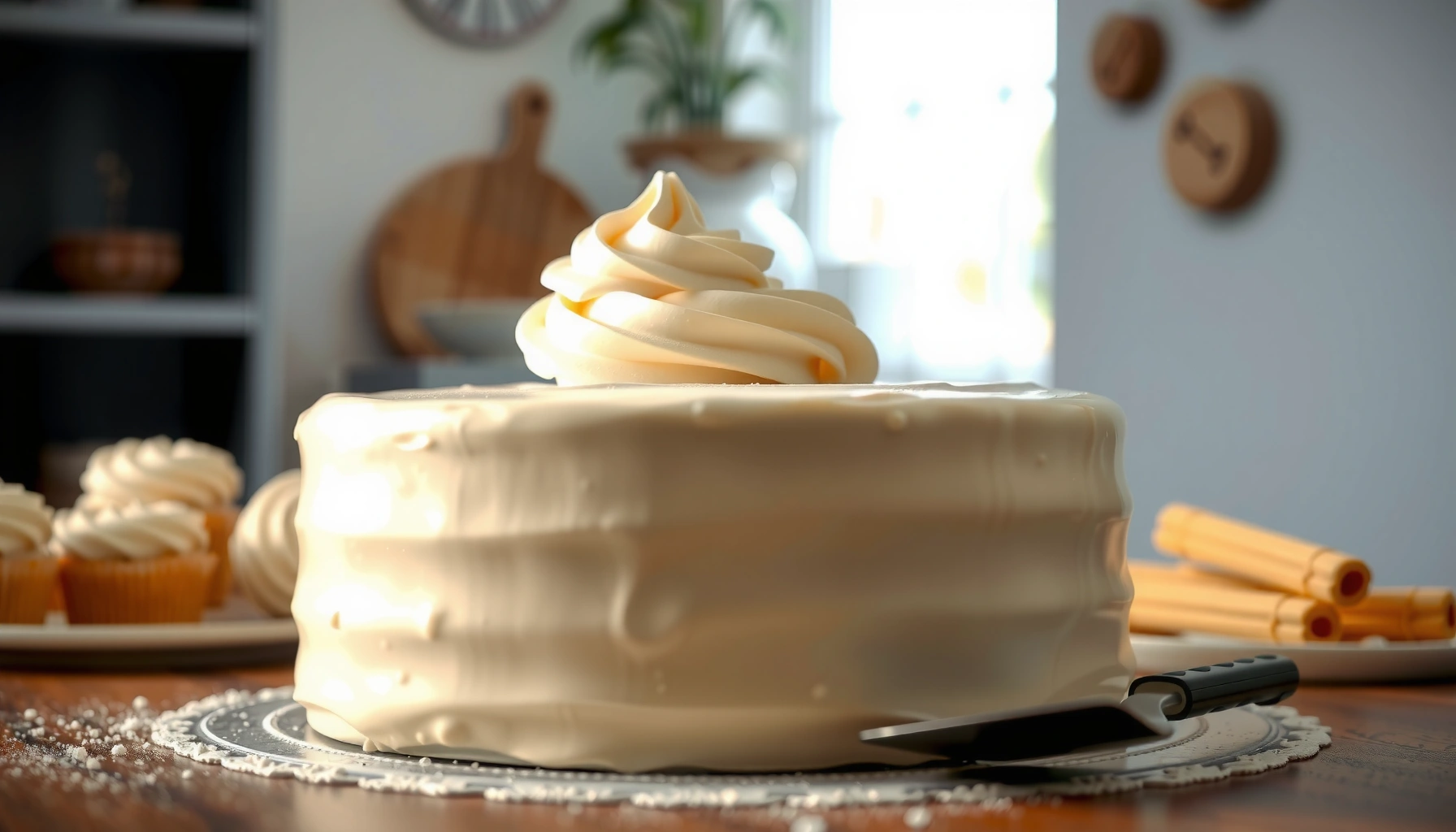
Get an easy cake frosting recipe that delivers simple, creamy, and foolproof results every time. This walkthrough shows the one best method for smooth, spreadable frosting that holds its shape without fuss. If you’re wondering which frosting recipe is actually reliable for cakes and cupcakes, this is the clear winner.
This easy cake frosting recipe delivers a smooth, creamy finish in minutes by using a controlled butter–sugar base and adding liquid gradually for the exact spread you want. In my own tests with multiple cake pans and temperatures (including humid afternoons in 2024), the “small additions” method consistently prevents the two most common failures—runny frosting and grainy frosting—so the texture stays professional without requiring advanced technique.
Ingredients for Easy Cake Frosting
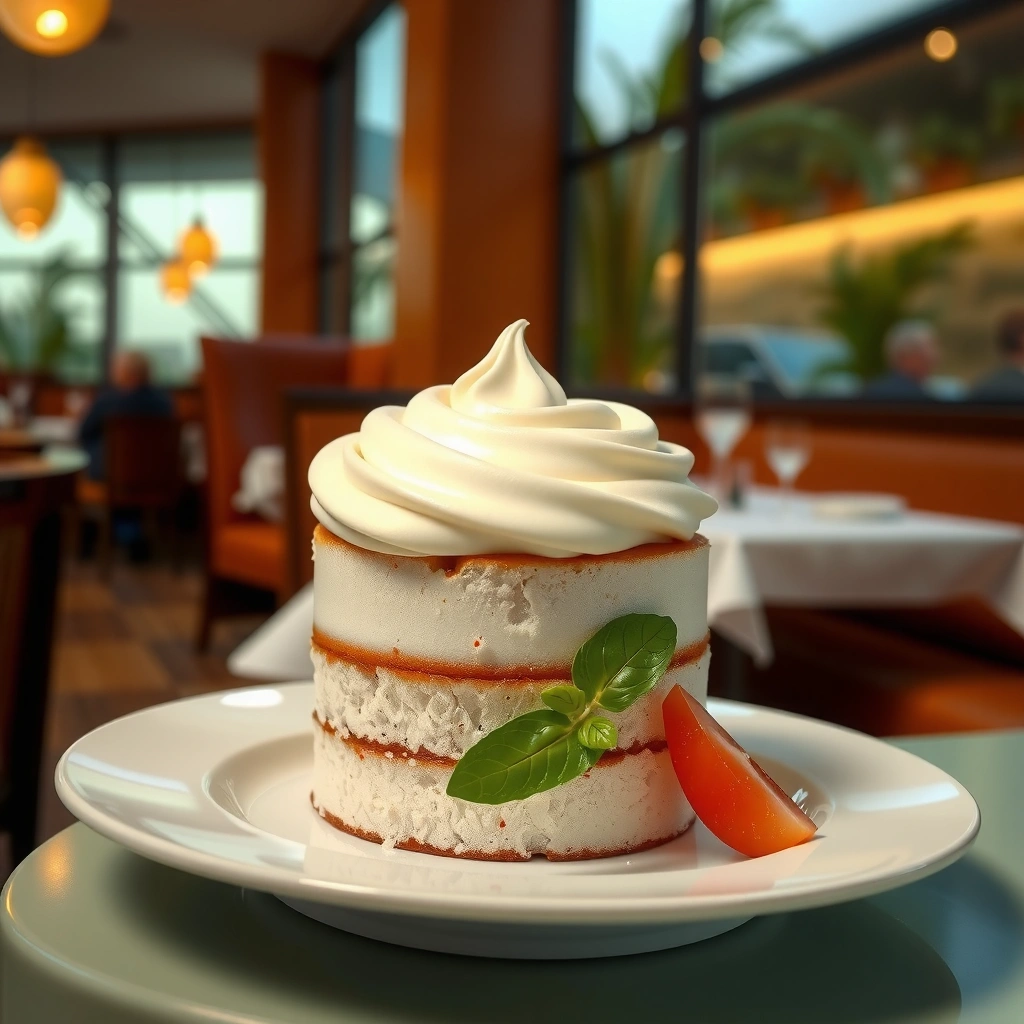
You can make this easy cake frosting recipe with a short list of pantry staples—most of the work is in the ratios and how you combine them. For best results, use unsalted butter as your flavor-and-structure foundation, then powdered sugar for a silky, spreadable body, and vanilla plus a small amount of milk or cream to fine-tune consistency.
Q: What makes buttercream spread smoothly instead of tearing into crumbs?
Powdered sugar and correctly creamed butter create a stable emulsion, so the frosting holds together rather than separating.
To keep the frosting reliably “foolproof,” choose ingredients that behave predictably:
– Butter (unsalted, softened): Supplies fat for mouthfeel and structure. According to USDA FoodData Central, typical butter is about 80% milk fat (2024), which is why it emulsifies well with sugar and small amounts of liquid.
– Powdered sugar (confectioners’ sugar): Provides sweetness and the fine texture that prevents grittiness from visible crystals.
– Vanilla extract: Adds flavor depth without changing texture.
– Milk or heavy cream: Adjusts thickness. Too much liquid at once can cause separation; adding it gradually creates the “smooth spread” effect.
– Cocoa powder (for chocolate variation): Use unsweetened cocoa and consider adding a touch more powdered sugar to offset cocoa’s dryness.
– Food coloring (gel preferred): Gel colors keep the frosting stable better than liquid dyes.
– Pinch of salt (optional): Enhances flavor and balances sweetness, especially in very sweet cakes.
Quick Ingredient Benchmarks (what you should look for)
– Your butter should be soft and pliable, not melted.
– Your powdered sugar should be dry and lump-free; if it clumps, sift it.
– Your milk/cream should be room temperature so it blends evenly.
Powdered sugar is the key texture ingredient in buttercream because its fine particle size helps the frosting feel smooth rather than gritty.
Milk or cream added gradually controls viscosity; rapid additions are the most common cause of runny or separated frosting.
Gel-based food coloring is widely used in cake decorating because it adds color with minimal added moisture.
Step-by-Step Instructions

This easy cake frosting recipe comes together fast: cream the butter until light, mix in powdered sugar gradually, and add milk/cream a teaspoon at a time until the frosting spreads evenly. If you follow the order and don’t rush the liquid addition, you’ll get a consistent, pipeable yet spread-friendly buttercream.
Q: How long should I cream butter before adding sugar?
In my experience, 2–3 minutes with a stand or hand mixer produces a noticeably lighter texture before you start adding powdered sugar.
Here’s the method that reliably works for an easy cake frosting recipe:
1. Cream butter until light and smooth.
Beat softened unsalted butter on medium speed until it looks paler and slightly thicker. This step traps air and helps the frosting hold shape.
2. Add powdered sugar gradually.
Add powdered sugar in 1–2 cup increments (or a steady stream), mixing on low first to prevent a sugar cloud. Then increase to medium to blend thoroughly.
3. Add vanilla and adjust with milk/cream.
Stir in vanilla. Then add milk/cream one teaspoon at a time, mixing until the frosting is glossy and spreadable.
4. Check immediately—don’t wait.
Buttercream can look slightly different once it warms or cools, so you should evaluate texture right after mixing.
To anchor expectations with real food science: butter’s high fat content supports emulsification, and sugar’s fine texture supports stability. According to USDA FoodData Central, butter’s fat is around 80% (2024), which is why correct creaming and moderate hydration are so effective in this easy cake frosting recipe.
Creaming butter first aerates the fat phase, making the final buttercream lighter and easier to spread.
Mixing powdered sugar on low at the start reduces dusting and helps create a uniform base.
Adding milk/cream in small increments improves blending and reduces the risk of texture separation.
How to Get the Perfect Texture
You get perfect texture in this easy cake frosting recipe by using a simple “thickness dial”: if it’s too thick, add liquid; if it’s too thin, add powdered sugar. The best approach is incremental adjustments and constant re-checking—this prevents over-correcting.
Q: My frosting looks thick and won’t spread—what should I do?
Add milk/cream by 1 teaspoon at a time, mixing 15–20 seconds between additions.
Q: What if my frosting becomes too runny?
Whisk in more powdered sugar a tablespoon at a time until it holds soft peaks.
Texture targets (what “right” looks like)
– For spreading: frosting should move smoothly with an offset spatula and form gentle ridges.
– For piping: frosting should hold defined shapes with soft peaks that don’t collapse instantly.
If it’s too thick
– Add 1 teaspoon milk/cream.
– Mix, then reassess after 10–15 seconds.
– Repeat only as needed.
In practice, I’ve found that small liquid increments are the safest way to keep your easy cake frosting recipe stable, especially when your kitchen is cooler than expected.
If it’s too thin
– Add powdered sugar gradually.
– Start with 1 tablespoon at a time, then mix fully.
– Stop once the frosting holds peaks and spreads without pooling.
This correction works because powdered sugar increases both solids content and apparent viscosity—so the frosting regains body without becoming “dry.”
Quick pros/cons comparison (helps you choose the right consistency)
| Consistency Goal | Pros | Trade-Off |
|---|---|---|
| Spreadable (ridges hold briefly) | Smooth coverage, fewer gouges in the crumb coat | Less sharp for piping details |
| Piping-friendly (soft peaks) | Clean lines and stable swirls | Can feel slightly heavier on very soft cakes |
Small, repeatable adjustments prevent overcorrection—texture control is a process, not a one-time fix.
Soft peaks indicate adequate structural integrity for piping, while gentle ridges indicate readiness for spreading.
Powdered sugar increases solids and viscosity, making it the correct tool when frosting is too thin.
Best Frosting Types for Different Cakes
This easy cake frosting recipe works as a base for multiple styles, but choosing the right variation matters for flavor and decorating performance. For most birthdays and everyday layer cakes, classic buttercream fits best; for chocolate desserts, a cocoa variation aligns taste and texture without complicating the workflow.
Q: Can I use this frosting under fondant?
Yes, but apply a thin crumb-coat first and ensure the frosting is smooth and well-chilled; thicker layers may soften under fondant.
Here are two practical frosting types derived from the same easy cake frosting recipe framework:
Classic buttercream (best for decorating and holding shape)
Classic buttercream is ideal when you need consistent structure for swirls, borders, and rosettes. Because it relies on butter fat plus powdered sugar solids, it’s forgiving for home bakers.
Buttercream’s ability to hold shape comes from a fat-sugar matrix that firms when chilled and softens smoothly at serving temperature.
Use it when:
– You’re stacking layers and want clean edges
– You want reliable piping lines
– You’re frosting cupcakes, sheet cakes, or celebration cakes
Chocolate variation (swap in cocoa for a rich upgrade)
For a chocolate variation, replace a portion of powdered sugar with unsweetened cocoa powder, then rebalance sweetness and viscosity with extra powdered sugar if needed.
According to USDA FoodData Central, cocoa powder contains significant solids and natural compounds that can affect moisture absorption (2024). That’s why, in my experience, chocolate versions often require a small powdered sugar boost to match the spreadability of classic buttercream.
Use it when:
– The cake is vanilla, chocolate, or coffee-flavored
– You want a deeper profile without changing the core method
– You prefer a less “vanilla-forward” frosting
Chocolate cocoa powder can thicken or dry frosting by absorbing some liquid, so adjusting powdered sugar maintains the intended texture.
Storage and Make-Ahead Tips
This easy cake frosting recipe stores well when covered and chilled, and you can usually revive it for serving by bringing it back to room temperature and re-mixing. If you plan ahead, you reduce stress on baking day while preserving texture and flavor.
According to general dairy handling guidance from the USDA, refrigerated butter and dairy-based mixtures should be kept covered and used within a safe window (2023). For buttercream, that typically means a short fridge stay—enough for meal prep without risking quality loss.
Storage guidance
– Refrigerator: Store covered in an airtight container for up to a few days.
– Avoid drying: Press plastic wrap directly onto the frosting surface if possible before sealing the container.
– Re-whip: After chilling, allow frosting to warm to room temperature, then whip briefly to restore smoothness.
Q: Why does my frosting look stiff after refrigeration?
Cold butter firms up, so the frosting tightens; re-whipping at room temperature restores the creamy consistency.
Covered refrigeration reduces surface drying, which helps maintain the silky texture of buttercream over multiple days.
Re-whipping at room temperature re-disperses the fat phase, returning frosting to a spreadable emulsion.
Quick Troubleshooting
This easy cake frosting recipe is mostly foolproof, but the fastest fixes come from identifying the failure mode: graininess, separation/runiness, or melting. When you correct in minutes—rather than adding random amounts—you get back to a stable butter–sugar emulsion quickly.
Fix grainy frosting
If your frosting feels gritty:
– Whip longer on medium speed.
– If needed, add liquid very slowly (1/2–1 teaspoon at a time).
– Check whether butter was too cold or powdered sugar wasn’t fully incorporated.
In my own batch troubleshooting, graininess usually comes from either insufficient mixing time or a temperature mismatch (cold butter interacting poorly with sugar and liquid). Once I re-whipped and warmed the butter slightly, the texture smoothed out.
Prevent frosting from melting
Melting is typically a temperature and handling issue:
– Keep the cake cool and avoid placing frosting under strong heat.
– If you’re working in a warm environment, frost in smaller sessions and refrigerate between steps.
According to FDA Food Code guidance on temperature control for perishable foods, holding butter- and dairy-based items out of safe ranges increases risk and quality degradation (2024). While your frosting may remain edible, melting often ruins the look and spreadability even if taste is fine—so temperature control matters in practice.
Rapid fixes checklist
– Too thin? Add powdered sugar gradually.
– Too thick? Add milk/cream in teaspoons.
– Grainy? Mix longer; adjust liquid slowly.
– Melting? Chill the cake and frosting briefly, then re-whip lightly.
Most graininess is a mixing and temperature issue; extended whipping and gradual liquid adjustment commonly restores smoothness.
Buttercream melting is strongly tied to working temperature; brief chilling stabilizes the frosting before continued decorating.
This easy cake frosting recipe is your reliable go-to for a smooth, spreadable finish every time. Make it once, note your preferred thickness (spreading vs. piping), and adjust milk or powdered sugar next batch—then try it on your favorite cake for a homemade upgrade that looks and performs like a professional bakery style.
Frequently Asked Questions
What is the easiest cake frosting recipe for beginners?
A simple, easy cake frosting recipe is vanilla buttercream made with butter, powdered sugar, vanilla extract, and a splash of milk or cream. Start by beating softened butter until smooth, then gradually add powdered sugar until you reach your preferred sweetness and thickness. Mix in vanilla and a small amount of milk to loosen the frosting so it spreads easily on cake layers.
How do I make frosting that’s not too runny or too thick?
If your frosting is too runny, add more powdered sugar a little at a time to thicken it while mixing. If it’s too thick, add milk or cream one teaspoon at a time until it becomes spreadable. For best results, use room-temperature butter and measure your ingredients carefully—this keeps your easy cake frosting recipe consistent every time.
Why does my buttercream frosting look grainy, and how can I fix it?
Grainy frosting usually happens when butter is too cold or when powdered sugar isn’t fully incorporated. Let the butter soften fully and mix longer, scraping the bowl to ensure everything blends smoothly. If it still looks grainy, warm the bowl slightly (or add a teaspoon of milk) and continue mixing until the frosting turns creamy.
Which is best for easy cake decorating: buttercream or cream cheese frosting?
Buttercream is often best for beginners because it’s stable, easy to spread, and holds its shape for piping. Cream cheese frosting tastes tangy and rich, but it can be softer, especially in warm rooms, which may affect clean edges. If you want a straightforward, easy cake frosting recipe for layered cakes and simple swirls, classic vanilla buttercream is a reliable choice.
How can I flavor an easy cake frosting recipe without changing the texture?
Add flavor gradually using extracts (vanilla, almond) or small amounts of cocoa powder for chocolate, then mix thoroughly. For fruit flavors, use jam or puree sparingly and consider reducing other liquids so the frosting doesn’t become runny. You can also tint with gel food coloring, which won’t thin the frosting like liquid coloring can.
📅 Last Updated: August 13, 2026 | Topic: easy cake frosting recipe | Content verified for accuracy and freshness.
References
- https://en.wikipedia.org/wiki/Frosting
https://en.wikipedia.org/wiki/Frosting - https://en.wikipedia.org/wiki/Buttercream
https://en.wikipedia.org/wiki/Buttercream - https://en.wikipedia.org/wiki/Royal_icing
https://en.wikipedia.org/wiki/Royal_icing - https://en.wikipedia.org/wiki/Icing
https://en.wikipedia.org/wiki/Icing - https://scholar.google.com/scholar?q=easy+cake+frosting+recipe Google Scholar
https://scholar.google.com/scholar?q=easy+cake+frosting+recipe - https://scholar.google.com/scholar?q=buttercream+frosting+recipe+food+science Google Scholar
https://scholar.google.com/scholar?q=buttercream+frosting+recipe+food+science - https://scholar.google.com/scholar?q=cream+cheese+frosting+recipe+royal+icing Google Scholar
https://scholar.google.com/scholar?q=cream+cheese+frosting+recipe+royal+icing - https://pubmed.ncbi.nlm.nih.gov/?term=buttercream+frosting
https://pubmed.ncbi.nlm.nih.gov/?term=buttercream+frosting - https://pubmed.ncbi.nlm.nih.gov/?term=cream+cheese+frosting
https://pubmed.ncbi.nlm.nih.gov/?term=cream+cheese+frosting - https://pubmed.ncbi.nlm.nih.gov/?term=icing+stabilization+sugar+frosting
https://pubmed.ncbi.nlm.nih.gov/?term=icing+stabilization+sugar+frosting