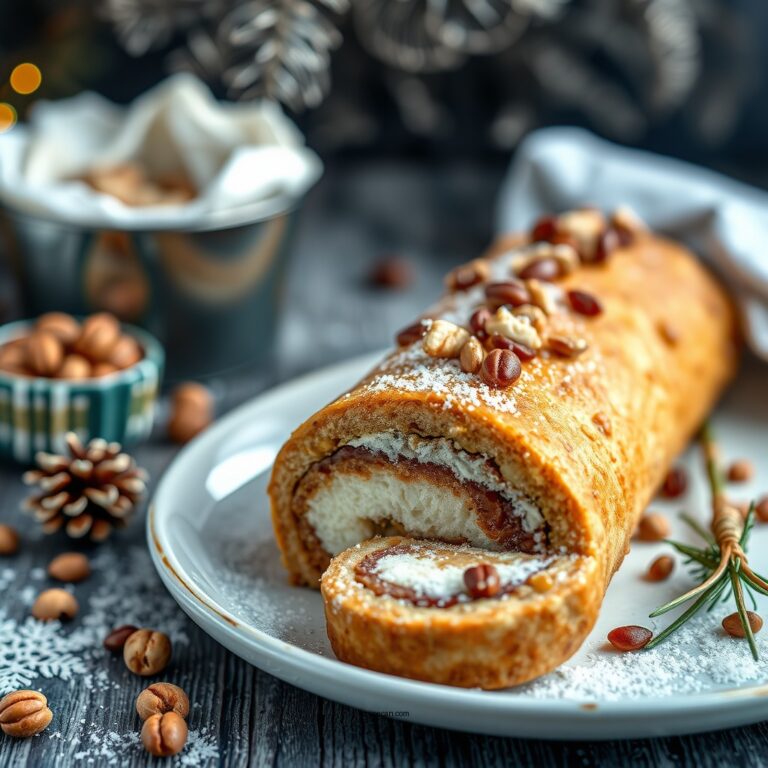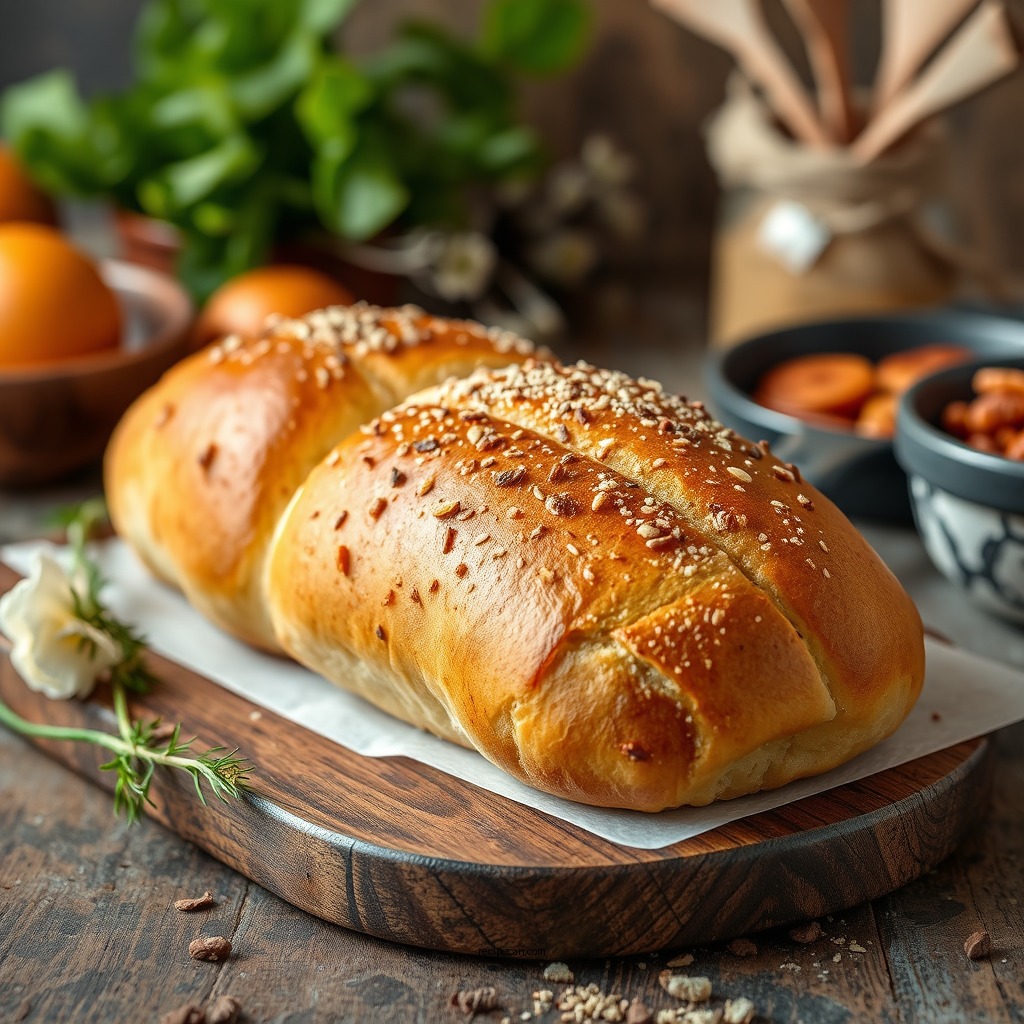
Making delicious bread rolls at home is simple and rewarding. In this article, you will learn a straightforward recipe for bread rolls that are soft, fluffy, and perfect for sandwiches or as a side. Get ready to impress your family and friends with homemade rolls that are sure to be a hit!
Bread rolls are versatile and can complement a variety of meals, from soups and salads to barbecues and family dinners. With just a few basic ingredients and some simple steps, you can create rolls that are not only delightful to eat but also satisfying to make. Let’s delve into the details of crafting these culinary staples.
Ingredients You’ll Need
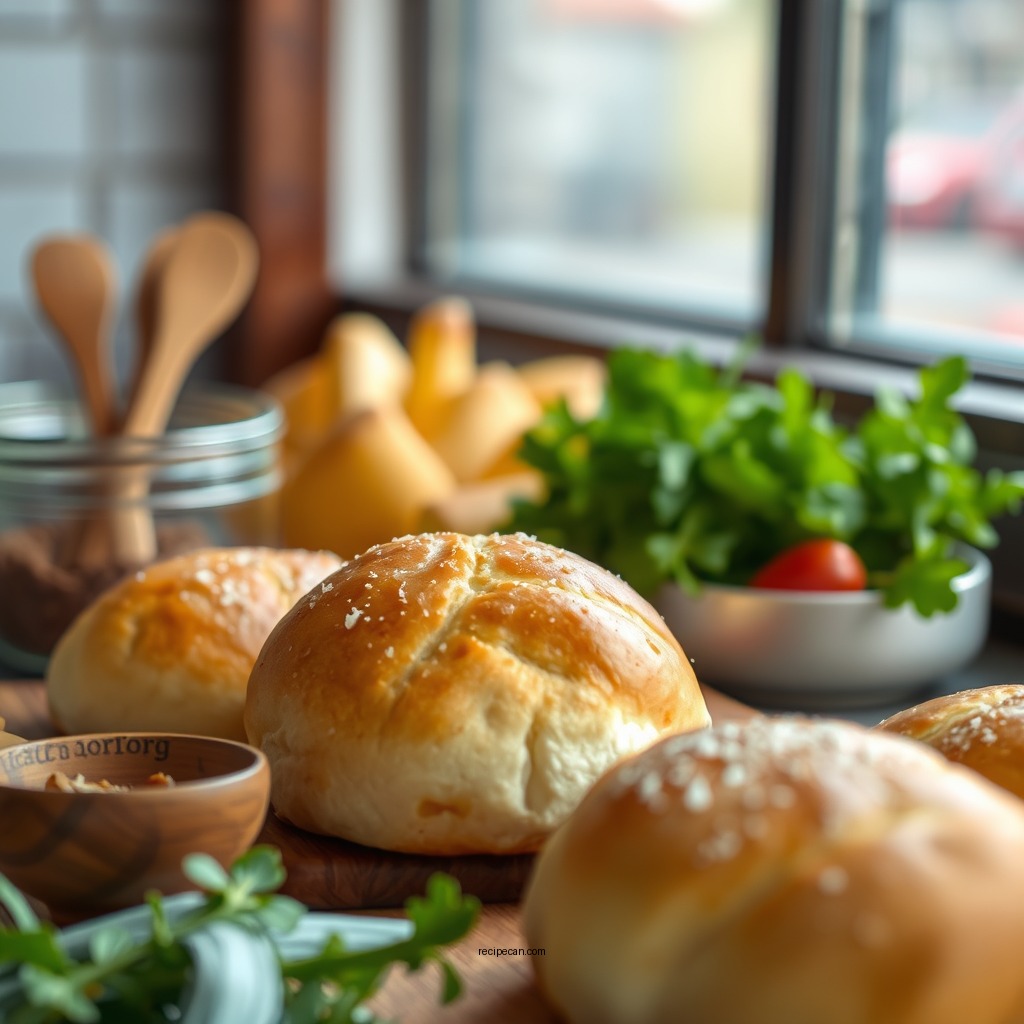
To create the perfect bread rolls, you’ll need the following ingredients:
– All-purpose flour: The foundation of your rolls, all-purpose flour will provide the structure and light texture necessary for fluffy rolls. It contains the right balance of gluten that helps the dough rise while maintaining a tender crumb.
– Yeast: This is the magic ingredient that makes your rolls rise. Active dry yeast is commonly used, as it ferments and produces carbon dioxide, which causes the dough to expand and become airy.
– Sugar: A small amount of sugar not only adds a hint of sweetness but also serves as food for the yeast, aiding its activation and enhancing the flavor of the rolls.
– Salt: Essential for flavor, salt also regulates yeast activity and strengthens the dough. A pinch goes a long way in improving the overall taste of the rolls.
– Water: Warm water is necessary to activate the yeast and blend all the ingredients. The temperature should be warm to the touch but not hot, as excessive heat can kill the yeast.
– Butter: While optional, melted butter can be added to enrich the dough, giving your rolls a delightful flavor and a soft, tender texture.
Essential Equipment
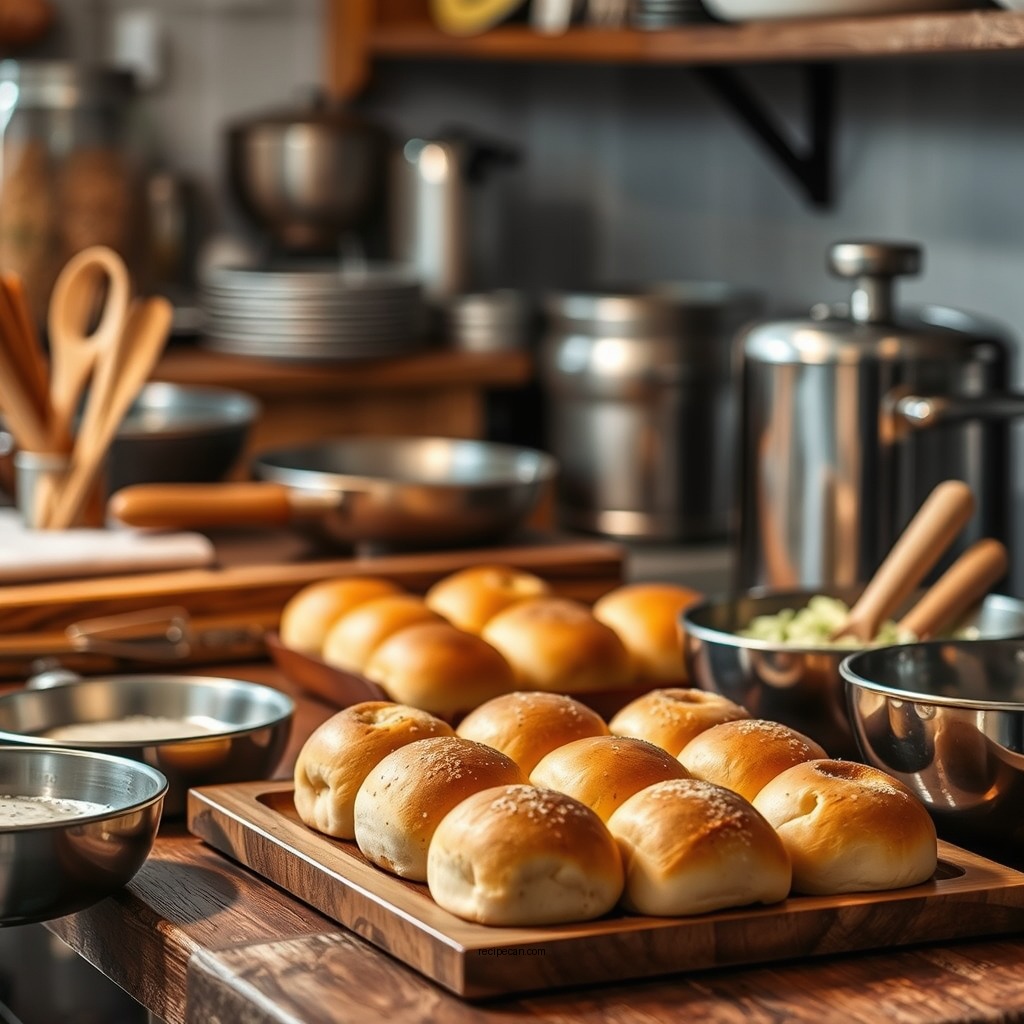
Before you start baking, gather the necessary tools to streamline the process:
– Mixing bowl: A large mixing bowl is essential for combining all your ingredients and kneading the dough. Opt for a bowl that allows enough space for the dough to rise.
– Baking sheet: Use a standard baking sheet to shape and bake your rolls. If you have a non-stick sheet, it will help prevent the rolls from sticking during baking.
– Kitchen towel: A clean kitchen towel is vital for covering the dough while it rises. This keeps the dough warm and prevents it from drying out, allowing for optimal yeast activity.
– Rolling pin: If you prefer to roll out your dough before shaping, a rolling pin can be helpful, although it’s not strictly necessary for simple roll recipes.
– Oven thermometer: Ensuring your oven is at the correct temperature is crucial for baking success. An oven thermometer can help you monitor the heat accurately.
Step-by-Step Instructions
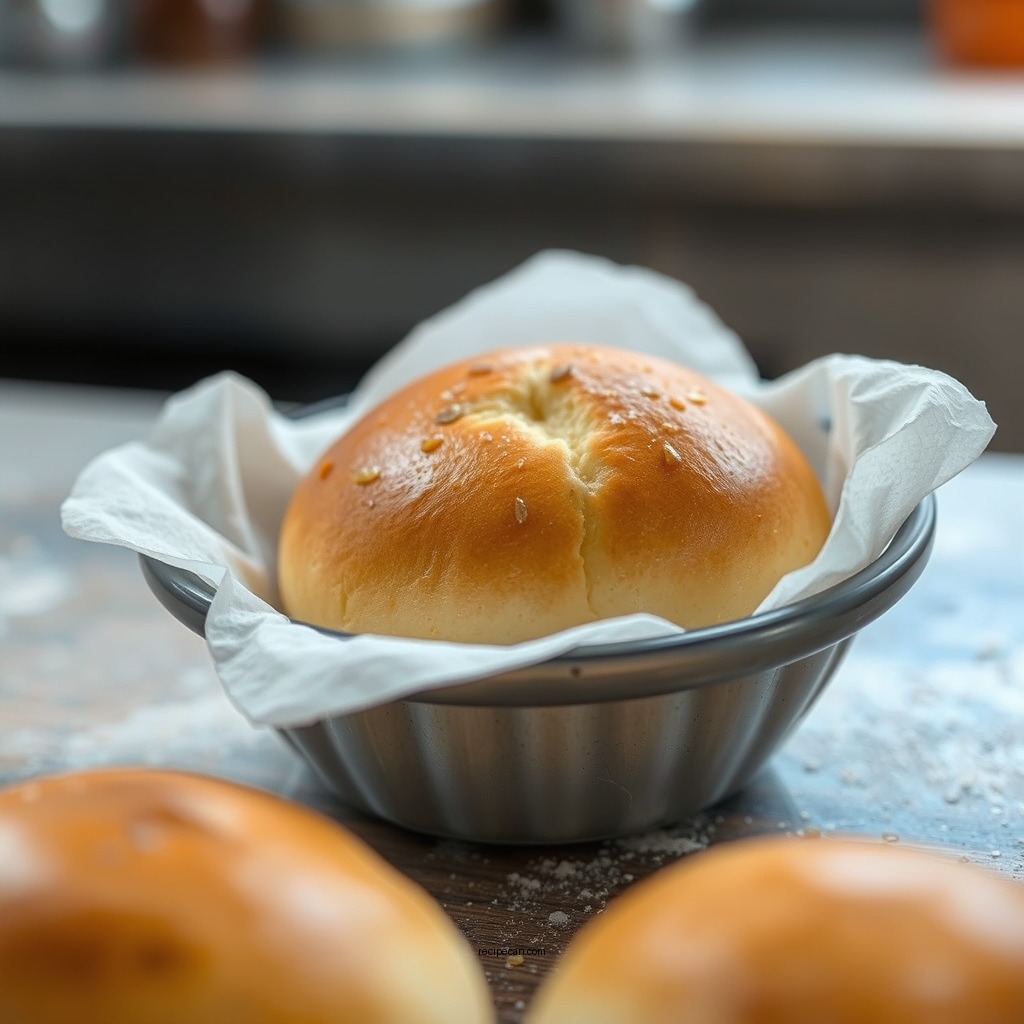
Follow these simple steps to create your bread rolls:
1. Combine the dry ingredients: In a mixing bowl, whisk together 4 cups of all-purpose flour, 2 teaspoons of active dry yeast, 2 tablespoons of sugar, and 1 teaspoon of salt. This ensures the yeast is evenly distributed throughout the flour.
2. Form the dough: Gradually add 1.5 cups of warm water to the dry ingredients. Mix until a shaggy dough begins to form. Transfer the dough onto a floured surface and knead for about 8-10 minutes until smooth and elastic. If the dough is too sticky, sprinkle in a little more flour as needed.
3. Allow to rise: Place the kneaded dough back in the mixing bowl and cover it with a damp kitchen towel. Let it rise in a warm, draft-free area for about 1 hour or until it has doubled in size. This rising process is crucial for achieving fluffy rolls.
4. Punch down the dough: After the dough has risen, gently punch it down to release excess air. This helps to maintain the texture of the rolls.
Shaping Your Bread Rolls
1. Divide the dough: Once punched down, turn the dough out onto a lightly floured surface and divide it into 12-15 equal portions. This ensures each roll will be of similar size.
2. Shape each roll: Take each piece and gently stretch and fold the edges into the center, then roll it into a smooth ball. This technique helps create surface tension, resulting in a better rise during baking.
3. Place on the baking sheet: Arrange the shaped rolls on the baking sheet, leaving enough space between each to allow for expansion. If desired, you can place them in a greased 9×13 inch pan for a more clustered look.
Baking Tips for Perfection
1. Preheat your oven: Set your oven to 375°F (190°C) and let it preheat fully before placing the rolls inside. This ensures even baking from the start.
2. Brush with butter: Before baking, brush the tops of the rolls with melted butter for a rich flavor and a beautiful golden brown crust.
3. Check for doneness: Bake the rolls for approximately 15-20 minutes until they are lightly browned and sound hollow when tapped on the bottom. If you have a kitchen thermometer, the internal temperature should reach about 190°F (88°C).
Essential Ingredients for Bread Rolls
| # | Ingredient | Quantity | Purpose |
|---|---|---|---|
| 1 | All-purpose flour | 4 cups | Base structure |
| 2 | Active dry yeast | 2 tsp | Leavening agent |
| 3 | Sugar | 2 tbsp | Flavor and yeast food |
| 4 | Salt | 1 tsp | Flavor and strength |
| 5 | Warm water | 1.5 cups | Activates yeast |
| 6 | Butter | 2 tbsp (optional) | Flavor enhancer |
| 7 | Egg (optional) | 1 (for egg wash) | Glaze for shine |
Bread Roll Variations
Serving Suggestions
Homemade bread rolls are not just a treat; they can elevate any meal when paired correctly:
– Pair with meals: These rolls are perfect for serving alongside hearty soups, fresh salads, or grilled meats. They can also be used as a base for sliders or mini sandwiches, offering a soft and flavorful option for your guests.
– Storage tips: To maintain freshness, store your rolls in an airtight container at room temperature for up to two days. If you want to keep them longer, consider freezing the rolls. Simply wrap them tightly in plastic wrap and place them in a freezer-safe bag. To enjoy them later, thaw at room temperature and reheat in the oven for a few minutes to regain their softness.
Troubleshooting Common Issues
Baking can sometimes come with challenges, but here are solutions to common bread roll problems:
– Dense rolls: If your rolls are not rising properly, check the freshness of your yeast. Old or improperly stored yeast can lose its potency. Additionally, ensure you are kneading the dough sufficiently to develop gluten, which gives the rolls structure.
– Overly dry: If your rolls turn out dry, you may have added too much flour. Adjust your measurements based on humidity levels, as flour can absorb moisture differently in various environments.
– Uneven baking: To ensure even baking, rotate the baking sheet halfway through the baking time. This helps compensate for any hot spots in your oven and guarantees that all rolls receive equal heat.
Enjoy your homemade bread rolls and share them with loved ones. These rolls are easy to make and will elevate any meal. Don’t hesitate to experiment with different herbs or spices to customize your rolls. Happy baking!
In summary, with this easy bread roll recipe, you can create delicious treats that are sure to impress. The combination of simple ingredients, effective techniques, and a bit of patience will yield rolls that are fluffy, flavorful, and perfect for any occasion. Whether for a family dinner or a casual gathering, these rolls will undoubtedly be a hit!
Frequently Asked Questions
What ingredients do I need for a basic bread roll recipe?
To make a basic bread roll recipe, you will need all-purpose flour, yeast, salt, sugar, warm water, and butter or oil. These essential ingredients come together to create soft, fluffy rolls that are perfect for any meal.
How do I achieve soft and fluffy bread rolls?
To achieve soft and fluffy bread rolls, ensure that you knead the dough thoroughly to develop gluten, which gives the rolls their structure. Additionally, allow the dough to rise in a warm environment until it doubles in size, as this fermentation process contributes to their light texture.
Why did my bread rolls come out dense?
Dense bread rolls can result from various factors, including insufficient kneading, using expired yeast, or not allowing the dough to rise long enough. To prevent this, always check the freshness of your yeast and ensure that you knead the dough until it is smooth and elastic.
What is the best way to store homemade bread rolls?
The best way to store homemade bread rolls is to place them in an airtight container at room temperature for up to three days. For longer storage, you can freeze them in a freezer-safe bag, which preserves their freshness for up to three months.
Which techniques can enhance the flavor of my bread rolls?
To enhance the flavor of your bread rolls, consider adding herbs, garlic, or cheese directly into the dough. Additionally, brushing the rolls with melted butter right after baking can create a rich, savory finish that elevates their taste.
References
- https://en.wikipedia.org/wiki/Roll_(bread
https://en.wikipedia.org/wiki/Roll_(bread - https://www.bbc.co.uk/food/recipes/soft_bread_rolls_15700
https://www.bbc.co.uk/food/recipes/soft_bread_rolls_15700 - https://www.sciencedirect.com/topics/food-science/bread-roll
https://www.sciencedirect.com/topics/food-science/bread-roll - https://www.britannica.com/topic/bread-roller
https://www.britannica.com/topic/bread-roller - https://scholar.google.com/scholar?q=bread+roll+recipe Google Scholar
https://scholar.google.com/scholar?q=bread+roll+recipe - https://scholar.google.com/scholar?q=baking+bread+rolls Google Scholar
https://scholar.google.com/scholar?q=baking+bread+rolls - https://scholar.google.com/scholar?q=history+of+bread+rolls Google Scholar
https://scholar.google.com/scholar?q=history+of+bread+rolls - https://www.ncbi.nlm.nih.gov/pmc/articles/PMC5393775/
https://www.ncbi.nlm.nih.gov/pmc/articles/PMC5393775/ - https://www.food.gov.uk/science/research/food-safety/food-safety-research
https://www.food.gov.uk/science/research/food-safety/food-safety-research - https://www.nature.com/articles/s41598-020-70538-4
https://www.nature.com/articles/s41598-020-70538-4