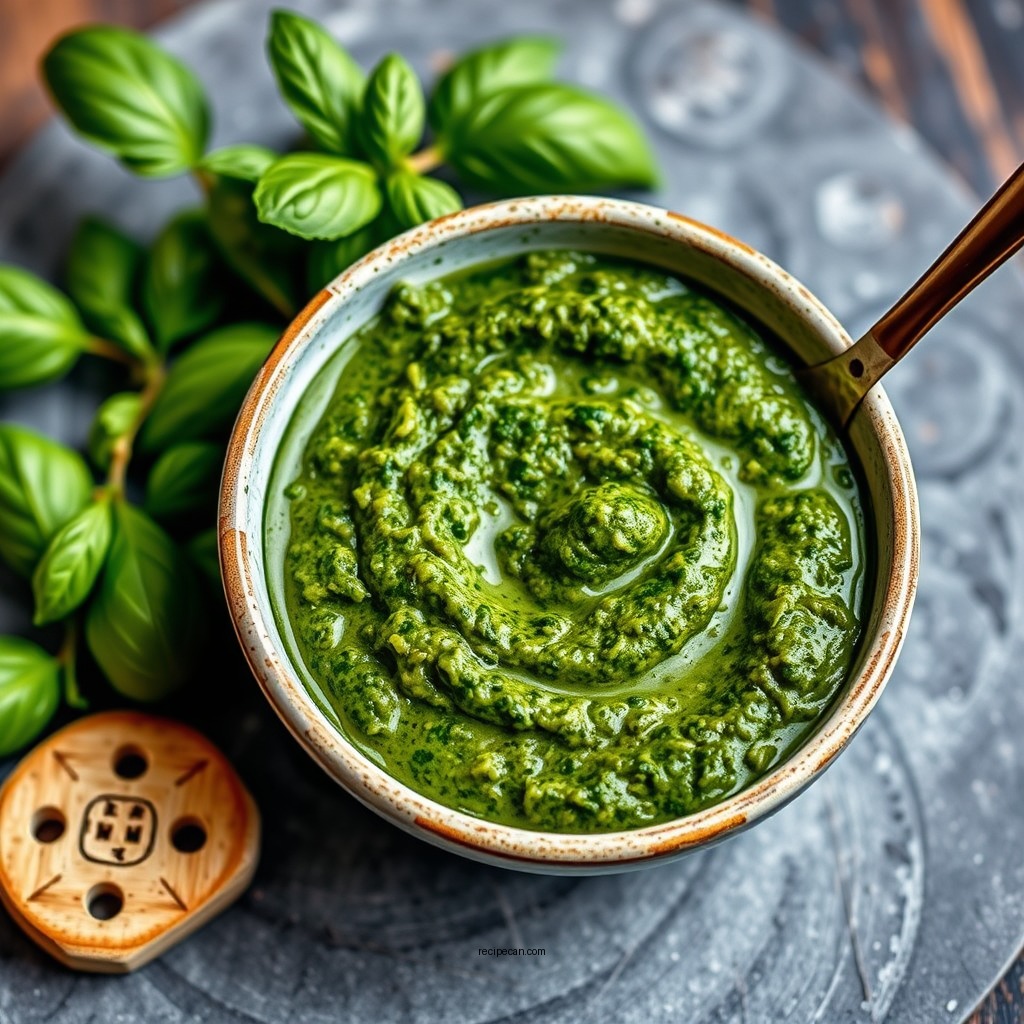
Making basil pesto sauce at home is simple and requires just a few fresh ingredients. This classic Italian sauce not only adds a burst of flavor to your dishes but is also incredibly versatile and easy to prepare. In this article, you’ll learn how to create a delicious and vibrant basil pesto that enhances everything from pasta to sandwiches. Follow this easy recipe and enjoy the rich flavor of homemade pesto.
Ingredients You’ll Need
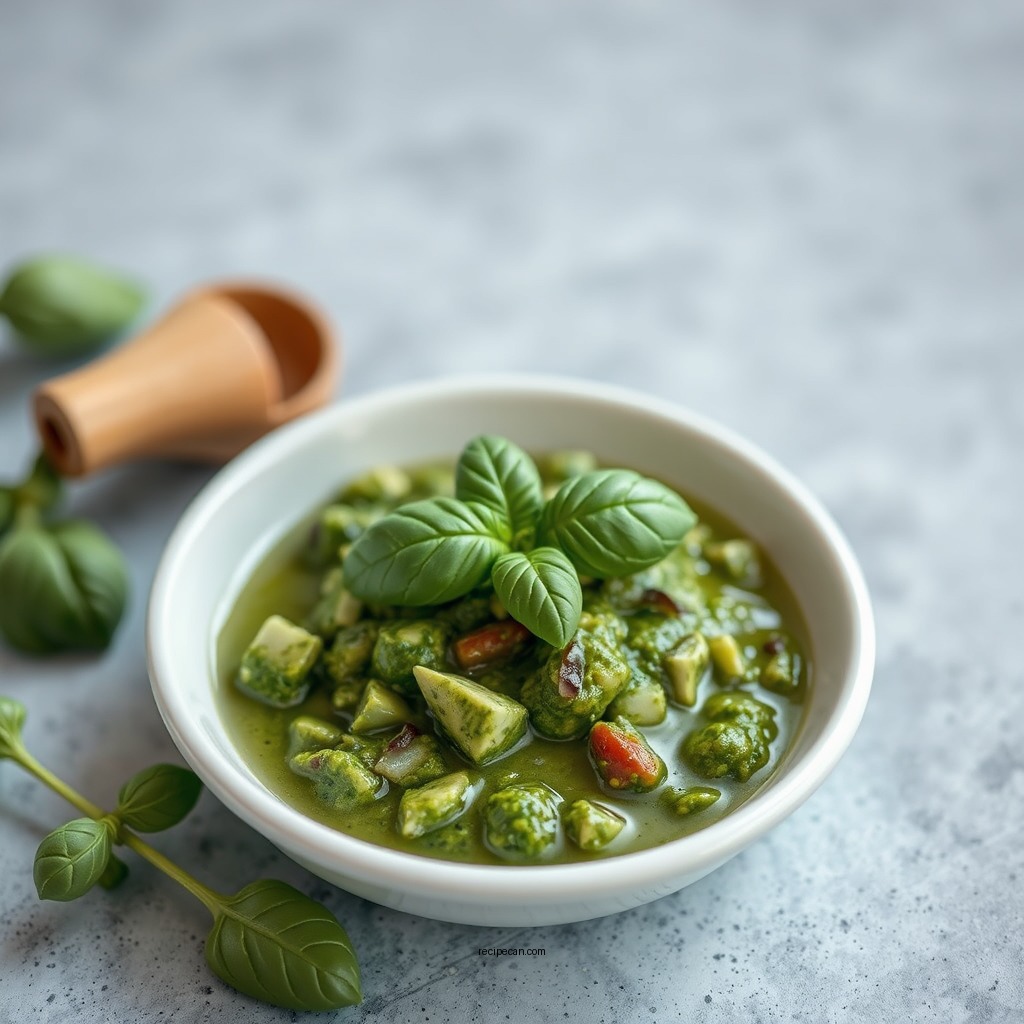
To create a perfect basil pesto, you will need the following fresh ingredients:
– Fresh basil leaves (about 2 cups packed): The star ingredient, basil provides a fragrant and slightly sweet flavor.
– Pine nuts or walnuts (1/2 cup): These nuts add creaminess and a crunchy texture. Pine nuts are traditional, but walnuts are a cost-effective alternative.
– Garlic cloves (2-3, depending on taste): Fresh garlic infuses the pesto with a robust flavor; adjust the amount based on your preference for garlic.
– Olive oil (1 cup): High-quality extra virgin olive oil gives the pesto its smooth consistency and rich taste.
– Parmesan cheese (1/2 cup grated): This cheese contributes a savory element and enhances the overall flavor profile.
– Salt and pepper to taste: Essential for balancing the flavors; adjust according to your palate.
Step-by-Step Instructions
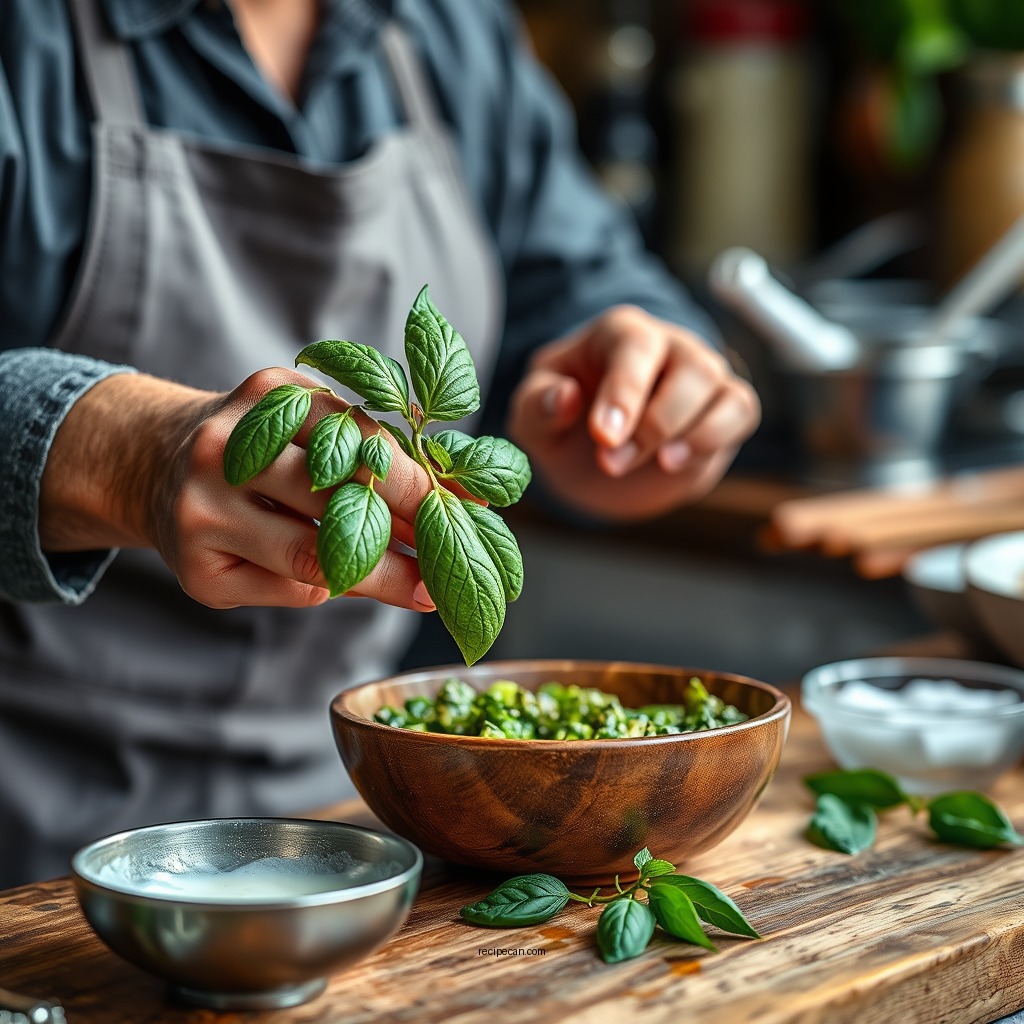
1. Start by toasting the nuts: Place your choice of nuts in a dry skillet over medium heat. Toast them until they are golden brown, stirring frequently to prevent burning. This step enhances their flavor and adds depth to your pesto.
2. Combine basil, nuts, and garlic in a food processor: Once the nuts have cooled, add them to a food processor along with the fresh basil leaves and garlic. Pulse the mixture until it is finely chopped, ensuring a uniform consistency.
Blending the Ingredients
– Add olive oil gradually: With the food processor running, slowly drizzle in the olive oil. This allows the oil to emulsify with the other ingredients, creating a smooth and creamy pesto sauce.
– Scrape down the sides: Stop the processor occasionally to scrape down the sides of the bowl. This ensures that all ingredients are well mixed and prevents any bits from being left unincorporated.
Adding Flavor and Texture
– Incorporate grated Parmesan cheese: Add the grated Parmesan cheese to the mixture and pulse a few more times until fully combined. The cheese will add creaminess and a salty flavor that complements the basil and nuts.
– Season to taste: Finally, season the pesto with salt and pepper. Taste the mixture and make any adjustments necessary to suit your flavor preferences.
Top 7 Ingredients for Homemade Basil Pesto (2023)
| # | Ingredient | Quantity | Calories (per serving) | Health Benefits |
|---|---|---|---|---|
| 1 | Basil | 2 cups | 9 | Rich in antioxidants |
| 2 | Pine Nuts | 1/2 cup | 378 | High in magnesium |
| 3 | Garlic | 2-3 cloves | 4 | Boosts immunity |
| 4 | Olive Oil | 1 cup | 191 | Heart-healthy fats |
| 5 | Parmesan Cheese | 1/2 cup | 216 | Calcium-rich |
| 6 | Salt | to taste | 0 | Essential mineral |
| 7 | Pepper | to taste | 0 | Aids digestion |
Storage Tips for Basil Pesto
– Refrigeration: Store your basil pesto in an airtight container in the fridge, where it can last for up to a week. To prevent oxidation and browning, consider drizzling a thin layer of olive oil on top before sealing.
– Freezing: For longer-term storage, freeze your pesto in ice cube trays. Once frozen, transfer the pesto cubes to a resealable plastic bag for easy portioning. This method allows you to defrost only what you need, ensuring freshness and flavor.
Serving Suggestions
Basil pesto is incredibly versatile and can be used in various ways:
– Pasta: Toss freshly cooked pasta with basil pesto for a quick and flavorful meal. For a gourmet touch, add sautéed vegetables or grilled chicken.
– Spread: Use pesto as a spread on sandwiches or wraps to add a burst of flavor without the need for additional condiments.
– Dip: Serve pesto as a dip for fresh veggies, bread, or crackers. It makes an excellent appetizer for gatherings.
Variations to Try
While the classic basil pesto is delightful on its own, consider these variations to customize your recipe:
– Nut Alternatives: Experiment with different nuts like almonds or pecans, which can offer unique flavors and textures.
– Citrus Twist: Add a splash of lemon juice or zest for a zesty twist that brightens the flavor profile.
– Greens Substitution: Replace part of the basil with spinach or arugula for a different flavor profile while still maintaining the vibrant green color.
Ingredient Variations for Basil Pesto (2023)
By following these steps, you can easily whip up a fresh batch of basil pesto sauce that will elevate your meals. Enjoy the vibrant flavors and versatility of this classic sauce, and don’t hesitate to get creative with your own variations! Homemade basil pesto not only enhances the taste of your dishes but also allows you to control the quality and freshness of the ingredients, making it a worthwhile addition to your culinary repertoire.
Frequently Asked Questions
What ingredients do I need for a classic basil pesto sauce recipe?
To make a classic basil pesto sauce, you will need fresh basil leaves, pine nuts, garlic, Parmesan cheese, olive oil, and salt. These ingredients blend together to create a vibrant sauce that can elevate pasta dishes, sandwiches, and more.
How do I store homemade basil pesto sauce to keep it fresh?
To store homemade basil pesto sauce, transfer it to an airtight container and drizzle a thin layer of olive oil on top to prevent oxidation. It can be refrigerated for up to a week or frozen in ice cube trays for longer storage, allowing you to enjoy fresh pesto whenever you need it.
Why is my basil pesto sauce turning brown, and how can I prevent it?
Basil pesto sauce can turn brown due to oxidation when exposed to air. To prevent this, ensure you store it in a tightly sealed container and consider adding a bit more olive oil on top before sealing, which can create a barrier against air exposure.
What is the best way to use basil pesto sauce besides pasta?
The best way to use basil pesto sauce beyond pasta includes spreading it on sandwiches or wraps, drizzling it over grilled vegetables, or using it as a marinade for meats and fish. Its versatility makes it a fantastic addition to numerous dishes, enhancing flavor and freshness.
Which types of nuts can I substitute for pine nuts in basil pesto sauce?
You can substitute pine nuts with walnuts, almonds, or cashews in your basil pesto sauce recipe. Each nut will impart a slightly different flavor and texture, allowing you to customize your pesto to your taste preferences while maintaining the creamy consistency that makes pesto so delightful.
References
- Pesto
https://en.wikipedia.org/wiki/Pesto - https://www.nytimes.com/recipes/1012572/basil-pesto
https://www.nytimes.com/recipes/1012572/basil-pesto - Google Scholar Google Scholar
https://scholar.google.com/scholar?q=basil+pesto+sauce+recipe - Google Scholar Google Scholar
https://scholar.google.com/scholar?q=pesto+recipes - https://www.sciencedirect.com/topics/food-science/pesto
https://www.sciencedirect.com/topics/food-science/pesto - Pesto | Sauce, Origin, Ingredients, Uses, & Meaning | Britannica
https://www.britannica.com/topic/pesto - https://www.healthline.com/nutrition/pesto-sauce
https://www.healthline.com/nutrition/pesto-sauce - https://www.ncbi.nlm.nih.gov/pmc/articles/PMC6744222/
https://www.ncbi.nlm.nih.gov/pmc/articles/PMC6744222/ - basil pesto sauce recipe – Search results
https://en.wikipedia.org/wiki/Special:Search?search=basil+pesto+sauce+recipe - https://www.ncbi.nlm.nih.gov/search/research-articles/?term=basil+pesto+sauce+recipe
https://www.ncbi.nlm.nih.gov/search/research-articles/?term=basil+pesto+sauce+recipe