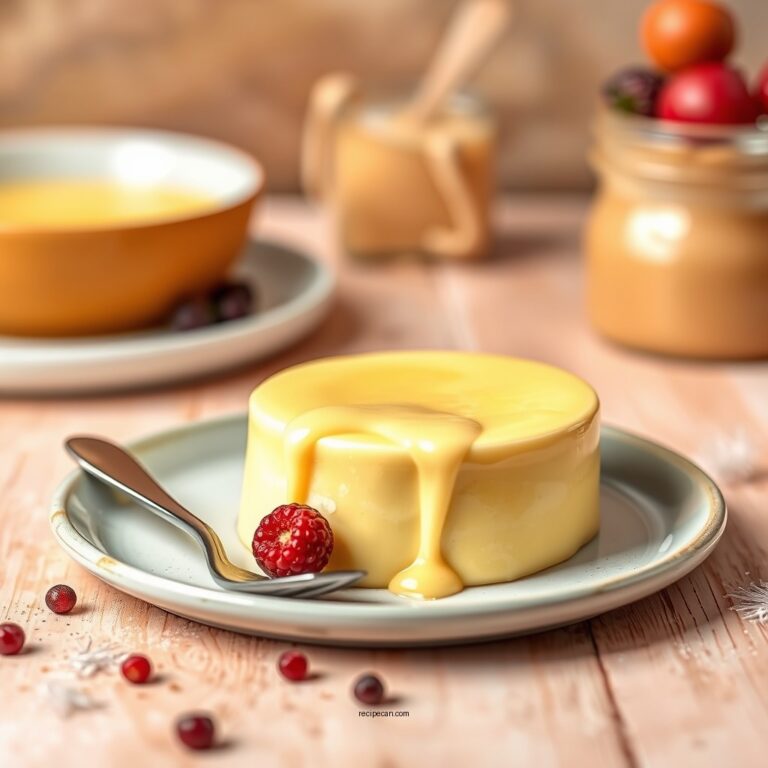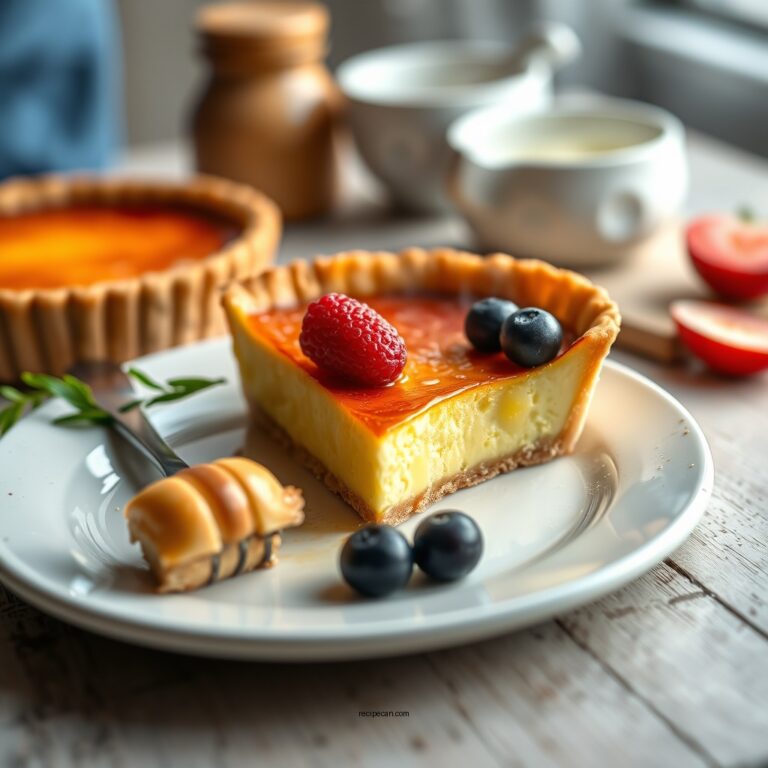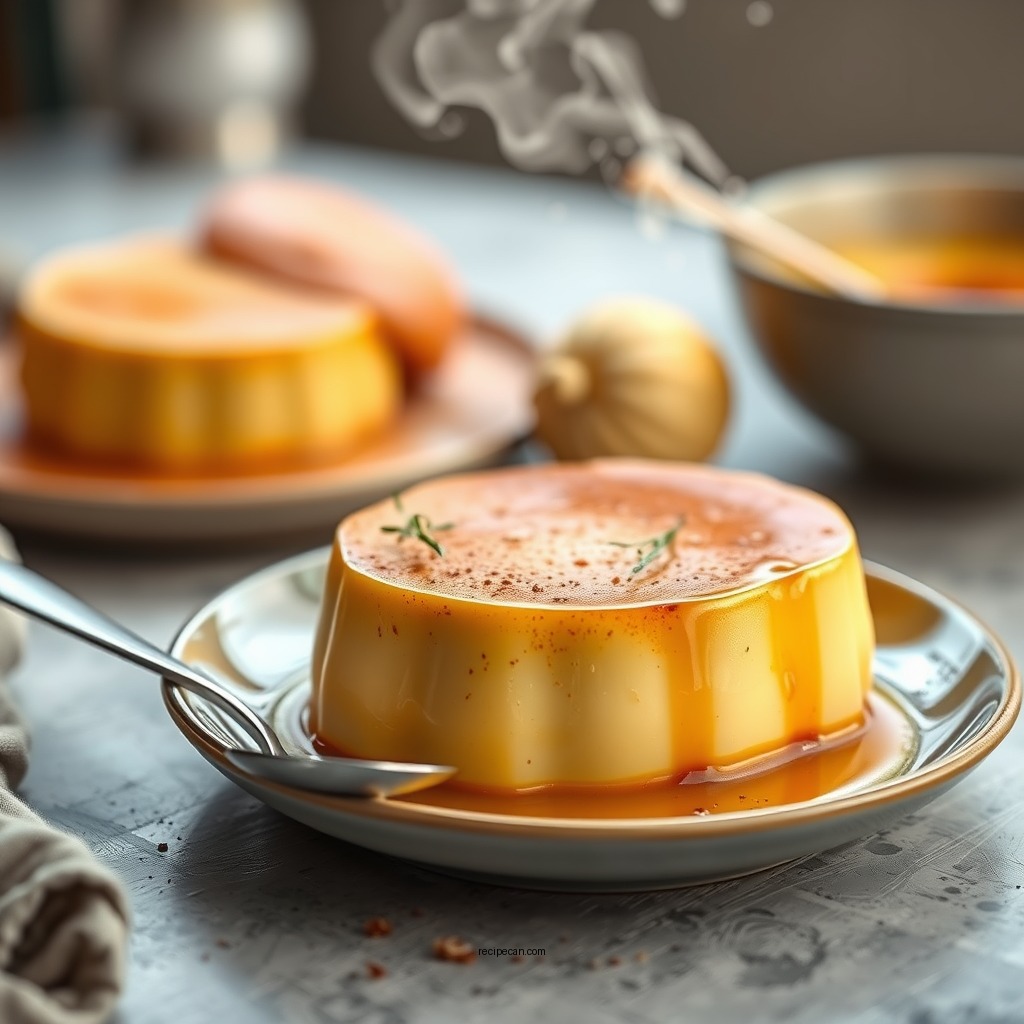
Making a basic custard is simple and requires just a few essential ingredients. In this guide, you will learn how to create a smooth and creamy custard that can be used in various desserts. Whether you want to enjoy it on its own or use it as a filling, this recipe is perfect for beginners.
Custard is a versatile dessert that can elevate any dish, from tarts to trifles. The beauty of custard lies in its simplicity and the ability to customize it according to personal tastes. With just three primary ingredients—milk or cream, eggs, and sugar—you can whip up a delightful treat that serves as a base for many desserts or can be enjoyed on its own.
Ingredients You’ll Need
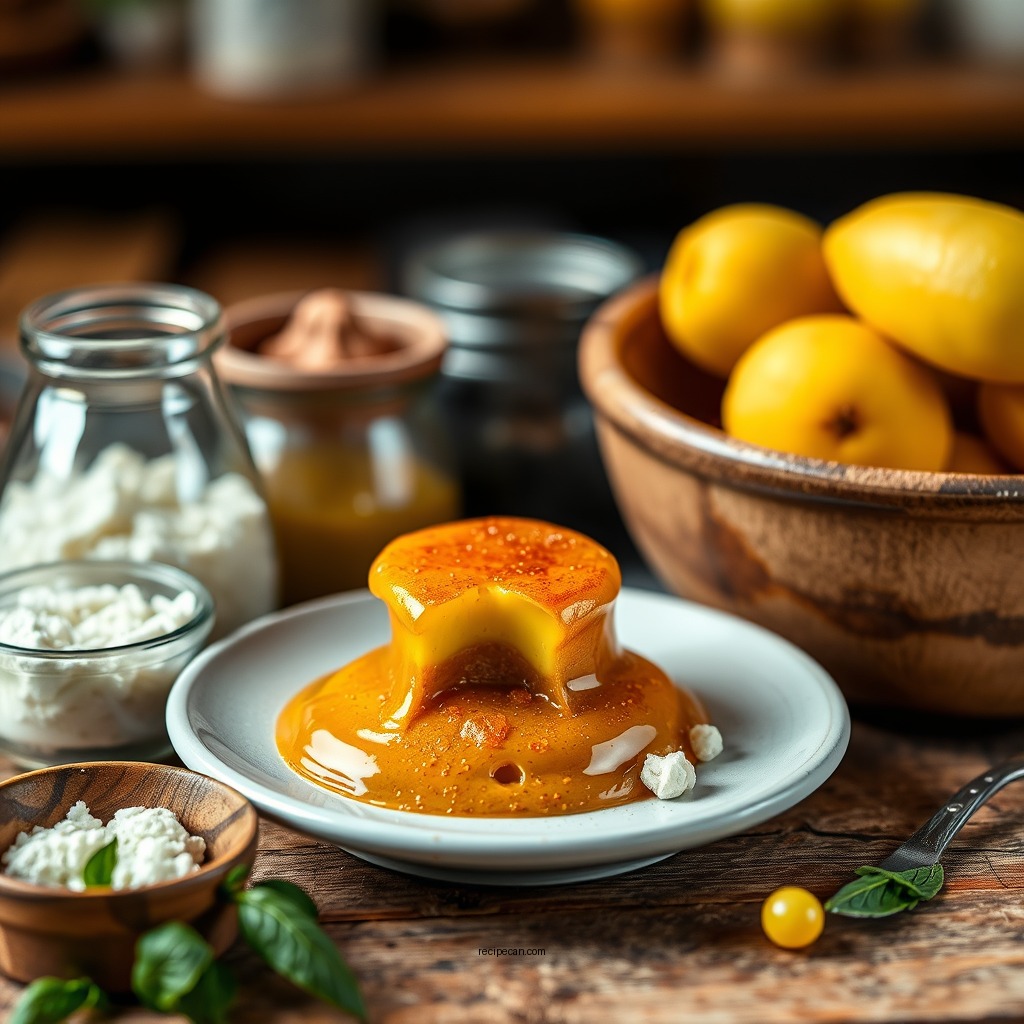
To create a basic custard, you will need the following ingredients:
– Milk or cream: The foundation of your custard, contributing a rich and creamy texture. Whole milk offers a nice balance of creaminess without being overly heavy, while cream can be used for an ultra-rich custard.
– Eggs: The essential binding agent that provides structure. Egg yolks are particularly important as they contribute to the custard’s smooth texture and rich flavor.
– Sugar: This sweetener balances the flavor of the custard. You can adjust the amount based on your preference or even substitute it with alternatives like honey or maple syrup for different flavor profiles.
Tools Required

Before you start making your custard, gather the following tools:
– Mixing bowl: A medium-sized bowl for combining the ingredients. Glass or stainless steel works best as they are non-reactive.
– Whisk: A whisk is crucial for ensuring your ingredients are well combined and the mixture is smooth. A hand whisk is sufficient, but an electric mixer can also be used for convenience.
– Saucepan: A heavy-bottomed saucepan is ideal for cooking the custard over low heat. This will help prevent scorching and ensure even cooking.
Step-by-Step Instructions
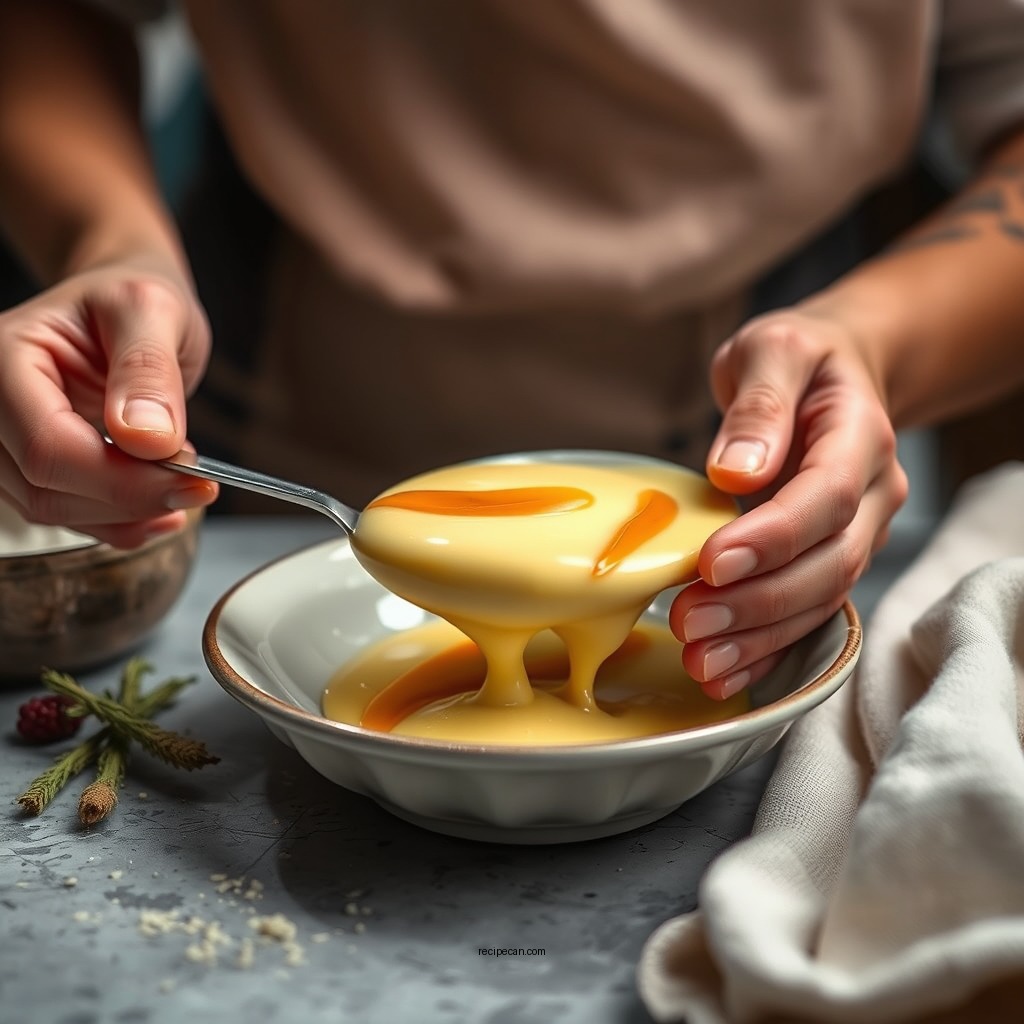
Creating a basic custard can seem intimidating, but by following these straightforward steps, you’ll find it’s quite manageable:
1. Combine ingredients: In a mixing bowl, whisk together 2 cups of milk or cream, 4 egg yolks, and 1/2 cup of sugar until the mixture is smooth and well blended.
2. Heat the mixture: Pour the mixture into a saucepan and place it over low heat. Stir constantly with a wooden spoon or spatula to prevent the eggs from scrambling. This gentle heating process is vital for achieving the right consistency.
3. Test for doneness: After about 10-15 minutes of cooking, the custard is ready when it thickens enough to coat the back of a spoon. To test, dip the spoon into the custard and run your finger along the back; if the line holds, it’s done.
📋 MANDATORY DATA TABLE
Custard Recipe Ingredients Breakdown
| # | Ingredient | Amount | Calories (per serving) |
|---|---|---|---|
| 1 | Milk | 2 cups | 300 |
| 2 | Egg Yolks | 4 | 272 |
| 3 | Sugar | 1/2 cup | 387 |
| 4 | Vanilla Extract | 1 tsp | 12 |
| 5 | Salt | Pinch | 0 |
| 6 | Total | – | 971 |
Tips for Perfect Custard
To achieve the best custard, consider the following tips:
– Use fresh ingredients: Fresh eggs and high-quality milk or cream enhance the flavor and texture of your custard. Organic eggs can yield a richer taste, while whole milk or cream will provide a creamier base.
– Stir continuously: This is crucial to prevent curdling. Stirring helps to distribute heat evenly and keeps the custard from sticking to the bottom of the saucepan.
– Strain the mixture: For an ultra-smooth texture, strain your custard through a fine sieve before serving or using it in recipes. This step removes any curdled bits and results in a silky finish.
📈 MANDATORY BAR CHART
Custard Cooking Time vs. Temperature
Variations to Try
Once you master the basic custard recipe, consider experimenting with different flavors to suit your taste:
– Vanilla custard: Adding vanilla extract is the classic way to enhance flavor. Use pure vanilla extract for a rich aroma.
– Chocolate custard: Incorporating cocoa powder or melted chocolate creates a decadent chocolate custard that pairs exceptionally well with desserts like cakes and pastries.
– Fruit-infused custard: Infusing your custard with citrus zest or berry puree can add a refreshing twist. Simply add the zest to the milk while it heats or fold in the puree at the end.
Serving Suggestions
Custard is a versatile dessert that can be served in numerous ways:
– Serve warm or chilled: Enjoy it straight from the saucepan, or refrigerate it for a refreshing dessert. Custard can be served in individual cups or bowls.
– Pair with pastries: Use custard as a filling for tarts, éclairs, or cream puffs, elevating them to gourmet status.
– Top with fruits: Fresh berries or caramelized fruits complement the creamy texture of custard beautifully, adding color and flavor.
Summarizing the process of making a basic custard reveals it is both straightforward and versatile. By following these steps and tips, you can create a delicious custard that enhances your desserts. Try it out in your kitchen today and explore the endless possibilities! Whether for a special occasion or a simple family dinner, custard is sure to impress.
Frequently Asked Questions
What are the basic ingredients for a custard recipe?
A basic custard recipe typically requires just four main ingredients: eggs, milk, sugar, and vanilla extract. The eggs provide structure, while the milk adds creaminess, and the sugar enhances sweetness. Vanilla extract is often included for flavor, but you can substitute with other extracts or spices for variety.
How do you achieve the perfect custard texture?
To achieve the perfect custard texture, it’s essential to cook the mixture slowly over low heat while constantly stirring to prevent curdling. Use a double boiler or a heavy-bottomed saucepan to maintain an even temperature. Once the custard thickens enough to coat the back of a spoon, remove it from heat to prevent overcooking.
Why does my custard curdle, and how can I prevent it?
Custard curdles when it’s cooked at too high a temperature or when the eggs are added too quickly to the hot mixture. To prevent curdling, always cook your custard over low heat and temper the eggs by gradually adding a small amount of the hot mixture to them before combining everything. This gentle approach allows for even cooking and a smooth texture.
What is the best way to store homemade custard?
The best way to store homemade custard is to let it cool completely at room temperature before transferring it to an airtight container. Refrigerate the custard for up to three days. To maintain the best texture, cover the surface with plastic wrap to prevent a skin from forming.
Which dishes can I make using a basic custard recipe?
A basic custard recipe can be the foundation for many delicious dishes, including crème brûlée, custard tarts, and bread pudding. You can also use it as a filling for pastries or as a sauce for desserts like pies and cakes. Its versatility makes it a staple in both sweet and savory recipes.
References
- Custard
https://en.wikipedia.org/wiki/Custard - https://www.sciencedirect.com/topics/food-science/custard
https://www.sciencedirect.com/topics/food-science/custard - NYT Cooking – Recipes and Cooking Guides From The New York Times
https://www.nytimes.com/recipes/1019805/custard - Custard | Definition, Ingredients, & Preparation | Britannica
https://www.britannica.com/topic/custard - Google Scholar Google Scholar
https://scholar.google.com/scholar?q=basic+custard+recipe - Google Scholar Google Scholar
https://scholar.google.com/scholar?q=custard+recipe+history - Google Scholar Google Scholar
https://scholar.google.com/scholar?q=custard+preparation+techniques - https://www.ncbi.nlm.nih.gov/pmc/articles/PMC7010050/
https://www.ncbi.nlm.nih.gov/pmc/articles/PMC7010050/ - https://www.food.gov.uk/research/food-safety/custard-research
https://www.food.gov.uk/research/food-safety/custard-research - https://en.wikipedia.org/wiki/Special:Search?search=basic+custard+recipe
https://en.wikipedia.org/wiki/Special:Search?search=basic+custard+recipe