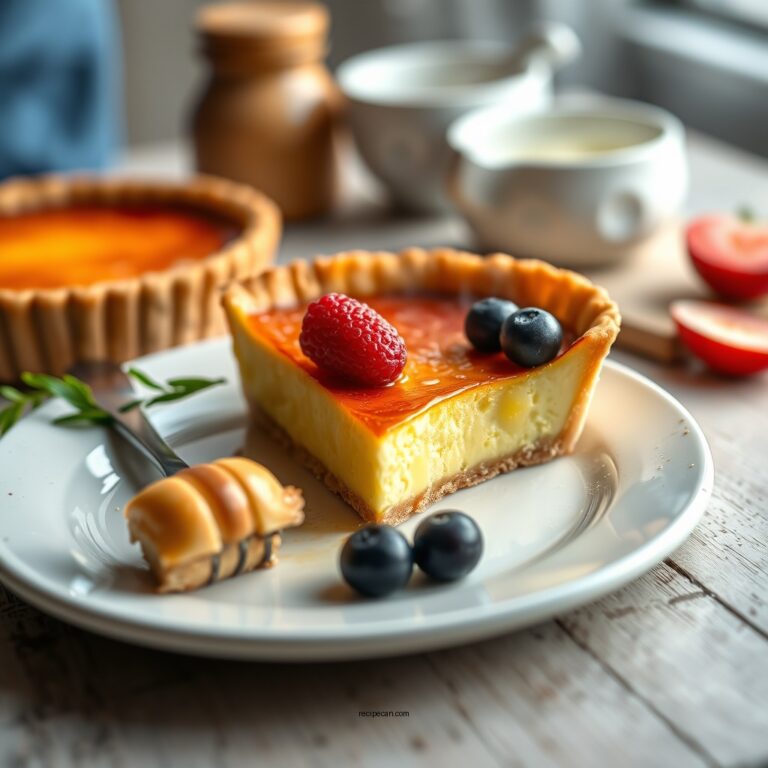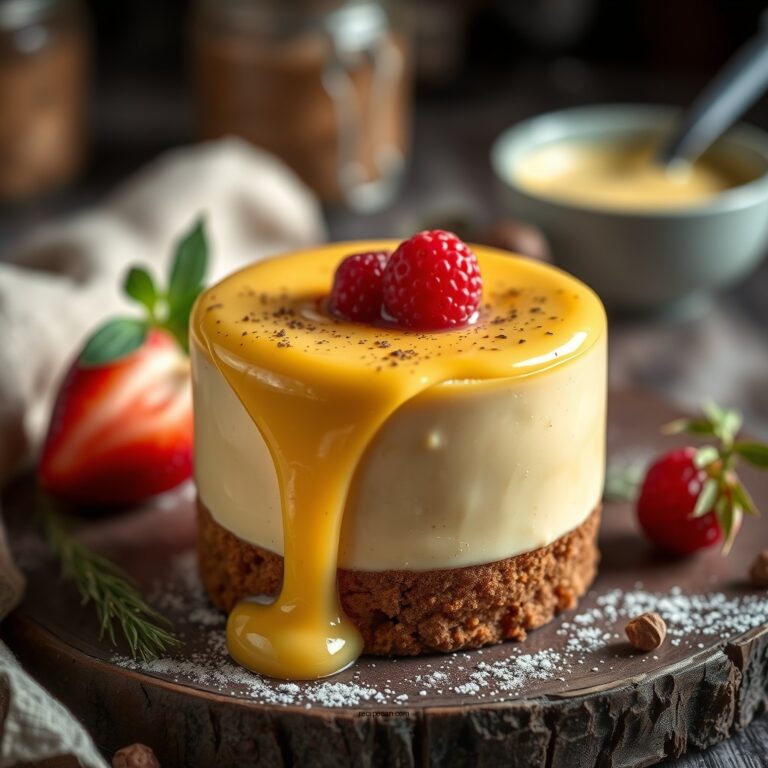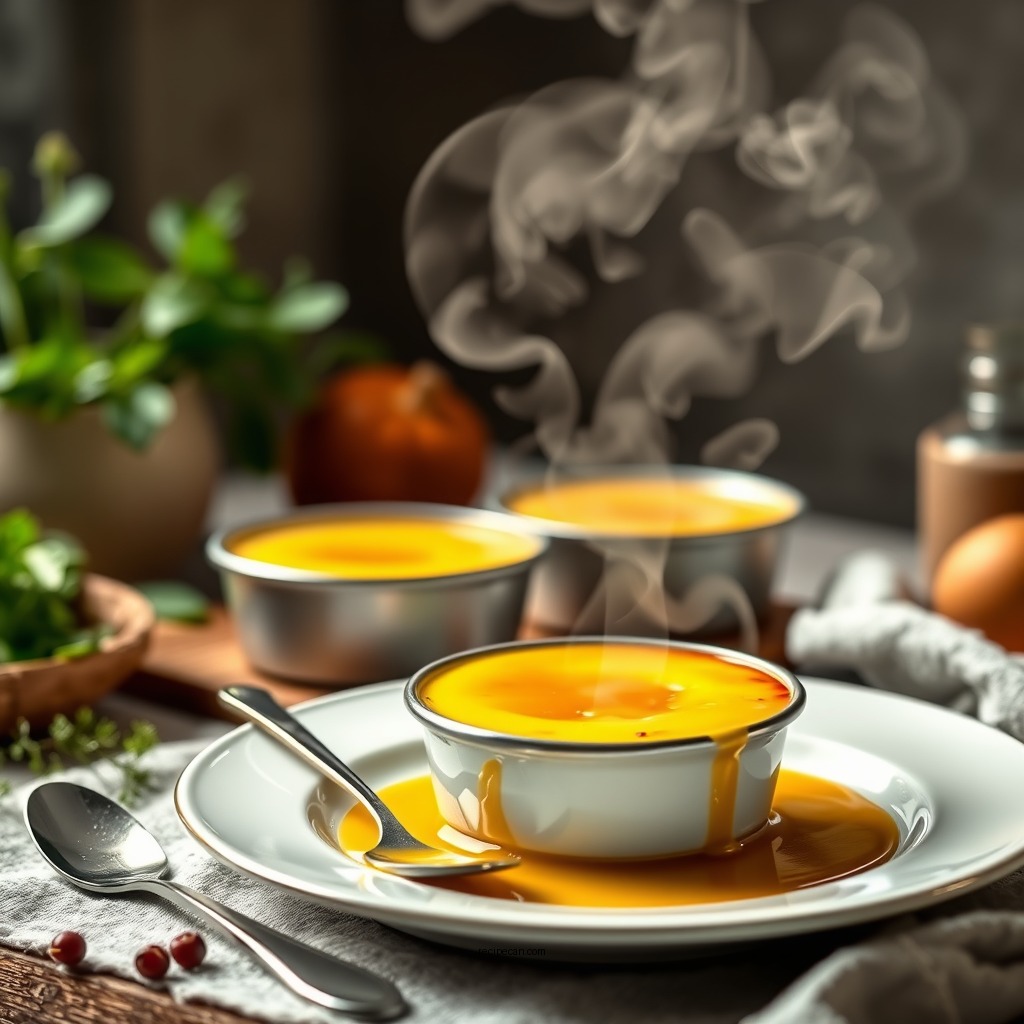
Baked custard is a deliciously creamy dessert that can be crafted effortlessly at home with just a handful of ingredients. This simple guide will walk you through the process of making perfect baked custard, covering everything from ingredient selection to achieving that ideal velvety texture. By the end, you’ll be equipped with the know-how to impress friends and family with this classic dessert.
Understanding Baked Custard
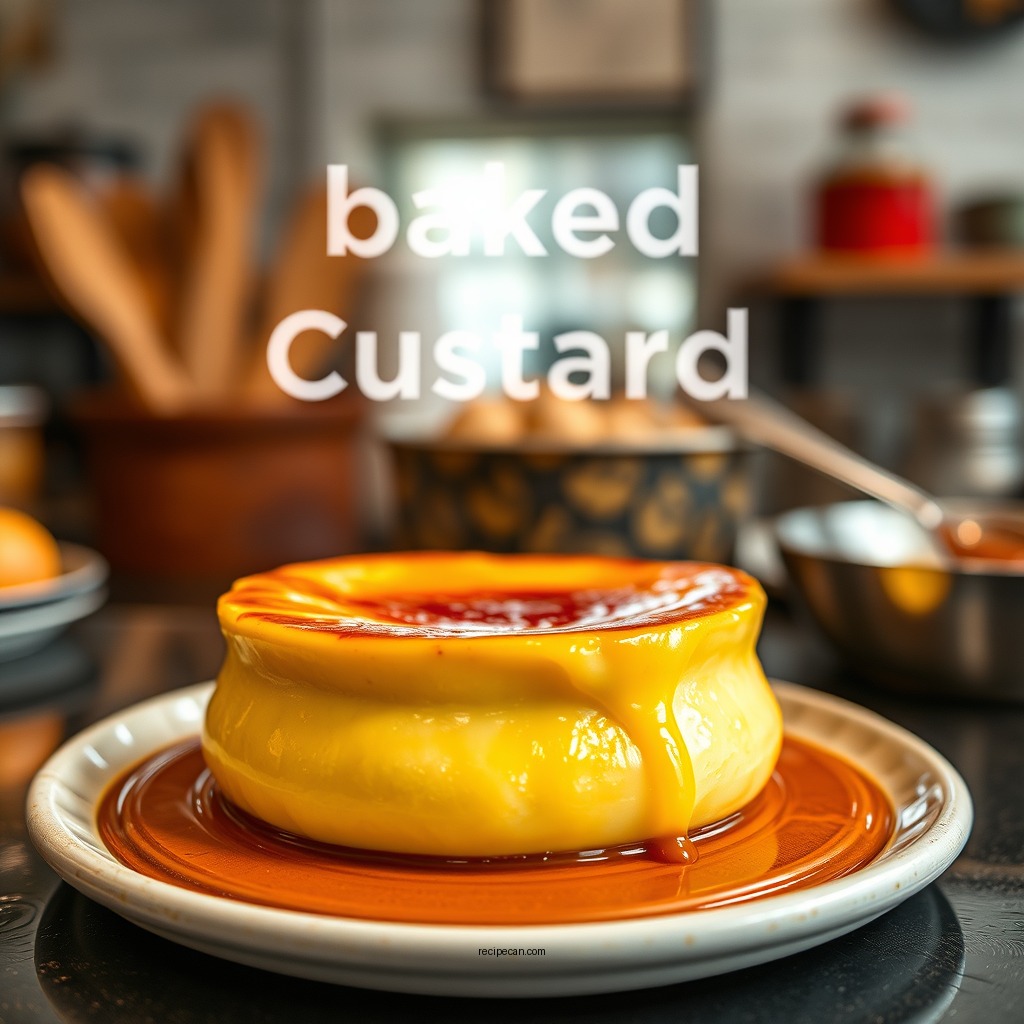
Baked custard is a traditional dessert characterized by its smooth and creamy consistency, achieved by gently cooking a mixture of eggs, milk, and sugar. The fundamental science behind baked custard lies in the coagulation of egg proteins, which thickens the mixture as it cooks. This process allows for a delightful texture that melts in your mouth.
Flavoring options abound, making it a versatile dish. Common enhancements include vanilla extract, which adds warmth and sweetness, and nutmeg or cinnamon, which introduce a hint of spice. Each flavor can elevate the custard, catering to various palates and preferences.
Ingredients You’ll Need
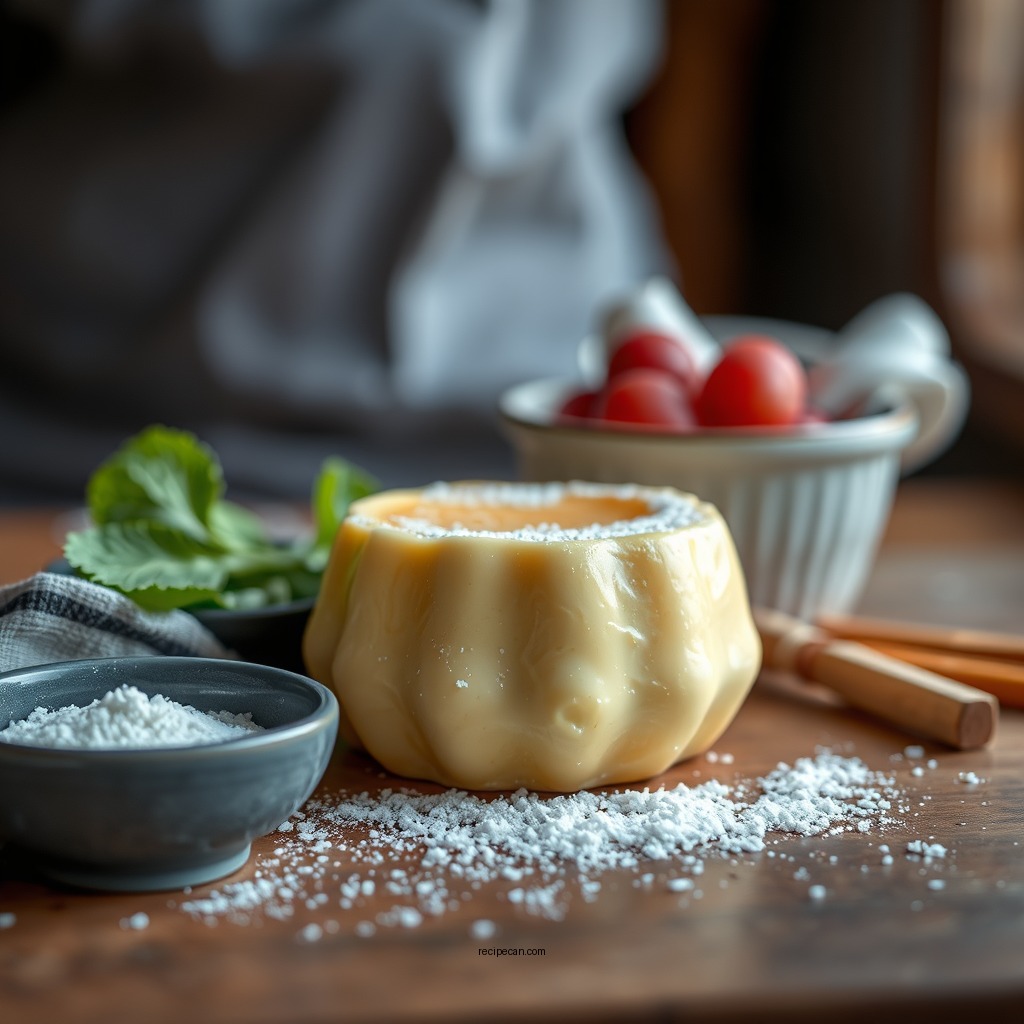
To make a basic baked custard, you’ll require just a few essential ingredients. Here’s a closer look at each:
– Eggs: The backbone of your custard, eggs provide richness, structure, and a creamy mouthfeel. Typically, large eggs are recommended for their size and consistency.
– Milk or Cream: The choice of dairy is critical. Whole milk offers a lighter version, while heavy cream produces a luxurious, decadent dessert. You may also experiment with half-and-half or even non-dairy alternatives if desired.
– Sugar: This ingredient sweetens the custard. Granulated sugar is common, but you can adjust the amount based on your sweetness preference. For a more complex flavor, consider brown sugar or honey.
Step-by-Step Preparation
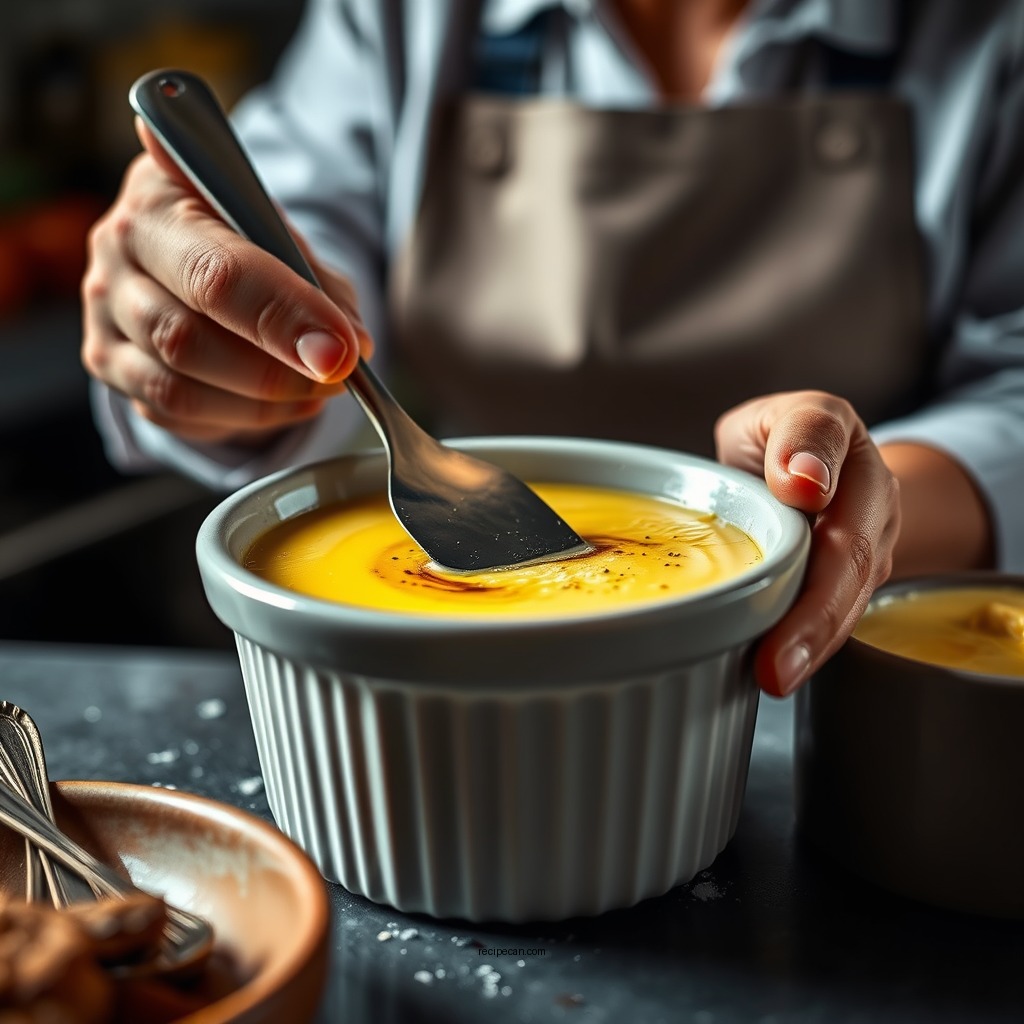
Preparing baked custard is a straightforward process that anyone can master. Follow these steps for success:
1. Preheat Oven: Start by preheating your oven to 350°F (175°C). This ensures that the custard will cook evenly once placed inside.
2. Mix Ingredients: In a mixing bowl, whisk together the eggs, sugar, and milk until thoroughly combined. Take care to break up any lumps, particularly from the eggs. For a smoother texture, you can strain the mixture through a fine sieve.
3. Flavoring: At this stage, add any desired flavorings, such as a teaspoon of vanilla extract or a pinch of nutmeg. Whisk again to incorporate these flavors into the mixture.
Baking the Custard
Baking is where the magic happens. Here’s how to ensure your custard bakes perfectly:
1. Prepare for Baking: Pour the custard mixture into a baking dish. To create a water bath (bain-marie), place this dish inside a larger pan filled with hot water, which helps regulate the temperature and promotes even cooking.
2. Bake: Place the setup in the preheated oven. Bake until the custard is set around the edges but still slightly jiggly in the center—this typically takes about 30-40 minutes. Keep an eye on it to prevent over-baking, which can lead to an undesirable rubbery texture.
Cooling and Serving Suggestions
Once baked, it is crucial to cool your custard properly:
1. Cooling: Remove the custard from the oven and allow it to cool at room temperature. Once cooled, transfer it to the refrigerator and chill for a few hours, preferably overnight. This allows the flavors to meld and the texture to set.
2. Serving: Baked custard can be enjoyed chilled or at room temperature. For an elegant presentation, consider garnishing with a dollop of whipped cream or a sprinkle of grated nutmeg. Fresh berries or a light fruit compote can also enhance the dish visually and flavorfully.
Tips for Perfect Custard
Achieving the perfect baked custard requires attention to detail. Here are some tips to ensure success:
– Fresh Ingredients: Always use fresh eggs and quality dairy products to improve flavor and texture. The quality of your ingredients directly impacts the final result.
– Monitor Baking Time: Avoid over-baking your custard. An under-baked custard will be too runny, while an over-baked one will become rubbery. The key is to remove it from the oven when it is just set—this may take some practice.
– Experiment with Flavors: Don’t hesitate to experiment with different extracts or spices. Almond extract, orange zest, or even a splash of liqueur can add unique flavors that make your custard stand out.
Common Ingredients for Baked Custard
| # | Ingredient | Typical Amount | Purpose |
|---|---|---|---|
| 1 | Eggs | 4 large | Base structure |
| 2 | Milk | 2 cups | Liquid base |
| 3 | Sugar | 3/4 cup | Sweetness |
| 4 | Vanilla Extract | 1 tsp | Flavoring |
| 5 | Nutmeg | 1/4 tsp | Flavoring |
| 6 | Salt | Pinch | Enhances flavor |
| 7 | Optional Sweeteners | To taste | Enhances sweetness |
Baked Custard Preparation Process (% Time Distribution)
Your baked custard is now ready to impress! This simple yet delicious dessert is perfect for any occasion. By following these steps, you can enjoy a homemade treat that is both comforting and satisfying. Whether for a family gathering or a special celebration, your baked custard will surely be a hit.
Frequently Asked Questions
What ingredients are needed for a basic baked custard recipe?
A basic baked custard recipe typically requires eggs, milk, sugar, and vanilla extract. Some variations may include heavy cream for a richer texture or a pinch of salt to enhance the flavor. Make sure to use fresh, high-quality ingredients for the best results in your custard.
How do you know when baked custard is done?
Baked custard is done when it is set but still slightly jiggly in the center. You can test for doneness by inserting a knife or toothpick; it should come out clean or with just a few moist crumbs. Avoid overcooking, as this can lead to a rubbery texture rather than the desired creamy consistency.
Why did my baked custard turn out grainy?
A grainy texture in baked custard is often caused by cooking the mixture too quickly or at too high a temperature. This can cause the proteins in the eggs to curdle. To prevent this, cook your custard slowly in a water bath and ensure you temper the eggs properly when mixing with hot liquids.
What is the best baking temperature for custard?
The best baking temperature for custard is typically around 325°F (163°C). Baking at this moderate temperature allows the custard to set evenly without curdling or forming a rubbery texture. Using a water bath can also help maintain a gentle heat during the baking process.
Which types of milk can you use in a baked custard recipe?
You can use a variety of milk types in a baked custard recipe, including whole milk, skim milk, or even non-dairy alternatives like almond or coconut milk. Whole milk or cream will yield a richer, creamier custard, while lower-fat options will result in a lighter texture. Experimenting with different milks can help you find the perfect flavor profile for your custard dish.
References
- Custard
https://en.wikipedia.org/wiki/Custard - NYT Cooking – Recipes and Cooking Guides From The New York Times
https://www.nytimes.com/recipes/1019732/baked-custard - https://www.sciencedirect.com/topics/food-science/custard
https://www.sciencedirect.com/topics/food-science/custard - Custard | Definition, Ingredients, & Preparation | Britannica
https://www.britannica.com/topic/custard - https://www.google.com/search?q=baked+custard+recipe&tbm=scholar
https://www.google.com/search?q=baked+custard+recipe&tbm=scholar - Google Scholar Google Scholar
https://scholar.google.com/scholar?q=baked+custard - Google Scholar Google Scholar
https://scholar.google.com/scholar?q=custard+recipes - https://www.ncbi.nlm.nih.gov/pmc/articles/PMC6735062/
https://www.ncbi.nlm.nih.gov/pmc/articles/PMC6735062/ - Page Not Found – Site Help – Mayo Clinic
https://www.mayoclinic.org/healthy-lifestyle/nutrition-and-healthy-eating/expert-answers/what-is-custard/faq-20057825 - Google Scholar Google Scholar
https://scholar.google.com/scholar?q=baked+custard+recipe