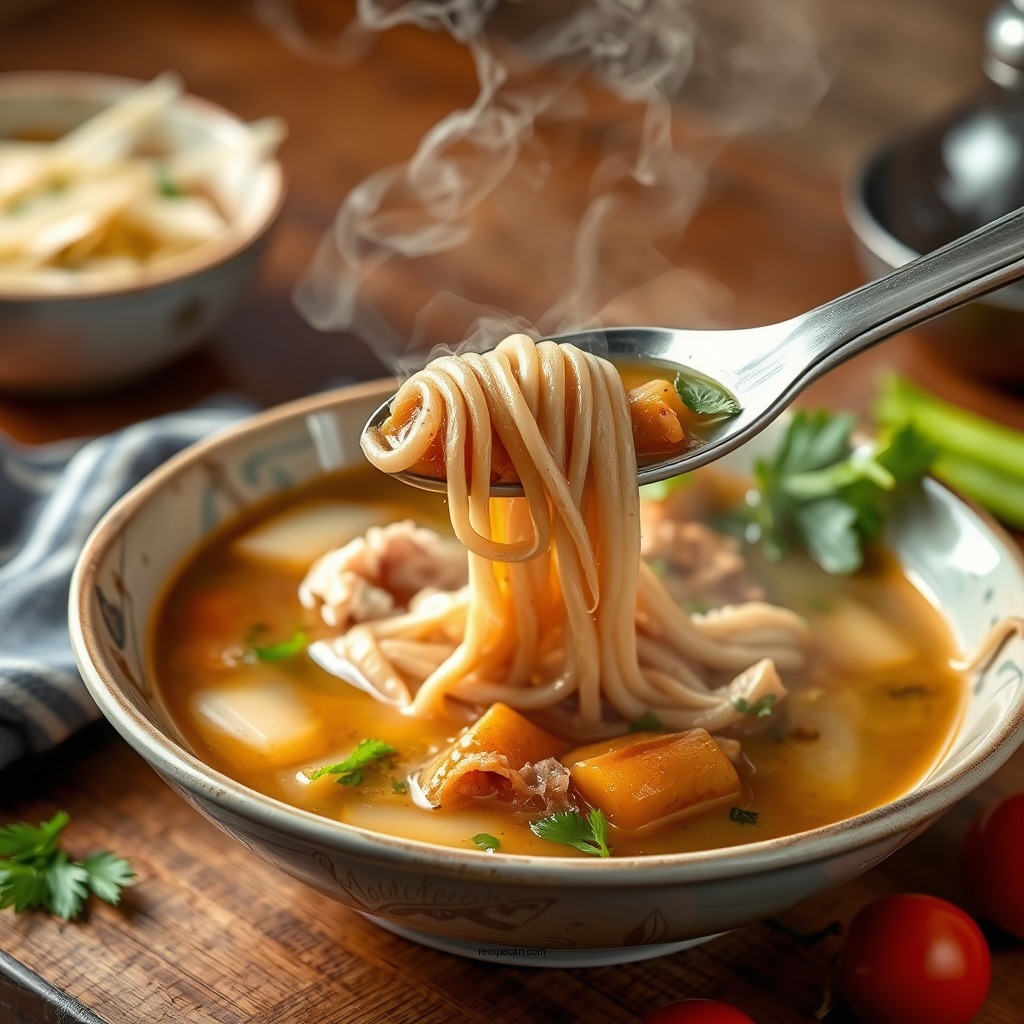
If you’re looking for a comforting and nutritious dish, tendon soup is a fantastic choice. This hearty recipe combines tender beef tendons with flavorful broth and aromatic herbs. In this article, you’ll learn how to make a delicious tendon soup that warms the soul and satisfies the palate.
Ingredients You’ll Need
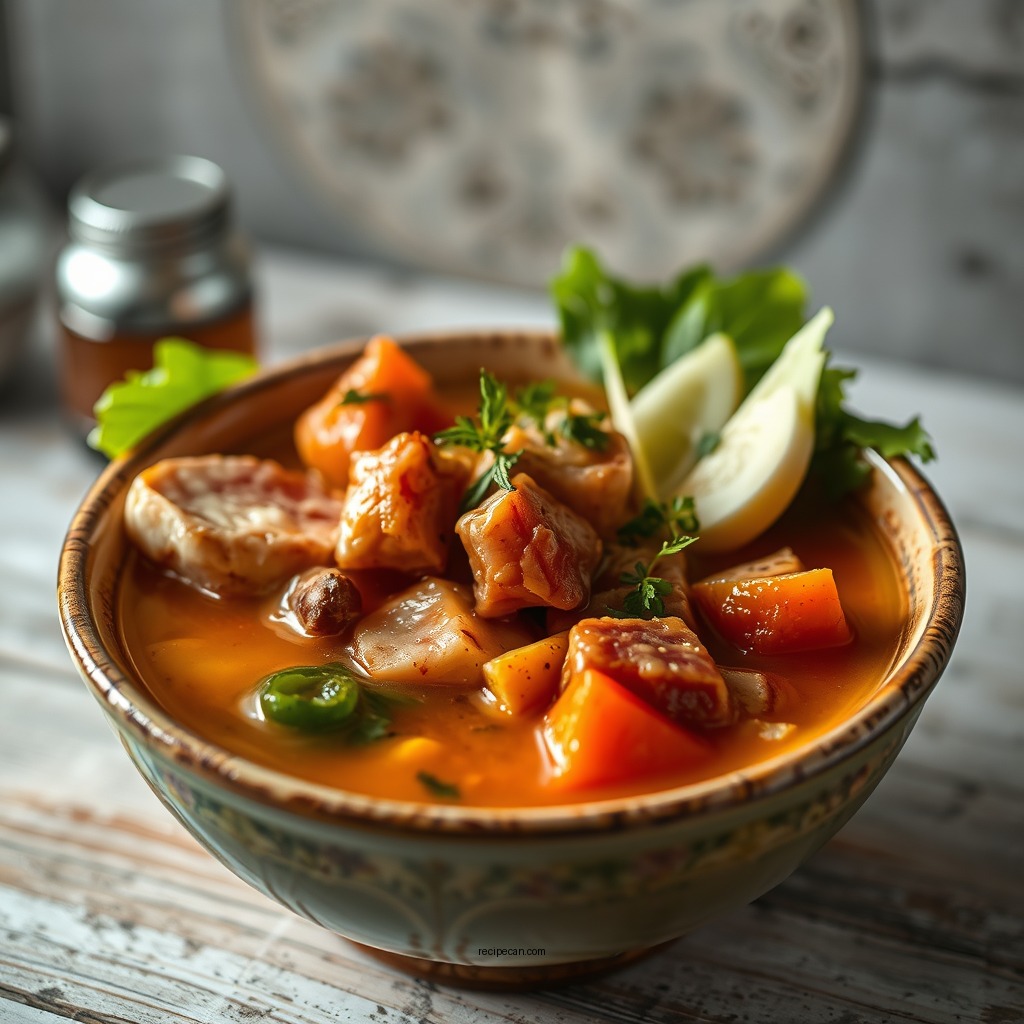
To create a rich and delicious tendon soup, it’s crucial to gather the right ingredients. Here’s what you will need:
– Beef tendons: Fresh or frozen tendons are ideal; they are rich in collagen, which contributes to the soup’s silky texture.
– Aromatics: Garlic, ginger, and scallions not only enhance the soup’s taste but also provide fragrant undertones that elevate the dish.
– Broth: Use beef stock or, for an even more flavorful base, opt for homemade broth. The depth and richness of the broth are essential for a satisfying soup.
These ingredients work in harmony to create a nourishing dish that is both flavorful and satisfying.
Preparing the Tendons
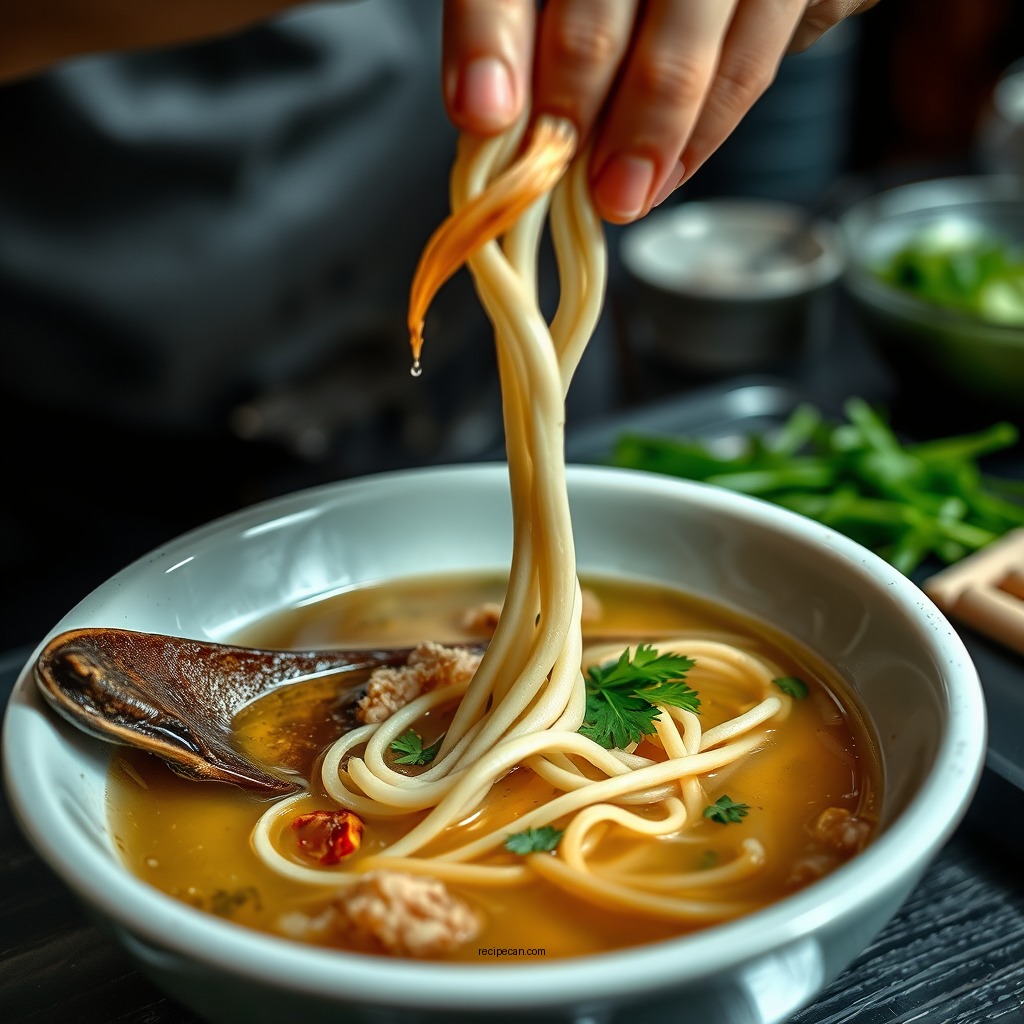
Properly preparing the tendons is key to achieving the desired texture and flavor in your soup.
– Cleaning: Start by rinsing the tendons thoroughly under cold water. This step removes any impurities and ensures a cleaner finish in your soup.
– Pre-cooking: To tenderize the tendons and remove excess fat, bring a pot of water to a boil and add the rinsed tendons. Allow them to boil for about 10 minutes, then drain and rinse again. This process not only improves the texture but also removes any lingering odors.
Following these steps will set a solid foundation for your tendon soup.
Cooking the Soup Base
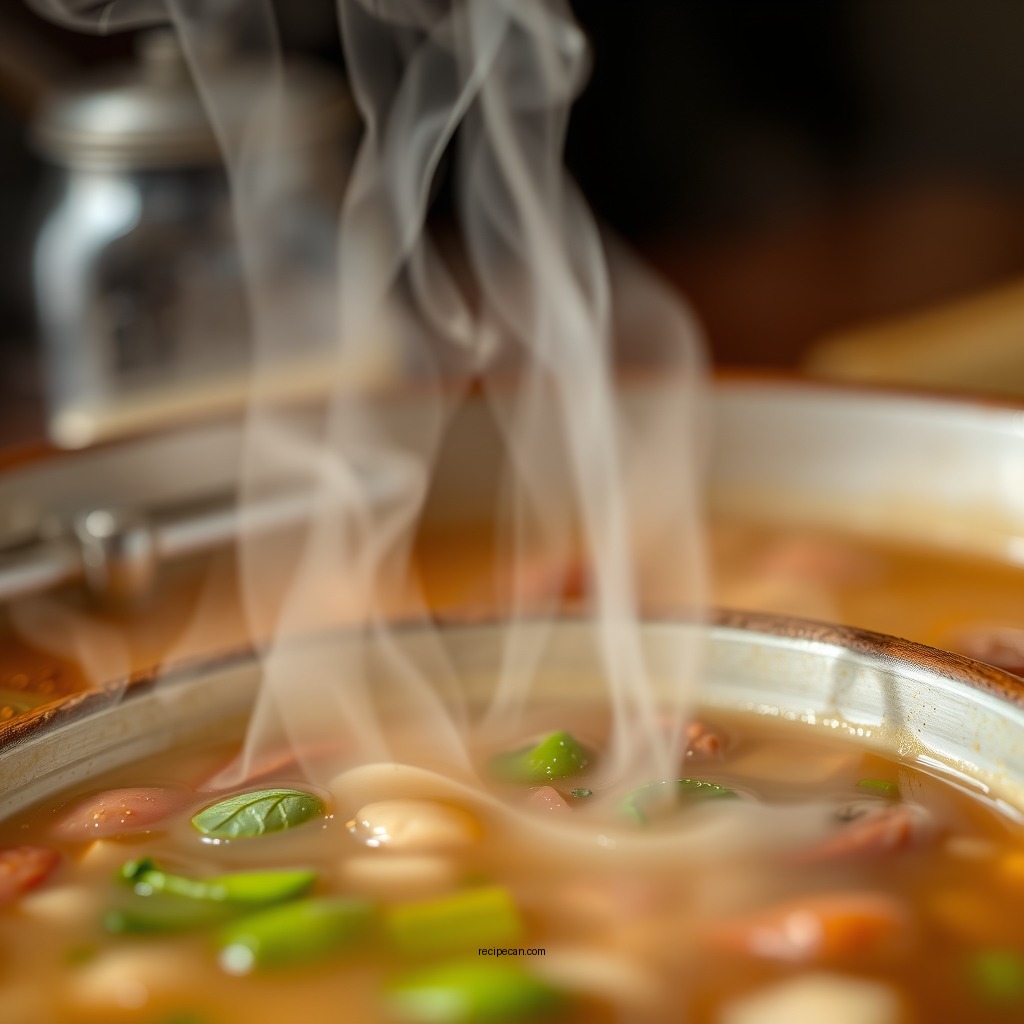
The next stage involves creating a flavorful base for your soup.
– Sautéing aromatics: In a large pot, heat a tablespoon of oil over medium heat. Add minced garlic and ginger, stirring until fragrant—this usually takes about 1-2 minutes. The aroma released during this process is a precursor to the delightful flavors to come.
– Adding broth: Once the aromatics are ready, pour in your beef stock. For enhanced flavor, consider using a mix of beef stock and water. Bring the mixture to a simmer, allowing the flavors to meld beautifully.
This soup base is where the magic begins, as the aromatics lay the groundwork for a deliciously rich broth.
Nutritional Benefits of Common Soup Ingredients
| # | Ingredient | Calories (per 100g) | Protein (g) | Fat (g) |
|---|---|---|---|---|
| 1 | Beef Tendons | 300 | 25 | 20 |
| 2 | Garlic | 149 | 6.4 | 0.5 |
| 3 | Ginger | 80 | 1.8 | 0.4 |
| 4 | Scallions | 32 | 1.6 | 0.2 |
| 5 | Beef Broth | 50 | 8 | 2 |
| 6 | Carrots | 41 | 0.9 | 0.2 |
| 7 | Celery | 16 | 0.7 | 0.2 |
Simmering the Soup
Now that your soup base is ready, it’s time to bring it all together.
– Cook time: Add the pre-cooked tendons to the simmering broth. Allow the soup to simmer gently for at least 2-3 hours. This slow cooking process is crucial as it allows the tendons to become incredibly tender and the flavors to deepen.
– Skimming: During this simmering period, it’s essential to regularly skim off any foam or excess fat that rises to the surface. This practice not only clarifies the broth but also enhances its overall appearance and flavor.
The long simmering time is what transforms this dish into a hearty and satisfying meal, making it worth the wait.
Simmering Time vs. Tenderness Level
Enhancing Flavor
To ensure your tendon soup is bursting with flavor, consider these enhancement tips:
– Seasoning: After the tendons have simmered, taste the broth and adjust the seasoning to your liking. Adding soy sauce, salt, or fish sauce can deepen the umami flavor. Be cautious with salt, as the broth may already contain sodium.
– Fresh herbs: Just before serving, stir in fresh herbs like cilantro or parsley. These not only add a pop of color but also a refreshing taste that contrasts beautifully with the richness of the broth.
These enhancements will elevate your tendon soup from good to extraordinary, making it a standout dish.
Serving Suggestions
Presentation is key when it comes to serving your tendon soup.
– Garnishes: Top the soup with sliced scallions, a drizzle of chili oil, or a sprinkle of sesame seeds. These garnishes not only add visual appeal but also contribute additional layers of flavor and texture.
– Pairing: For a complete meal, enjoy your tendon soup with a side of steamed rice or noodles. The starches will absorb the flavorful broth, making for a fulfilling dining experience.
These serving suggestions help create a beautiful and appetizing presentation, perfect for impressing your guests or simply enjoying a cozy meal at home.
Your tendon soup is now ready to be savored!
This comforting dish is not only delicious but also packed with nutrients. Follow these simple steps, and you’ll have a hearty tendon soup that will impress your family and friends. Don’t hesitate to experiment with flavors and ingredients to make it your own!
Frequently Asked Questions
What ingredients do I need for a basic tendon soup recipe?
A basic tendon soup recipe typically requires beef or pork tendons, water or broth, aromatics like ginger and garlic, soy sauce, and spices such as star anise and cinnamon. You may also want to include vegetables like carrots and onions for added flavor. This combination creates a rich, hearty soup that highlights the unique texture of the tendons.
How long does it take to cook tendon soup properly?
Cooking tendon soup properly generally takes around 4 to 6 hours to achieve the desired tenderness. You’ll want to simmer the tendons on low heat to allow the collagen to break down, resulting in a rich, flavorful broth. Using a pressure cooker can significantly reduce cooking time to about 1.5 to 2 hours while still delivering excellent results.
Why is tendon soup considered a nutritious dish?
Tendon soup is considered nutritious because it is rich in collagen, which is beneficial for joint health, skin elasticity, and overall wellness. Additionally, the slow cooking process extracts nutrients from the tendons, resulting in a broth that’s packed with minerals and amino acids. This makes tendon soup not only satisfying but also a wholesome addition to your diet.
What are some popular variations of tendon soup?
Popular variations of tendon soup include Vietnamese Pho with beef tendon, Japanese Gyukotsu Ramen, and Chinese Niu Rou Mian. Each variation uses different spices and broth bases, but they all highlight the tender texture of the cooked tendons. Experimenting with herbs and seasonings can create a unique twist on this classic dish.
Which cooking methods are best for making tendon soup?
The best cooking methods for making tendon soup include slow simmering in a stock pot, using a pressure cooker, or employing a slow cooker for convenience. Each method allows for the gradual breakdown of collagen in the tendons, resulting in a rich and flavorful broth. Choose the method that fits your schedule and equipment for the best results.
References
- https://en.wikipedia.org/wiki/Stock_(food
https://en.wikipedia.org/wiki/Stock_(food - https://www.ncbi.nlm.nih.gov/pmc/articles/PMC4331111/
https://www.ncbi.nlm.nih.gov/pmc/articles/PMC4331111/ - https://www.ncbi.nlm.nih.gov/pmc/articles/PMC5936708/
https://www.ncbi.nlm.nih.gov/pmc/articles/PMC5936708/ - https://www.ncbi.nlm.nih.gov/pmc/articles/PMC4978179/
https://www.ncbi.nlm.nih.gov/pmc/articles/PMC4978179/ - https://www.ncbi.nlm.nih.gov/pmc/articles/PMC7433682/
https://www.ncbi.nlm.nih.gov/pmc/articles/PMC7433682/ - Google Scholar Google Scholar
https://scholar.google.com/scholar?q=tendon+soup+recipe - Google Scholar Google Scholar
https://scholar.google.com/scholar?q=bone+bros+recipe - Google Scholar Google Scholar
https://scholar.google.com/scholar?q=collagen+rich+soups - https://www.sciencedirect.com/topics/agricultural-and-biological-sciences/bone-broth
https://www.sciencedirect.com/topics/agricultural-and-biological-sciences/bone-broth - https://www.mayoclinic.org/healthy-lifestyle/nutrition-and-healthy-eating/expert-answers/bone-broth/faq-20437529
https://www.mayoclinic.org/healthy-lifestyle/nutrition-and-healthy-eating/expert-answers/bone-broth/faq-20437529