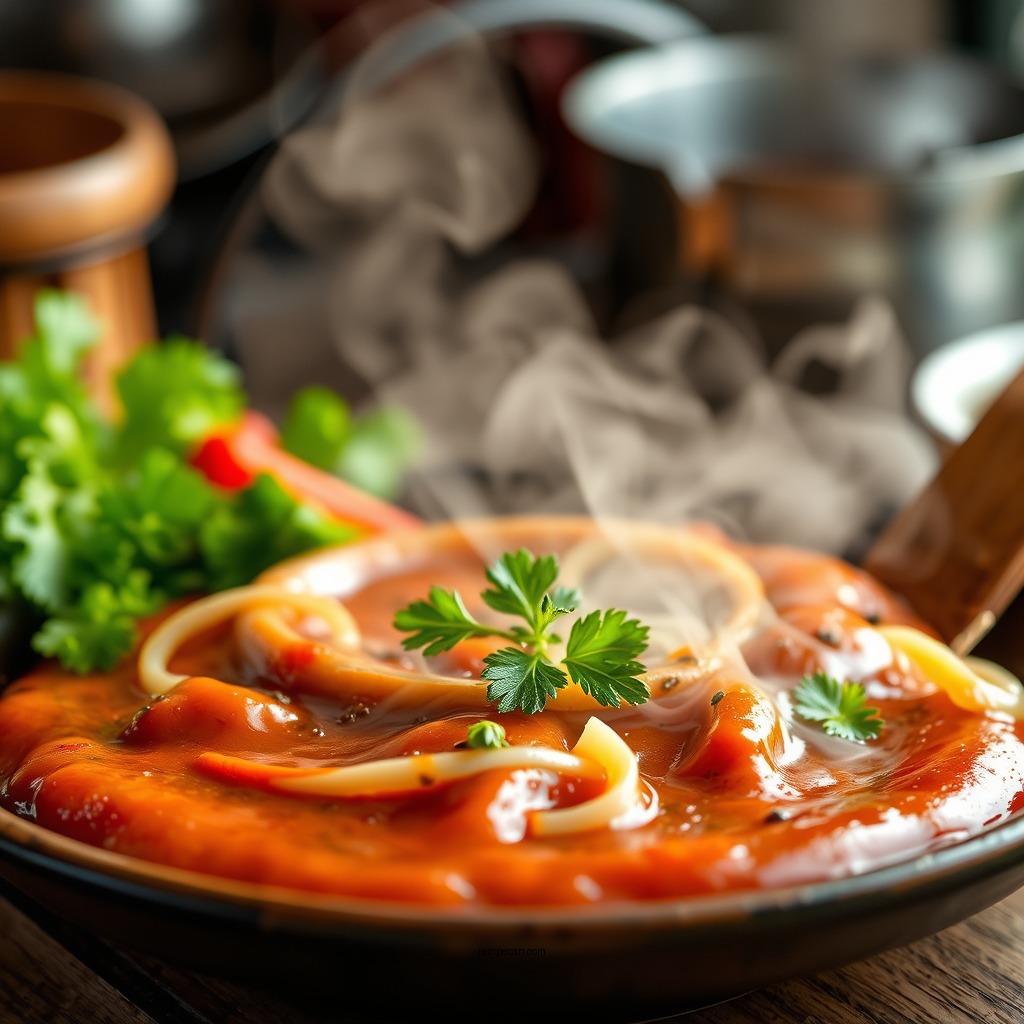
Want to elevate your dishes with a simple yet flavorful sauce? This article will guide you through a versatile sauce recipe that complements a variety of meals, from pasta to grilled meats. You’ll learn how to prepare it effortlessly and customize it to suit your taste.
Ingredients You’ll Need
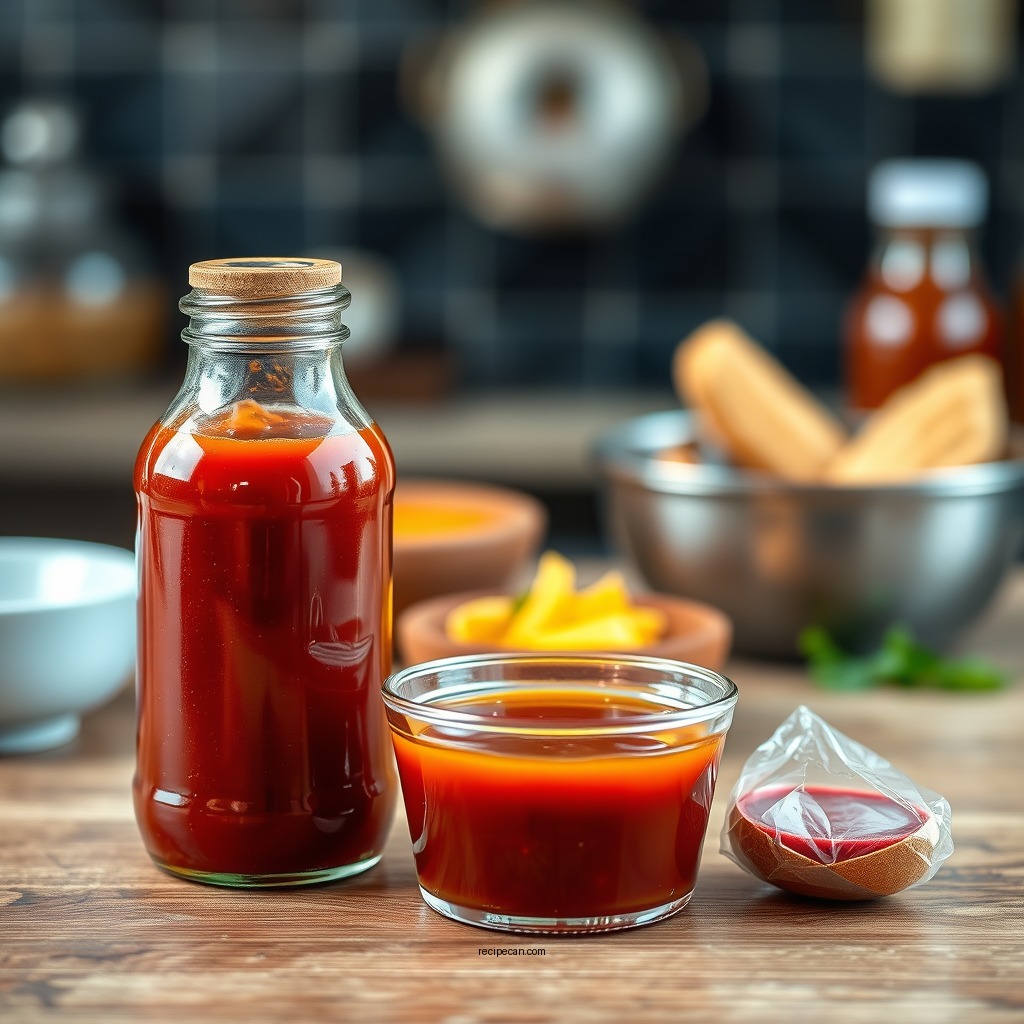
To create this easy and delicious sauce, you’ll need the following essential components:
– 1 cup of olive oil
– 3 cloves of garlic, minced
– 1 cup of fresh basil leaves, chopped
– 1/2 cup of grated Parmesan cheese
– 1 cup of sun-dried tomatoes, chopped
– Salt and pepper to taste
– Juice of one lemon
– Optional Ingredients for Customization:
– Red pepper flakes for heat
– Fresh herbs like parsley or thyme for added flavor
– A splash of balsamic vinegar for sweetness
– Nuts such as pine nuts or walnuts for texture
This combination creates a rich and versatile sauce that can elevate any dish, whether you’re preparing pasta, grilled vegetables, or meats.
Step-by-Step Preparation
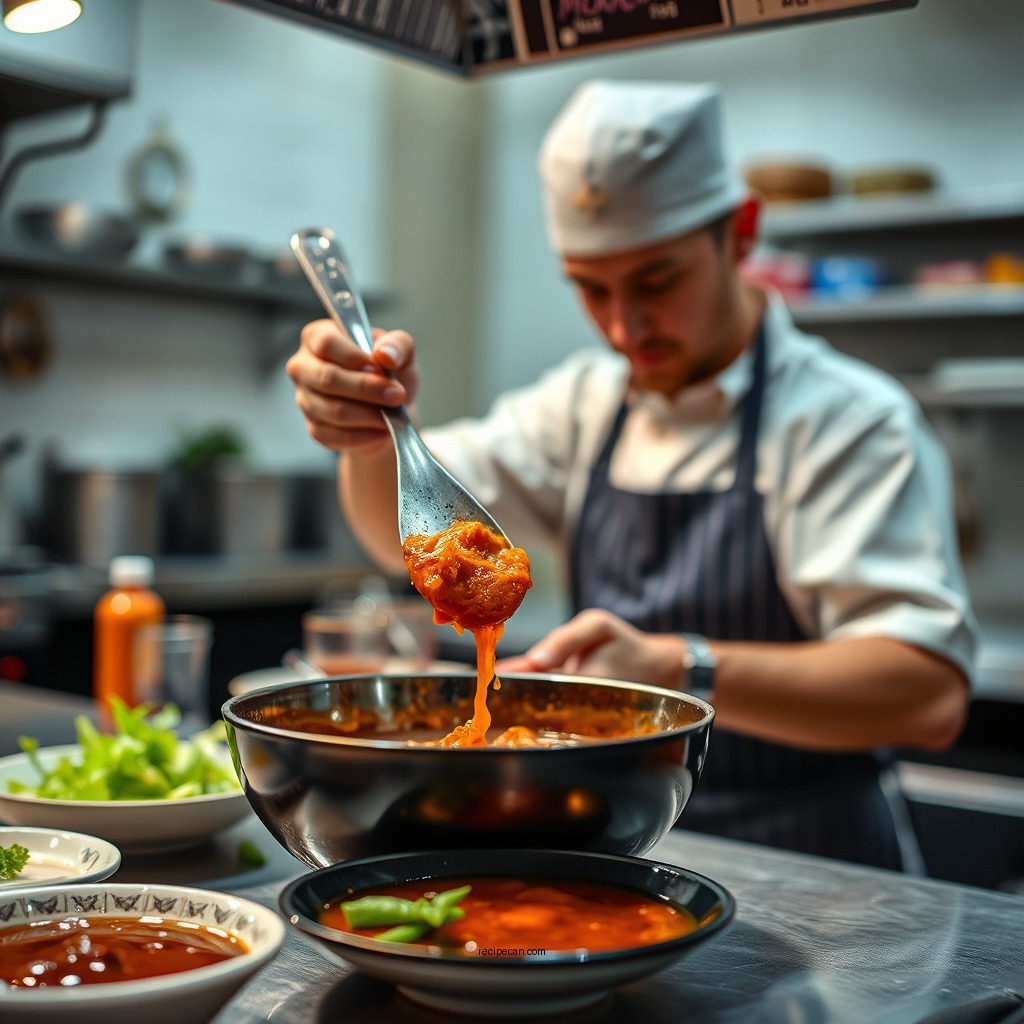
Here’s how to prepare your sauce step by step:
1. Heat the Oil: In a medium saucepan, heat the olive oil over medium heat until it shimmers.
2. Sauté Garlic: Add the minced garlic and sauté for about 1-2 minutes until fragrant but not browned.
3. Incorporate Ingredients: Stir in the sun-dried tomatoes and cook for another 2 minutes. This helps to infuse the oil with flavor.
4. Blend: Transfer the mixture into a blender. Add the chopped basil, Parmesan cheese, lemon juice, salt, and pepper. Blend until smooth. If the sauce is too thick, add a bit more olive oil or water to reach your desired consistency.
5. Adjust Seasoning: Taste and adjust seasoning as needed. If you prefer a bit of heat, sprinkle in some red pepper flakes.
6. Serve or Store: Use immediately or pour the sauce into an airtight container for later use.
Tips for Achieving the Perfect Consistency
– For Thicker Sauce: Reduce the amount of olive oil or increase the quantity of Parmesan cheese.
– For Thinner Sauce: Add more olive oil or a splash of water until you achieve your desired consistency.
– Blending: A high-speed blender will help achieve a smoother texture, but you can also use an immersion blender for a chunkier feel.
Flavor Variations
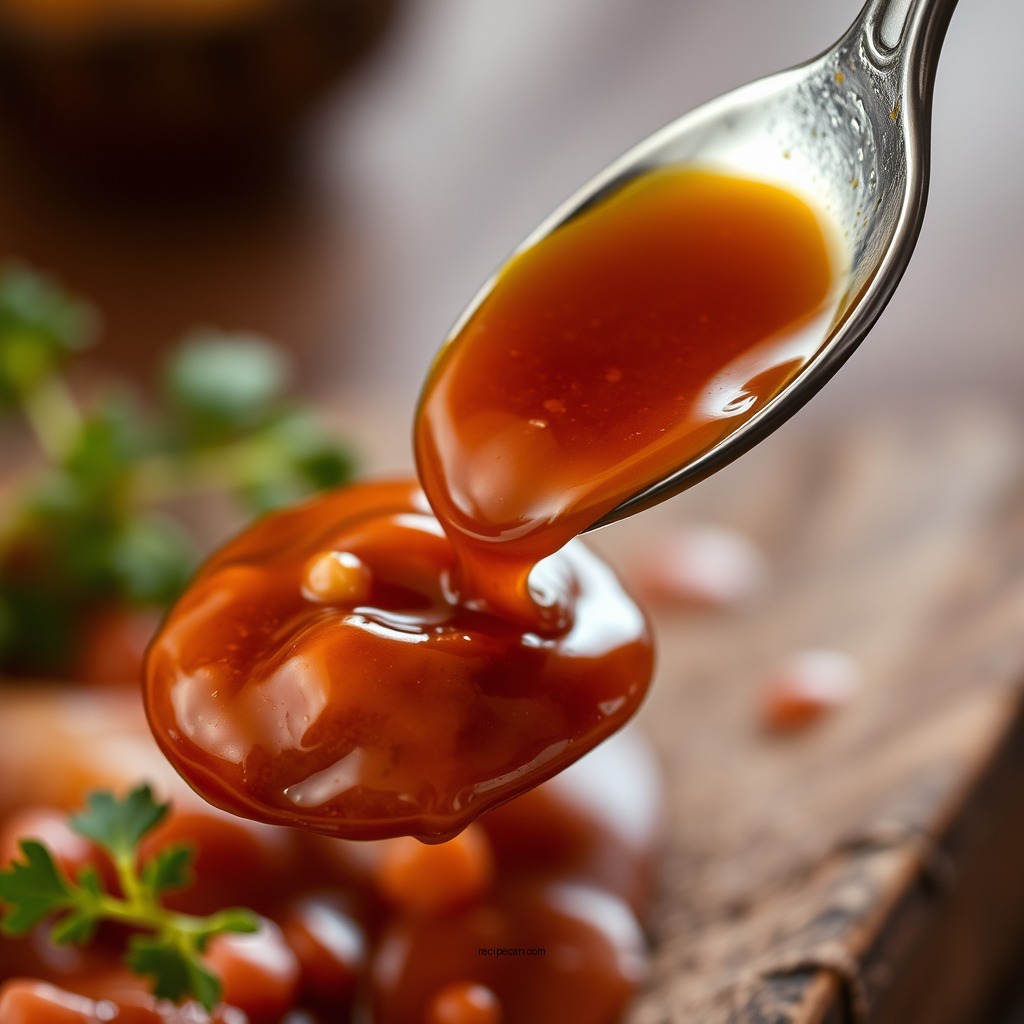
This sauce is incredibly versatile; here are some ideas for adding your unique twist:
– Herbs and Spices: Experiment with fresh herbs such as oregano or dill. Adding a teaspoon of smoked paprika can also provide a nice depth of flavor.
– Alternative Ingredients: Substitute sun-dried tomatoes with roasted red peppers for a different flavor profile. You can also use different types of cheese, like feta or goat cheese, for a creamier texture.
– Nutty Flavor: Incorporate toasted nuts like pine nuts for a richer sauce with added crunch.
Flavor Profile Comparison
Flavor Variations for Sauce Recipe
| Variation | Flavor Impact | Best For |
|---|---|---|
| Fresh Herbs | Bright and aromatic | Pasta, salads |
| Smoked Paprika | Rich and smoky | Grilled meats |
| Nuts | Creamy texture | Pasta, sandwiches |
| Balsamic Vinegar | Sweet and tangy | Vegetables, salads |
| Roasted Red Peppers | Sweet and smoky | Dips, spreads |
Best Dishes to Pair With
This sauce is incredibly versatile and can be paired with various dishes:
– Pasta: Toss it with your favorite pasta for a quick and easy meal. It pairs beautifully with both spaghetti and penne.
– Grilled Meats: Drizzle over grilled chicken, steak, or fish for an added layer of flavor.
– Vegetables: Use it as a dressing for roasted or grilled vegetables, enhancing their natural sweetness.
– Sandwiches and Wraps: Spread it on sandwiches or wraps for a delicious twist.
Recommended Pairings
Here are some specific dish pairings:
1. Pasta Primavera: Toss with seasonal vegetables for a refreshing meal.
2. Grilled Salmon: A perfect balance of flavors with the richness of the fish.
3. Caprese Salad: Use the sauce as a dressing to enhance the traditional flavors of mozzarella and tomatoes.
Storage and Shelf Life
Storing your sauce properly is essential for maintaining its flavor and freshness. Here are some tips:
– Refrigeration: Store the sauce in an airtight container in the refrigerator. It will last up to one week.
– Freezing: For longer storage, consider freezing the sauce. Portion it into ice cube trays for easy use, and it will last up to three months.
– Thawing: When ready to use, thaw in the refrigerator overnight or warm it gently over low heat.
Troubleshooting Common Issues
Creating the perfect sauce may come with its challenges. Here are some common issues you might encounter and how to fix them:
– Too Thick: If your sauce is too thick, simply add a little more olive oil or water to thin it out.
– Too Salty: Balance out the salt by adding a bit more lemon juice or a splash of water.
– Overpowering Garlic Flavor: If the garlic flavor is too strong, try adding more sun-dried tomatoes or Parmesan cheese to mellow it out.
– Not Enough Flavor: If the sauce feels flat, consider adding more herbs or a splash of balsamic vinegar to brighten it up.
Common Mistakes and Adjustments
1. Skimping on Seasoning: Always taste and adjust seasoning before serving.
2. Overcooking Garlic: Be cautious to not let the garlic burn, as it can impart a bitter taste.
In summary, this easy and delicious sauce recipe can elevate any meal with minimal effort. Its versatility allows for customization to suit your taste preferences, making it an ideal addition to your culinary repertoire. I encourage you to try this recipe, share your results, and explore your own variations to create a sauce that perfectly complements your favorite dishes.
Frequently Asked Questions
What are some easy sauce recipes for beginners?
Some easy sauce recipes for beginners include marinara, béchamel, and pesto. A simple marinara can be made by sautéing garlic in olive oil, adding crushed tomatoes, and seasoning with salt and basil. Béarnaise sauce requires just butter, vinegar, and egg yolks, while pesto blends fresh basil, garlic, pine nuts, Parmesan cheese, and olive oil for a vibrant flavor.
How can I thicken my homemade sauce?
To thicken your homemade sauce, you can use a roux made from equal parts flour and fat, or you can add cornstarch mixed with cold water. Reducing the sauce by simmering it uncovered will also concentrate the flavors and naturally thicken it. For a gluten-free option, try using pureed vegetables or beans to achieve the desired consistency.
Why does my sauce taste bland, and how can I improve it?
A bland sauce often lacks seasoning or depth of flavor. To improve it, try adding salt, fresh herbs, or a splash of vinegar or citrus juice to brighten the taste. Additionally, incorporating umami-rich ingredients like soy sauce, Parmesan cheese, or mushrooms can enhance the overall flavor profile of your sauce.
What is the best sauce for pasta dishes?
The best sauce for pasta dishes often depends on personal preference, but classic choices include marinara, Alfredo, and pesto. Marinara offers a light, tomato-based option, while Alfredo provides a creamy, rich experience. For a fresh, herbaceous flavor, pesto is an excellent choice, especially when paired with spaghetti or fettuccine.
Which sauces can I make ahead and store for later use?
Sauces like marinara, pesto, and barbecue sauce can be made ahead and stored in the refrigerator for up to a week or frozen for longer periods. To store, allow your sauce to cool completely before transferring it to airtight containers. When you’re ready to use them, simply reheat on the stove or in the microwave for a quick meal enhancement.
References
- Sauce
https://en.wikipedia.org/wiki/Sauce - https://www.britannica.com/topic/sauce-culinary
https://www.britannica.com/topic/sauce-culinary - https://pubmed.ncbi.nlm.nih.gov/?term=sauce+recipes
https://pubmed.ncbi.nlm.nih.gov/?term=sauce+recipes - Google Scholar Google Scholar
https://scholar.google.com/scholar?q=sauce+recipe - Google Scholar Google Scholar
https://scholar.google.com/scholar?q=culinary+sauces - https://www.ncbi.nlm.nih.gov/pmc/articles/PMC6581503/
https://www.ncbi.nlm.nih.gov/pmc/articles/PMC6581503/ - https://www.sciencedirect.com/topics/food-science/sauce
https://www.sciencedirect.com/topics/food-science/sauce - https://www.foodsafety.gov/food-safety-charts/sauce-safety
https://www.foodsafety.gov/food-safety-charts/sauce-safety - https://www.ars.usda.gov/plains-area/fort-collins-co/food-quality-assurance-research/
https://www.ars.usda.gov/plains-area/fort-collins-co/food-quality-assurance-research/ - https://www.cdc.gov/foodsafety/communication/sauces.html
https://www.cdc.gov/foodsafety/communication/sauces.html