Making a mousse is simpler than you might think, and with just a few ingredients, you can whip up a delightful dessert that will impress your family and friends. This article provides a straightforward recipe for a classic mousse, tips for customizing flavors, and creative serving suggestions that will take your dessert to the next level.
Understanding Mousse: What It Is and Its Varieties
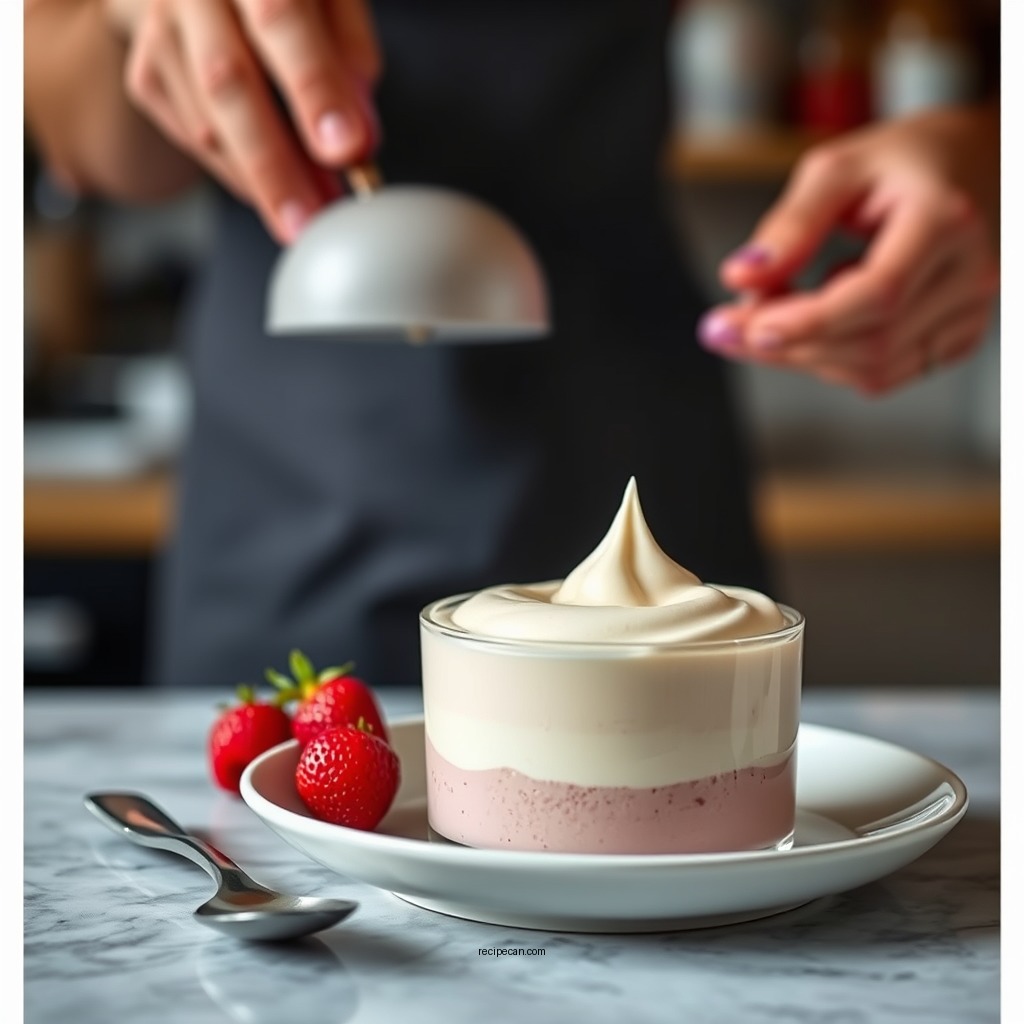
Mousse is a light, airy dessert made primarily from whipped cream and egg whites, giving it a fluffy texture that melts in your mouth. Originating from France, this delightful treat can be sweet or savory, making it incredibly versatile. Common variations include chocolate mousse, which is rich and decadent, and fruit mousse, which offers a refreshing alternative. Savory mousses, like those made with fish or vegetables, are often served as appetizers, showcasing the dish’s adaptability.
The magic of mousse lies in its ability to combine simple ingredients into a luxurious dessert. The base is typically created by folding whipped cream into a mixture of flavored ingredients, ensuring a light and airy consistency. This is why achieving the right texture is crucial in mousse-making.
Essential Ingredients for a Basic Mousse
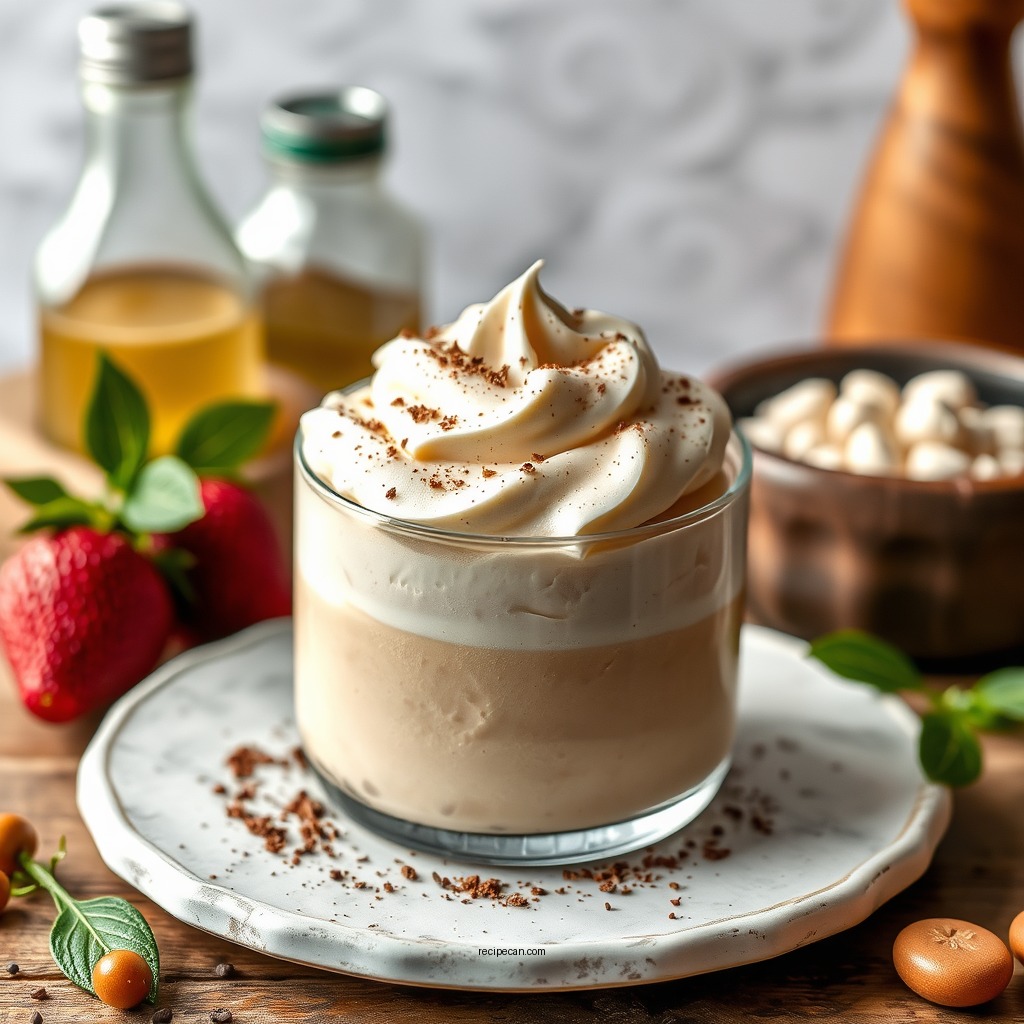
To create a classic mousse, you will need the following essential ingredients:
– Whipped Cream: This is the primary ingredient that provides the light, airy texture. Heavy whipping cream is recommended for its higher fat content, which allows for better volume and stability when whipped.
– Eggs: Typically, only egg whites are used in mousse recipes. They are whipped until they reach stiff peaks, adding volume and structure to the dessert. For added richness, some recipes may also include egg yolks.
– Sugar: This ingredient adds sweetness to the mousse and balances the richness of the cream. Granulated sugar is usually preferred, but powdered sugar can also be used for a finer texture.
Step-by-Step Instructions for Making Mousse
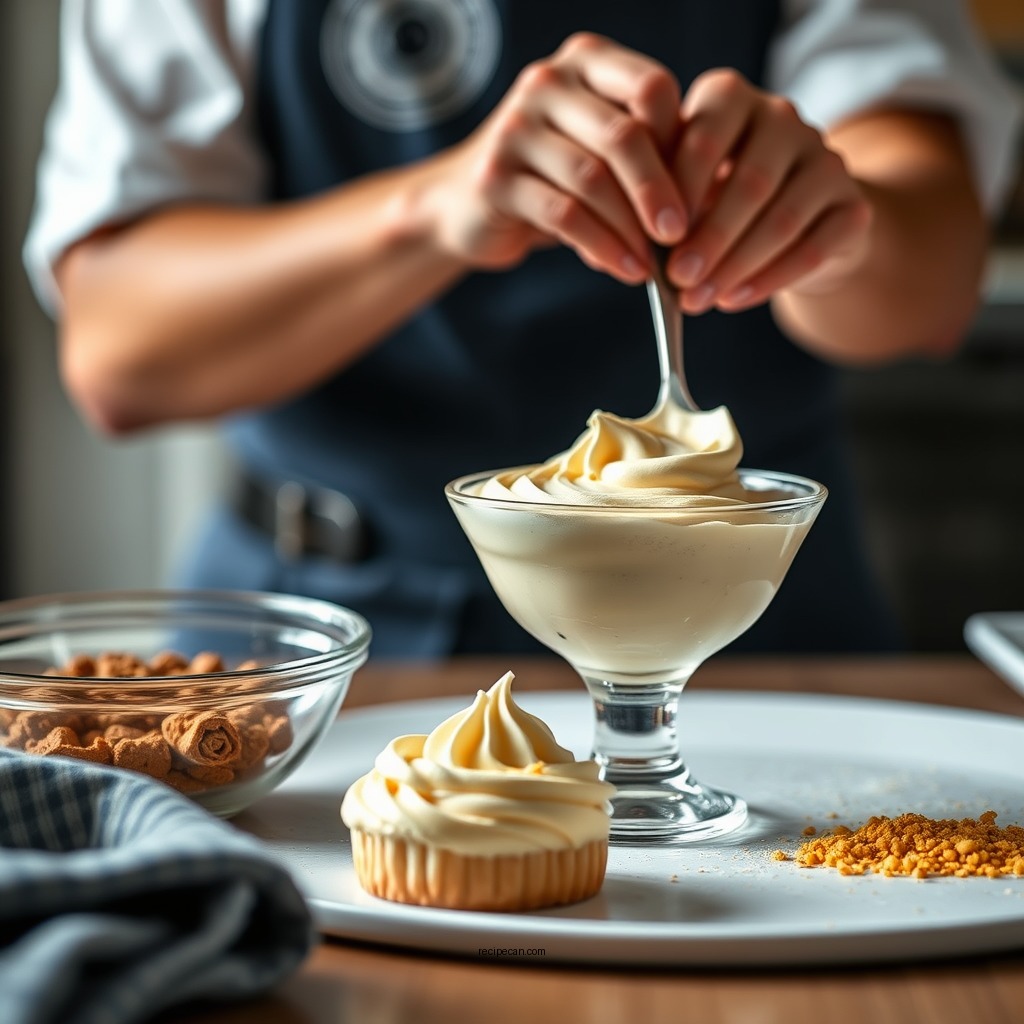
Creating a mousse may seem daunting, but by following these simple steps, you can achieve a perfect result:
1. Whip the Cream: Begin by placing your heavy cream in a mixing bowl. Using an electric mixer, whip the cream on medium speed until soft peaks form. This usually takes about 3-5 minutes. Be careful not to overwhip, as this can lead to a grainy texture.
2. Prepare the Egg Whites: In a separate bowl, separate the egg whites from the yolks. Beat the egg whites with a pinch of salt until they reach stiff peaks. This means that the egg whites should hold their shape and not fall when the whisk is removed.
3. Combine the Mixtures: Gently fold the whipped cream into the whipped egg whites. Use a spatula to carefully incorporate the two mixtures until just combined. This step is crucial, as aggressive mixing can deflate the airy texture.
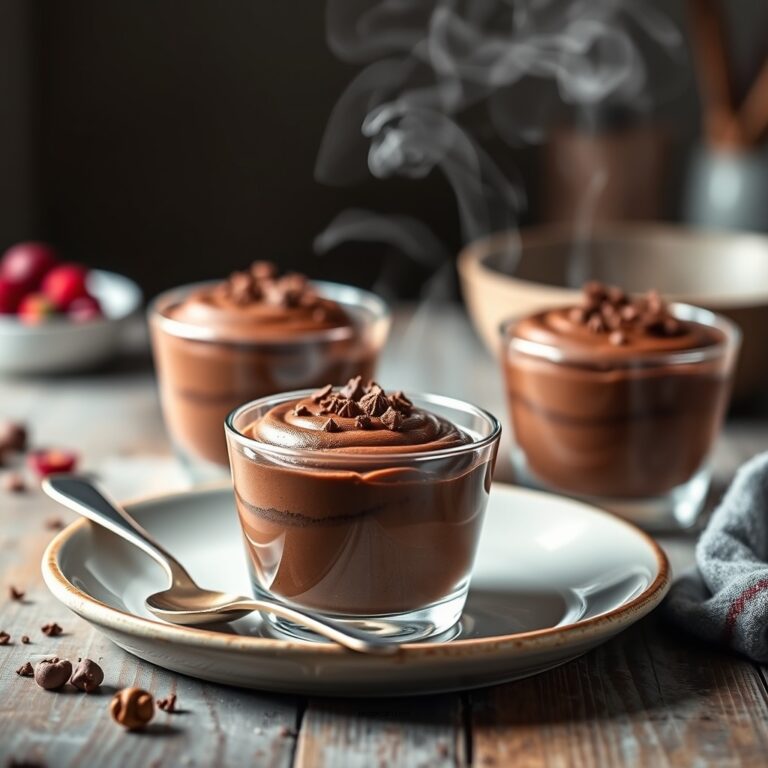
4. Add Flavorings: At this point, you can fold in any additional flavorings or melted chocolate. For a chocolate mousse, melt high-quality dark chocolate and let it cool slightly before folding it into the mixture.
5. Chill: Transfer the mousse into serving dishes or a large bowl and refrigerate for at least 2 hours, or until set. Chilling allows the mousse to firm up and enhances the flavors.
6. Serve: Once chilled, your mousse is ready to be served. You can garnish it with whipped cream, chocolate shavings, or fresh fruit for an elegant touch.
Types of Mousse and Their Ingredients
| # | Mousse Type | Main Flavor | Eggs Used | Whipped Cream |
|---|---|---|---|---|
| 1 | Chocolate Mousse | Chocolate | Egg Whites | Yes |
| 2 | Fruit Mousse | Various Fruits | Egg Whites | Yes |
| 3 | Vanilla Mousse | Vanilla | Egg Whites | Yes |
| 4 | Coffee Mousse | Coffee | Egg Whites | Yes |
| 5 | Savory Mousse | Various Savory Flavors | Egg Whites | Yes |
| 6 | Chocolate Mint Mousse | Chocolate Mint | Egg Whites | Yes |
| 7 | Lemon Mousse | Lemon | Egg Whites | Yes |
Tips for Perfecting Your Mousse
To ensure your mousse turns out perfectly every time, consider these valuable tips:
– Use Room Temperature Ingredients: Room temperature eggs and cream will incorporate better, resulting in a smoother mixture. This can significantly impact the final texture.
– Be Gentle When Folding: The key to a light mousse is to fold the mixtures gently. Use a spatula to carefully combine the whipped cream and egg whites, preserving the airiness.
– Chill Properly: After preparing your mousse, allowing it to chill adequately is crucial. Not only does this help it set, but chilling also allows the flavors to meld beautifully, enhancing the overall taste.
– Taste as You Go: Don’t hesitate to taste your mousse mixture before chilling. Adjust the sweetness or flavor intensity if needed, ensuring that the final product meets your palate’s expectations.
Creative Variations to Try
Mousse is incredibly versatile, and you can experiment with various flavors and additions:
– Flavor Infusions: Try infusing your cream with different flavors, such as lavender, chai spices, or citrus zest, before whipping. This adds a unique twist to the traditional mousse.
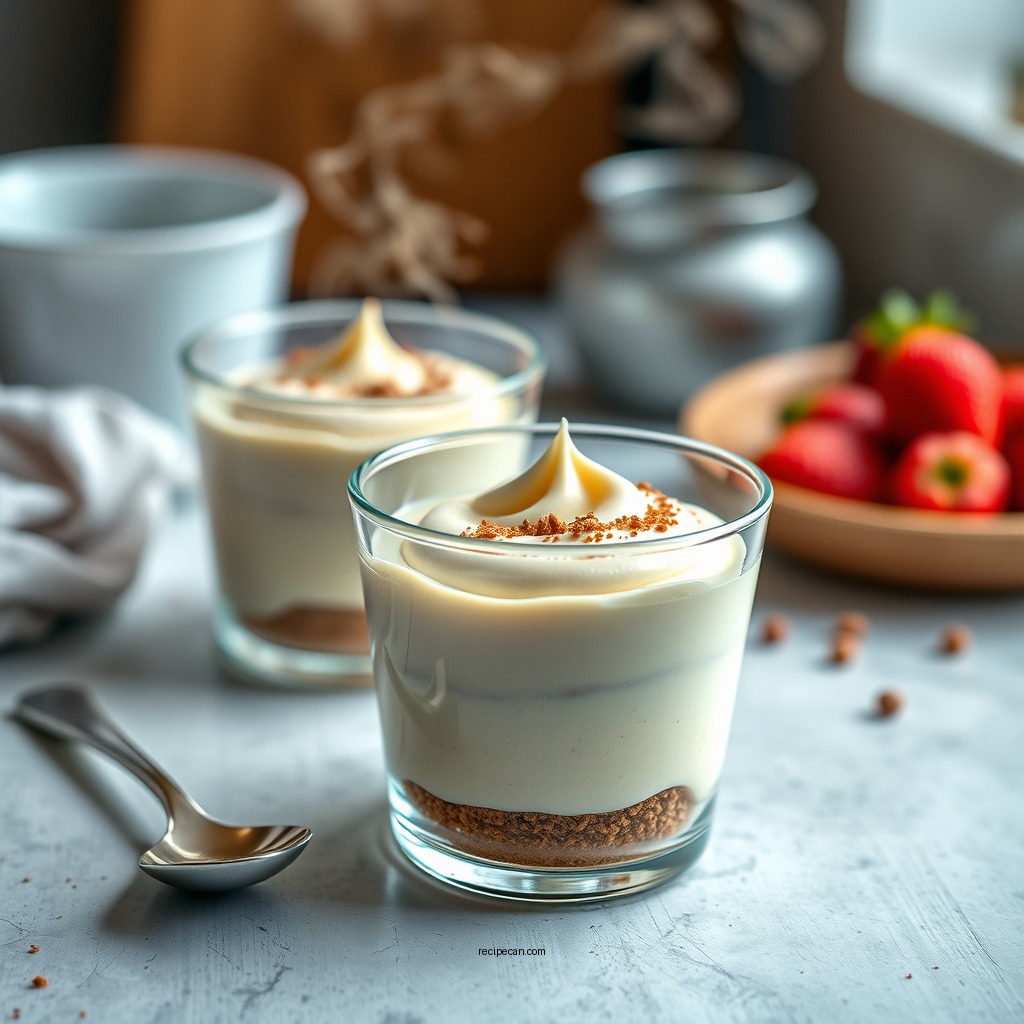
– Layering: Create a layered dessert by alternating layers of mousse with sponge cake or fruit puree in a glass. This not only adds visual appeal but also introduces different textures.
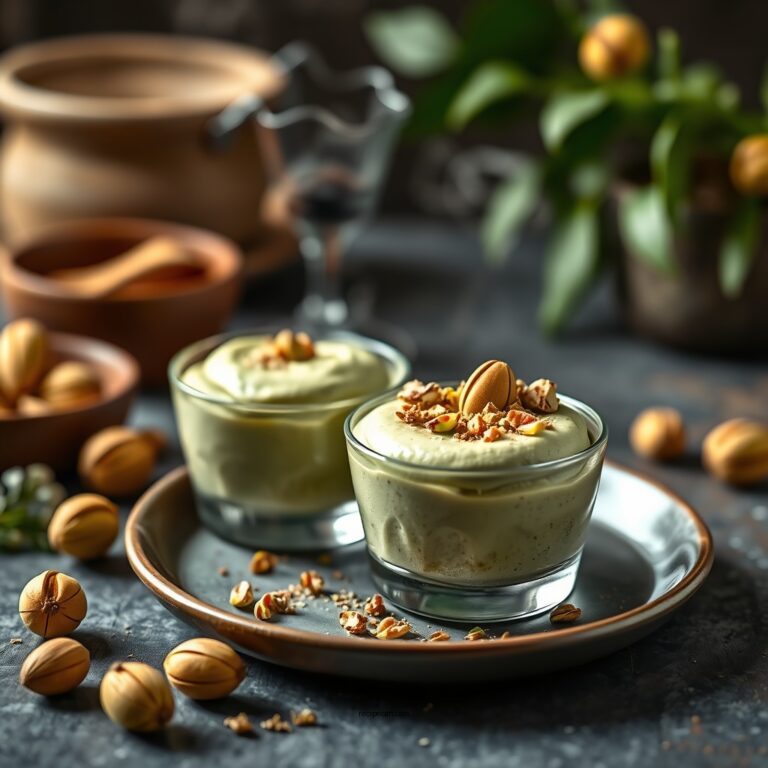
– Toppings: Enhance your mousse with an array of toppings. Fresh berries, chopped nuts, or a sprinkle of sea salt can elevate the flavor and presentation.
– Alcohol Infusion: For an adult version, consider adding a splash of liqueur, like Grand Marnier for chocolate mousse or Amaretto for a nutty flavor.
Mousse Flavor Popularity
Serving Suggestions and Presentation Ideas
Presentation is key when serving mousse, as it enhances the overall experience for your guests. Here are some creative serving suggestions:
– Individual Cups: Serve mousse in small cups or glasses for an elegant touch. This not only looks professional but also makes it easy for guests to enjoy.
– Layered Desserts: For a visually appealing dessert, layer mousse with crushed cookies or cake crumbs. This adds texture and contrast to the dish.
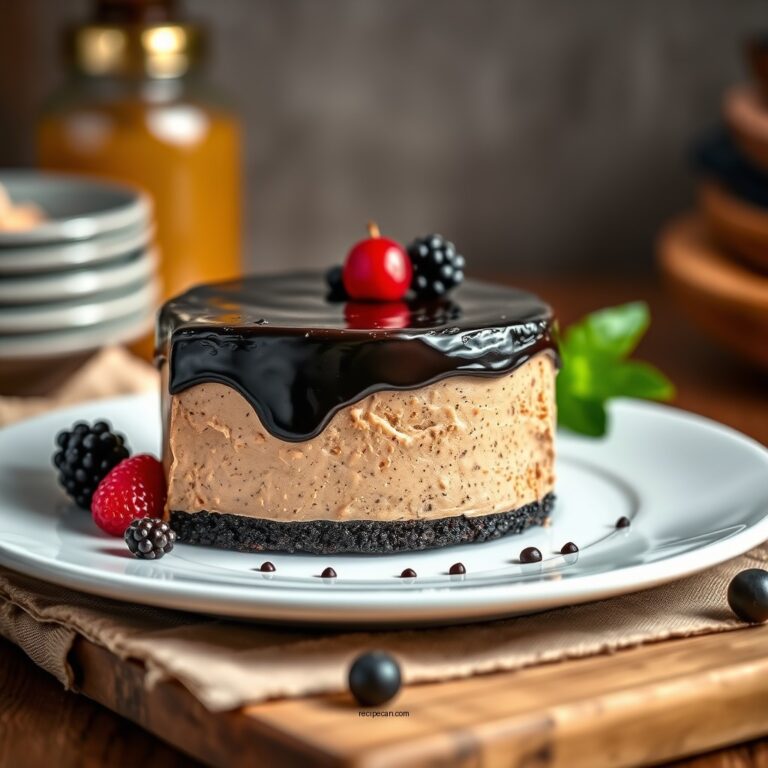
– Garnishing: Enhance your mousse with garnishes like whipped cream, fresh mint leaves, or a drizzle of chocolate or berry sauce. These additions not only beautify the dish but also add extra flavor.
– Themed Serving: For themed parties, match the mousse flavor with the occasion. For instance, a pumpkin mousse for a fall gathering or a strawberry mousse for a summer event can create a cohesive theme.
Incorporating these serving suggestions will elevate the presentation of your mousse and impress your guests, making your dessert the highlight of the meal.
Creating a mousse is not only easy but also a rewarding culinary experience. By understanding the fundamental ingredients and techniques, you can craft a dessert that is both simple and sophisticated. Whether you opt for a classic chocolate mousse or explore various flavor variations, the possibilities are endless. So why not gather your ingredients and try making your own mousse today? Don’t forget to share your creations and any exciting variations you come up with!
Frequently Asked Questions
What are the essential ingredients for a classic chocolate mousse recipe?
A classic chocolate mousse recipe typically requires just a few essential ingredients: high-quality dark chocolate, eggs, sugar, and heavy cream. The chocolate is melted and folded into whipped egg whites to create a light texture, while whipped cream adds richness. Using premium chocolate will enhance the flavor and overall quality of your mousse.
How do you achieve the perfect texture in mousse?
To achieve the perfect texture in mousse, it’s crucial to properly whip the egg whites and cream. Whip the egg whites until they form stiff peaks and fold them gently into the chocolate mixture to maintain airiness. Additionally, ensure that your ingredients are at room temperature for better incorporation and a smoother finish.
Why is my mousse grainy, and how can I fix it?
A grainy mousse can result from improperly melted chocolate or not allowing the chocolate to cool before mixing it with other ingredients. To fix this issue, ensure you melt the chocolate gently and allow it to cool slightly before folding it into the whipped ingredients. If your mousse has already set, re-blending it with a mixer can help smooth out the texture.
What is the best type of chocolate to use for chocolate mousse?
The best type of chocolate for chocolate mousse is high-quality dark chocolate with a cocoa percentage of at least 60%. This chocolate provides a rich flavor and balances the sweetness of the mousse. Brands like Valrhona or Callebaut are excellent choices for achieving a decadent mousse.
Which serving suggestions pair well with chocolate mousse?
Chocolate mousse pairs beautifully with various serving suggestions, such as fresh berries, whipped cream, or a drizzle of caramel sauce. Additionally, serving it in elegant cups or alongside a cookie can enhance the presentation. For a gourmet touch, consider adding a dusting of cocoa powder or chocolate shavings on top before serving.
References
- Mousse
https://en.wikipedia.org/wiki/Mousse - Mousse recipes – BBC Food
https://www.bbc.co.uk/food/mousse - https://www.nytimes.com/2015/02/11/dining/chocolate-mousse-recipe.html
https://www.nytimes.com/2015/02/11/dining/chocolate-mousse-recipe.html - https://www.sciencedirect.com/topics/food-science/mousse
https://www.sciencedirect.com/topics/food-science/mousse - Mousse | Definition, Ingredients, & Flavors | Britannica
https://www.britannica.com/topic/mousse - https://www.mayoclinic.org/healthy-lifestyle/nutrition-and-healthy-eating/in-depth/chocolate-mousse/art-20046044
https://www.mayoclinic.org/healthy-lifestyle/nutrition-and-healthy-eating/in-depth/chocolate-mousse/art-20046044 - https://pubmed.ncbi.nlm.nih.gov/17676941/
https://pubmed.ncbi.nlm.nih.gov/17676941/ - Google Scholar Google Scholar
https://scholar.google.com/scholar?q=recipe+mousse - Google Scholar Google Scholar
https://scholar.google.com/scholar?q=mousse+preparation+techniques - Google Scholar Google Scholar
https://scholar.google.com/scholar?q=mousse+culinary+science