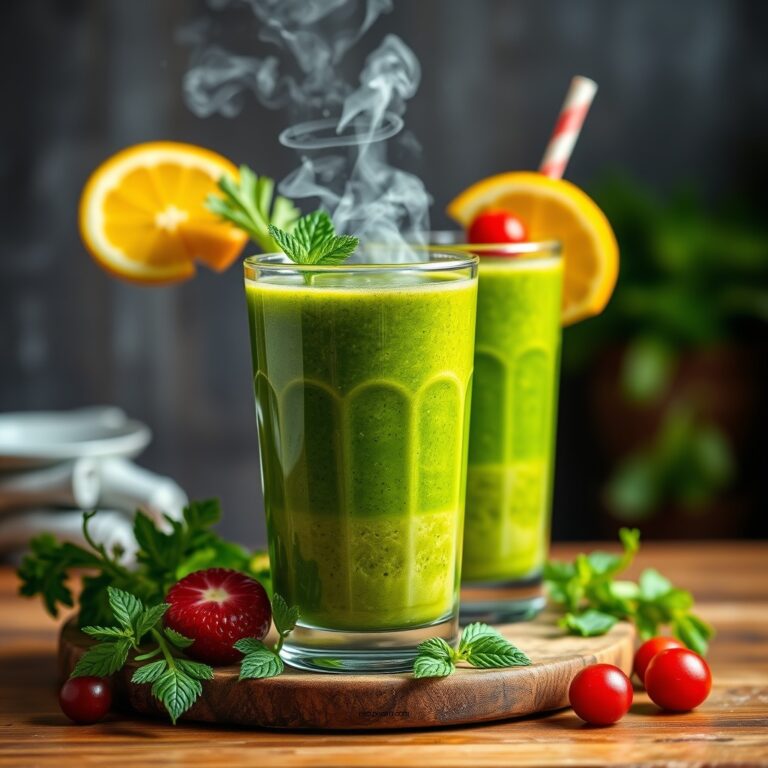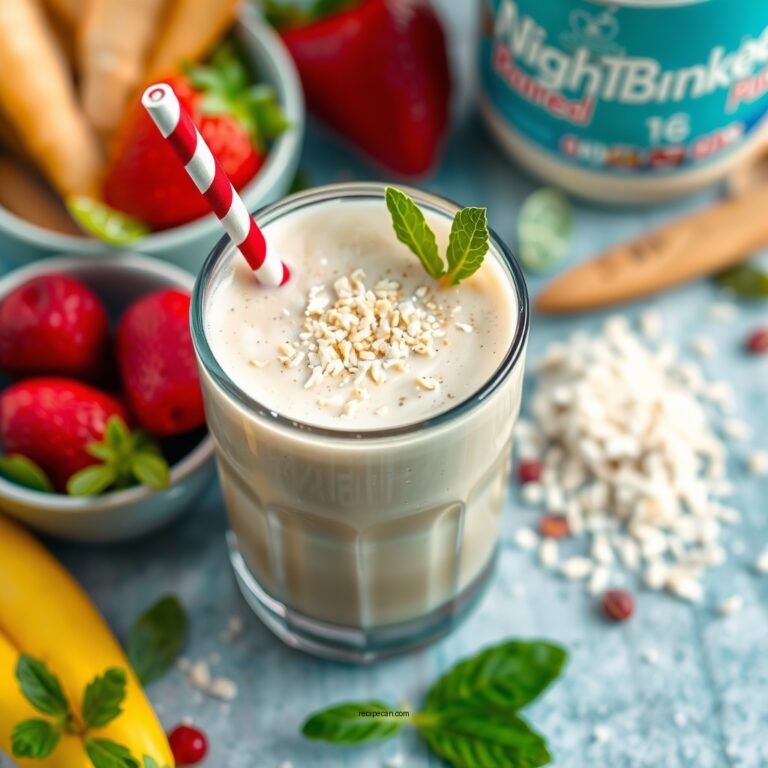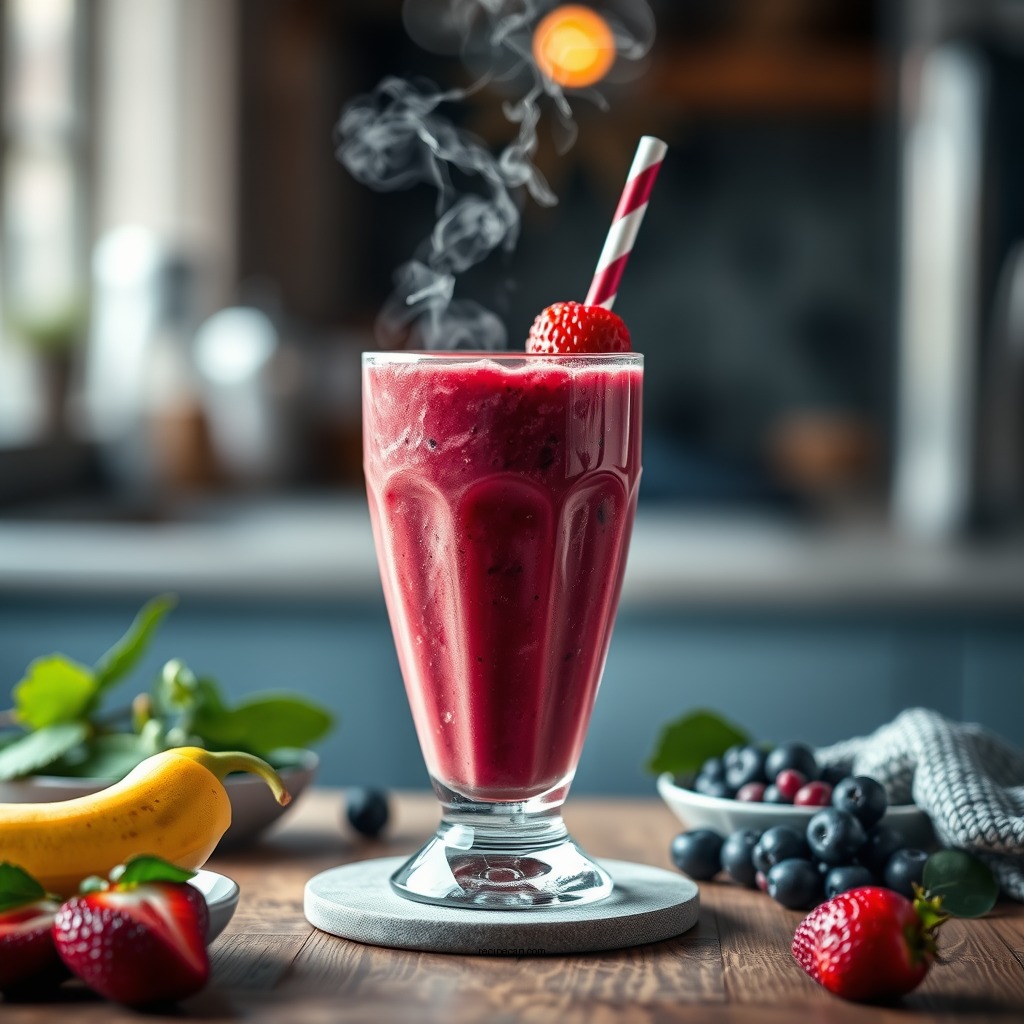
Creating a fruit smoothie is not only simple but also incredibly rewarding, providing a nutritious and refreshing treat in just a few minutes. This article will guide you through the process of blending your favorite fruits into a delicious smoothie tailored to your taste and dietary preferences. By following these steps, you can create a vibrant drink that is as delightful to savor as it is beneficial for your health.
Choosing Your Fruits
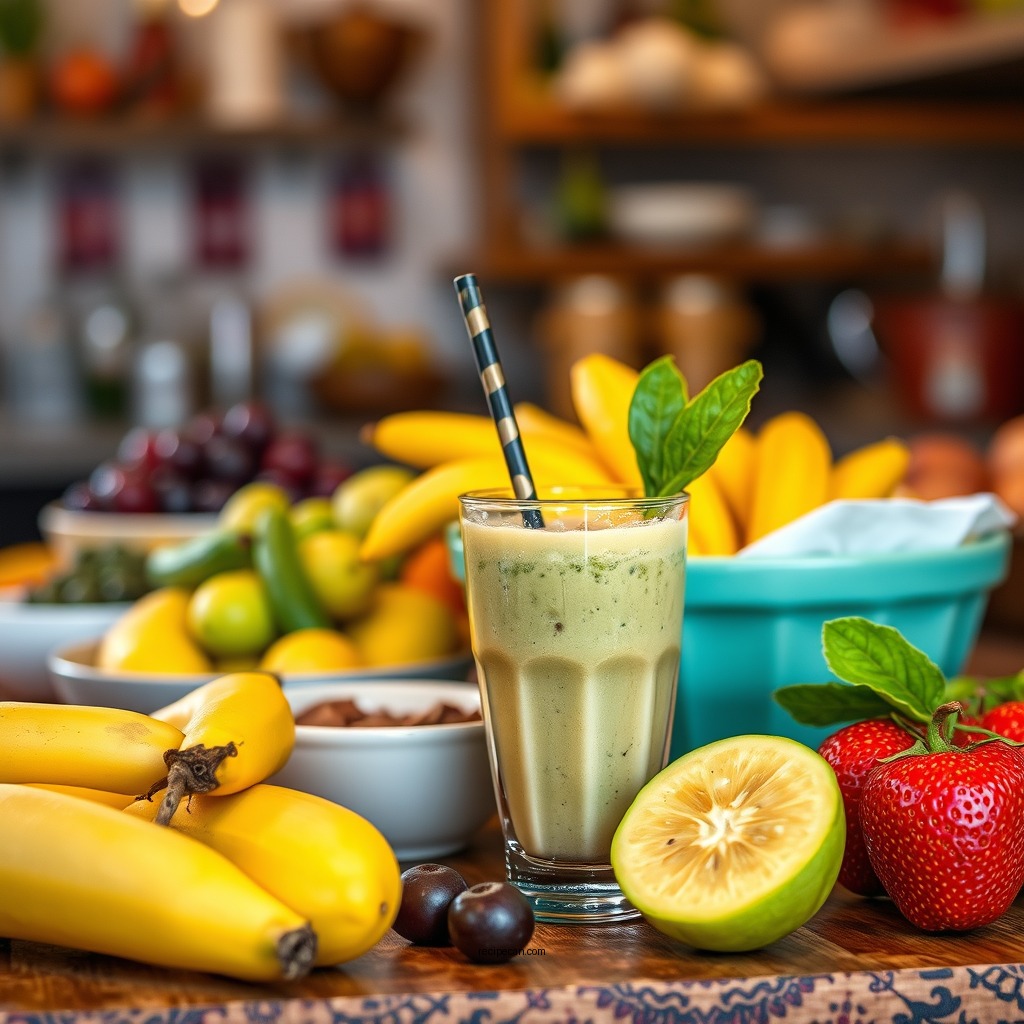
The foundation of any great fruit smoothie is the selection of fruits. Choosing ripe and seasonal fruits maximizes flavor and nutritional value. Fruits that are in season are often more flavorful and vibrant, providing a fresh taste that can elevate your smoothie experience. Commonly favored choices include:
– Bananas: They add natural sweetness and creaminess, making them a staple in many smoothies.
– Strawberries: Packed with vitamin C and antioxidants, strawberries offer a tart flavor that complements other fruits well.
– Blueberries: Known for their health benefits, these tiny berries are rich in antioxidants and add a beautiful color to your smoothie.
– Mangoes: With their tropical sweetness, mangoes can transform a smoothie into a refreshing delight.
Consider mixing and matching these fruits based on your preferences and what’s available at your local market. Experimentation can lead to discovering new favorite combinations.
Preparing Your Ingredients
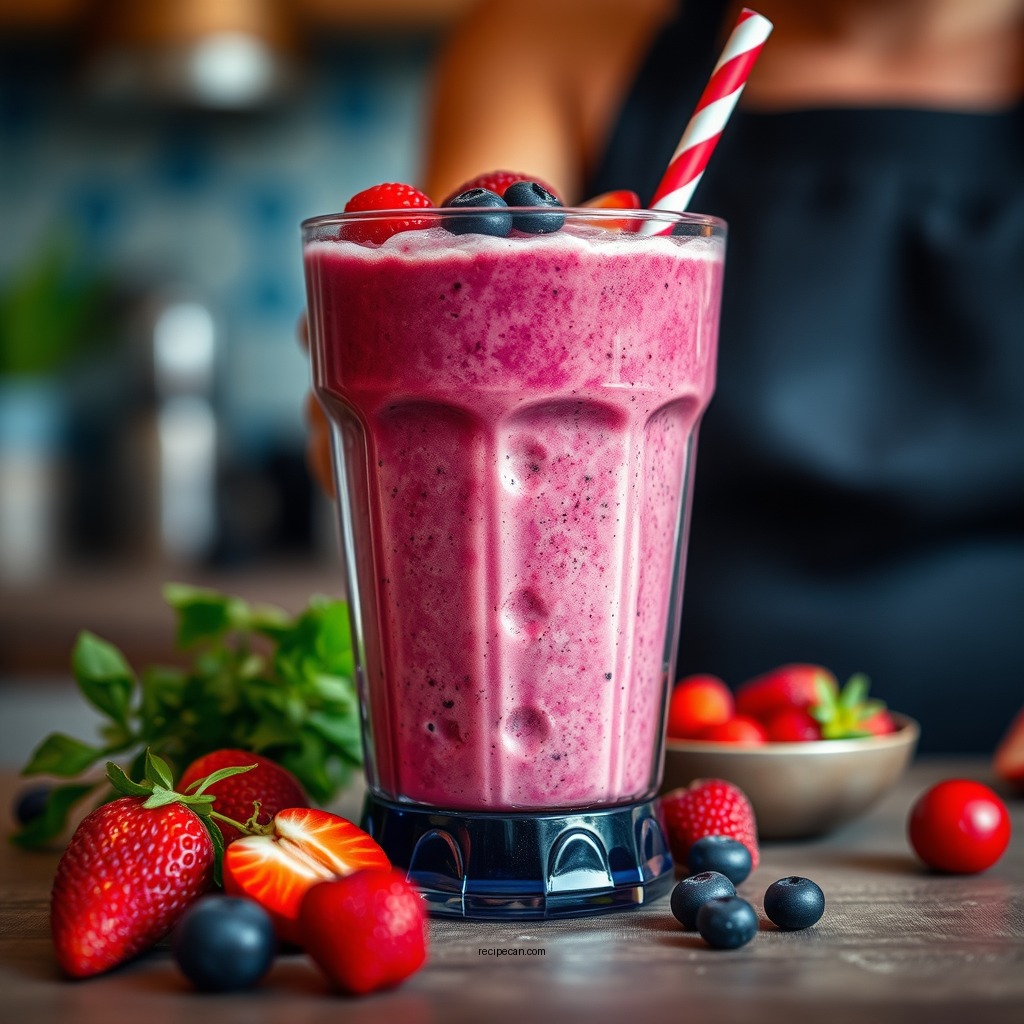
Preparation is crucial for achieving the perfect smoothie consistency. Begin by washing your selected fruits thoroughly to remove any pesticides or dirt. For fruits like bananas and mangoes, peel them and chop them into smaller pieces; this not only makes them easier to blend but also helps achieve a smoother texture.
In addition to fruits, you may want to consider incorporating vegetables into your smoothie. Leafy greens like spinach or kale are excellent options that provide additional nutrients without overpowering the flavor. A handful of these greens can significantly boost the health benefits of your smoothie, making it a nutrient-dense option for breakfast or a snack.
Liquid Base Options
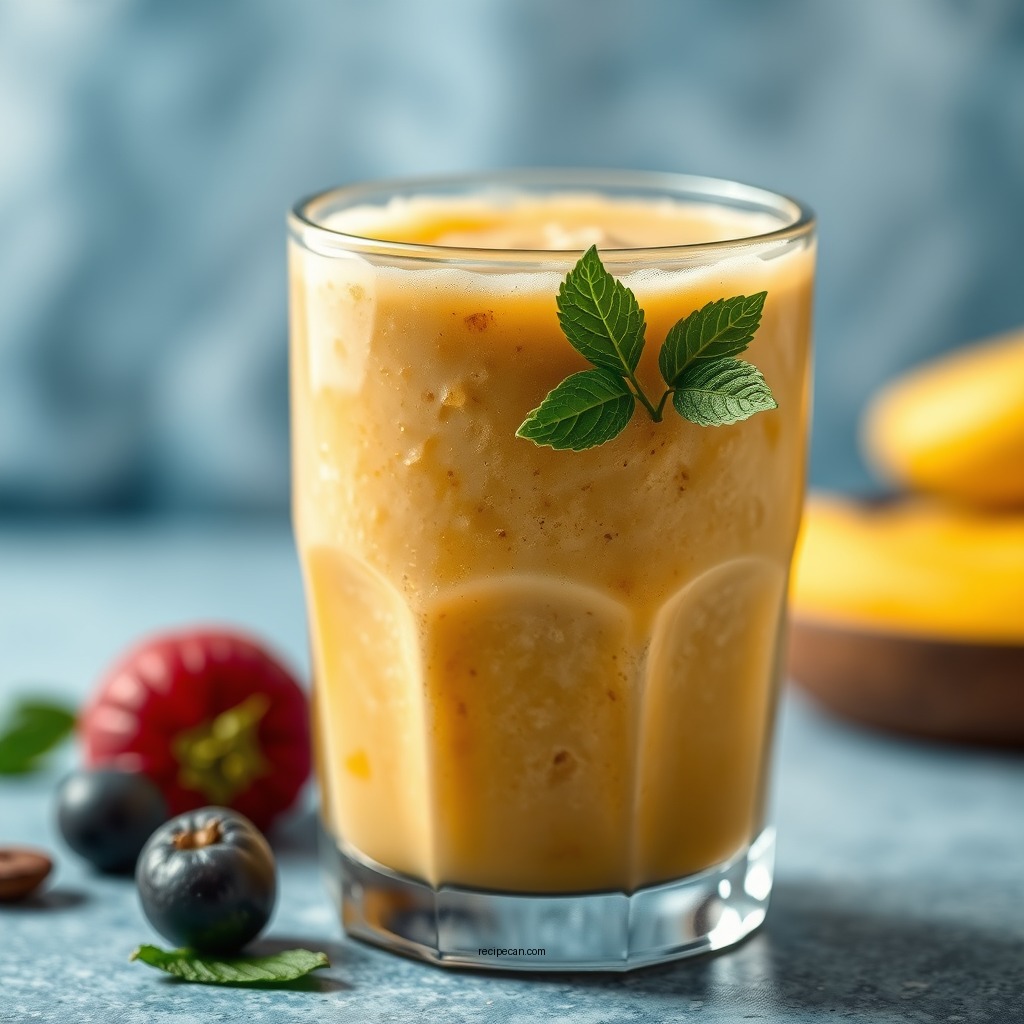
The liquid base you choose can significantly alter the texture and flavor of your smoothie. Here are some common options:
– Milk (Dairy or Plant-Based): Using milk, whether it’s cow’s milk, almond milk, or oat milk, adds creaminess and richness to your smoothie. Plant-based options are particularly popular among those who are lactose intolerant or following a vegan diet.
– Juice: For a lighter option, juice can be used. Orange juice or apple juice can add a fruity flavor while keeping the smoothie airy.
– Yogurt: Incorporating yogurt not only enhances the texture but also adds protein and probiotics, making your smoothie more filling and beneficial for digestive health.
Each liquid choice has its advantages, so consider what aligns best with your dietary needs and flavor preferences when creating your smoothie.
Popular Smoothie Bases
| # | Base | Calories per Cup | Protein (g) | Fat (g) |
|---|---|---|---|---|
| 1 | Cow’s Milk | 146 | 8 | 8 |
| 2 | Almond Milk | 30 | 1 | 2.5 |
| 3 | Soy Milk | 80 | 7 | 4 |
| 4 | Coconut Milk | 50 | 0.5 | 5 |
| 5 | Greek Yogurt | 100 | 10 | 4 |
| 6 | Orange Juice | 120 | 2 | 0 |
| 7 | Apple Juice | 112 | 0.5 | 0.5 |
Sweeteners and Flavor Enhancements
Once you have your fruits and liquid base, it’s time to consider whether you want to enhance the flavor of your smoothie. Depending on your taste preferences, you might decide to add sweeteners or spices:
– Sweeteners: If your fruits aren’t sweet enough for your liking, consider natural sweeteners such as honey, agave syrup, or dates. Each of these options not only adds sweetness but also brings its unique flavor profile to the mix.
– Flavor Enhancements: Adding spices like cinnamon, nutmeg, or a splash of vanilla extract can elevate your smoothie from ordinary to extraordinary. These ingredients can add warmth and depth to the flavor, making your smoothie more enjoyable.
Be mindful of how much sweetener you add; it’s important to balance sweetness with the natural flavors of the fruits to ensure a harmonious taste.
Blending Techniques
Achieving the perfect smoothie texture involves proper blending techniques. Start by adding the liquid base to your blender, followed by the fruits, vegetables, and any additional ingredients. This order allows the blades to move freely and blend the ingredients more effectively.
1. Start Slow: Begin blending on a low setting. This helps to break down the larger pieces of fruit and allows the mixture to start combining without splattering.
2. Increase Speed: Gradually increase the speed to high. This ensures that everything gets blended smoothly.
3. Scrape Down Sides: If necessary, pause the blender and scrape down the sides with a spatula to ensure all ingredients are well incorporated.
Blend until the mixture reaches your desired consistency—whether you like it thick or more liquid, you have the flexibility to adjust according to your preference.
Smoothie Texture Consistency Levels
Serving Suggestions
Serving your smoothie immediately after blending is key to enjoying its fresh taste and optimal nutrient content. Here are some serving suggestions to enhance your smoothie experience:
– Chilled Glasses: Pour your smoothie into chilled glasses to keep it refreshing and cool.
– Garnishes: Add a touch of elegance by garnishing with fresh fruit slices, a sprig of mint, or a sprinkle of granola. These additions not only enhance the visual appeal but also provide extra texture and flavor to your drink.
Smoothies can also be a versatile option for meal replacements or snacks throughout the day. Enjoy them as a post-workout replenishment or as a quick breakfast on busy mornings.
Nutritional Benefits
Fruit smoothies are a powerhouse of nutrition, packed with vitamins, minerals, and antioxidants. Here are some benefits you can expect from incorporating smoothies into your diet:
– Vitamins and Minerals: Smoothies made from fresh fruits and vegetables are rich in essential nutrients that support overall health.
– Antioxidants: Ingredients like berries are loaded with antioxidants that help combat oxidative stress in the body.
– Customizable Nutrition: By preparing your smoothies, you control the amount of sugar and calories, ensuring they align with your health goals.
By customizing your smoothie ingredients, you can tailor them to suit your dietary needs, whether you’re aiming for a high-protein option, a low-sugar choice, or a boost of fiber.
In summary, making a fruit smoothie is an enjoyable and nutritious endeavor. Remember to choose your fruits wisely, prepare them properly, and blend with the right liquids and enhancements. The possibilities are endless when it comes to flavor combinations, so enjoy experimenting with different recipes and share your favorites with friends to promote a delicious and healthy lifestyle!
Frequently Asked Questions
What ingredients do I need for a basic fruit smoothie?
To create a basic fruit smoothie, you typically need fresh or frozen fruits such as bananas, berries, and mangoes, along with a liquid base like yogurt, milk, or fruit juice. Adding ice can help achieve a thicker texture, while optional ingredients like spinach, protein powder, or honey can enhance both nutrition and flavor.
How can I make my fruit smoothie thicker?
To thicken your fruit smoothie, consider using frozen fruits instead of fresh ones, as they provide a creamier consistency. You can also add ingredients like Greek yogurt, avocado, or oats, which not only thicken the smoothie but also boost its nutritional value.
Why does my fruit smoothie taste bland?
A bland fruit smoothie can result from insufficient flavor variety or sweetness. To enhance the taste, try incorporating a mix of sweet fruits, a splash of citrus juice, or natural sweeteners like honey or agave syrup. Experimenting with spices like cinnamon or vanilla extract can also elevate the flavor profile.
What is the best fruit combination for a smoothie?
The best fruit combination for a smoothie often includes bananas for creaminess, berries for antioxidants, and mangoes for sweetness. A popular mix is a banana-strawberry-blueberry blend, which provides a delicious balance of flavors and textures while ensuring a nutrient-dense drink.
Which blender is best for making fruit smoothies?
When choosing a blender for fruit smoothies, look for one with a powerful motor and stainless steel blades to easily blend frozen fruits and ice. High-performance blenders, such as Vitamix or Ninja, are highly recommended for their durability and ability to create smooth, creamy textures without chunks.
References
- Smoothie
https://en.wikipedia.org/wiki/Smoothie - https://www.mayoclinic.org/healthy-lifestyle/nutrition-and-healthy-eating/in-depth/smoothies/art-20045990
https://www.mayoclinic.org/healthy-lifestyle/nutrition-and-healthy-eating/in-depth/smoothies/art-20045990 - https://www.ncbi.nlm.nih.gov/pmc/articles/PMC6470762/
https://www.ncbi.nlm.nih.gov/pmc/articles/PMC6470762/ - https://www.cdc.gov/nutrition/strategies/healthy-drinks.html
https://www.cdc.gov/nutrition/strategies/healthy-drinks.html - https://www.healthline.com/nutrition/smoothie-recipes
https://www.healthline.com/nutrition/smoothie-recipes - https://www.verywellfit.com/healthy-smoothie-recipes-4151858
https://www.verywellfit.com/healthy-smoothie-recipes-4151858 - Smoothie Recipes | Good Food
https://www.bbcgoodfood.com/recipes/collection/smoothie - https://www.sciencedirect.com/topics/food-science/smoothie
https://www.sciencedirect.com/topics/food-science/smoothie - Google Scholar Google Scholar
https://scholar.google.com/scholar?q=recipe+for+fruit+smoothie - Google Scholar Google Scholar
https://scholar.google.com/scholar?q=smoothie+nutrition+benefits